Spatial Orientation Normal Worksheets for Ages 4-9
4 filtered results
-
From - To
Enhance your child's spatial orientation skills with our engaging worksheets designed for ages 4-9! These worksheets provide fun-filled activities and exercises that help young learners develop essential spatial awareness, positioning, and direction concepts. With visually stimulating illustrations and age-appropriate tasks, kids will enjoy exploring their environment while improving crucial cognitive skills. Perfect for both classroom and at-home learning, our Spatial Orientation Normal Worksheets are tailored to meet developmental milestones, ensuring that children build confidence in their understanding of spatial relationships. Start your child's journey towards academic success today by downloading these unique printable resources! Foster a love for learning with Kids Academy.
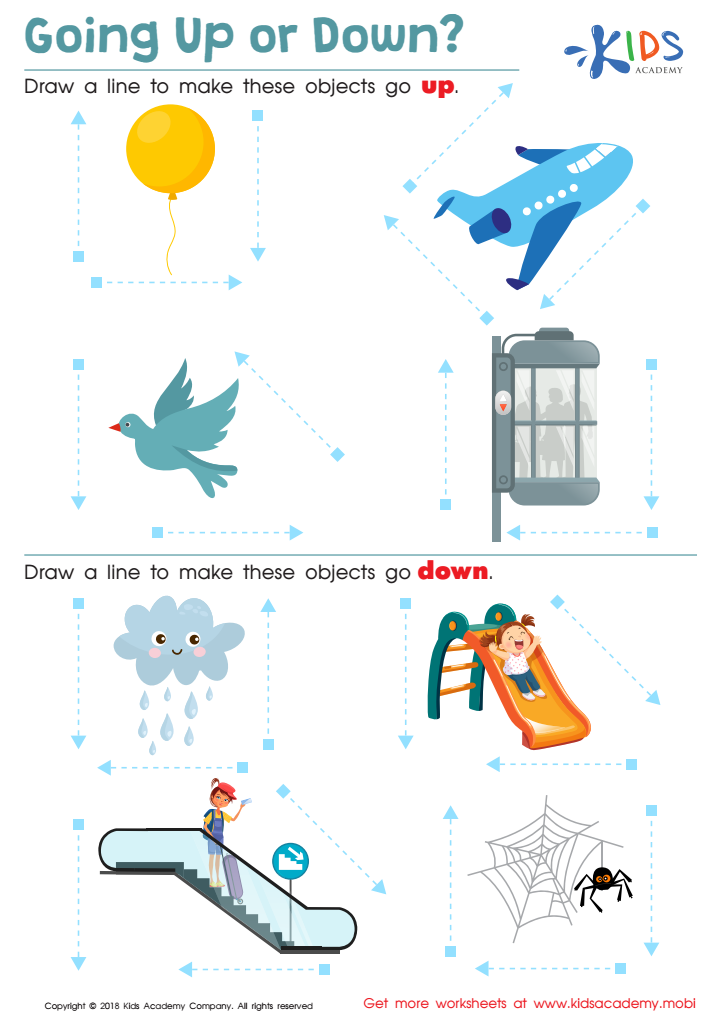
Going up or Down? Worksheet
 Assign to My Students
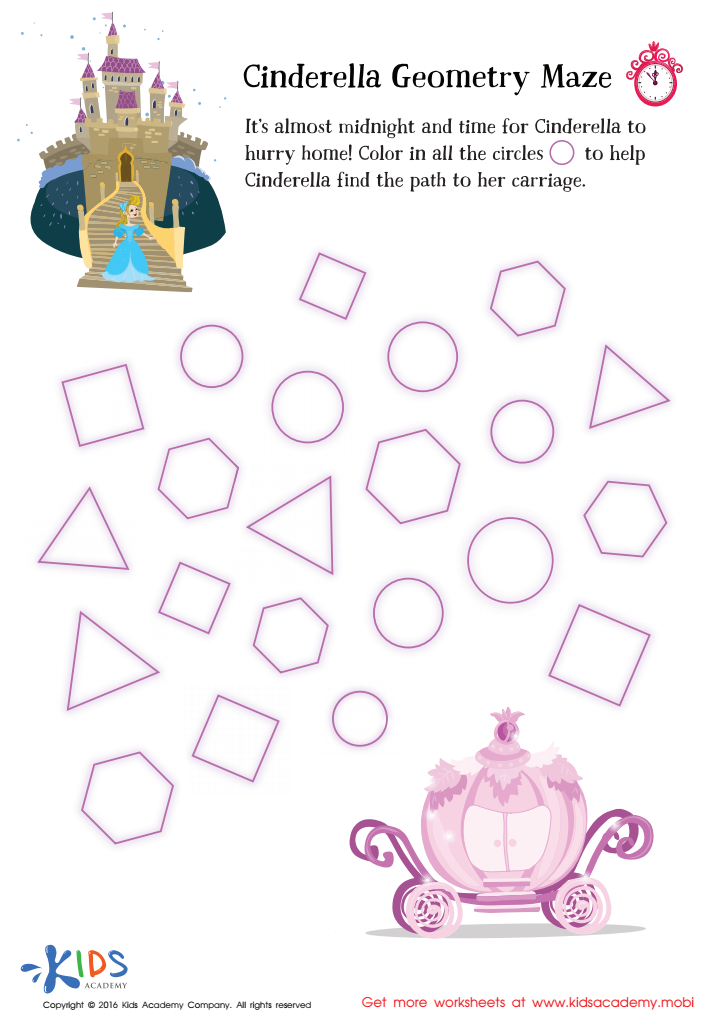
Cinderella Geometry Maze Worksheet
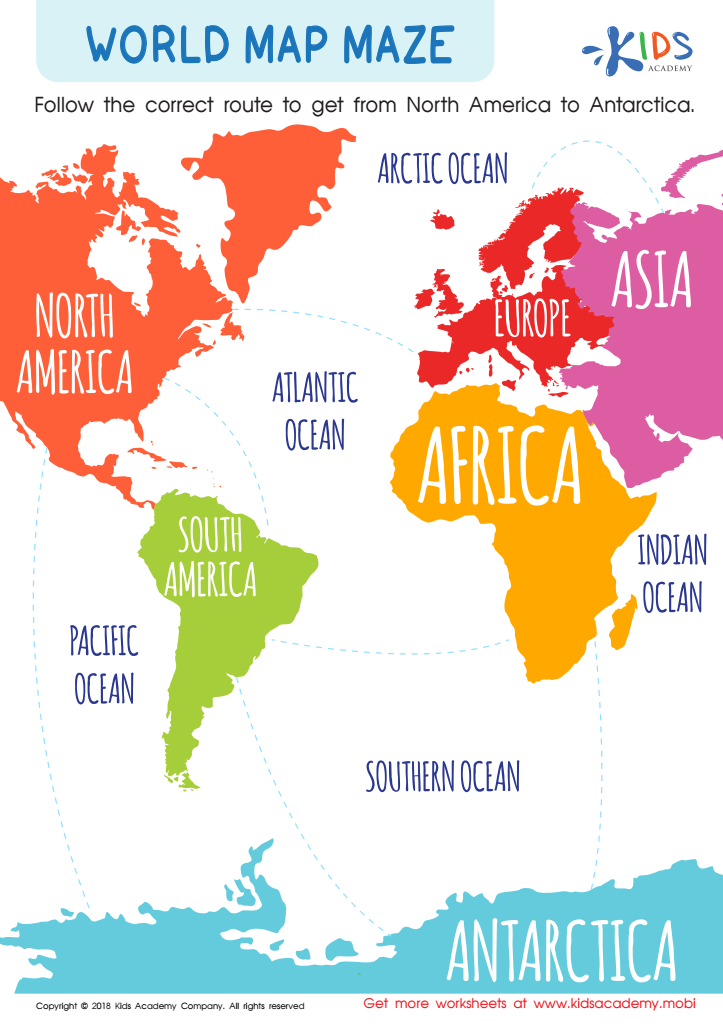
World Map Maze Worksheet
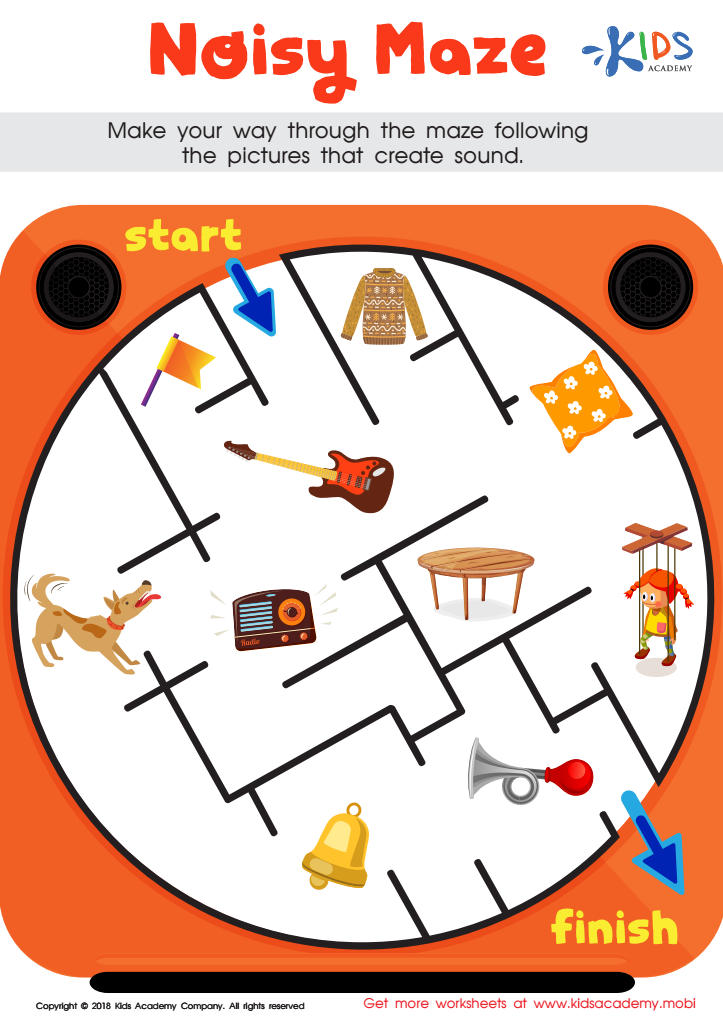
Noisy Maze Worksheet







Spatial orientation is a critical cognitive skill that involves understanding and navigating one’s position in relation to the surrounding environment. For children aged 4-9, developing spatial orientation fosters essential abilities such as problem-solving, critical thinking, and decision-making. Parents and teachers should prioritize this skill because it lays the foundation for more complex cognitive tasks in later years.
At this age, children's brains are highly receptive to learning through play and exploration. Engaging in activities such as building blocks, puzzles, and outdoor play enhances their spatial awareness and coordination. Furthermore, strong spatial orientation contributes to math and literacy skills, as children learn to interpret graphs, understand maps, and comprehend reading material that involves positioning and direction.
Moreover, spatial orientation is vital for social interactions. Children with refined spatial awareness can better engage in group activities, follow instructions, and navigate physical spaces, promoting collaboration and communication skills.
Supporting spatial orientation can significantly benefit children as they transition to more advanced education. By fostering these skills early on, parents and teachers prepare children for success in academic settings and empower them to confidently explore and interact with their world.








