Reading comprehension Normal Addition and Subtraction Word Problems Worksheets for Ages 4-9
6 filtered results
-
From - To
Enhance your child’s math skills with our "Reading Comprehension Normal Addition and Subtraction Word Problems" worksheets designed for ages 4-9. These engaging exercises combine math problems with reading comprehension, helping kids understand the context while improving their addition and subtraction abilities. Ideal for young learners, these worksheets provide a range of scenarios to develop critical thinking and problem-solving skills. With colorful illustrations and relatable themes, they make learning both effective and fun. Perfect for classroom or home practice, watch your child’s confidence and competency in math grow. Visit our website to explore these educational resources today!
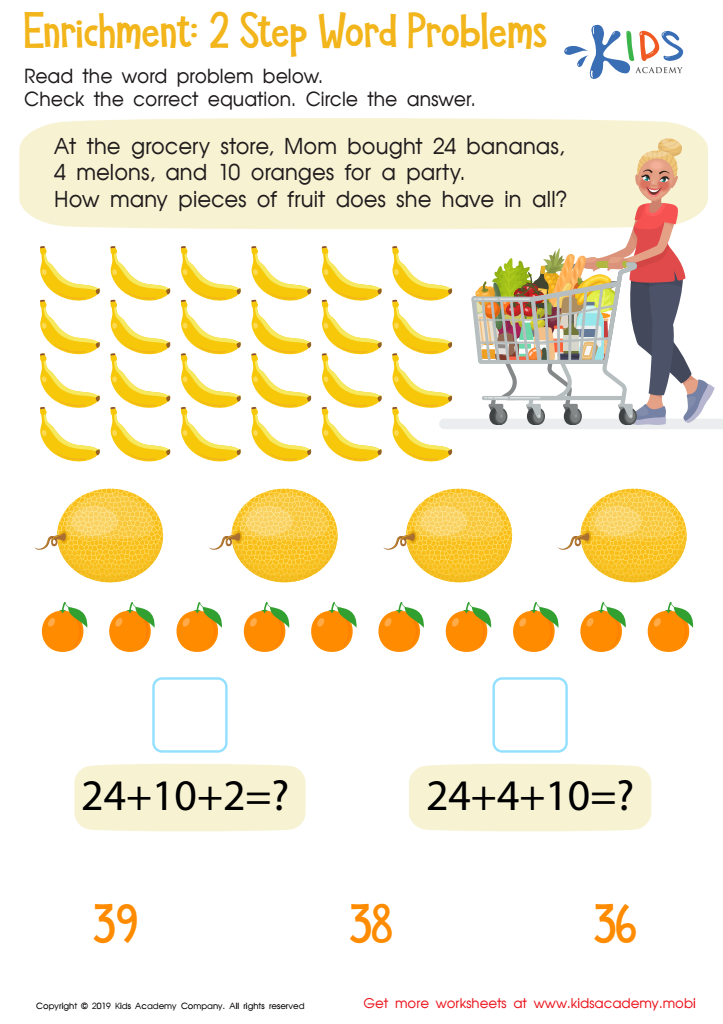
Enrichment -2 Step Word Problems Worksheet
 Assign to My Students
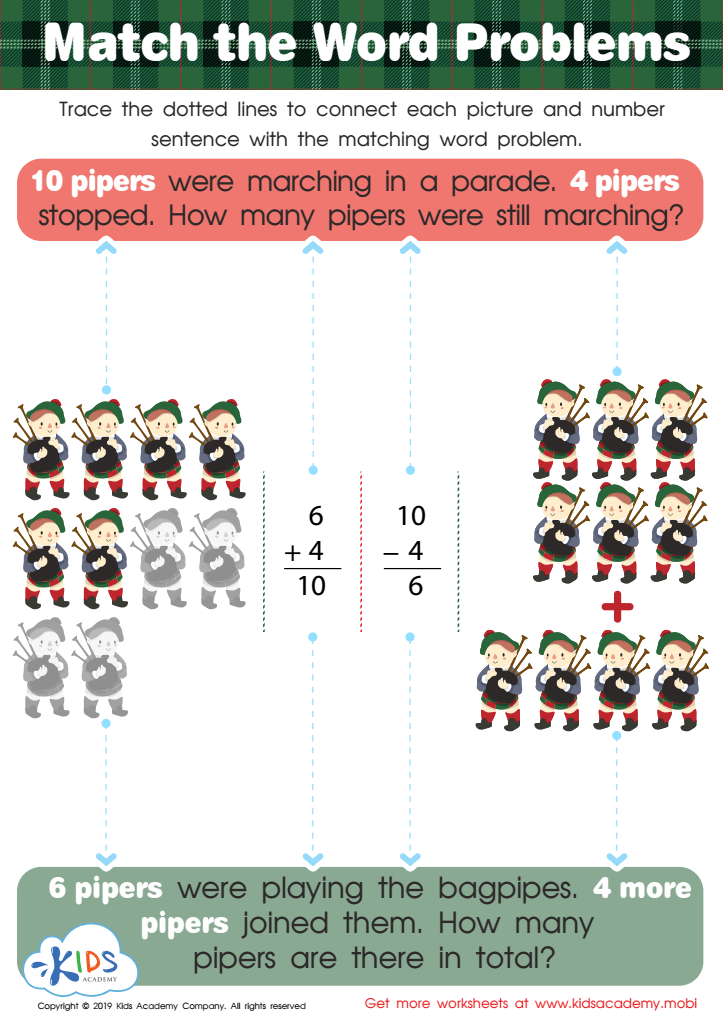
Match the Word Problems Worksheet
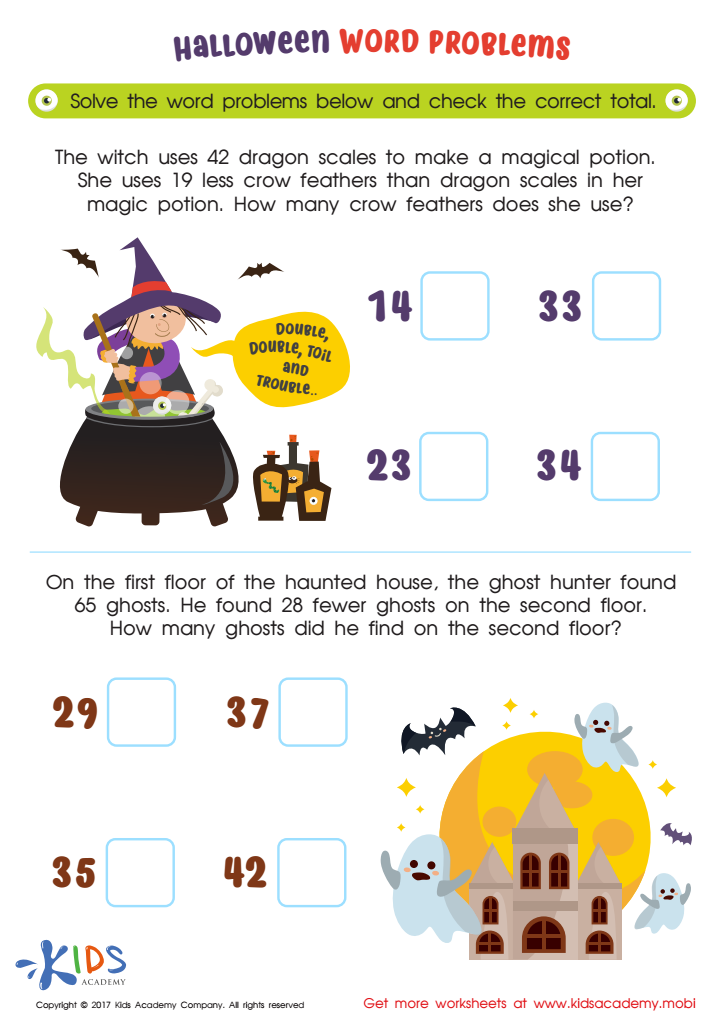
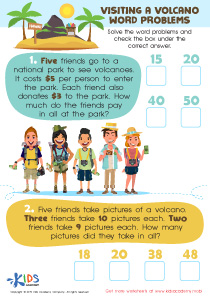
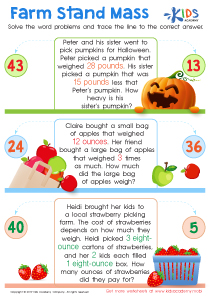
Halloween Word Problems Printable
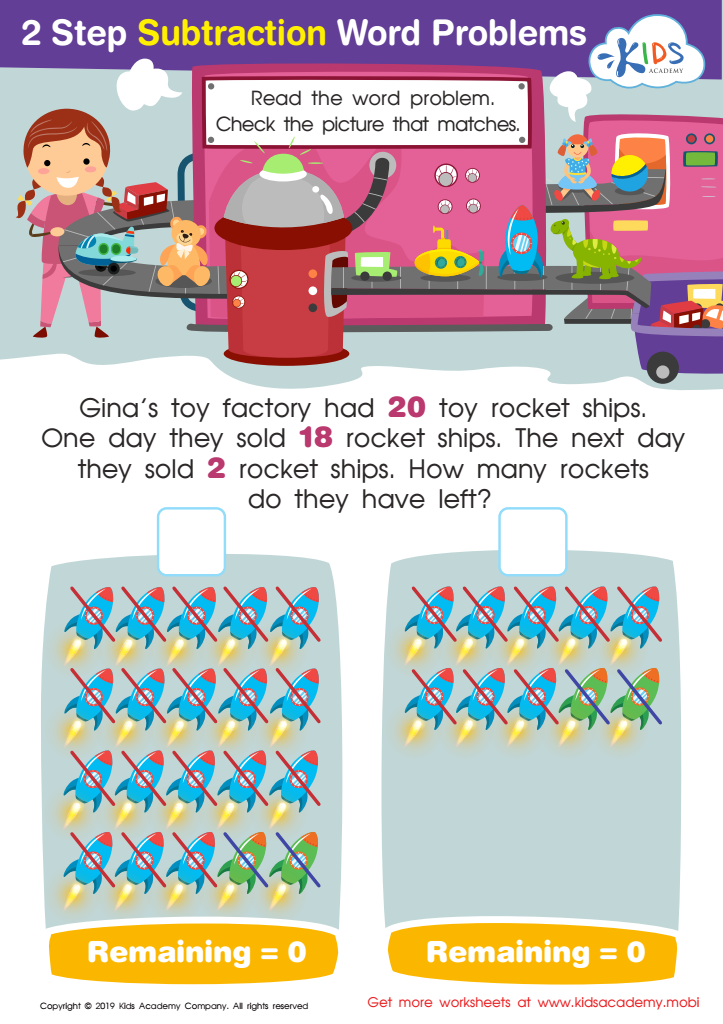
Step Subtraction Word Problems Worksheet
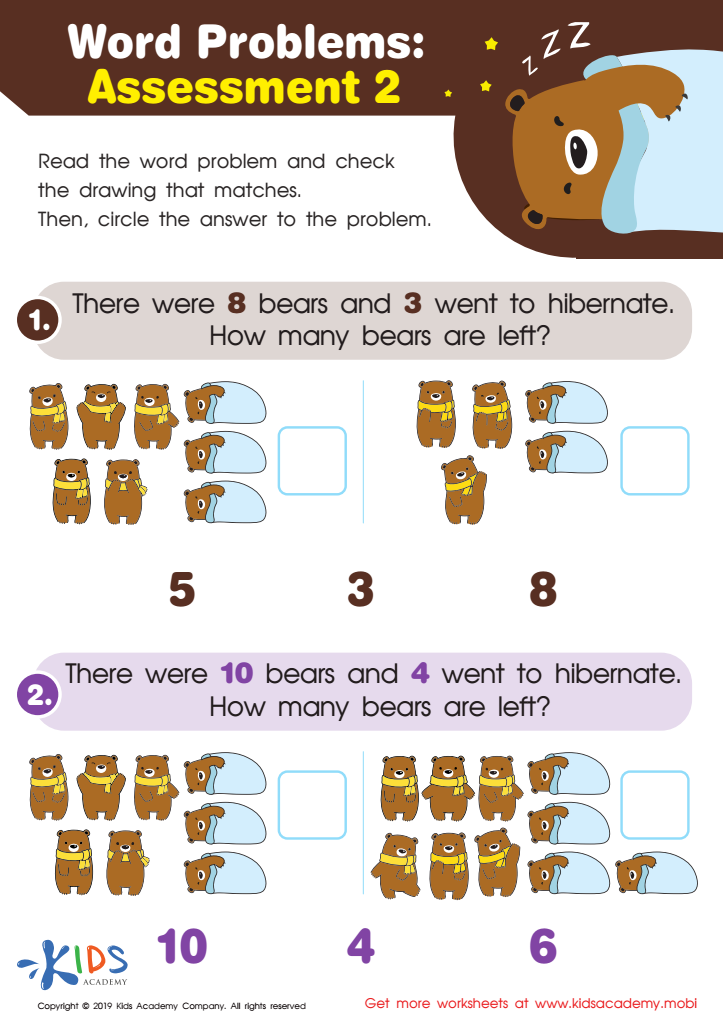
Word Problems: Assessment 2 Worksheet
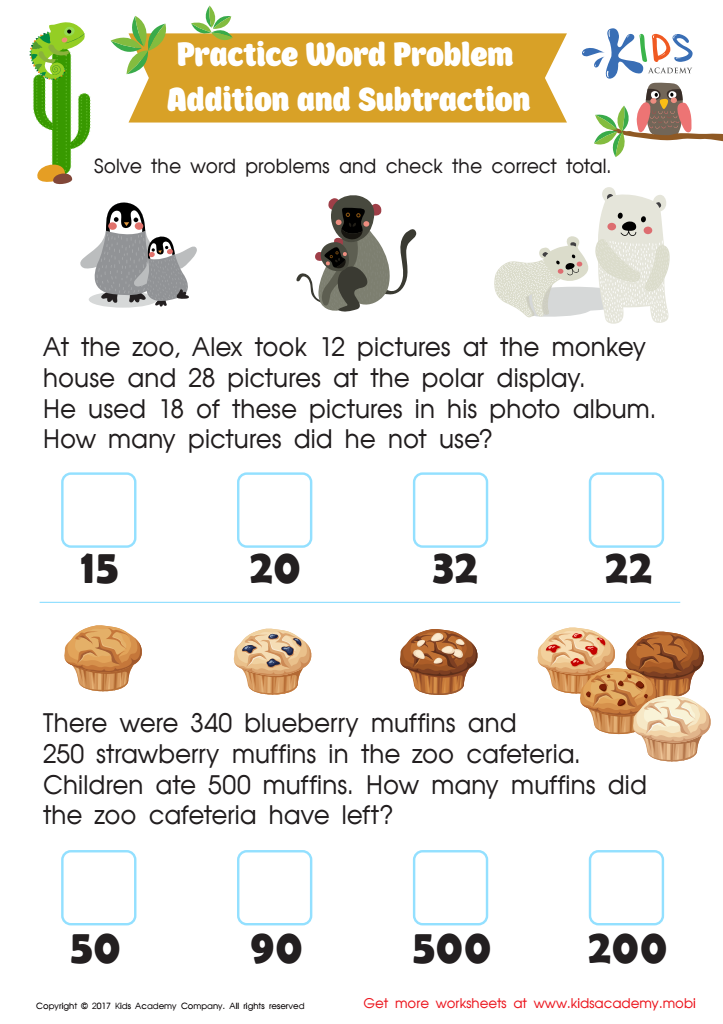
Addition and Subtraction: Word Problems Worksheet








Reading comprehension and problem-solving skills are foundational, serving as cornerstones for academic success and lifelong learning. For children ages 4-9, developing the ability to understand and solve normal addition and subtraction word problems is crucial. Parents and teachers should care because these skills extend beyond math into various aspects of life.
First, mastering word problems enhances reading comprehension. Children learn to parse sentences, extract pertinent information, and discern the problem's context. This practice improves language skills and strengthens the ability to follow written directions across subjects.
Second, solving word problems involves critical thinking. Children are not simply performing rote calculations; they are learning to analyze situations and determine the necessary steps to reach a solution. This process cultivates logical reasoning and decision-making abilities that are invaluable in both academic and everyday situations.
Moreover, early proficiency builds confidence. A child who can successfully navigate word problems feels more competent and secure in their abilities, promoting a positive attitude toward learning. This encouragement often propels further academic exploration and curiosity.
Finally, real-world application of math is more understandable and relatable through word problems. Children see the relevance of math in daily activities—whether shopping, cooking, or persisting. Thus, prioritizing these skills equips children with essential tools for life.