Addition Practice Normal Addition & Subtraction Worksheets for Ages 4-9 - Page 2
30 filtered results
-
From - To
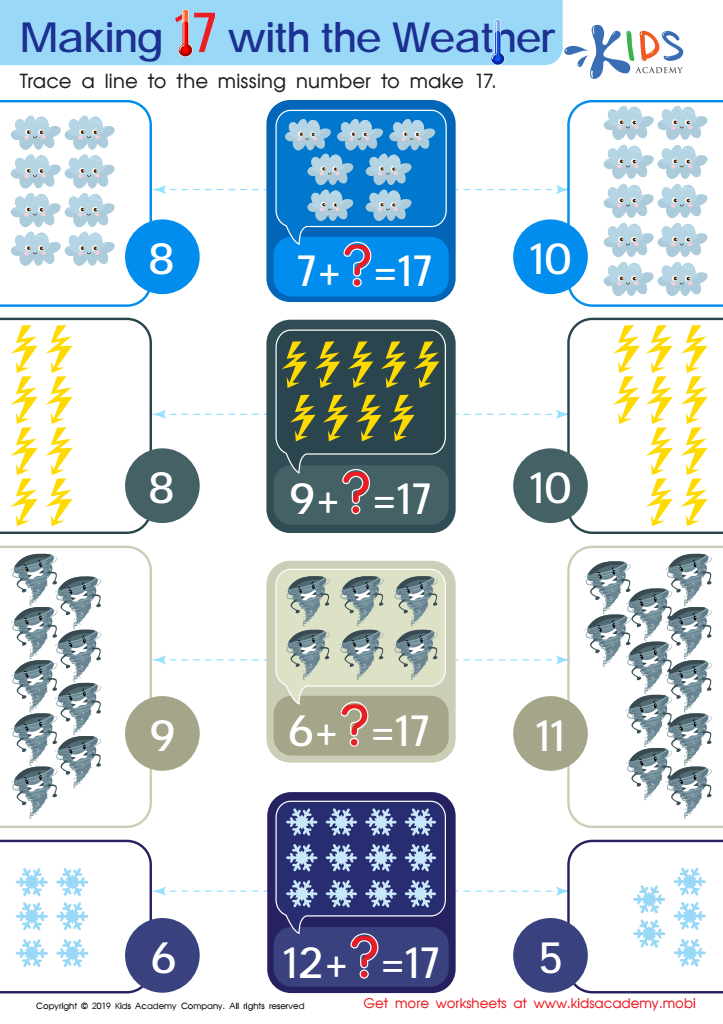
Making 17 with the Weather Worksheet
 Assign to My Students
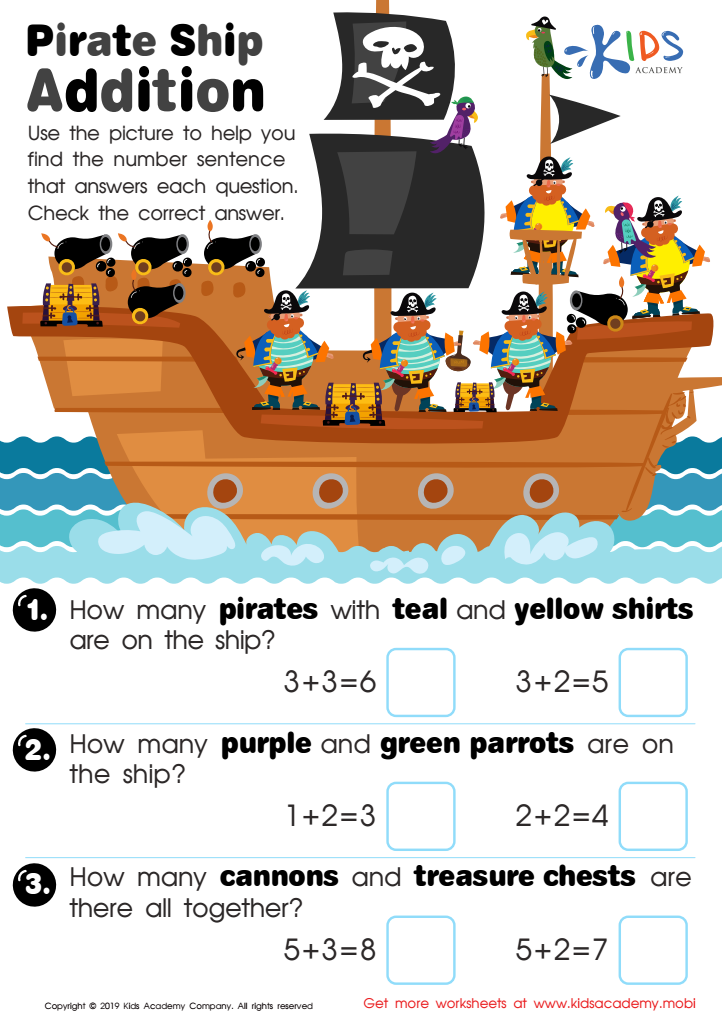
Pirate Ship Addition Worksheet
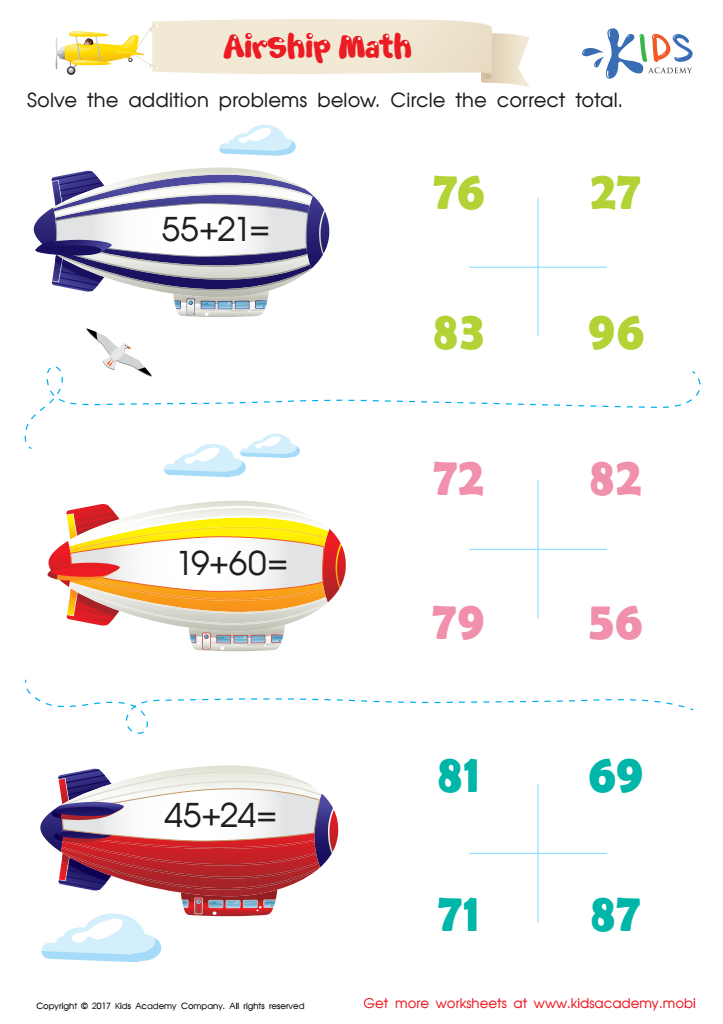
Airship Math Addition Printable
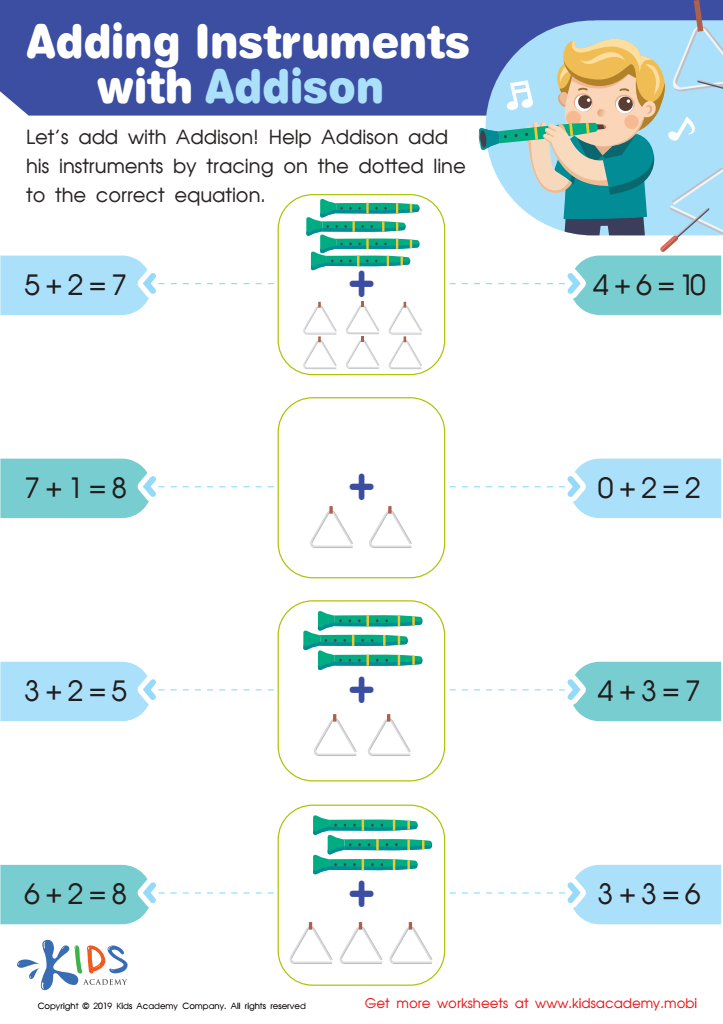
Adding Instruments with Addison Worksheet
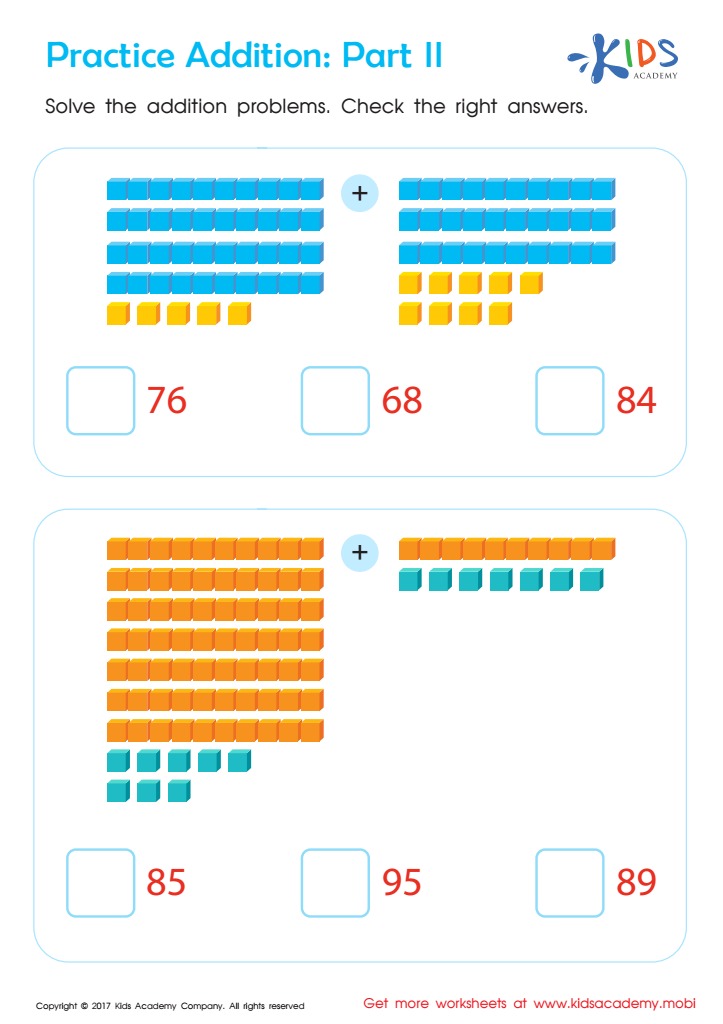
Practice Addition: Part 2 Worksheet
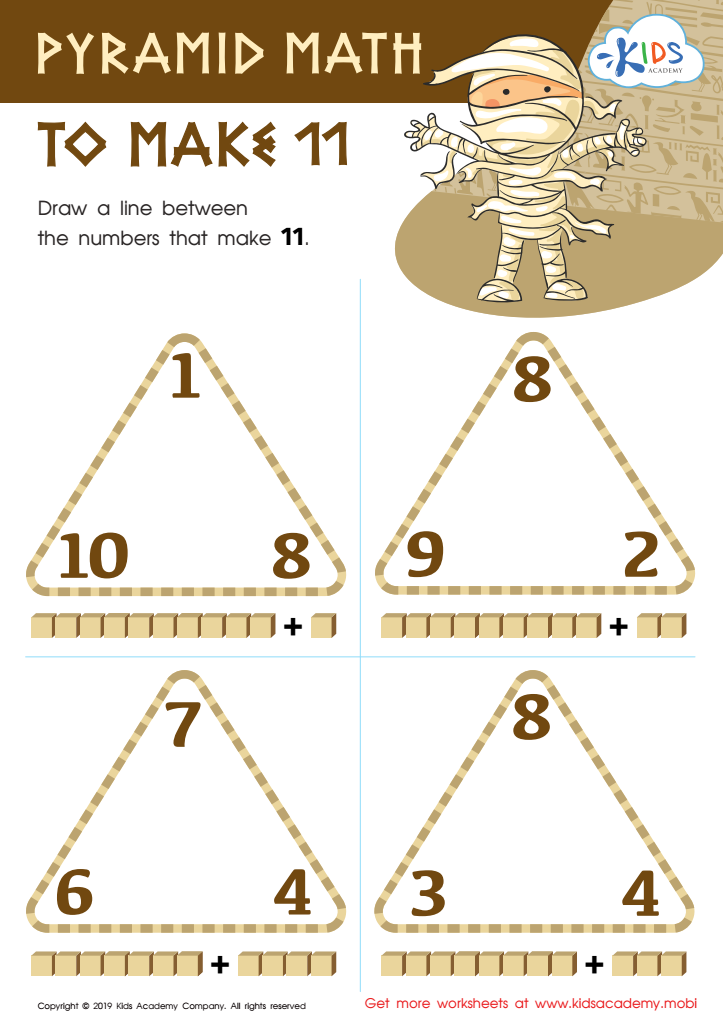
Pyramid Math to Make 11 Worksheet


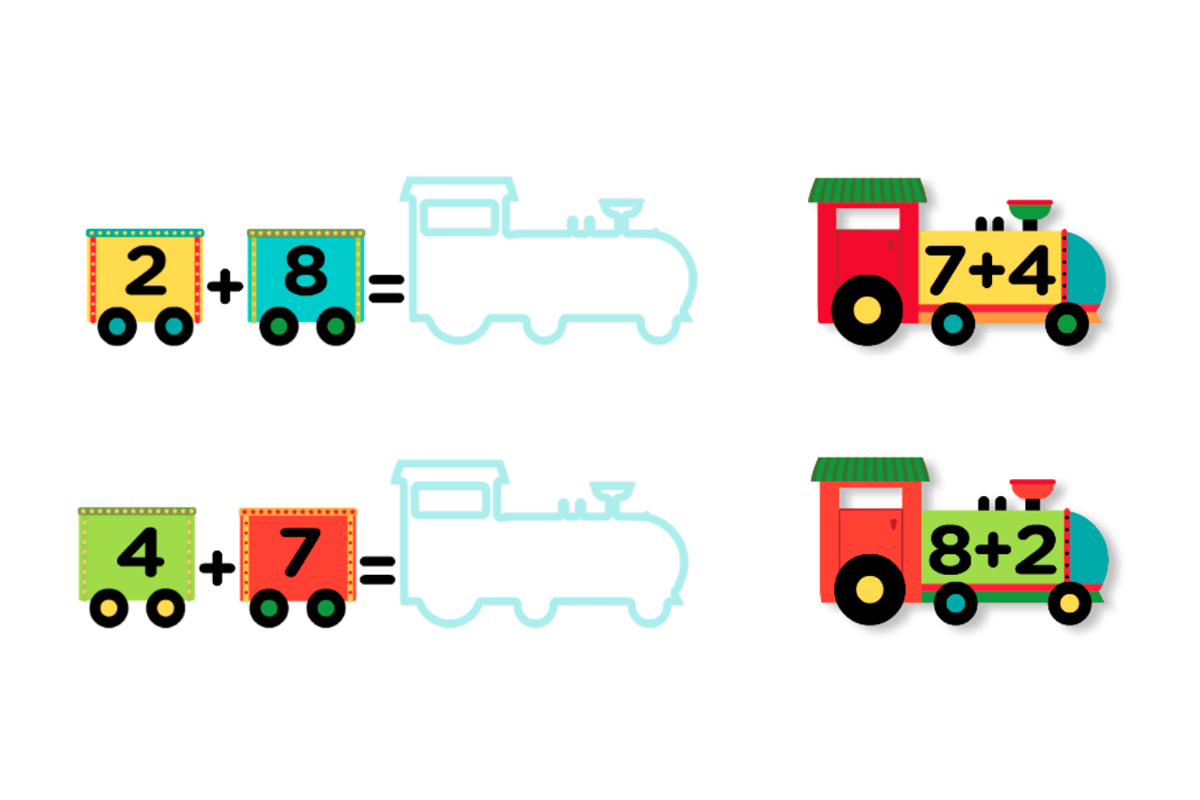

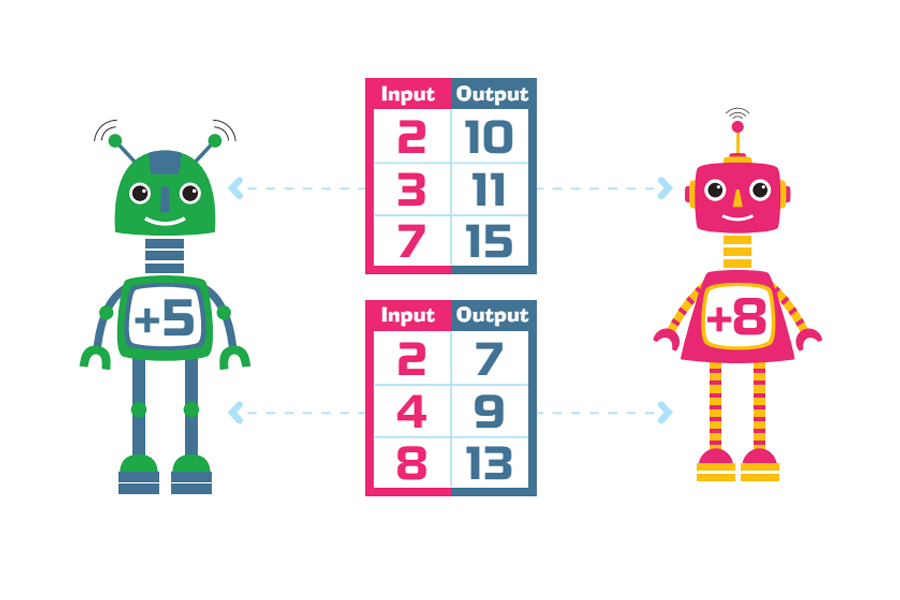



Parents and teachers should prioritize addition and subtraction practice for children aged 4-9 because these skills form the bedrock of mathematical understanding and problem-solving. During these formative years, children's brains are highly receptive to learning new concepts, making it an ideal time to introduce basic arithmetic. Mastery of addition and subtraction is not only critical for future academic success in mathematics but also essential for everyday life skills.
Practicing these skills strengthens cognitive functions such as memory, attention, and logical thinking. It enables children to approach more complex math topics with confidence, fostering a positive attitude towards learning. Additionally, grasping these foundational concepts early can prevent math anxiety, which is known to hinder academic performance and self-esteem.
Furthermore, integrating addition and subtraction in everyday activities—like counting toys, adding scores in games, or simple DIY projects—makes learning engaging and practical. This helps children see the relevance of math in their daily lives, enhancing their motivation and interest.
In nutshell, consistent practice in addition and subtraction equips children with essential tools for both academic achievement and practical problem-solving, nurturing a lifelong competency in mathematics. This foundational understanding empowers them, building a stronger, more innovative future generation.








