Basic Math Skills Normal Comparing Numbers Worksheets for Ages 4-9
5 filtered results
Difficulty Level
Grade
Age
-
From - To
Subject
Activity
Standards
Enhance your child's foundational math abilities with our Basic Math Skills Comparing Numbers Worksheets, perfect for ages 4-9! These interactive sheets are designed to help young learners grasp the concept of comparing numbers effortlessly. With fun and engaging exercises, children practice identifying which numbers are greater than, less than, or equal to others. Each worksheet is catered to varying skill levels, ensuring gradual and confident mastery. Download today from Kids Academy and give your child the tools they need to excel in math, setting a strong foundation for future learning and academic success.
Favorites
With answer key
Interactive
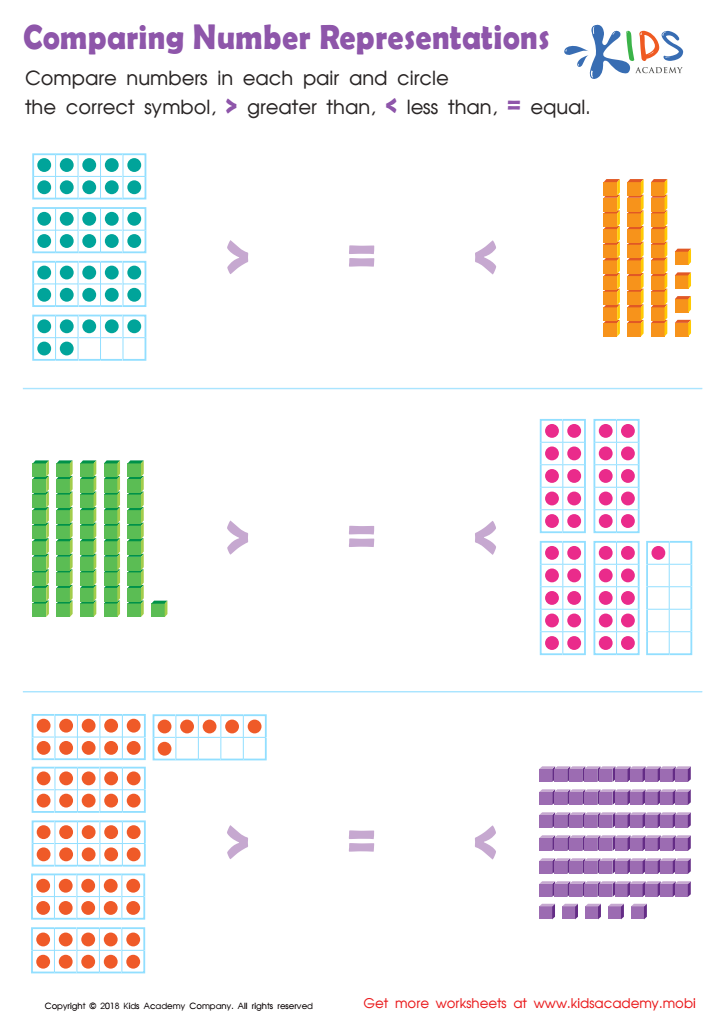
Comparing Number Representations Worksheet
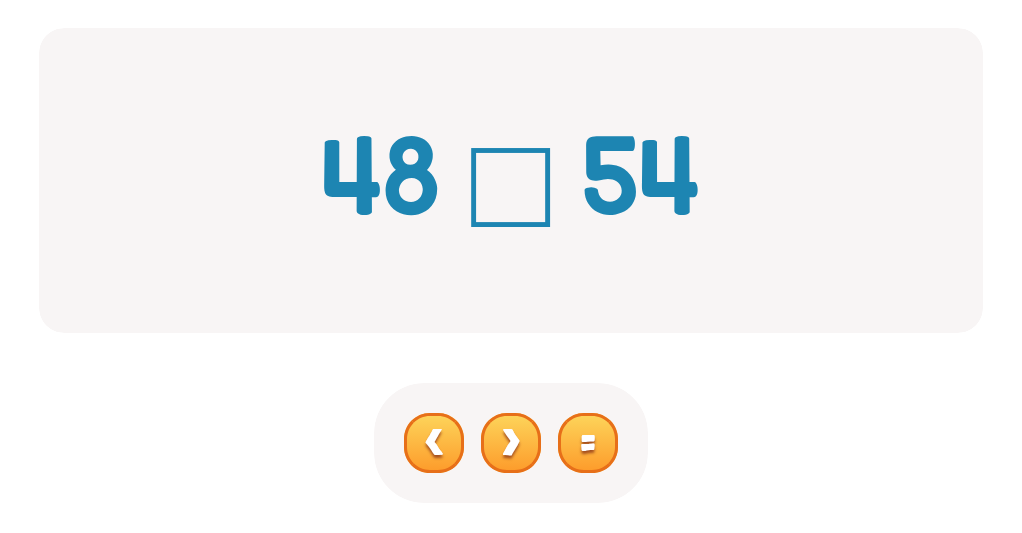
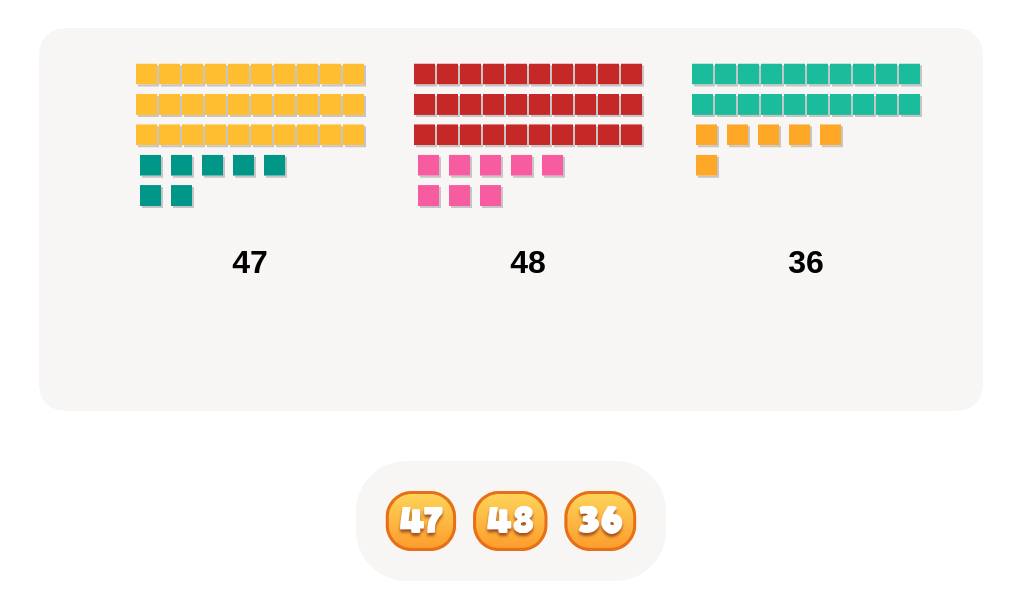
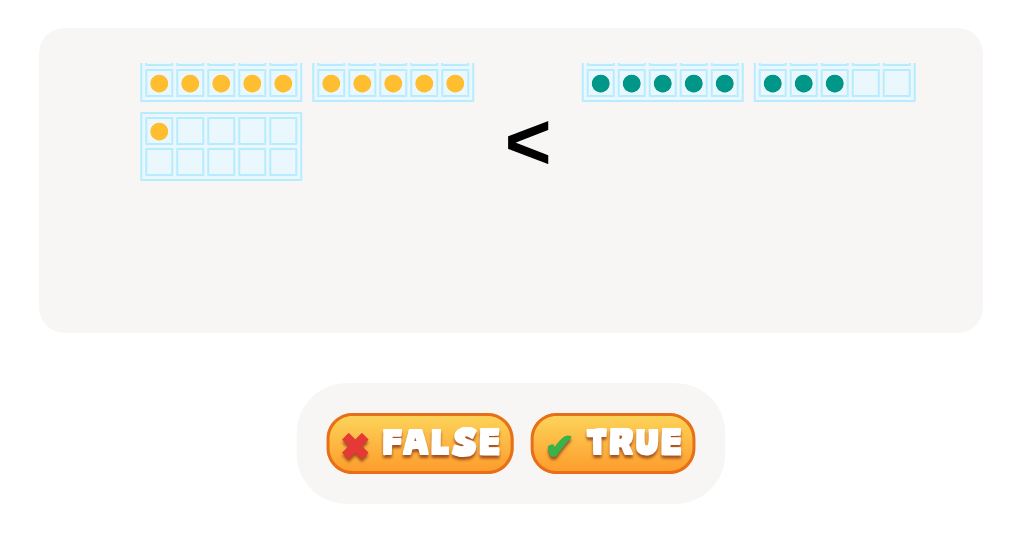
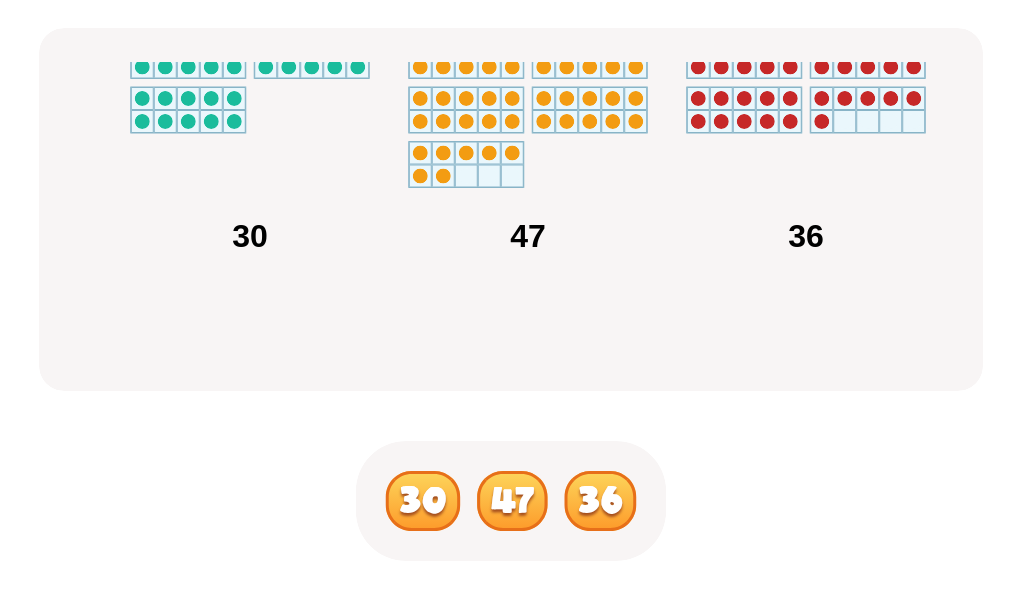
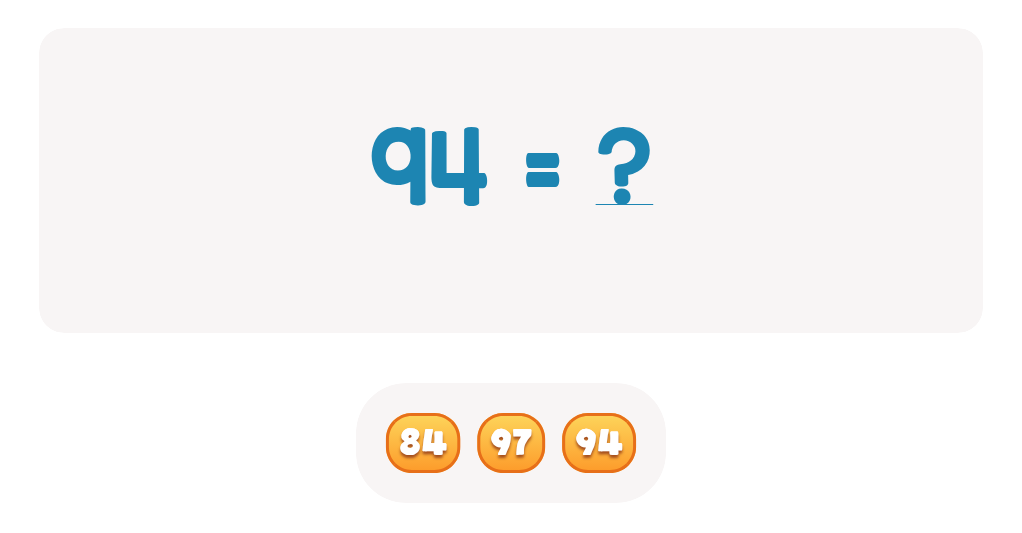
Children need number representation skills to develop efficient computation and number sense. This free worksheet gives them practice with ten frames and place value blocks. They compare numbers and select the right comparative symbol: <, > or =. This helps them build a solid foundation for math.
 Assign to My Students
Comparing Number Representations Worksheet
Worksheet
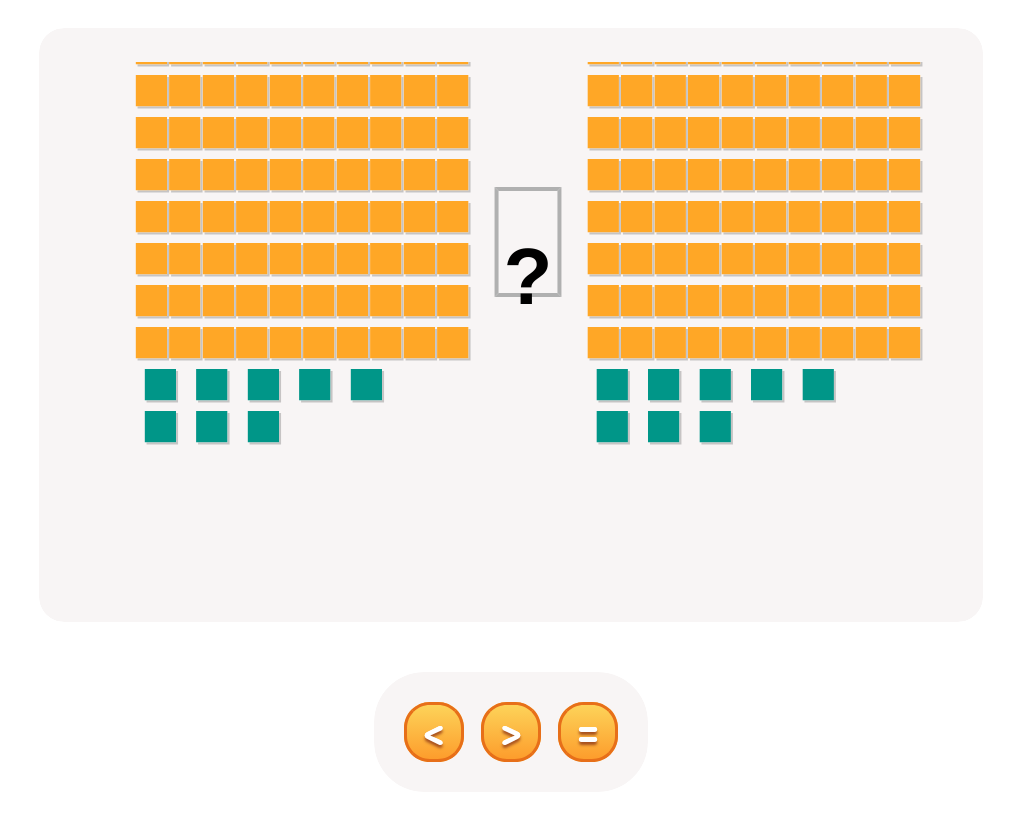

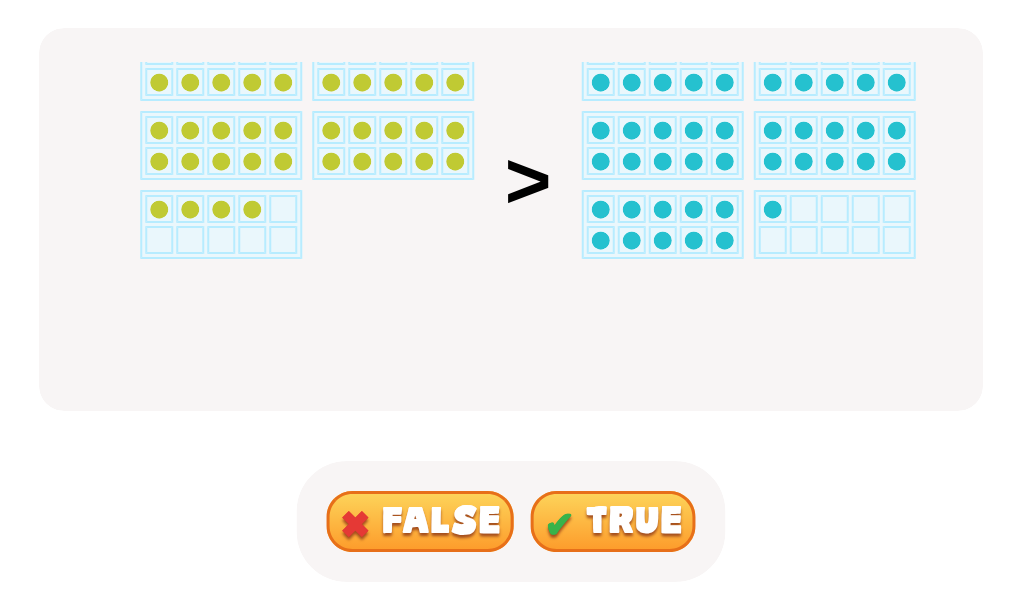
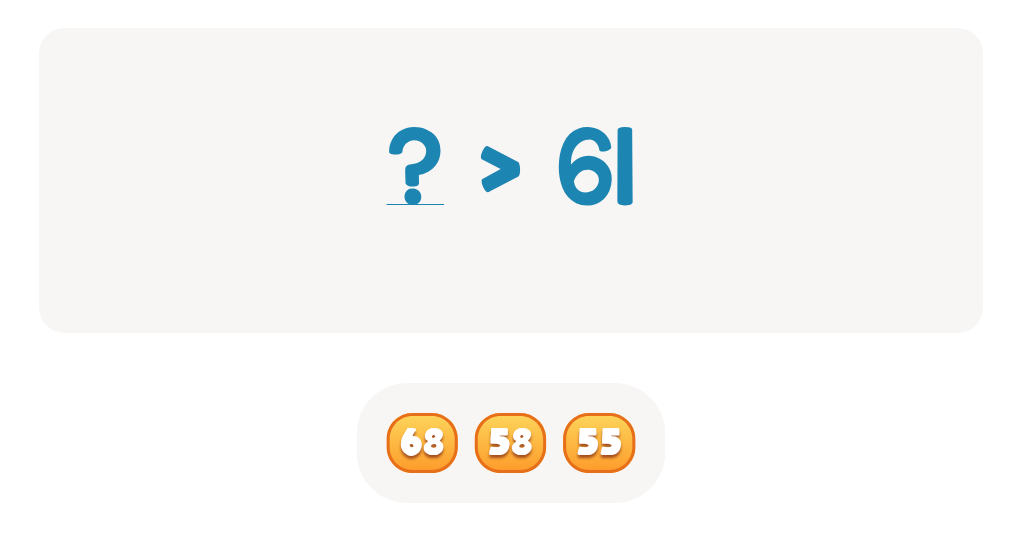
Comparing Numbers Worksheet for 2nd Grade
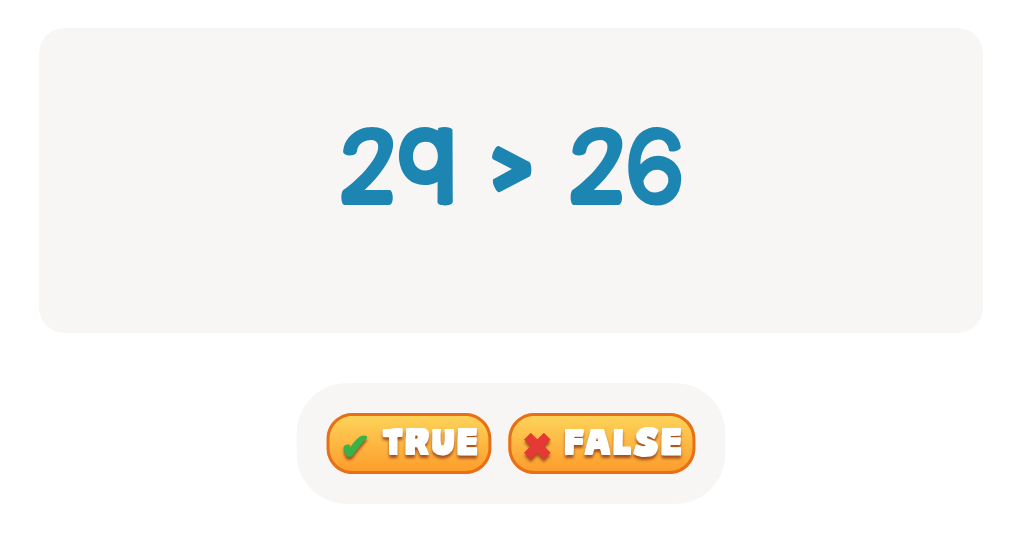
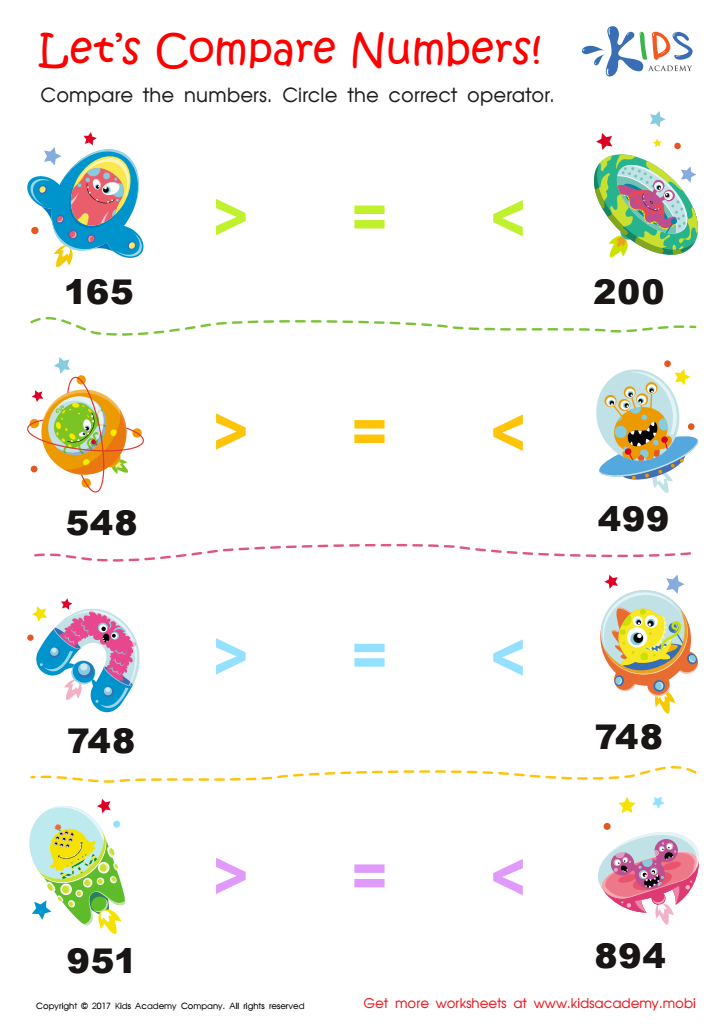
Alien friends are back to help your child learn to compare numbers using >, < and = symbols. This 2nd grade worksheet will challenge them with larger numbers!
Comparing Numbers Worksheet for 2nd Grade
Worksheet
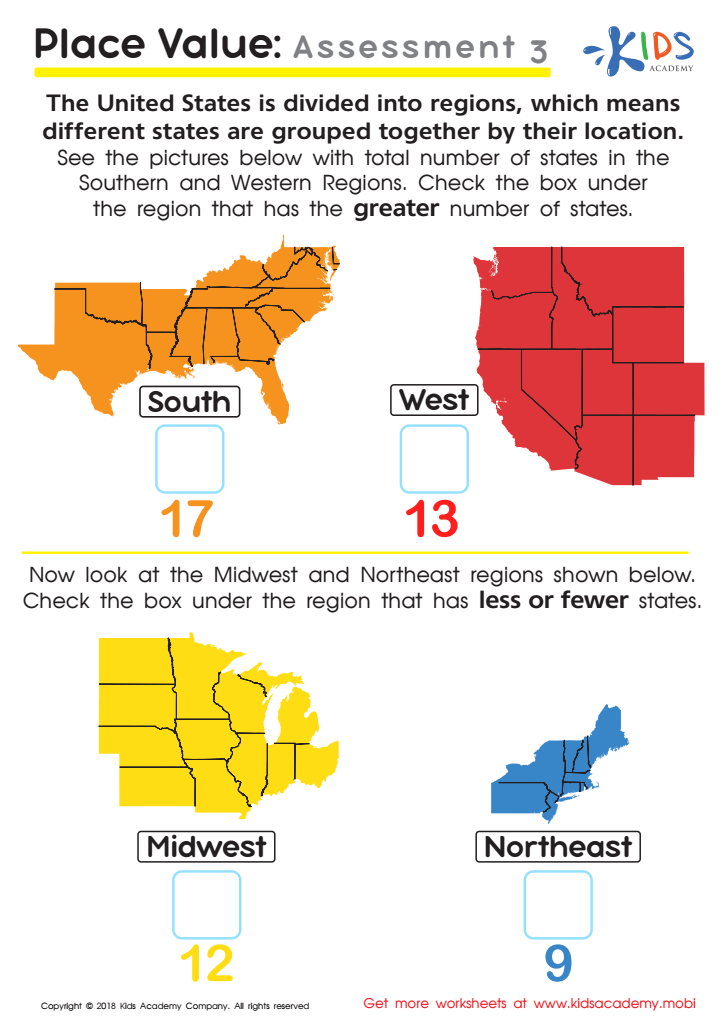
Place Value: Assessment 3 Worksheet
Test your child's math skills without them realizing it! This fun worksheet looks at the states and regions of the U.S. and your child can compare numbers greater or lesser than the other. It's the perfect way to assess your child's number sense without them knowing.
Place Value: Assessment 3 Worksheet
Worksheet
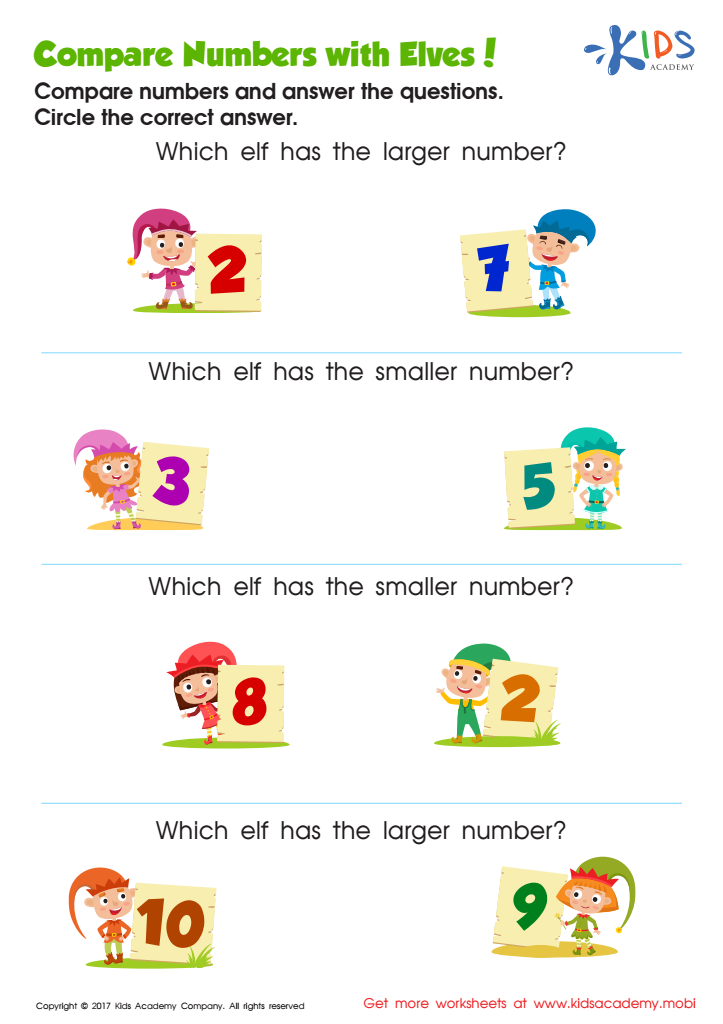
Comparing Numbers Worksheet for Kindergarten
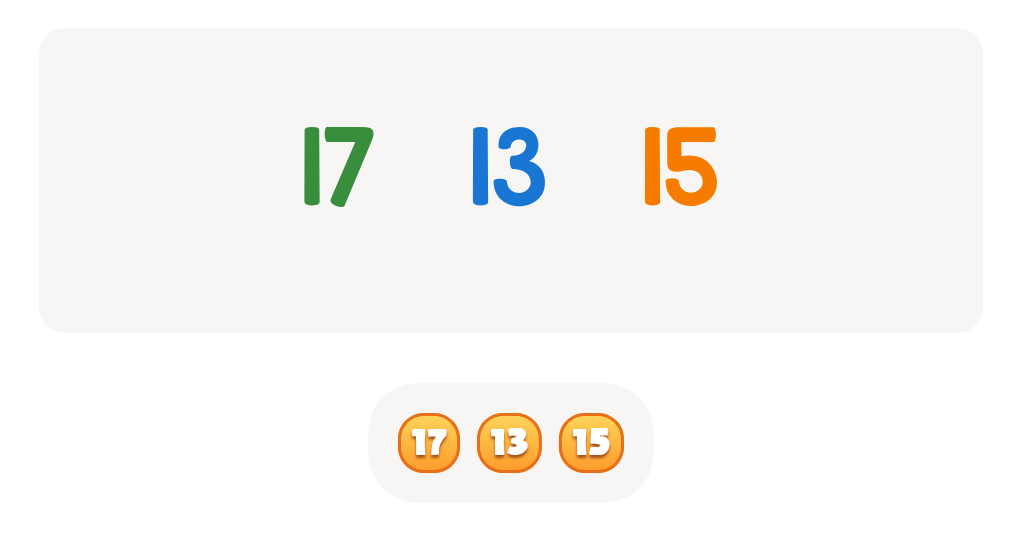
Your child will love helping Santa's elves compare numbers with this fun worksheet for kindergarten! They must determine which number is bigger or smaller then circle the answer. It's a great activity for Christmas or any time!
Comparing Numbers Worksheet for Kindergarten
Worksheet
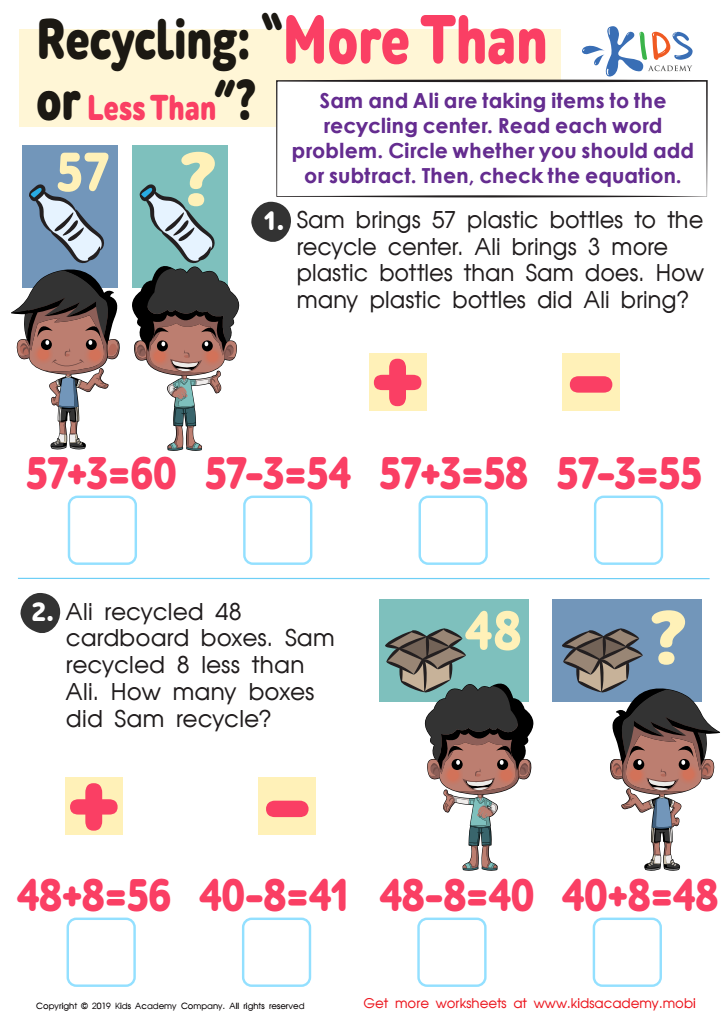
Recycling - More or Less Worksheet
Your child can compare numbers and solve word problems with this free worksheet. Help them understand what's being asked as Sam and Ali take items to the recycling center. They can choose the correct equation to match the word problem and apply their skills in reading and pulling out the appropriate information.
Recycling - More or Less Worksheet
Worksheet
Join Kids Academy for Free
Who is primarily going to use this learning content?


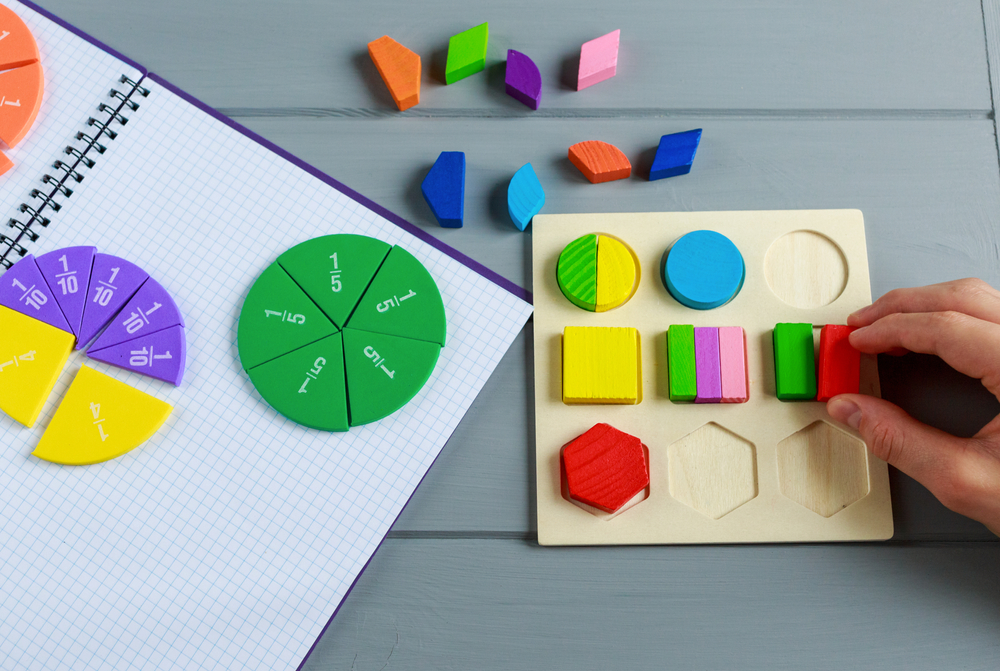





Parents and teachers should prioritize the development of basic math skills, including normal comparing numbers, for children aged 4-9 because these form the foundation of numerical understanding that is essential for future academic success. During these formative years, children absorb and consolidate fundamental concepts that shape their cognitive development and problem-solving abilities. Comparing numbers helps young learners comprehend the concepts of greater than, less than, and equality, which are foundational to arithmetic and related mathematical operations.
These skills are not only crucial for math-specific subjects but also play a significant role in everyday activities and decision-making processes, such as understanding time, handling money, and measuring quantities. By mastering basic comparing skills early on, children develop their critical thinking and logical reasoning, qualities that are transferable to other domains of learning.
Moreover, fostering an environment where math is seen as enjoyable and rewarding at an early age can help prevent math anxiety, making children more confident and willing to tackle more complex problems as they grow. Early interventions that emphasize basic math skills enable children to engage more fully with advanced concepts later, thereby contributing to a well-rounded education and better opportunities in both their academic and personal lives.