Fine Motor Skills Normal Counting Worksheets for Ages 4-9
3 filtered results
-
From - To
Enhance your child's learning with our Fine Motor Skills Normal Counting Worksheets for ages 4-9, expertly designed to marry motor skill improvement with counting practice. These engaging worksheets not only help children count with confidence but also encourage the development of crucial fine motor skills through activities like tracing, drawing, and cutting. Perfect for young learners, our worksheets provide an interactive, fun-filled way to build foundational math abilities while refining hand-eye coordination and dexterity. Ideal for use at home or in the classroom, they ensure your child’s academic and physical skills grow hand-in-hand. Explore our collection today!

8 Petals Worksheet
 Assign to My Students




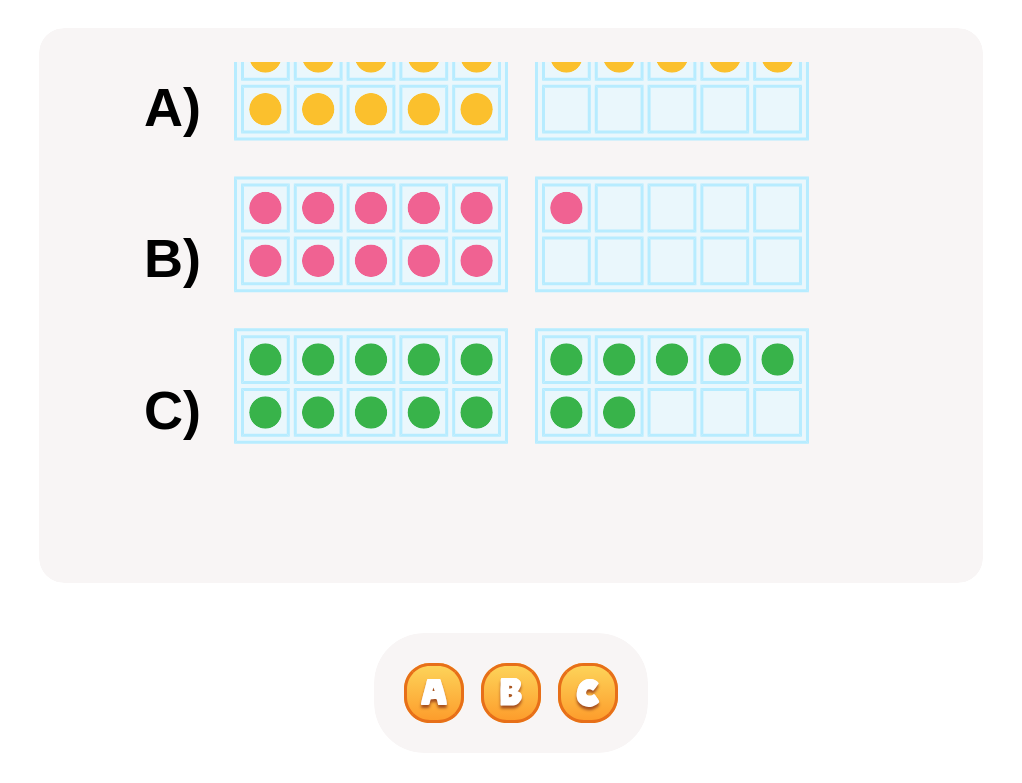


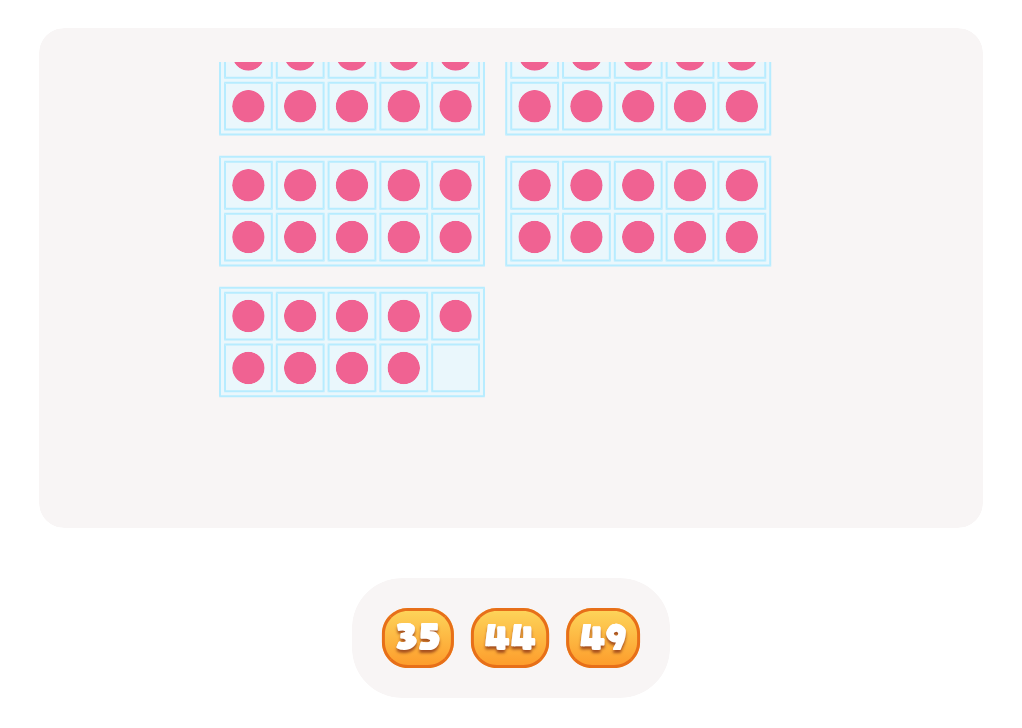

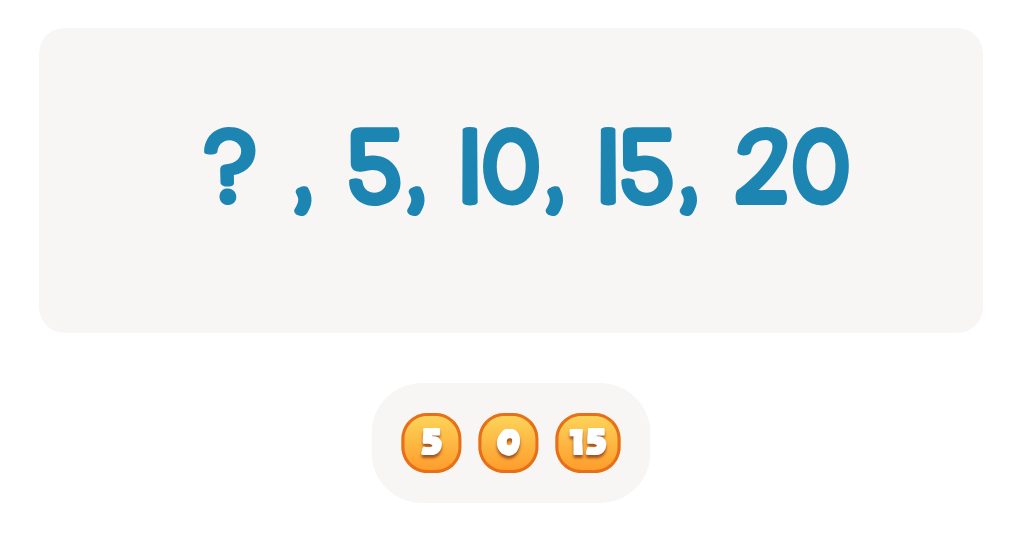


Ten Spots Worksheet
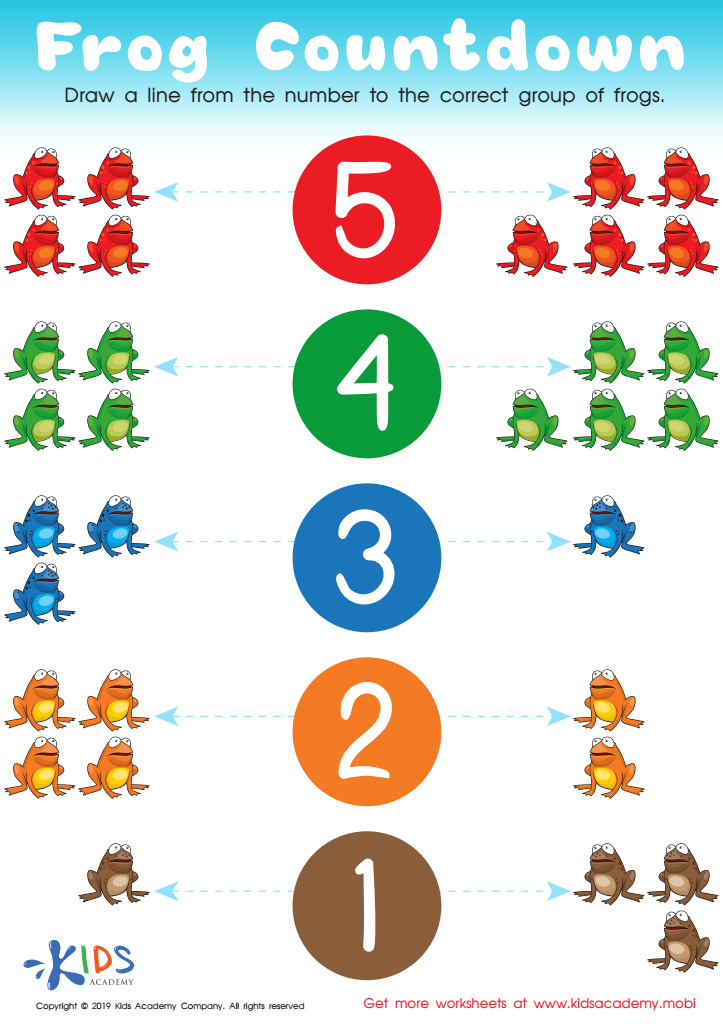
Frog Countdown Worksheet








Fine motor skills and normal counting abilities are foundational pillars in the developmental milestones of children aged 4-9. These early skills influence a child's overall academic and social success. Fine motor skills involve the small muscles in the hands and fingers, which are vital for tasks like writing, cutting with scissors, buttoning clothes, and even tying shoelaces. Strong fine motor skills enable children to perform these tasks with greater independence, boosting their confidence and self-esteem. Early development of these skills is directly linked to better handwriting, which can impact academic achievement, as clear and legible writing is crucial for effective communication in a classroom setting.
Normal counting skills are equally essential, serving as the building blocks for more complex mathematical concepts. Children who master counting are better prepared to understand and perform tasks involving addition, subtraction, patterns, and problem-solving. These early math skills are often predictive of later academic success, and a strong foundation in math can open doors to various career opportunities in fields such as science, technology, and engineering.
Furthermore, fine motor and counting skills enhance a child's cognitive abilities, including focus, memory, and processing speed. Hence, parents and teachers should give these developmental areas special attention to provide children with a robust foundation for their future educational journeys.








