Color Identification Normal Numbers Worksheets for Ages 4-9
4 filtered results
-
From - To
Unlock your child's potential with our engaging "Color Identification Normal Numbers Worksheets" designed for ages 4-9. These worksheets combine vibrant colors with essential number recognition skills, making learning both fun and effective. Children will delight in identifying colors while practicing counting and number formation. The interactive activities help develop fine motor skills and cognitive abilities, fostering a strong foundation in math. Perfect for homeschooling or classroom use, our printable resources cater to various learning styles and levels. Empower your child to explore the world of numbers through creativity and play! Start their educational journey with our colorful, interactive worksheets today!
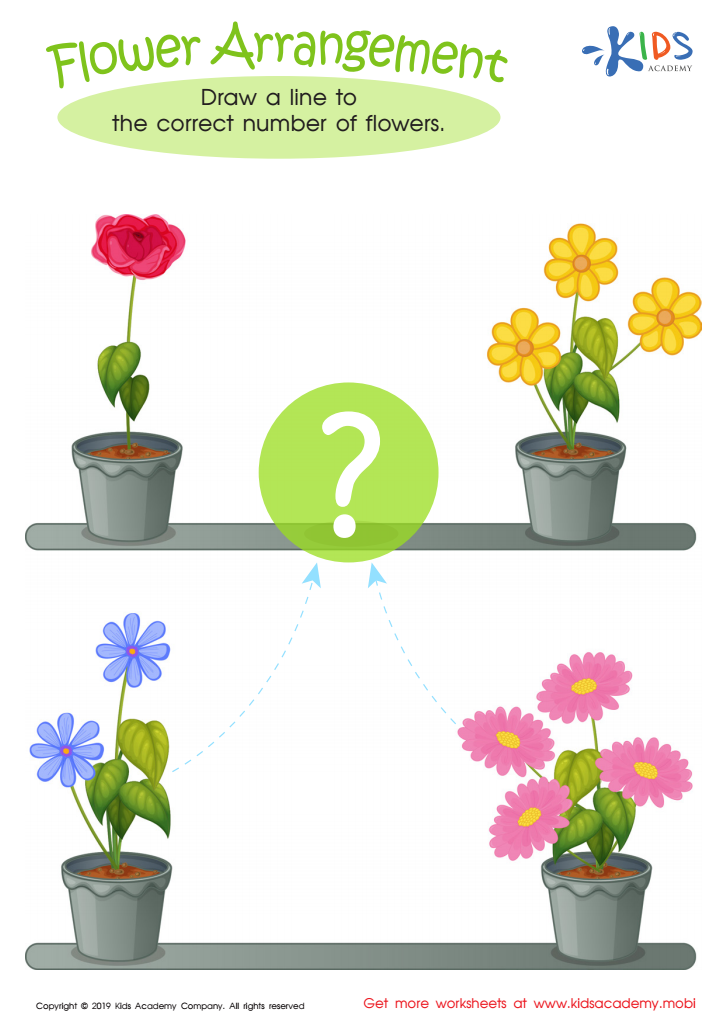
Flower Arrangement Worksheet
 Assign to My Students
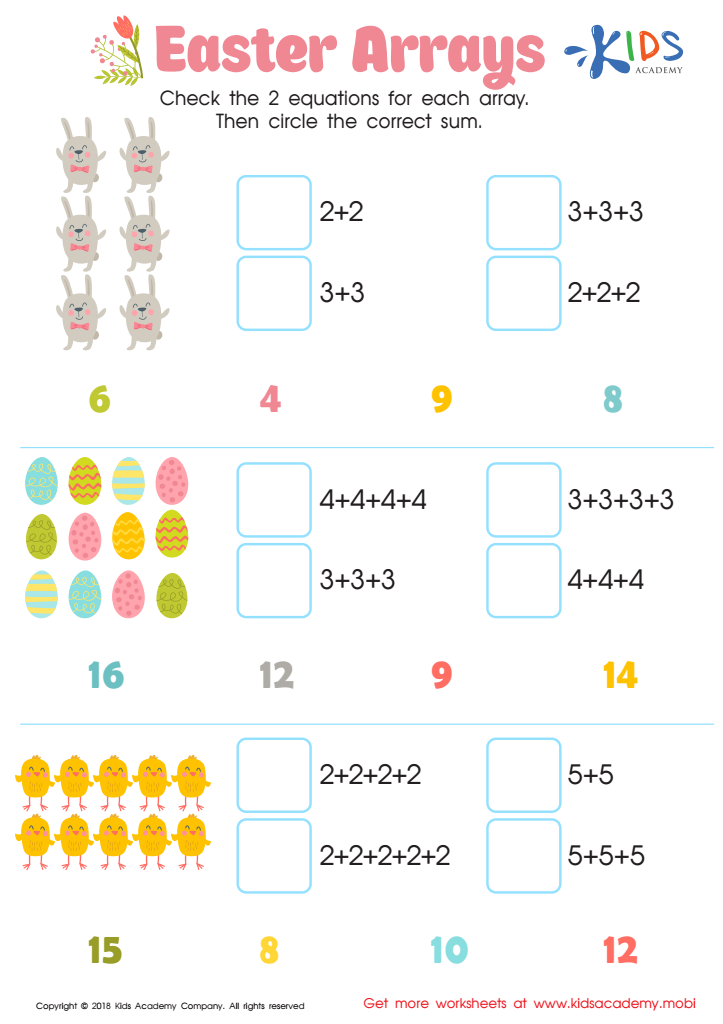
Easter Arrays Worksheet
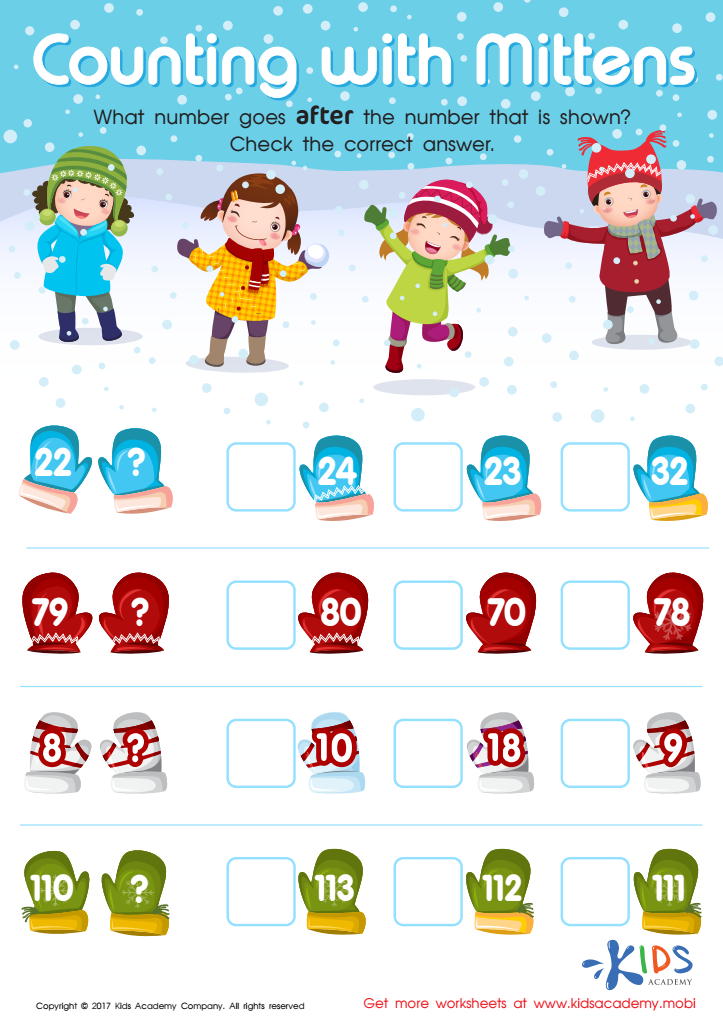
Counting with Mittens Worksheet
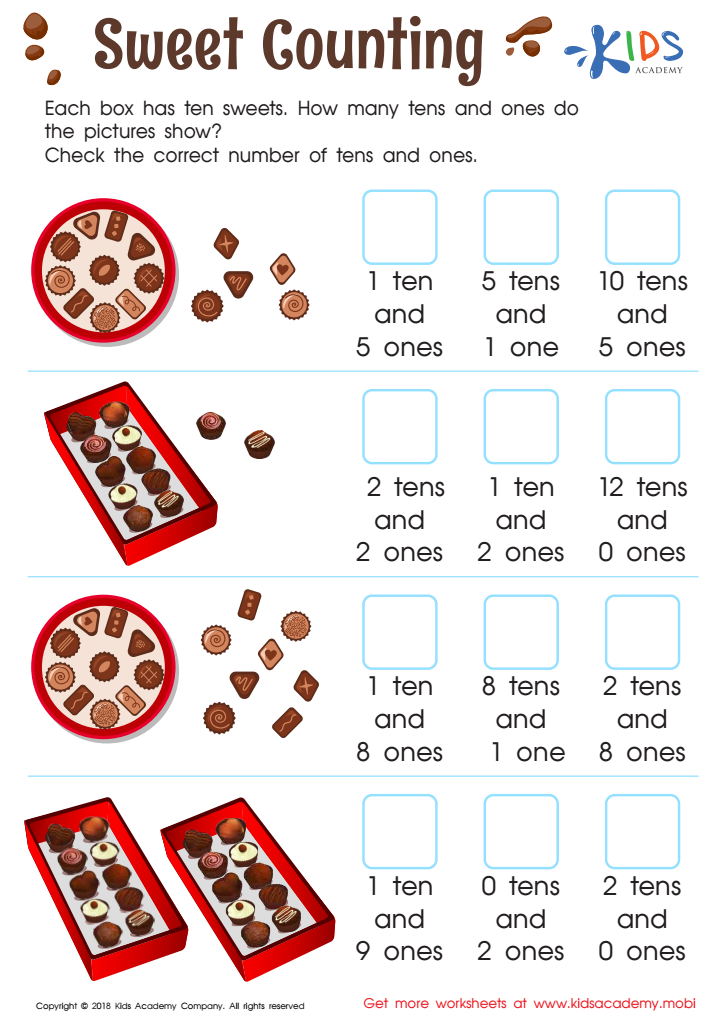
Sweet Counting - Part 2 Worksheet








Color identification and understanding normal numbers are essential building blocks for young children's cognitive development. For parents and teachers, fostering these skills between ages 4 to 9 is crucial for several reasons.
Firstly, color identification is not just about recognizing colors; it aids in the development of language and communication skills. When children learn to name colors, they enhance their vocabulary, which is fundamental for effective expression and comprehension. Furthermore, identifying colors can also support memory and attention skills, as children learn to group and categorize different shades.
Understanding normal numbers—like counting, recognizing sequences, and basic arithmetic—serves as a foundation for mathematical literacy. These skills improve critical thinking and problem-solving abilities, which are vital in everyday life and academic pursuits. Mastering number concepts during these formative years prepares children for more advanced math, ensuring they don't struggle as they progress through school.
Moreover, engaging children in activities focused on colors and numbers is an excellent way for parents and teachers to connect with them, making learning fun and interactive. As these skills are intertwined with broader educational development, prioritizing them helps cultivate confident, capable learners ready for future challenges.








