Understanding patterns Normal Numbers Worksheets for Ages 4-9
4 filtered results
-
From - To
Dive into our "Understanding Patterns Normal Numbers Worksheets" designed for children ages 4-9! These engaging worksheets are crafted to help young learners recognize and extend patterns through fun activities and visual aids. By exploring various pattern types, kids will build foundational math skills while enhancing their critical thinking abilities. Our resources encourage creativity and independent problem-solving, making learning enjoyable and effective. Ideal for both classroom and home use, these worksheets support early math education and prepare children for future academic success. Unlock the world of patterns today, and watch your child thrive as they master essential numeracy skills!
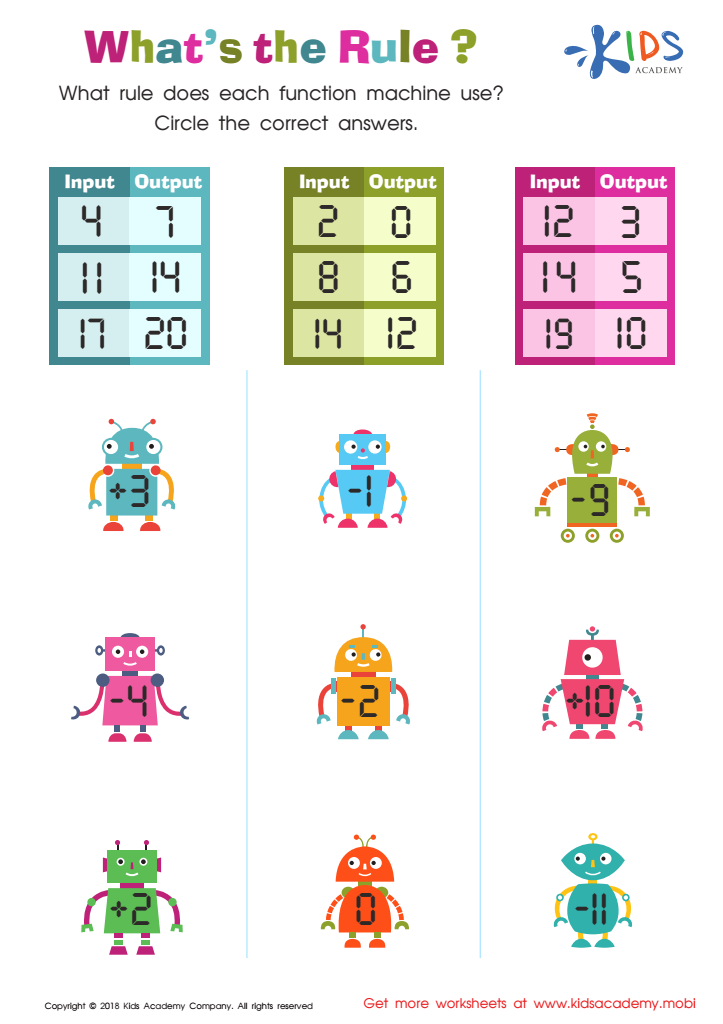
What's the Rule Worksheet
 Assign to My Students
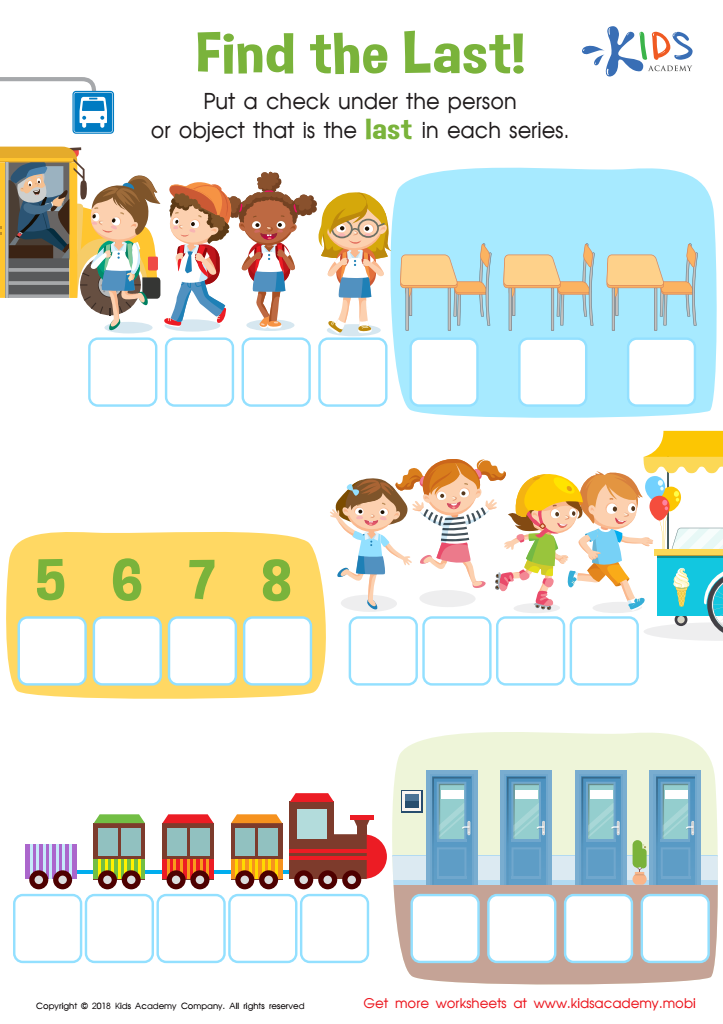
Find the Last! Worksheet
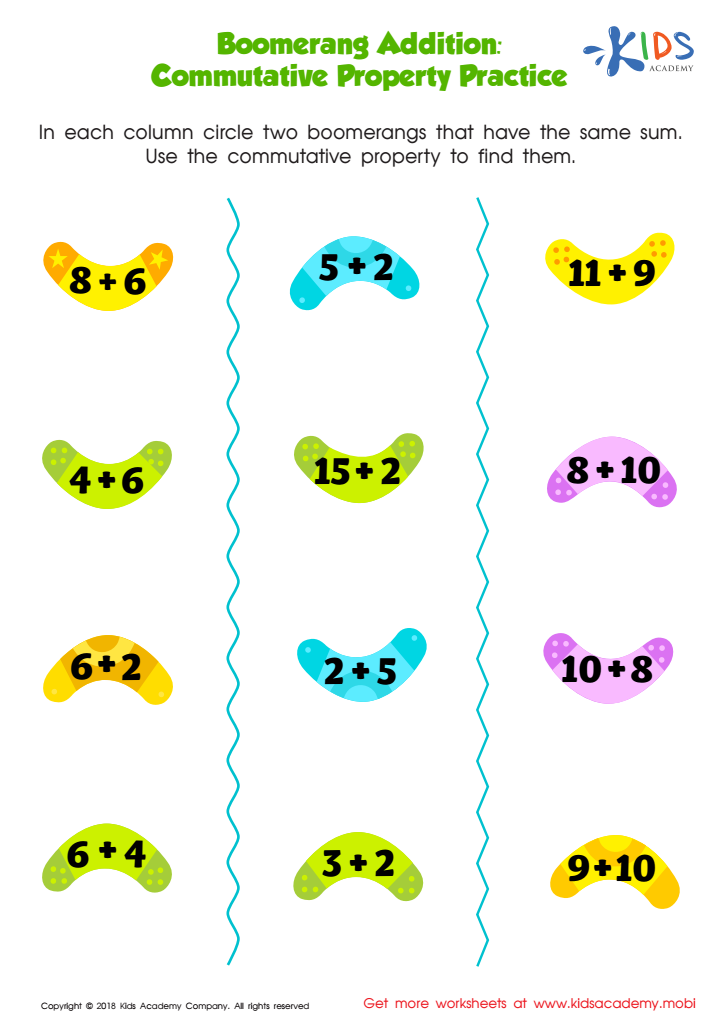
Boomerang Addition Worksheet
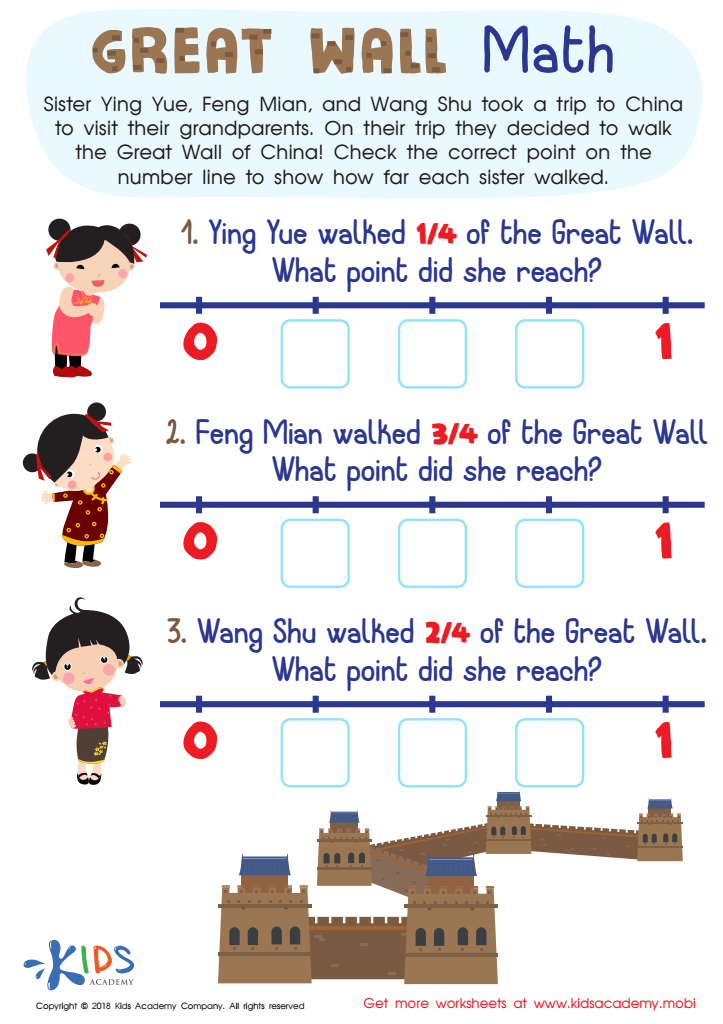
Great Wall Math Worksheet








Understanding patterns and normal numbers is crucial for children aged 4-9 as it lays the foundation for mathematical thinking and problem-solving skills. At this stage, children are naturally curious and capable of recognizing patterns in their environment, making it an ideal time to nurture their mathematical abilities. Patterns, such as shapes, colors, and numbers, help children develop critical analytical skills, enabling them to predict outcomes and identify similarities and differences.
Moreover, familiarizing children with normal numbers, or the everyday numerical facts they encounter, can enhance their understanding of quantity, order, and operations. This knowledge is essential for everyday activities, like counting, measuring, and budgeting. As children learn to recognize and extend patterns, they build a framework for more complex mathematics, including addition, subtraction, and eventually algebra.
For parents and teachers, supporting children's exploration of patterns and normal numbers can ignite a lifelong interest in math, improve their performance in school, and alleviate math anxiety. Engagement in pattern recognition games and activities can also foster collaborative learning experiences, promoting social skills and teamwork. Ultimately, investing time in this foundational stage of learning is key to cultivating confident, capable learners who view math not just as numbers, but as an integral part of their world.








