Basic Mathematics Normal Math Worksheets for Ages 4-9
5 filtered results
-
From - To
Explore our "Basic Mathematics Normal Math Worksheets for Ages 4-9," designed to make learning fundamental math skills engaging and effective. Tailored for young learners, these worksheets cover essential topics such as counting, addition, subtraction, and shape recognition. Each worksheet features colorful illustrations and interactive exercises that empower children to practice at their own pace. Perfect for home or classroom use, our resources promote foundational math proficiency while fostering a love for learning. With easy-to-follow instructions, our materials ensure that every child can build confidence in their math abilities. Unlock your child's mathematical potential today with our appealing worksheets!
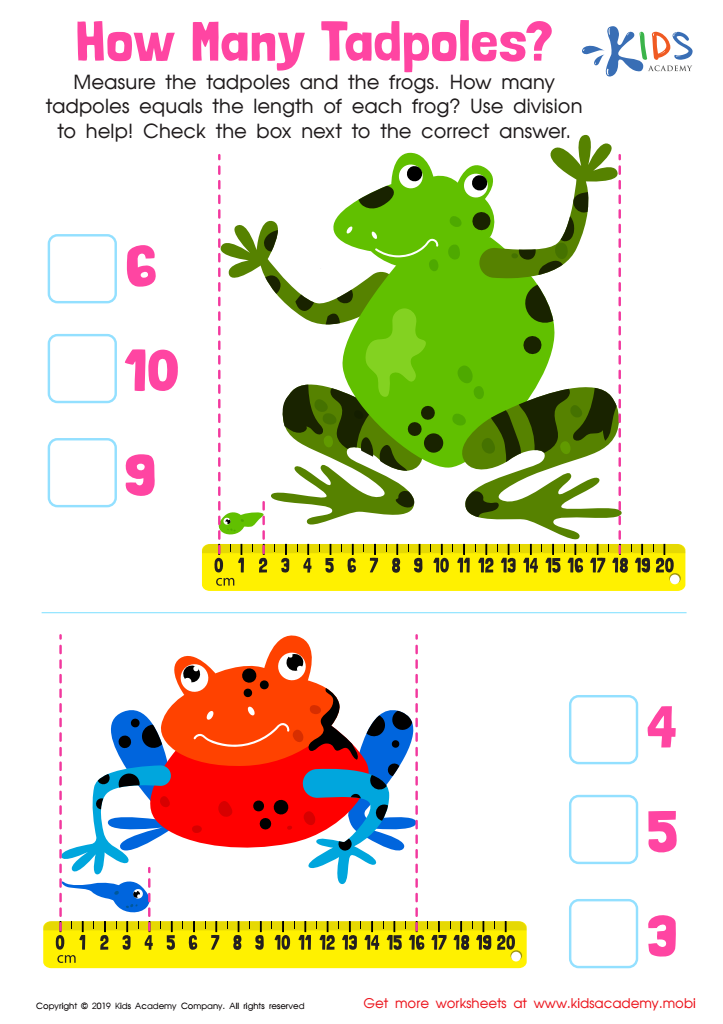
How Many Tadpoles Worksheet
 Assign to My Students
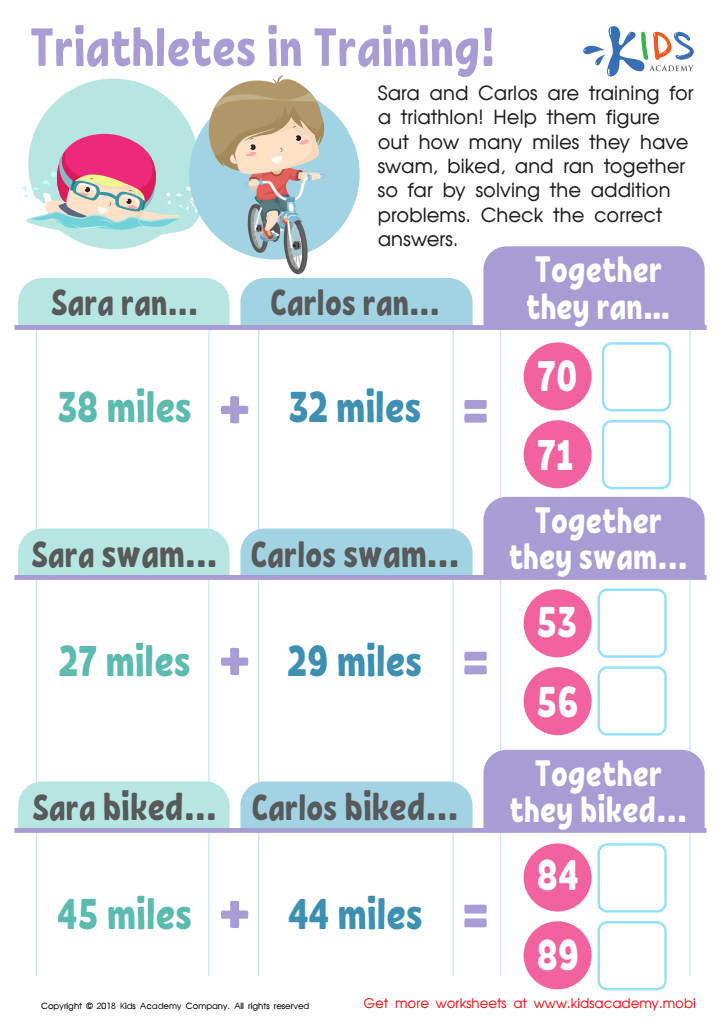
Triathletes in Training Worksheet
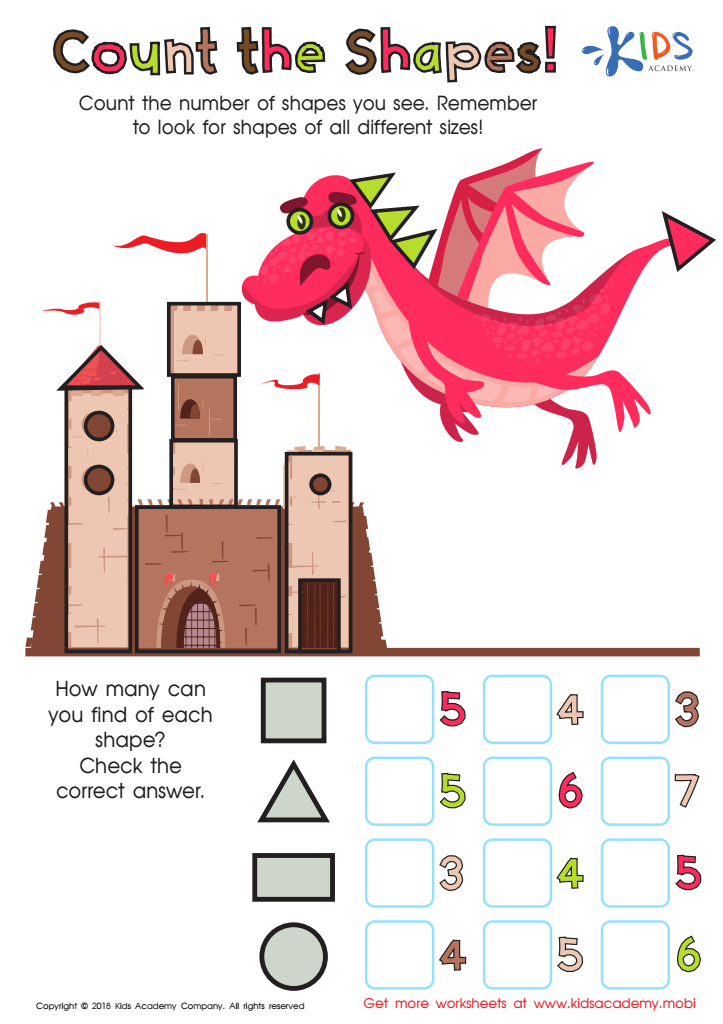
Count the Shapes Worksheet
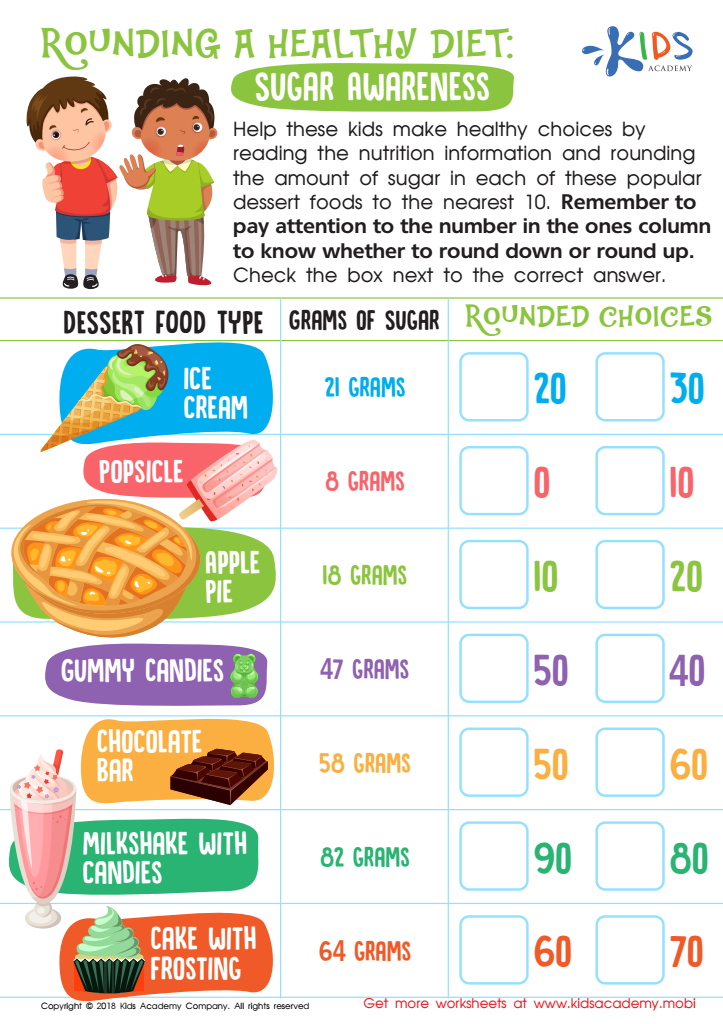
Rounding Healthy Diet Worksheet
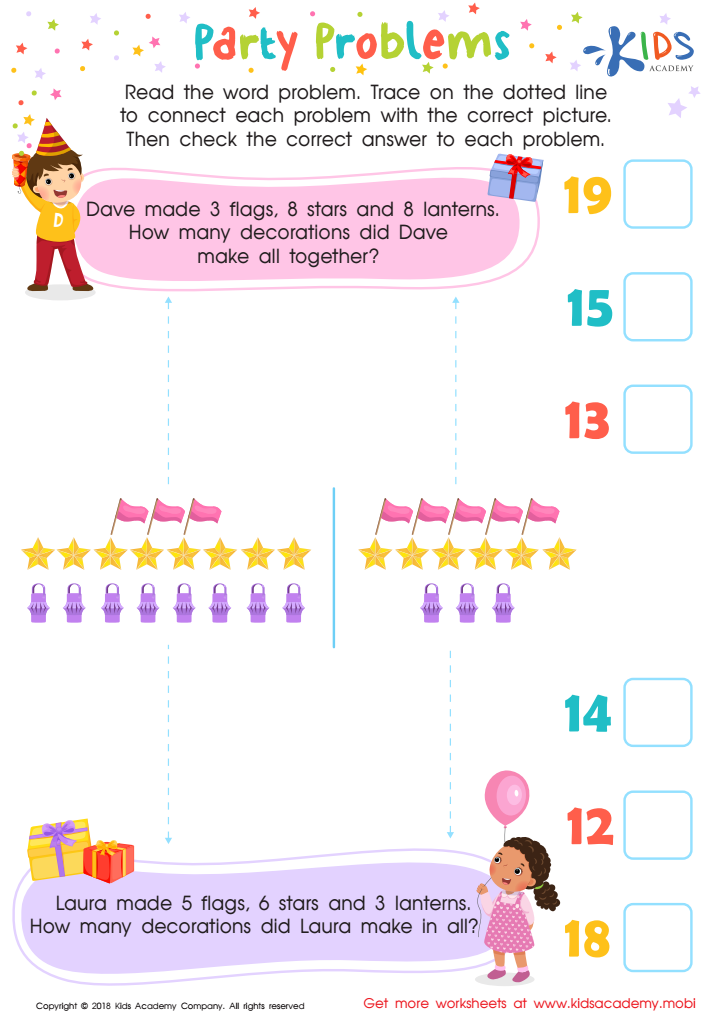
Party Problems Worksheet




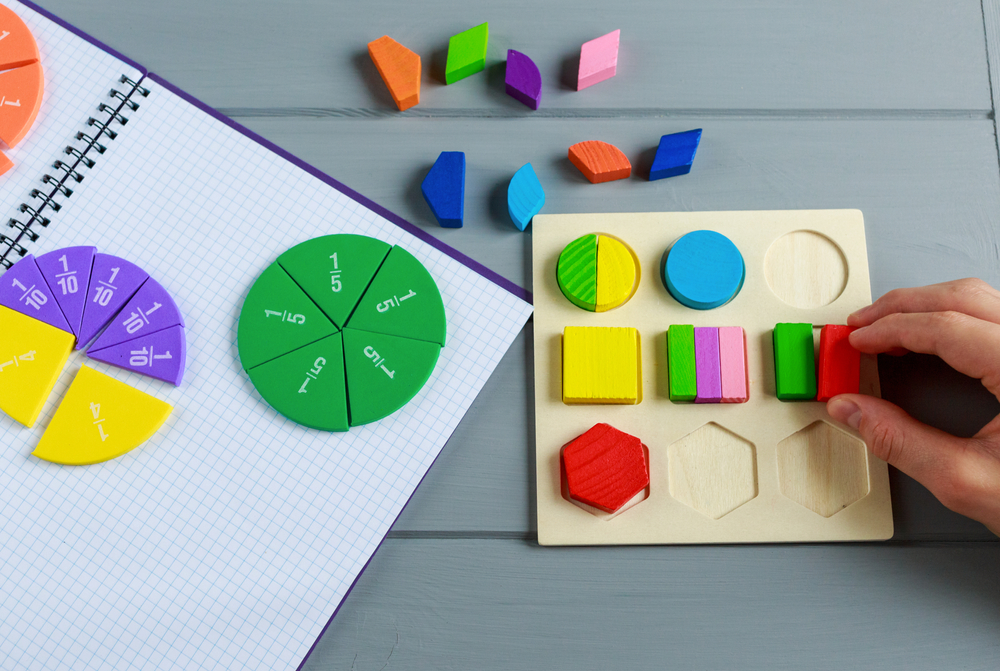

Parents and teachers play a crucial role in laying a strong foundation in mathematics for children aged 4-9. At this early stage, children are naturally curious and keen to explore numbers, shapes, and patterns. Engaging them in basic mathematics sets the stage for critical thinking and problem-solving skills that are vital as they progress through their education.
Understanding basic math concepts, such as addition, subtraction, and shapes, fosters a sense of achievement and confidence in young learners. These skills not only help with academic success but also promote logical reasoning necessary for everyday life situations, like budgeting or cooking. Integration of math into daily activities can make learning fun and interactive, encouraging children to ask questions and explore various solutions.
Moreover, a positive attitude towards math established in these formative years can counteract anxiety and fear of the subject later on. By ensuring a strong grounding in basic mathematics, parents and teachers empower children to approach more complex concepts in the future with confidence. Therefore, investing time and resources in developing basic math skills during this critical age range is essential for fostering a lifelong love for learning and nurturing capable, independent thinkers.








