Handwriting Skills Normal Math Worksheets for Ages 4-9
3 filtered results
-
From - To
Boost your child's handwriting and math skills with our expertly designed Normal Math Worksheets for Ages 4-9. Catering to young learners, these engaging worksheets reinforce essential math concepts while simultaneously improving handwriting capabilities. Each activity is tailored to be age-appropriate, ensuring both fun and effective learning. From number tracing and basic arithmetic to more advanced exercises, these worksheets help children build a solid mathematical foundation while enhancing their fine motor skills. Perfect for classroom use or at-home learning, our worksheets are a valuable resource for encouraging educational development in a supportive, enjoyable format.
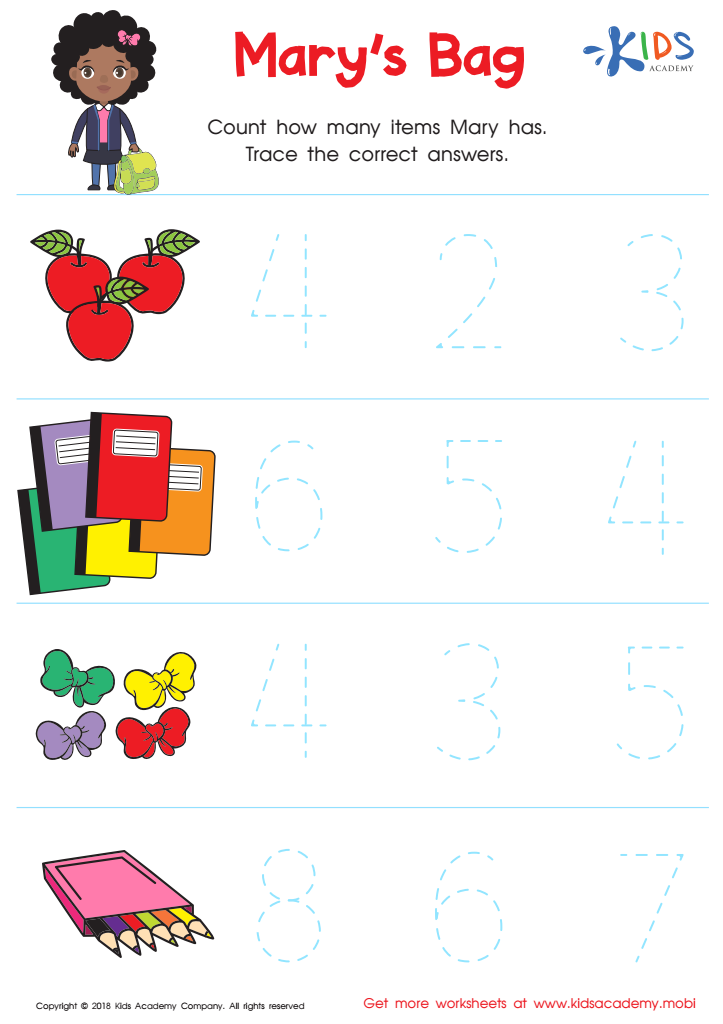
Kindergarten Number Tracing: Mary's Bag Worksheet
 Assign to My Students
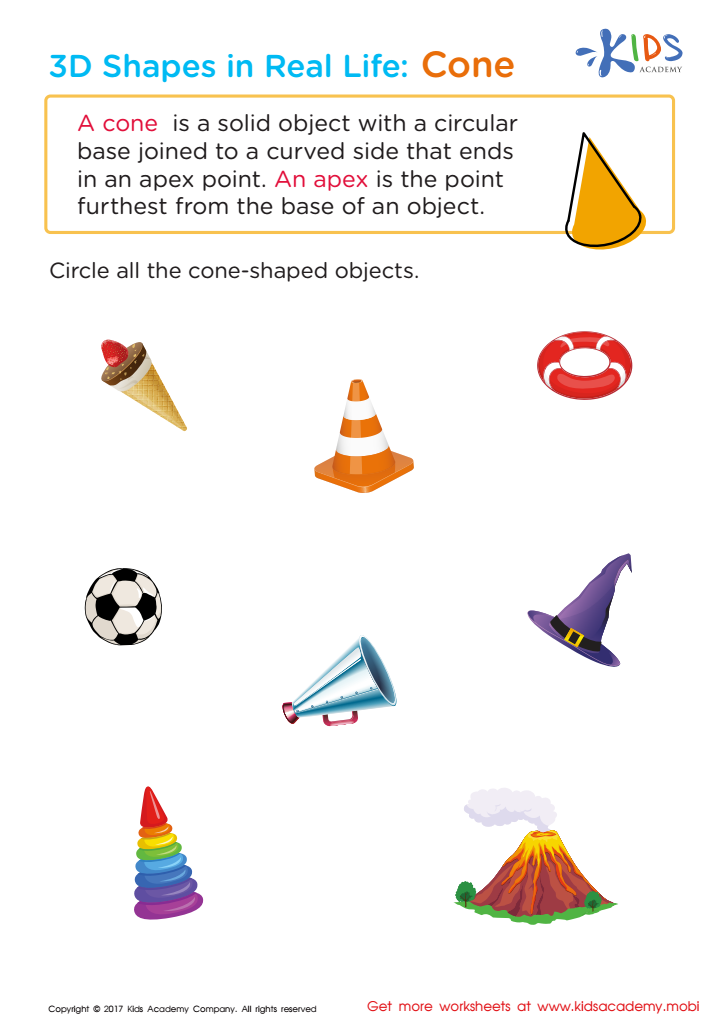
Shapes in Real Life: Cone Worksheet
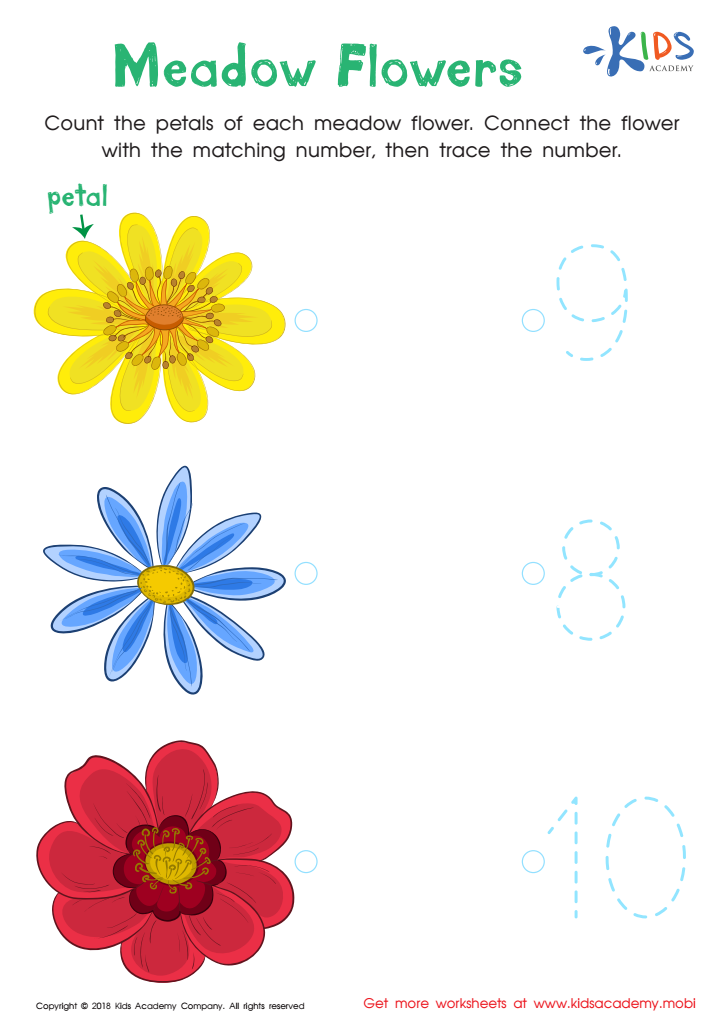
Kindergarten Number Tracing: Medow Flowers Worksheet








Handwriting skills are foundational for children aged 4-9 and play a crucial role in their overall academic and personal development. During these formative years, children’s fine motor skills are still developing, and practicing handwriting can significantly enhance these. Improved fine motor skills are closely linked to better hand-eye coordination and manual dexterity, which benefit other areas like drawing and even basic tasks like tying shoes or handling utensils.
Good handwriting skills are also essential for effective communication. When children can write clearly and legibly, they are better able to express their thoughts and ideas. This ability extends into other areas of education, including normal math. For instance, writing down numbers and arithmetic problems correctly is essential for understanding and solving mathematical tasks. Poor handwriting can lead to mistakes and misunderstandings, causing unnecessary frustration and impeding learning.
Moreover, the discipline of learning to write neatly instills patience and attention to detail in children. These traits can enhance their concentration levels and perseverance across various subjects, not just math. Encouraging good handwriting habits early can set a strong foundation for future academic success, making it a vital focus for parents and teachers alike. Investing time and effort in handwriting skills pays off in holistic development, academic performance, and self-confidence for young learners.








