Understanding Quantities Normal Math Worksheets for Ages 4-9
3 filtered results
-
From - To
Discover our engaging "Understanding Quantities Normal Math Worksheets" designed for children aged 4-9. These worksheets help young learners grasp fundamental concepts of quantity recognition and comparison, reinforcing their mathematical skills in a fun and interactive way. With a variety of activities tailored to different learning styles, kids will enjoy practicing counting, sorting, and grouping objects. Our carefully crafted exercises encourage critical thinking and problem-solving, laying a strong foundation for future math success. Ideal for use at home or in the classroom, these worksheets make learning math enjoyable and accessible. Boost your child's confidence in numbers with our comprehensive resources today!
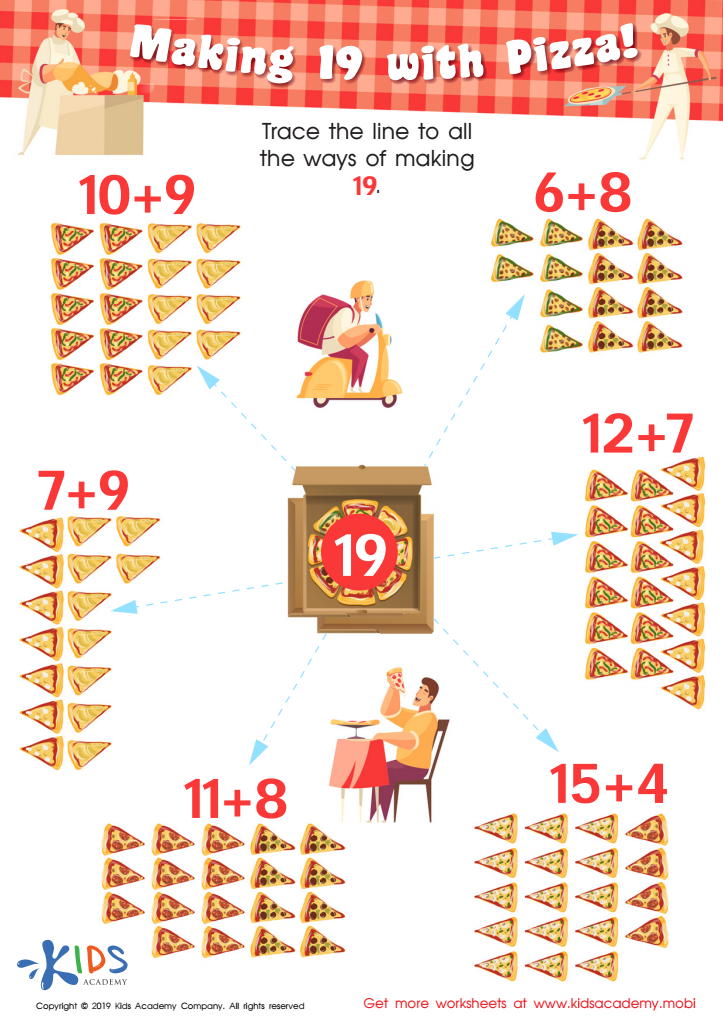
Making 19 with Pizza! Worksheet
 Assign to My Students
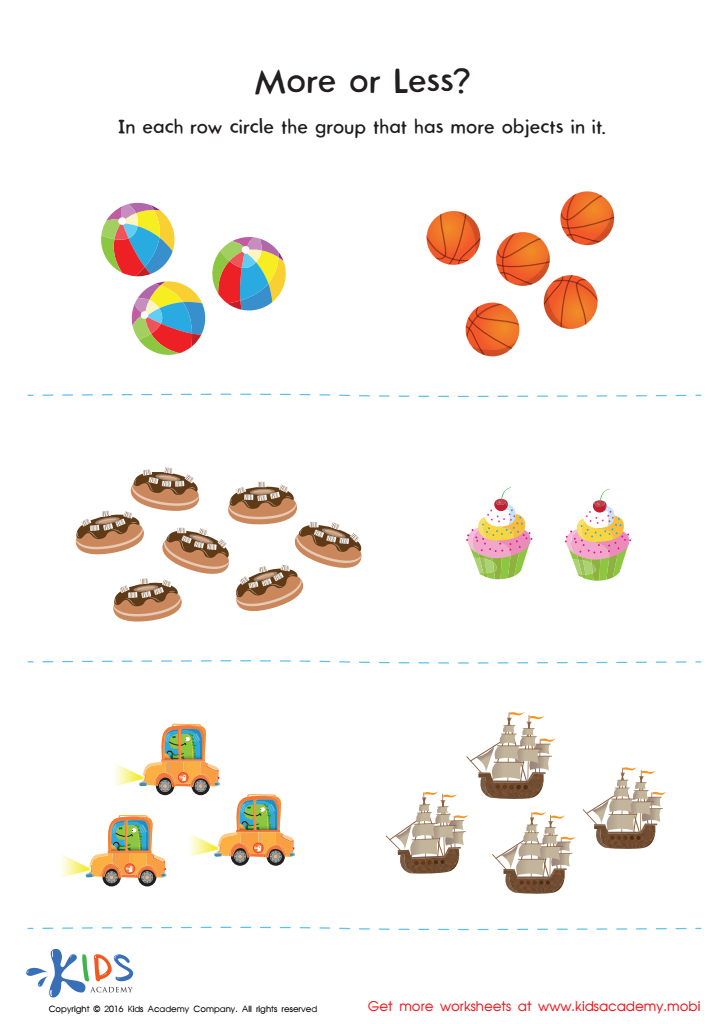
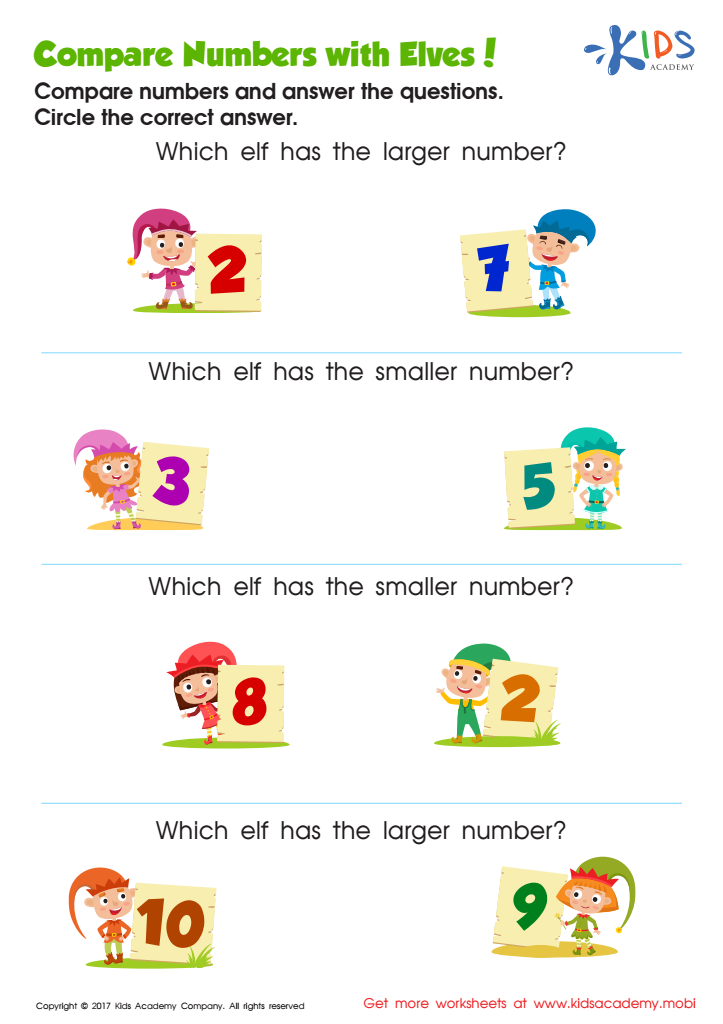
Comparing Numbers Worksheet for Kindergarten




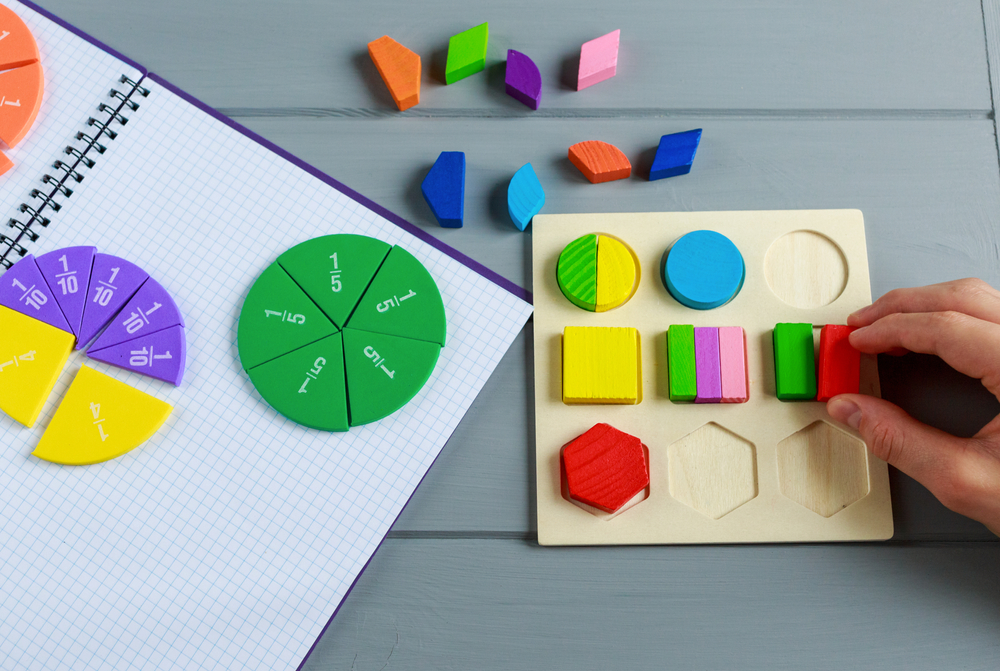
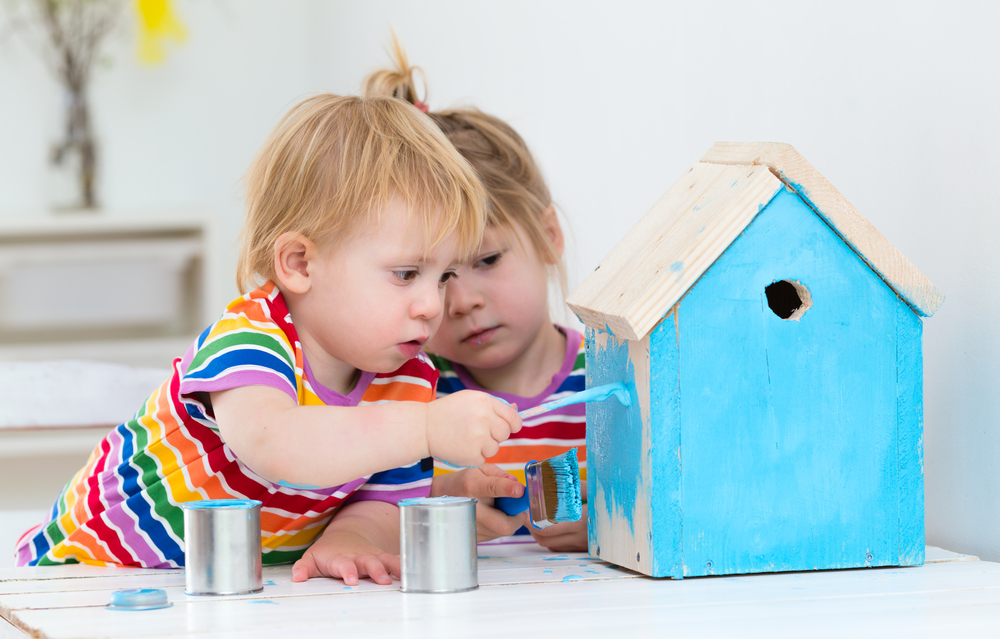


Understanding Quantities is a foundational skill in early math education, essential for children aged 4-9. For parents and teachers, this concept goes beyond mere number recognition; it encompasses the comprehension of sizes, amounts, and the relationships between different quantities. Mastering this skill prepares children for future mathematical learning and everyday applications.
First, a solid understanding of quantities fosters critical thinking and problem-solving abilities. Children learn to compare, group, and manipulate objects, which enhances their cognitive development. These skills translate into better performance in advanced math topics like addition, subtraction, and even measurement.
Second, early mastery of quantity concepts helps to reduce math anxiety. When children feel confident in their basic math skills, they are more likely to engage positively with mathematics in higher grades. This confidence lays the groundwork for academic success and a lifelong appreciation of math.
Lastly, integrating quantity learning with daily activities—such as cooking, grocery shopping, or games—can make math relatable and enjoyable. Encouraging early exploration of these concepts promotes not only academic achievement but also practical life skills, thereby setting the stage for a balanced and well-rounded educational experience. For these reasons, both parents and teachers should prioritize nurturing children's understanding of quantities.








