Visual discrimination Normal Matching Worksheets for Ages 4-9
3 filtered results
-
From - To
Enhance your child's visual discrimination skills with our engaging Normal Matching Worksheets designed for ages 4-9! These worksheets focus on developing critical skills by helping kids differentiate between similar objects and recognize patterns. Perfect for early learners, our fun and interactive activities foster attention to detail, improve concentration, and support cognitive development. Each worksheet is thoughtfully crafted to keep young minds engaged while promoting essential visual skills needed for reading and math readiness. Download our visually stimulating matching exercises today to provide your child with a solid foundation for academic success in a fun and creative way!
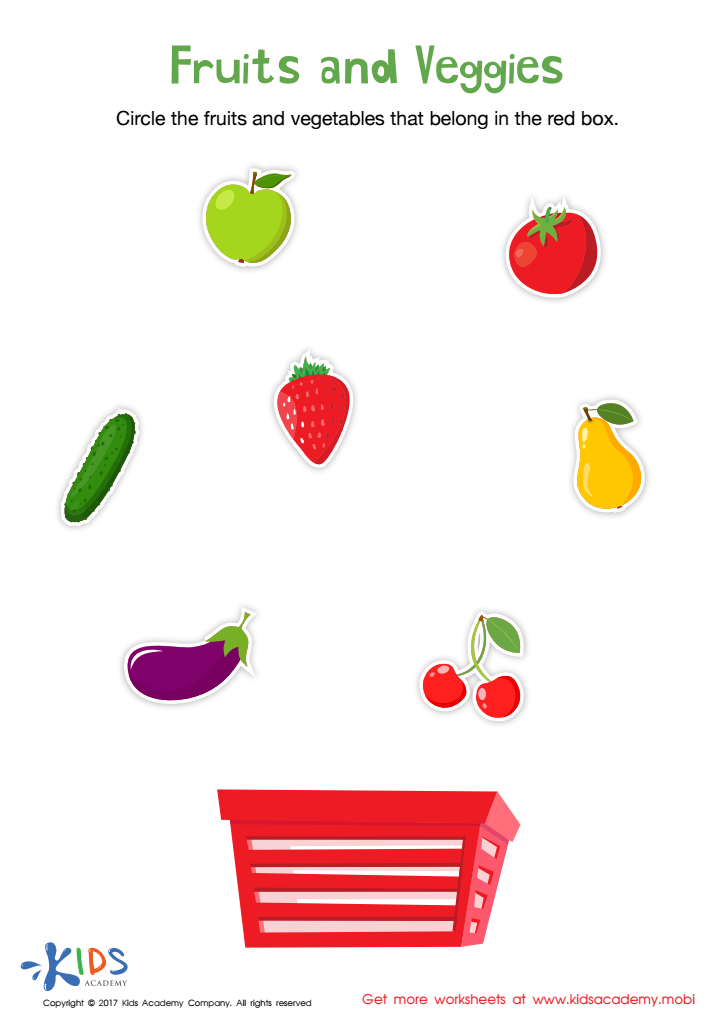
 Assign to My Students
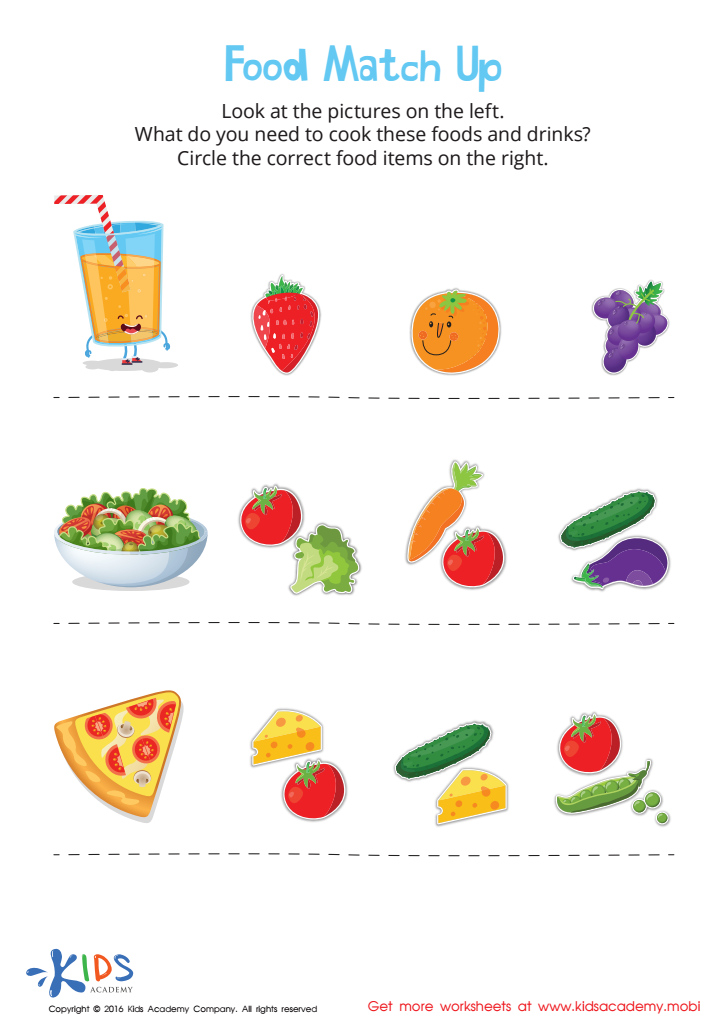
Food Match Up Worksheet
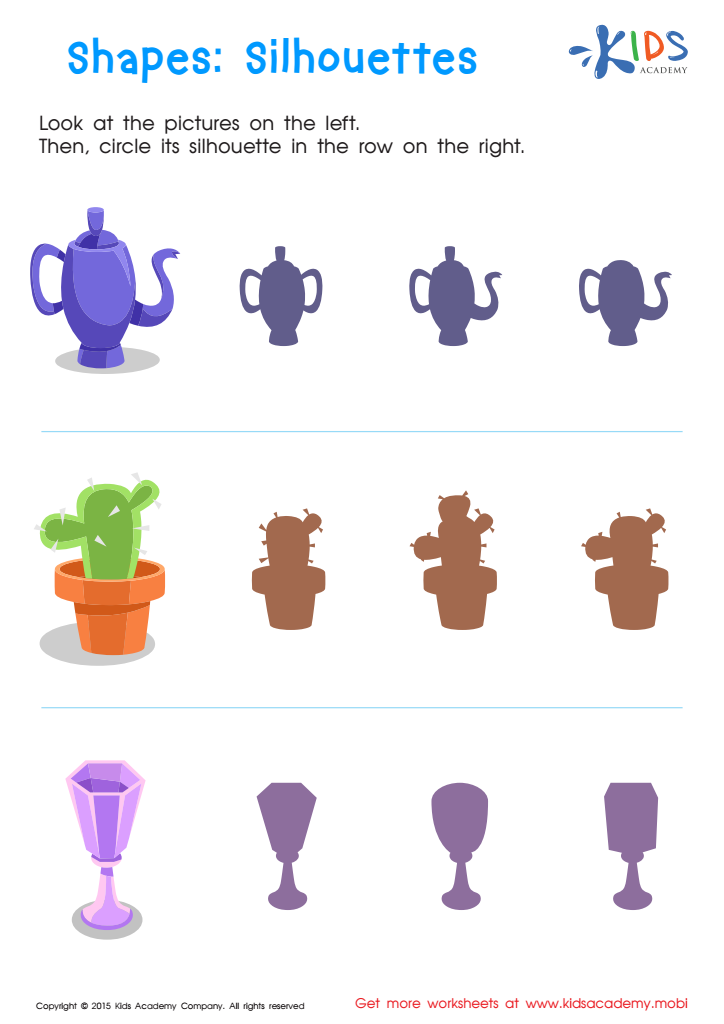
Silhouettes – Shapes Worksheet








Visual discrimination, particularly Normal Matching, is a critical skill for children aged 4-9 as it significantly impacts their academic and daily life success. This skill involves the ability to discern similarities and differences in visual cues, which is foundational for various learning processes. Parents and teachers should care about visual discrimination because it supports essential literacy skills. For instance, being able to recognize and differentiate between letters and words is instrumental in reading development.
Moreover, visual discrimination aids in mathematics, where children must identify patterns and shapes. When children excel in this area, they develop greater confidence in their abilities and a passion for learning. Early identification and support of visual discrimination difficulties can prevent long-term academic struggles.
Engaging activities, such as matching games or sorting tasks, can enhance this skill while promoting fun and interactive learning environments. By fostering visual discrimination, parents and teachers contribute to building a strong cognitive foundation, paving the way for future success in comprehending complex concepts as children advance in their education. Ultimately, caring about Normal Matching not only equips children with critical life skills but also fosters a holistic approach to their development.








