Logical Reasoning Normal Building Vocabulary Worksheets for Ages 4-9
4 filtered results
-
From - To
Enhance your child's cognitive development with our "Logical Reasoning Normal Building Vocabulary Worksheets" designed for ages 4-9. These engaging worksheets are crafted to boost logical reasoning skills while expanding vocabulary in a fun and interactive way. Kids will solve puzzles, complete sentences, and identify patterns, fostering critical thinking. Each worksheet aligns with developmental milestones, ensuring that learning is both age-appropriate and challenging. Perfect for classroom or at-home learning, these resources help children grasp key concepts effortlessly. Encourage creativity and confidence in young learners as they build essential language skills through enjoyable activities. Unlock your child's potential today!
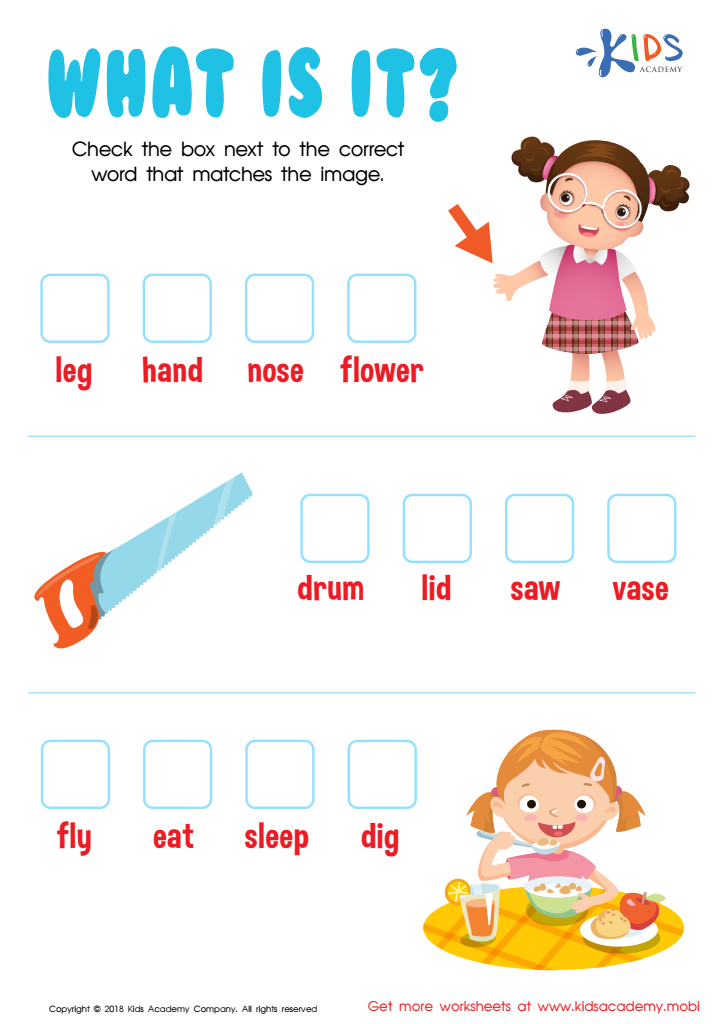
What Is It? Worksheet
 Assign to My Students











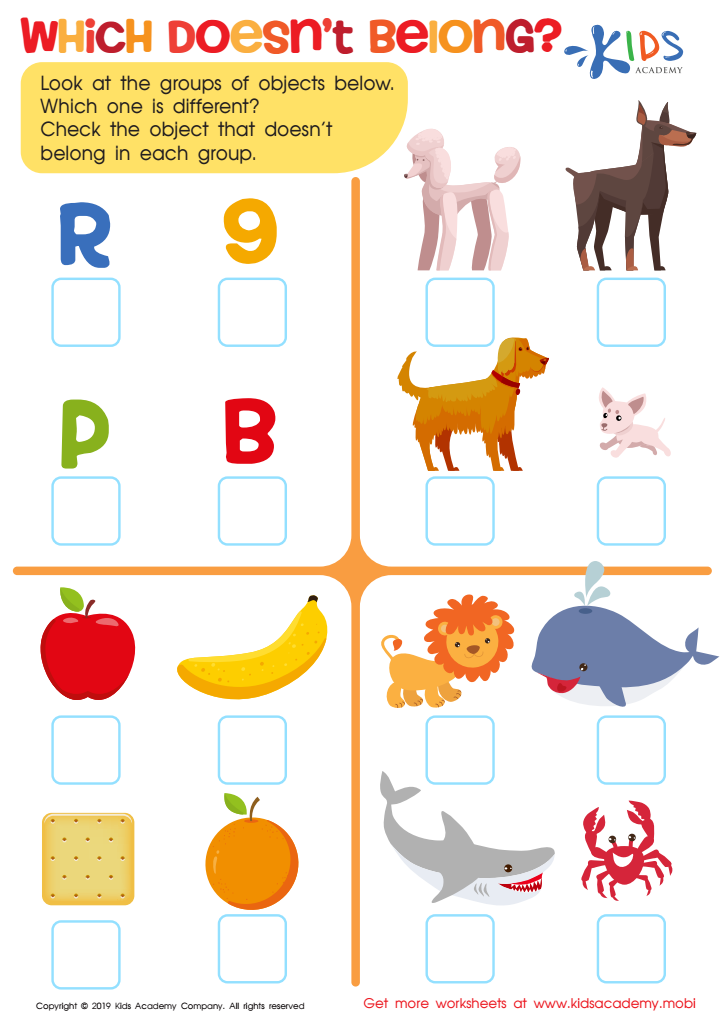
Which Doesn't Belong? Worksheet
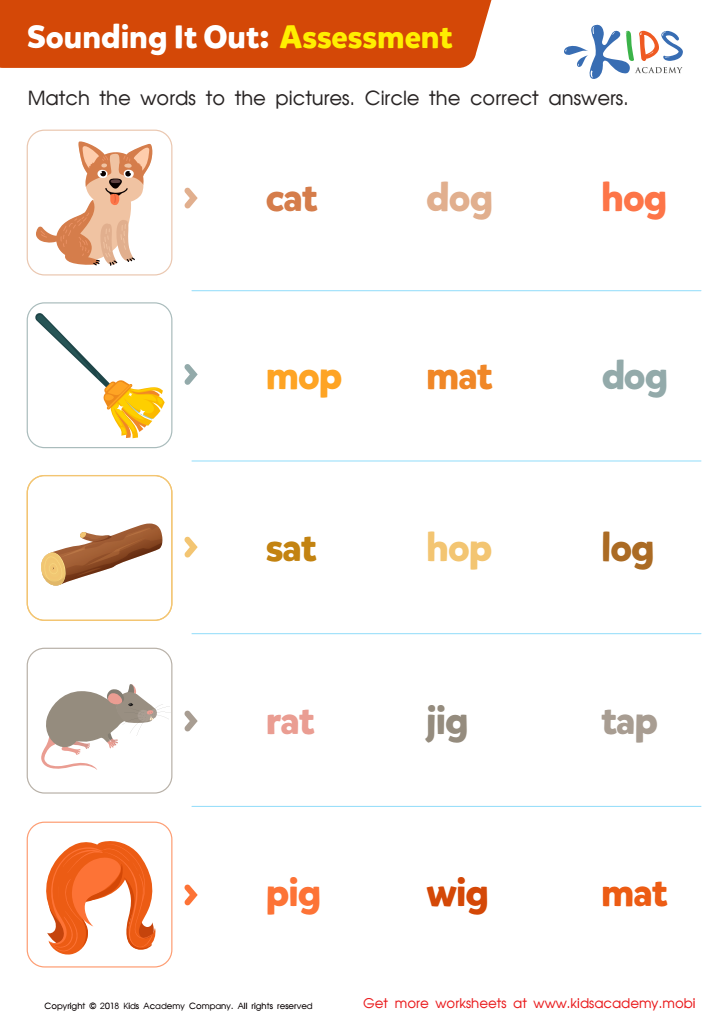
Sounding it Out: Assessment Worksheet
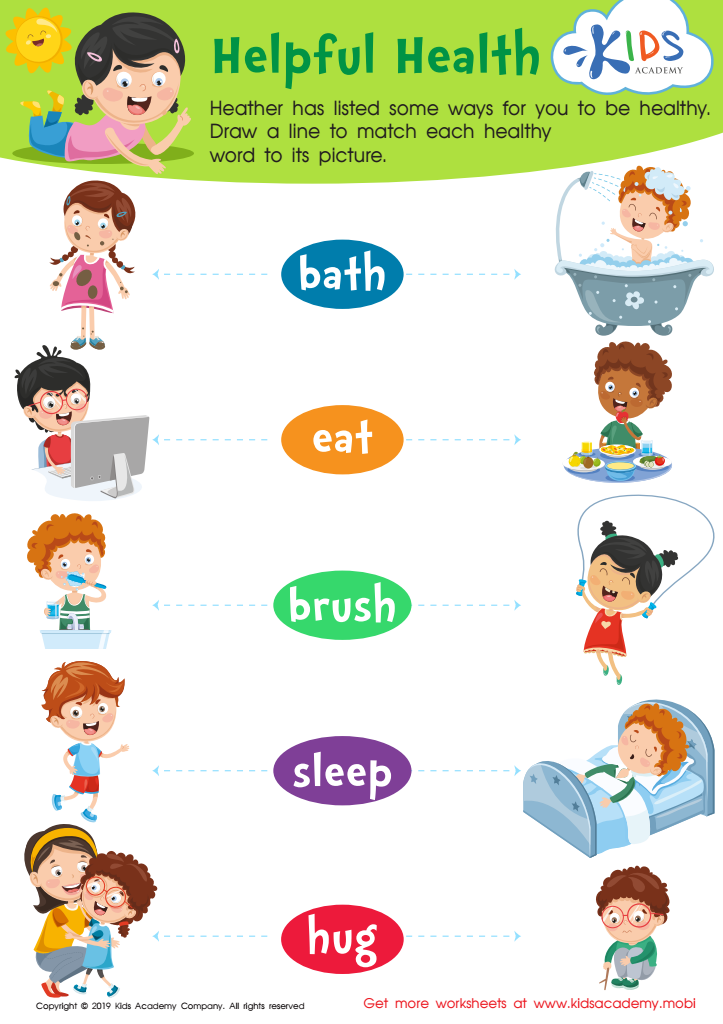
Helpful Health Worksheet





.jpg)


Parents and teachers should prioritize the development of logical reasoning and vocabulary building in children aged 4-9 due to the significant impact these skills have on overall cognitive development and academic success.
Logical reasoning helps children understand relationships, solve problems, and think critically. By encouraging children to identify patterns, make predictions, and draw conclusions, adults prepare them for complex thinking tasks in school and everyday life. Engaging in activities that promote logical reasoning—such as puzzles, games, and storytelling—can boost a child’s ability to analyze information and make informed choices.
Building vocabulary is equally important, as it lays the foundation for effective communication and comprehension. A rich vocabulary enhances reading skills, leading to better academic performance across all subjects. Children with strong verbal skills can express their thoughts clearly, engage in discussions, and develop strong relationships with peers and adults. Vocabulary growth introduces new concepts and ideas, fostering imaginative thinking and curiosity.
In combination, logical reasoning and vocabulary form essential pillars for successful learning. Fostering these skills early not only equips children for academic challenges but also empowers them to navigate their world with confidence and critical insight. Therefore, investment in these areas during formative years is crucial for lifelong success.








