Sentence construction Normal Building Vocabulary Worksheets for Ages 4-9
6 filtered results
-
From - To
Unlock the joy of learning with our Sentence Construction Normal Building Vocabulary Worksheets, designed specifically for children ages 4-9. These engaging worksheets help young learners enhance their reading and writing skills by fostering vocabulary development and sentence structure. Each worksheet features diverse activities that stimulate creativity and critical thinking, making language learning fun and effective. Perfect for classroom use or at-home practice, our resources cater to different learning styles and ensure children grasp the fundamentals of sentence construction. Empower your child to express themselves clearly and confidently as they embark on their linguistic journey. Explore our collection today for an enriched learning experience!
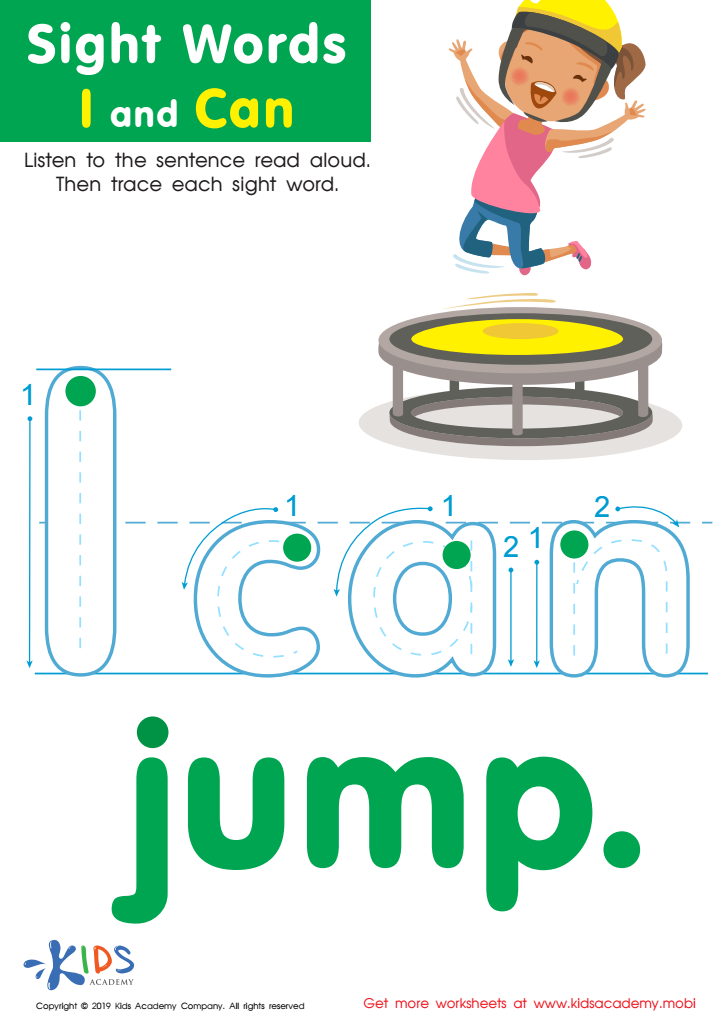
Sight Words I Can Worksheet
 Assign to My Students











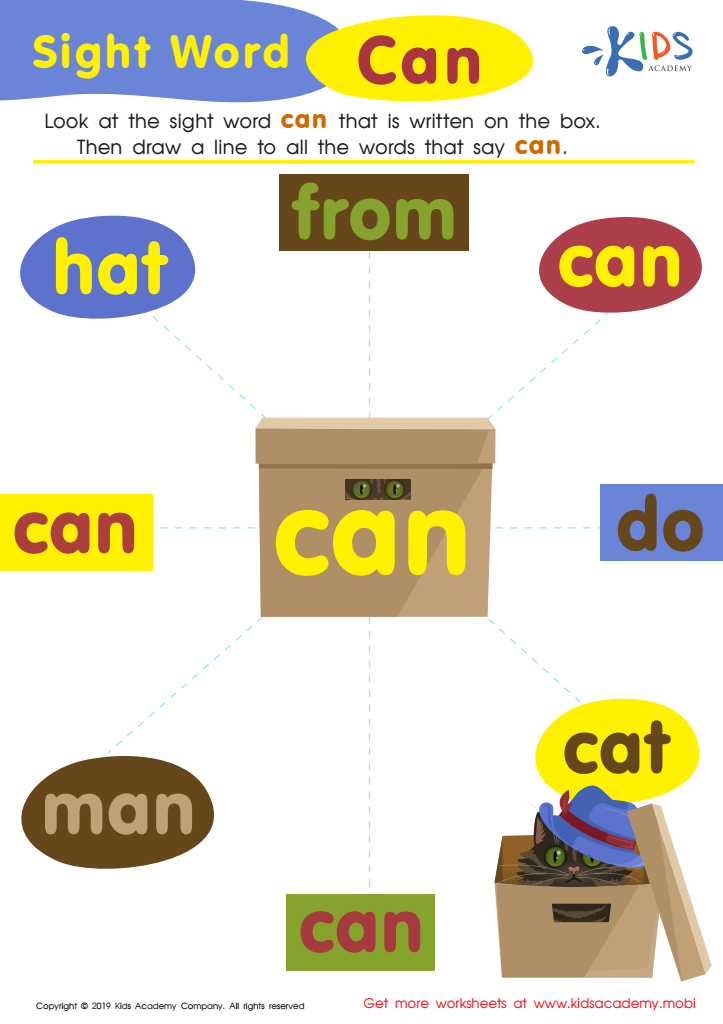
Sight Word Can Worksheet
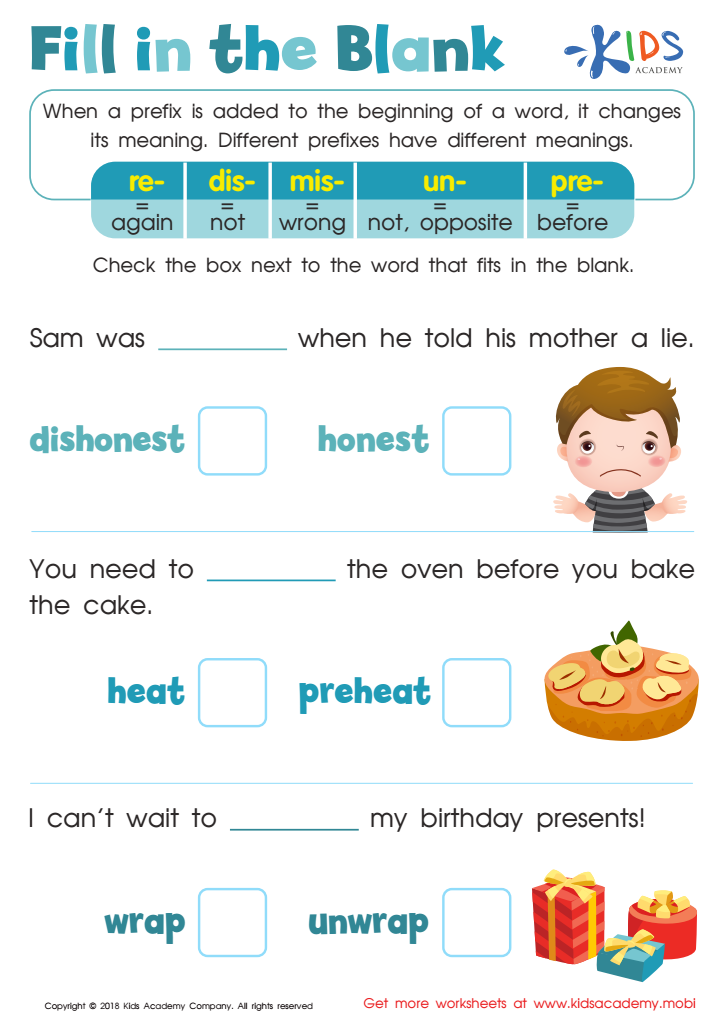
Reading: Fill in the Blank Worksheet
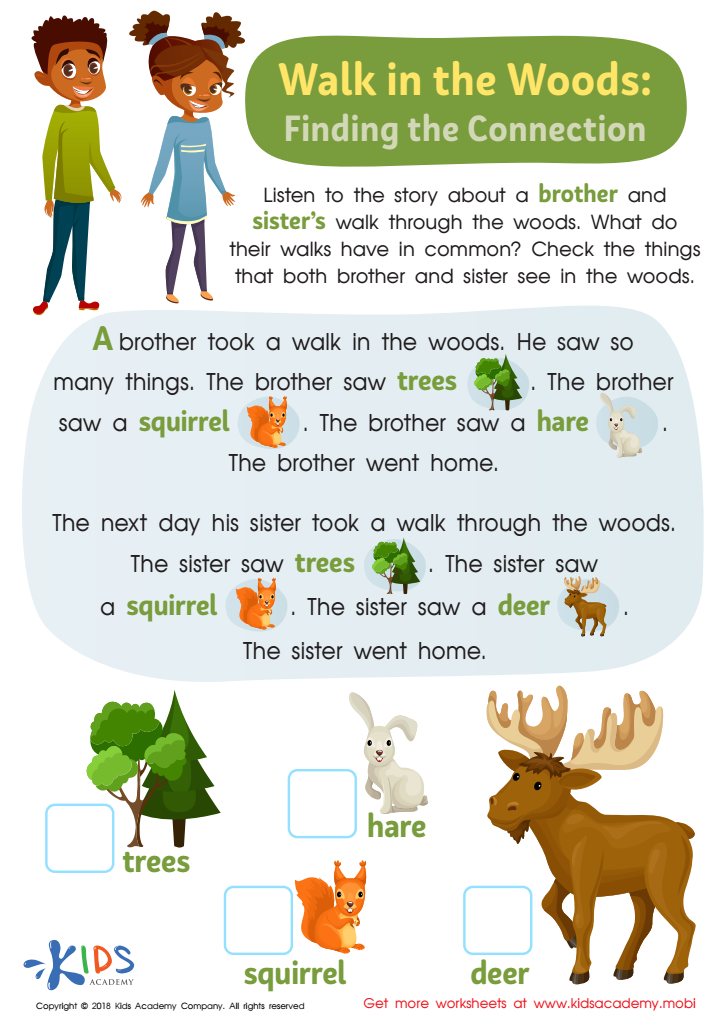
Walk In the Woods: Finding Connections Worksheet
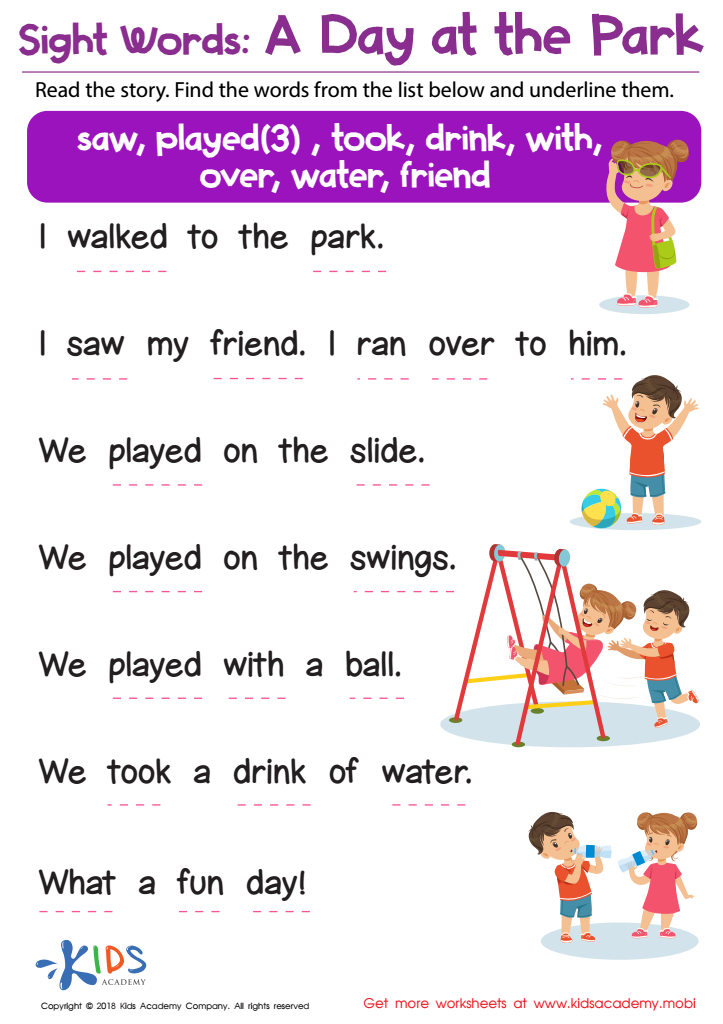
Sight Words: A Day at the Park Worksheet
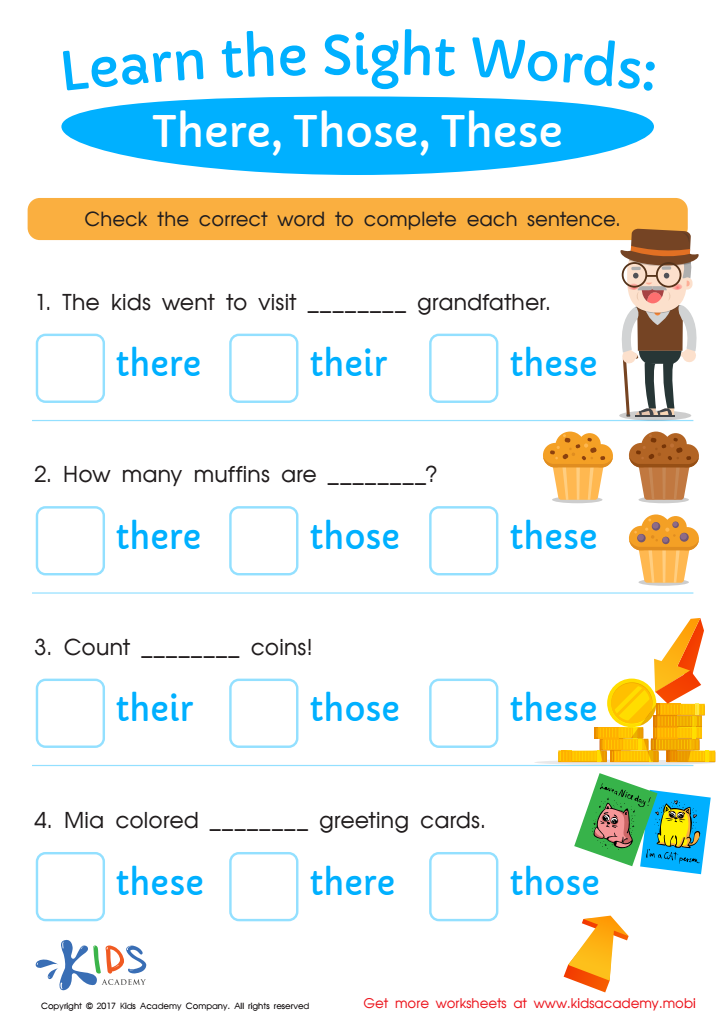
There, Those and These Sight Words Worksheet








Sentence construction and vocabulary development are crucial components of early literacy for children aged 4 to 9. Strong sentence construction is fundamental for clear communication, allowing children to express their thoughts, feelings, and ideas effectively. This skill lays the foundation for reading and writing, helping students to understand language structure, which aids comprehension.
Building vocabulary is equally important. The more words children know, the better they will handle various concepts and topics. Vocabulary development enhances reading comprehension, enabling children to interact with age-appropriate texts more confidently. It also boosts their listening and speaking skills, preparing them for discussions, classroom participation, and social interactions.
Parents and teachers should prioritize these skills because they directly impact academic success and overall confidence in language use. A solid grasp of sentence structure and an expansive vocabulary can lead to improved performance across subjects, as language is a critical tool in learning. Moreover, fostering these skills early on encourages a love for language and reading, inspiring lifelong learning. By nurturing sentence construction and vocabulary, caregivers support not only communication skills but also cognitive development, creativity, and self-expression, setting children up for future success in both academic and personal arenas.








