Contextual understanding Normal Reading Worksheets for Ages 4-9
6 filtered results
-
From - To
Discover our "Contextual Understanding Normal Reading Worksheets for Ages 4-9," designed to bolster young readers' comprehension skills. These engaging activities encourage children to decipher meanings from context, enriching their vocabulary and reading proficiency. Tailored for ages 4-9, our worksheets blend fun with educational excellence, catering to early learners through progressive challenges. Perfect for parents and educators aiming to enhance reading capabilities, these worksheets provide a solid foundation for literary success. Boost your child's reading confidence and comprehension skills today with our expertly crafted worksheets. Visit Kids Academy to learn more.
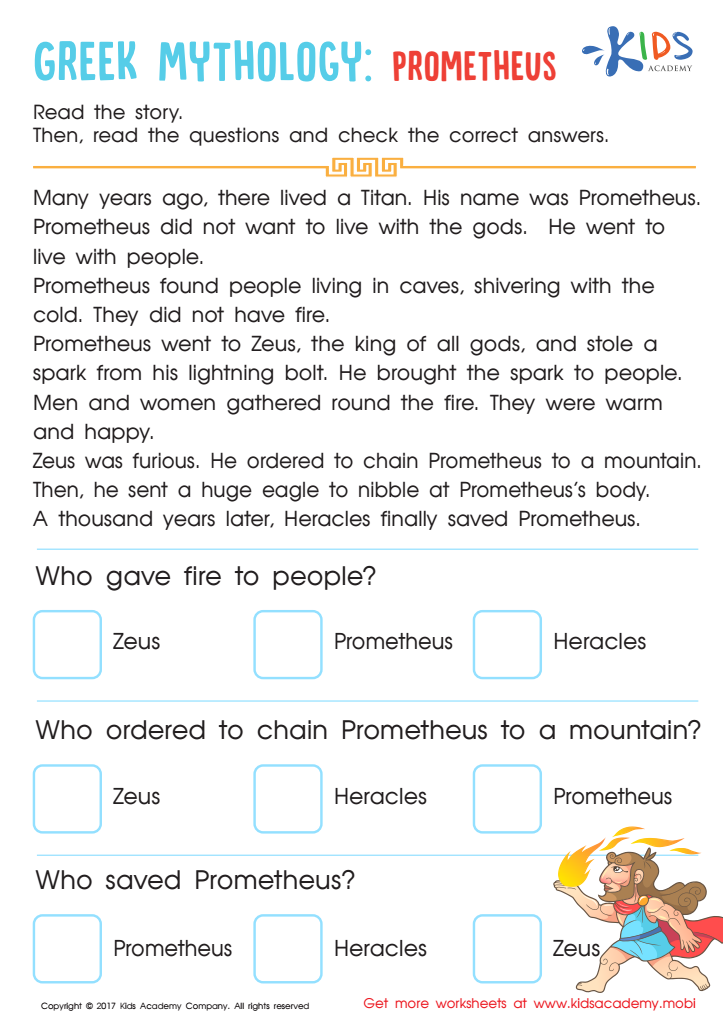
Prometheus Story Worksheet
 Assign to My Students
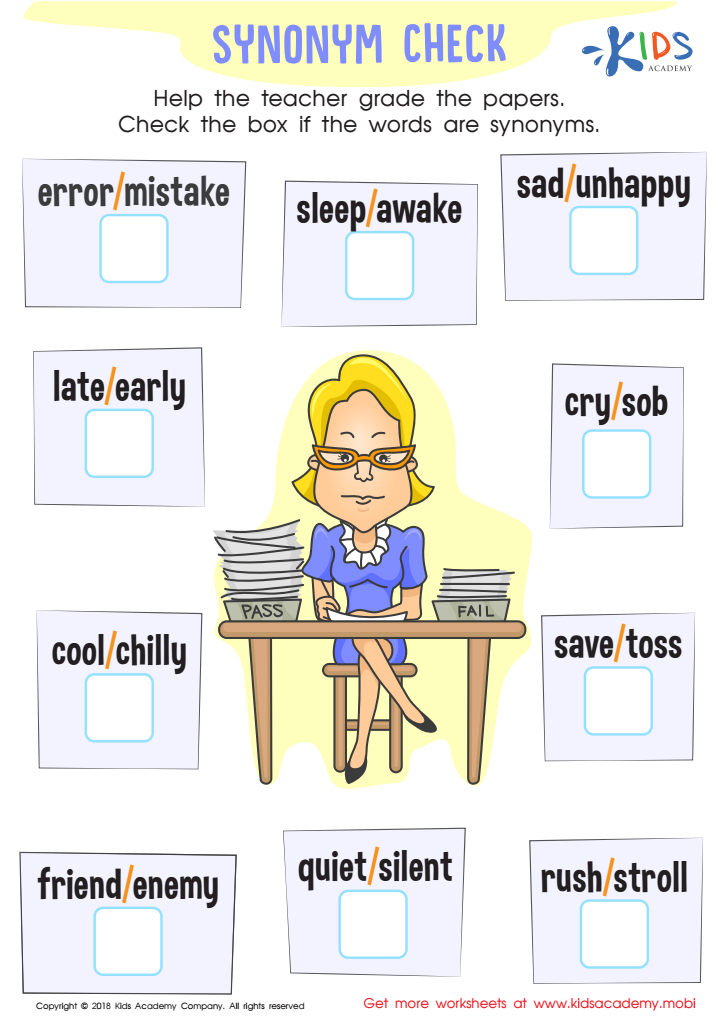
Synonym Check Worksheet
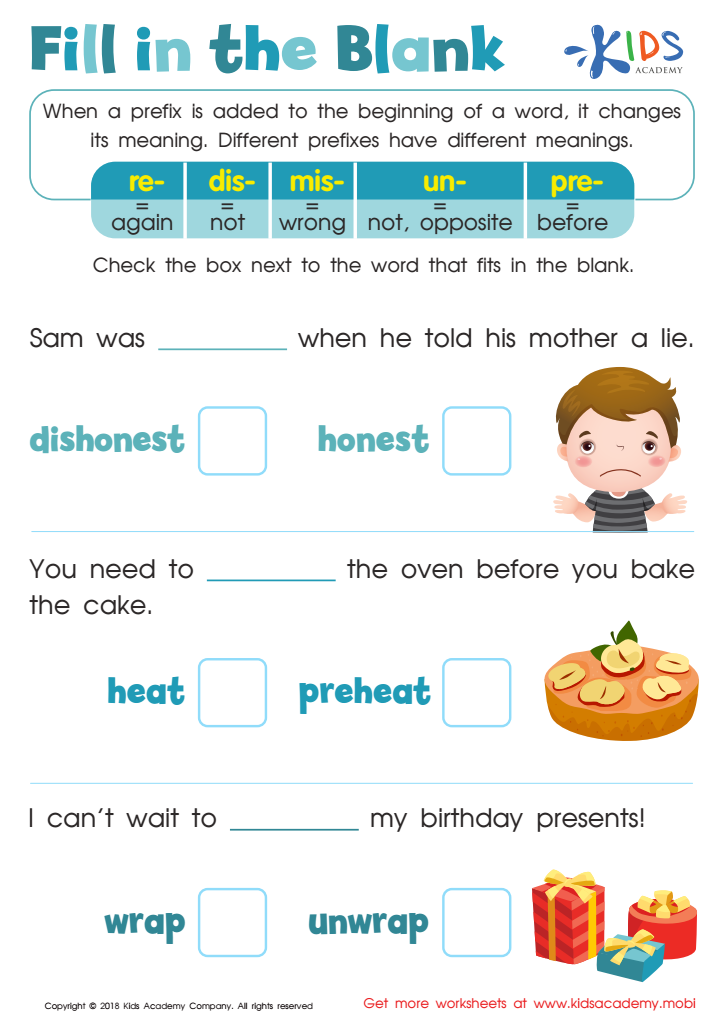
Reading: Fill in the Blank Worksheet
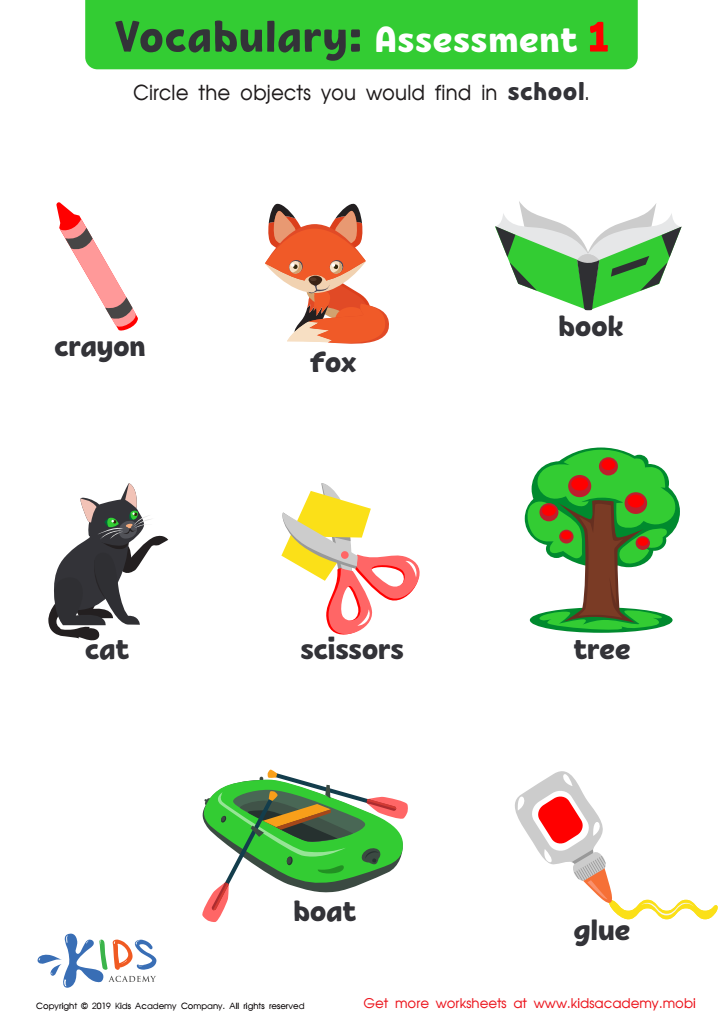
Vocabulary: Assessment 1 Worksheet
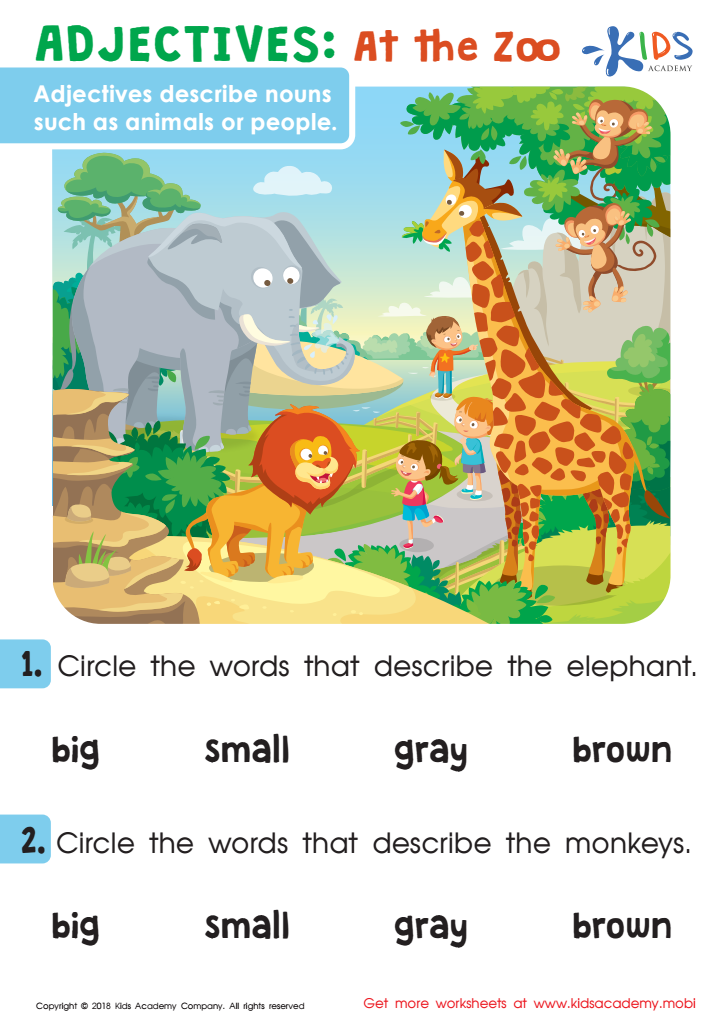
Adjectives: At The Zoo Worksheet
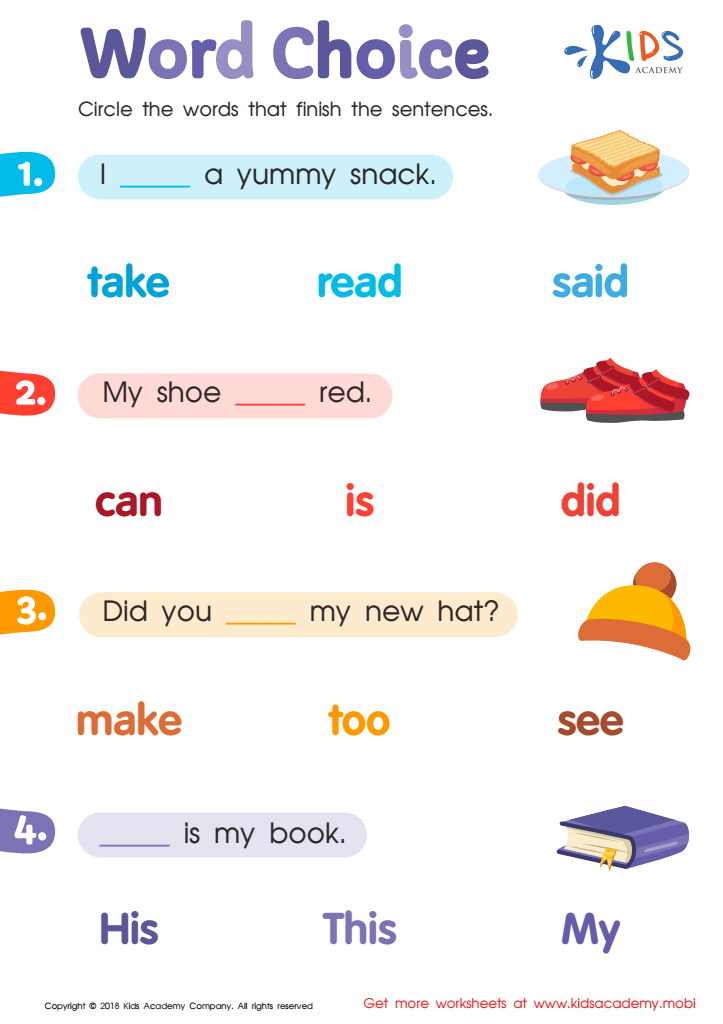
Word Choice Worksheet








Parents and teachers should prioritize contextual understanding in normal reading for children aged 4-9 because it lays the foundational building blocks for literacy and critical thinking. At this early age, children are naturally curious and their brains are highly receptive to learning new concepts. By focusing on contextual understanding, children don't just learn to decode words, but also grasp the meaning behind them. This enriches their vocabulary, enhances reading comprehension, and fosters a love of reading.
Contextual understanding helps children make sense of the world around them. When kids understand the context, they are better able to connect new information with what they already know. This deepens their overall cognitive development and encourages better problem-solving skills. It also enables them to understand nuanced stories, follow instructions accurately, and communicate more effectively.
Moreover, early success in reading can significantly impact future academic performance. Children who develop strong reading skills early are more likely to excel in other subjects as well. This understanding also builds confidence and encourages lifelong learning.
For teachers and parents, focusing on contextual reading means nurturing a child’s holistic development, cultivating a positive attitude towards learning, and setting them up for future academic and personal success. Therefore, contextual understanding is a critical facet of early childhood education.








