Sequencing events Normal Reading Worksheets for Ages 4-9
3 filtered results
-
From - To
Enhance your child's reading comprehension with our Sequencing Events worksheets, designed specifically for ages 4-9. These worksheets help young learners develop vital skills by organizing stories, understanding story progression, and honing critical thinking abilities. Engaging and colorful, our activities involve fun illustrations and simple text, making learning enjoyable and effective. Children will practice identifying key events, arranging them in the correct order, and strengthening their narrative skills. Perfect for classroom or home use, these resources promote early literacy and prepare children for more advanced reading challenges. Explore our collection today and spark a love for reading through meaningful sequencing practice!
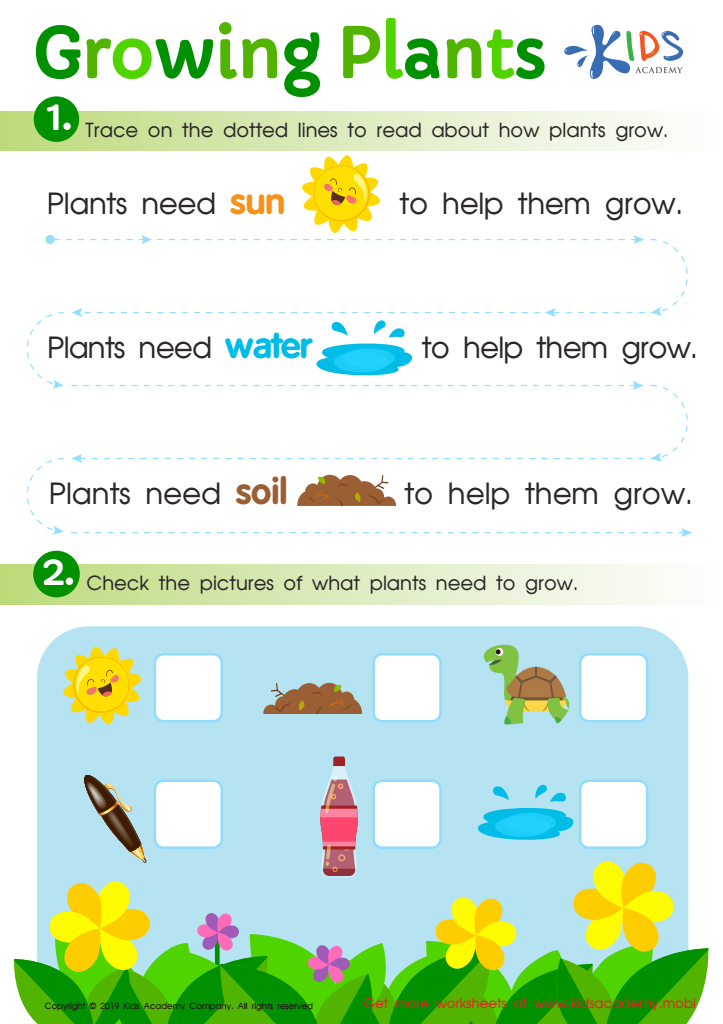
Growing Plants Worksheet
 Assign to My Students
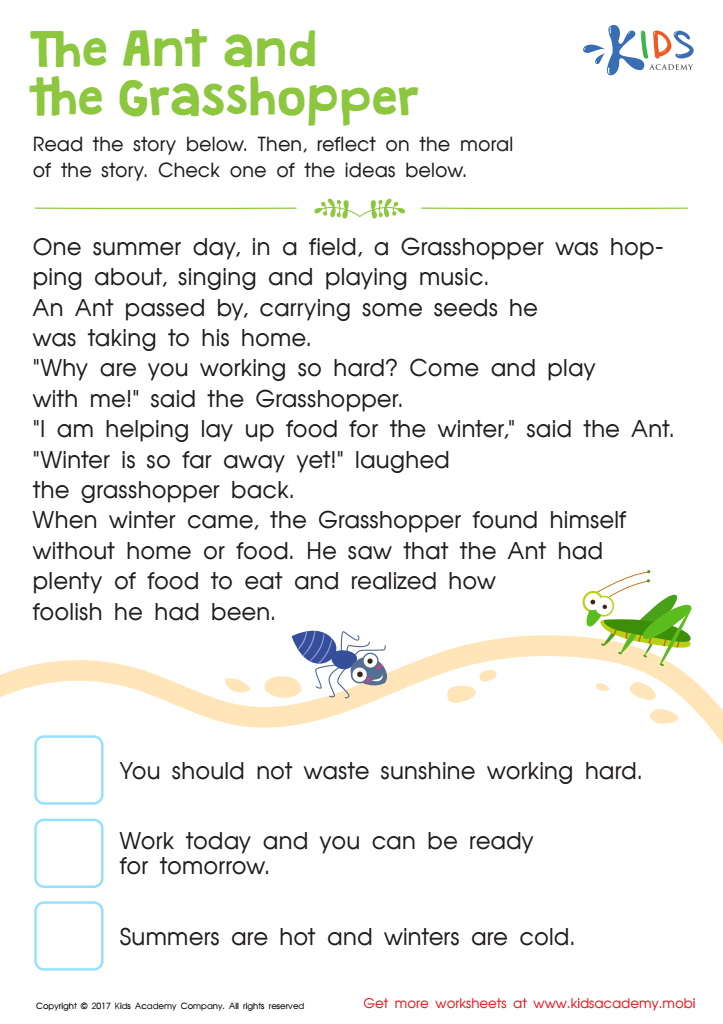
The Ant and The Grasshopper Printable
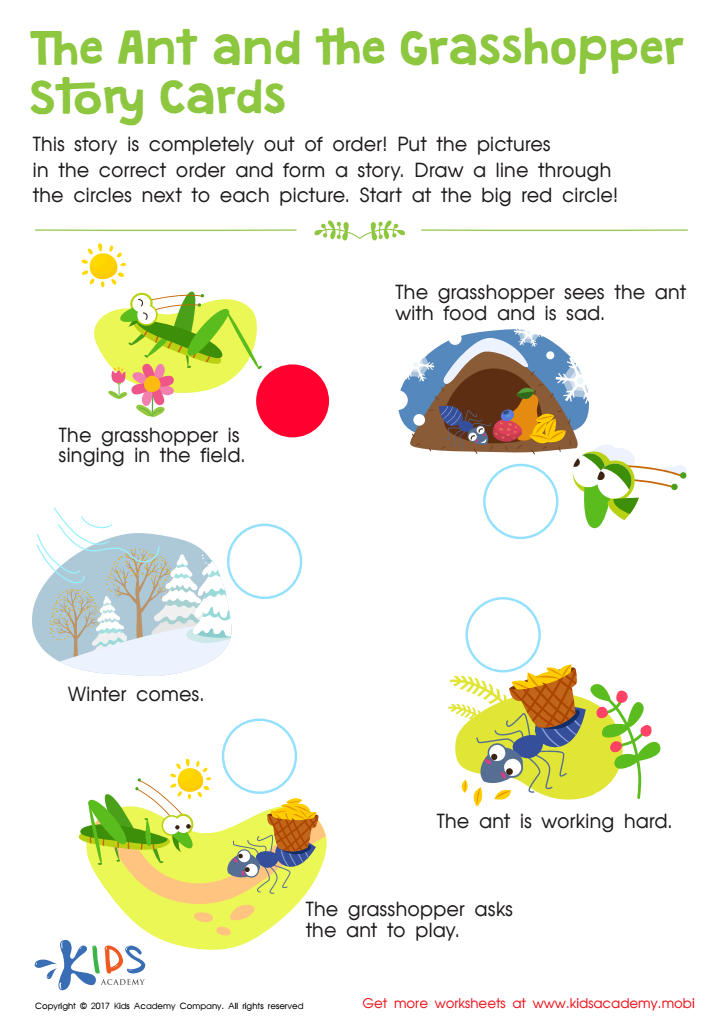
The Ant and The Grasshopper Worksheet







Sequencing events is a foundational reading skill crucial for children aged 4-9, which allows them to understand the order of actions in a story. Parents and teachers should care about this skill for several reasons. First, sequencing helps children grasp narrative structure, enabling them to follow and enjoy stories better. This comprehension boosts their overall reading and listening skills.
When children learn to sequence events, they develop critical thinking abilities as they identify what happens first, next, and last. This skill enhances their ability to make predictions and understand cause-and-effect relationships, which are important not just in reading but also in daily life.
Moreover, sequencing strengthens memory and recall; children become proficient at retelling stories and explaining experiences. This foundational skill also supports writing as children learn to organize their thoughts and ideas in a coherent manner.
Encouraging sequencing through engaging activities, such as storyboarding or using picture cards, fosters communication skills and creativity. Ultimately, prioritizing sequencing equips children with essential literacy skills that will benefit their academic success and personal development. By nurturing this skill, parents and teachers can empower children to be confident readers and effective communicators.








