Analytical skills Normal Reading Comprehension Worksheets for Ages 4-9
6 filtered results
-
From - To
Our Analytical Skills Normal Reading Comprehension Worksheets for Ages 4-9 are designed to enhance your child's critical thinking ability while fostering a love for reading. With age-appropriate passages and questions, these worksheets guide young learners through understanding and interpreting text, promoting detailed analysis and logical reasoning. Children will develop skills crucial for academic success by focusing on identifying main ideas, making inferences, and drawing conclusions. Ideal for classroom or home use, these engaging activities not only build comprehension abilities but also keep kids motivated and excited about their learning journey. Support your child's analytical skills development today!
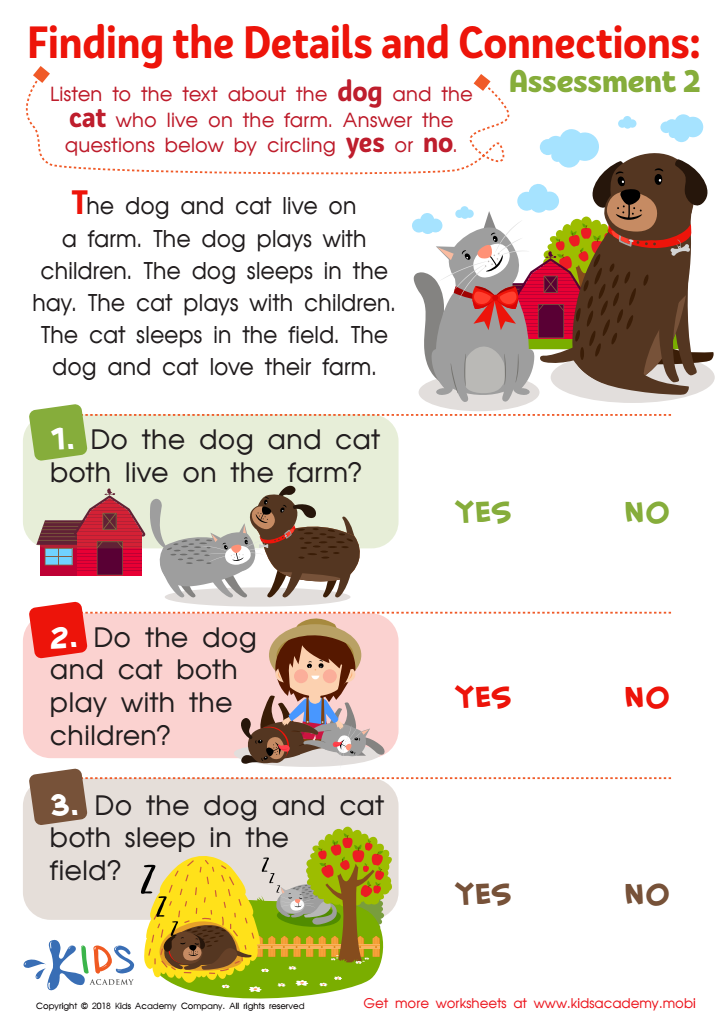
Finding the Details and Connections: Assessment 2 Worksheet
 Assign to My Students
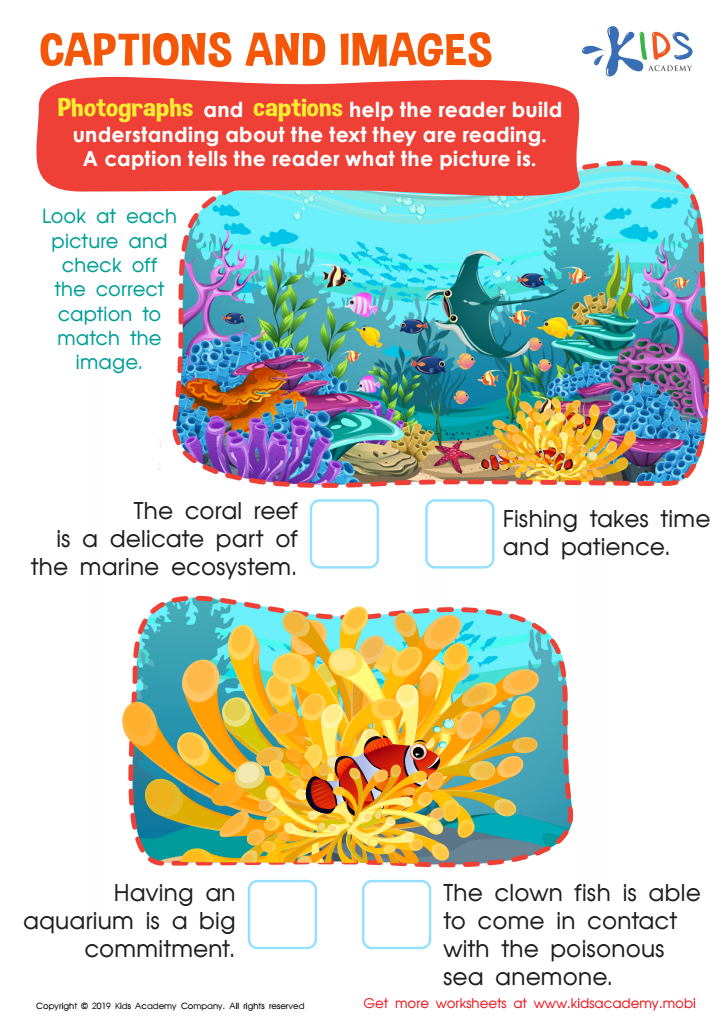
Captions and Images Worksheet
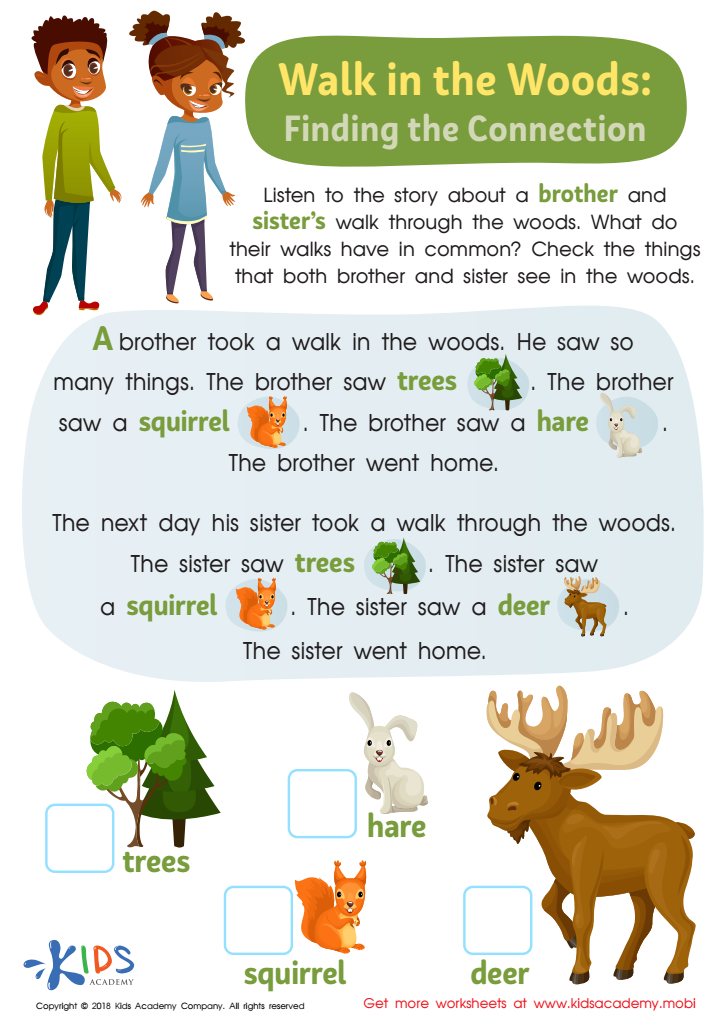
Walk In the Woods: Finding Connections Worksheet
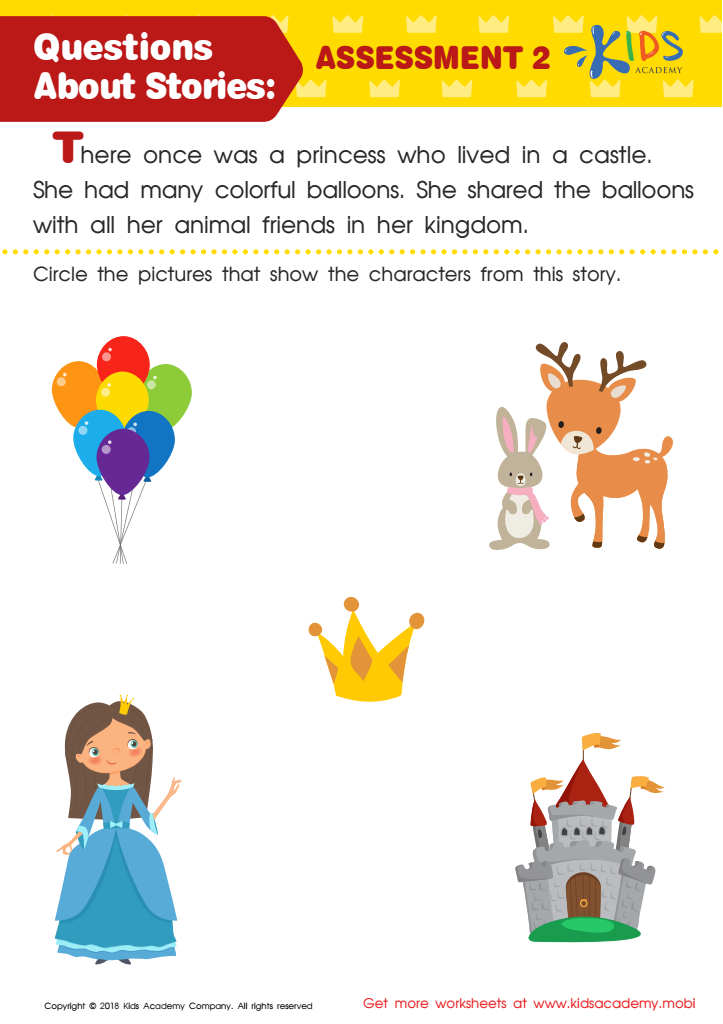
Questions About Stories: Assessment 2 Worksheet
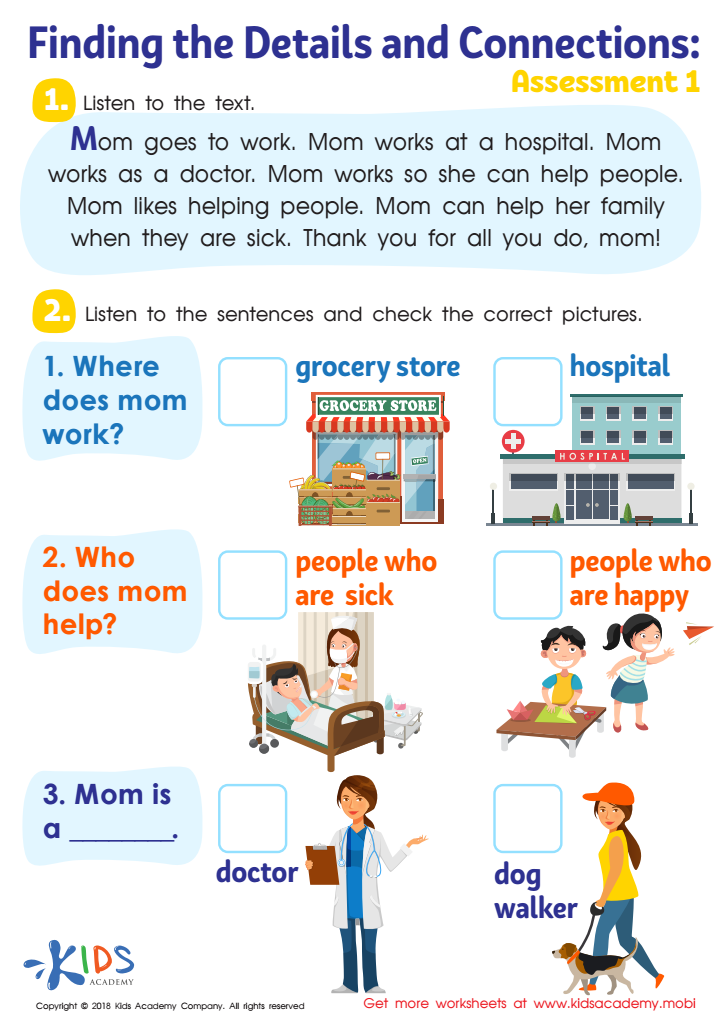
Finding the Details and Connections: Assessment 1 Worksheet
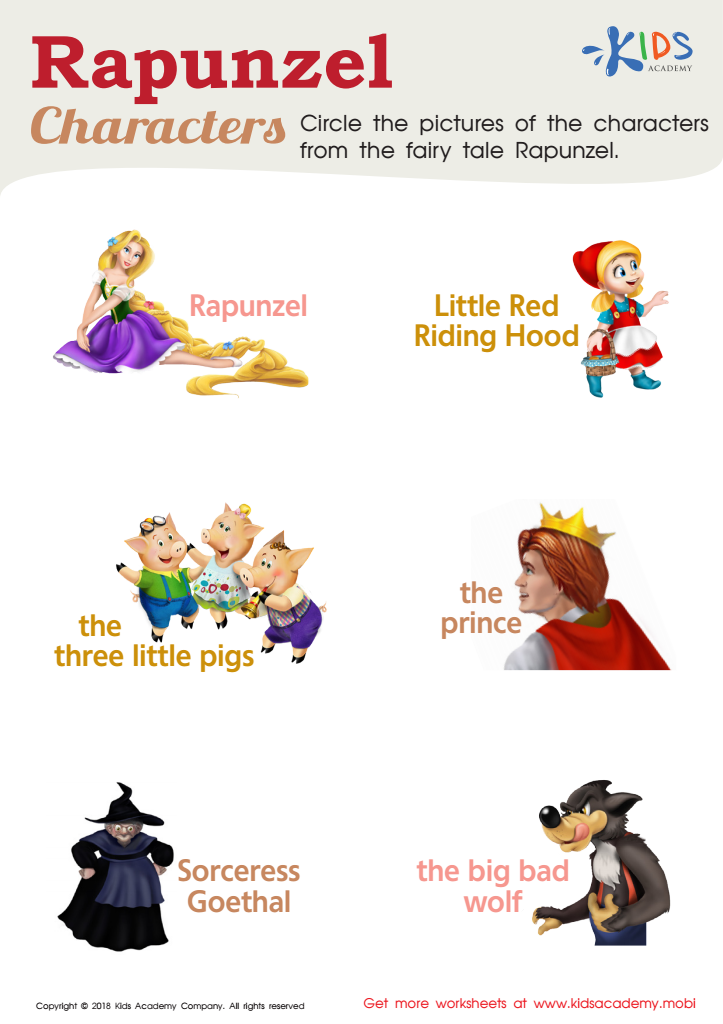
Rapunzel Characters Worksheet






.jpg)

In the early years of a child's life, from age 4 to 9, foundational skills such as analytical abilities and reading comprehension are pivotal for overall development. Analytical skills enable children to think critically, solve problems, and make insightful connections between ideas. When children practice analytical thinking, they improve their ability to understand complex concepts, assess information, and draw meaningful conclusions. These skills are essential for success in various academic subjects and in real-life situations.
Reading comprehension is equally important during these formative years. It's not just about recognizing words and phrases, but understanding and interpreting the meaning behind them. Strong reading comprehension skills empower children to grasp the context of a story or informational text, retain knowledge, and build vocabulary. Reading also instills a love of learning, stimulates imagination, and opens doorways to new worlds and perspectives. When parents and teachers focus on developing these skills, they provide children with tools that will benefit them throughout their education and beyond.
Investing time and energy into enhancing these abilities brings long-term benefits. It fosters independent thinking, encourages lifelong learning, and prepares children to navigate a world that is increasingly reliant on information and complex problem-solving. Consequently, nurturing analytical skills and reading comprehension in children from ages 4 to 9 lays a solid foundation for their future success.








