Problem-Solving Skills Normal Reading Comprehension Worksheets for Ages 4-9
10 filtered results
-
From - To
Our "Problem-Solving Skills Normal Reading Comprehension Worksheets for Ages 4-9" combine engaging activities with crucial learning experiences to boost children's reading comprehension. Specially designed for young learners, these worksheets are tailored to enhance critical thinking and problem-solving abilities through fun and interactive stories and exercises. Each worksheet challenges children to think logically, make connections, and answer questions that improve their understanding of the text. Perfect for classroom or at-home learning, our resources support children in building a strong foundation in reading while developing essential cognitive skills. Unlock your child's potential with our expertly crafted worksheets!
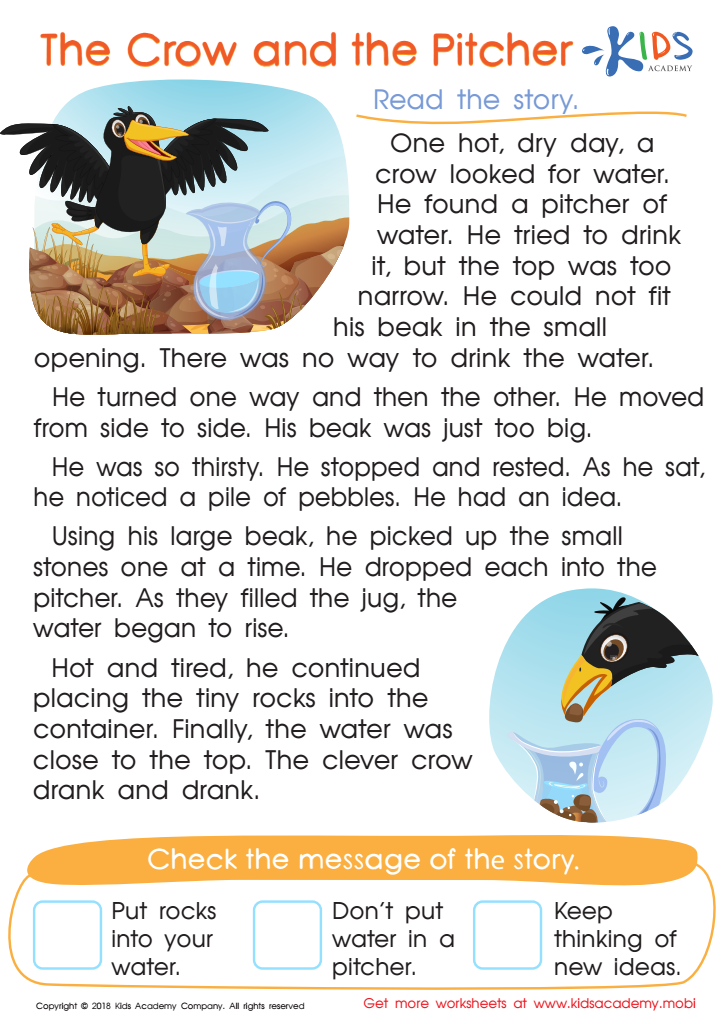
The Crow and the Pitcher Worksheet
 Assign to My Students
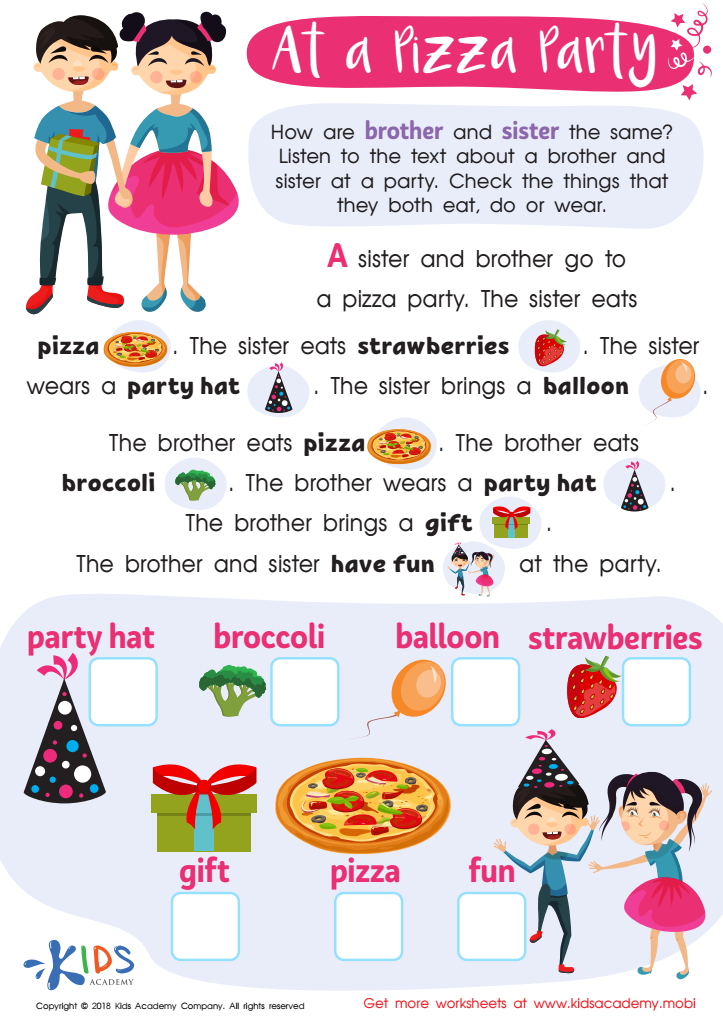
At a Pizza Party Worksheet
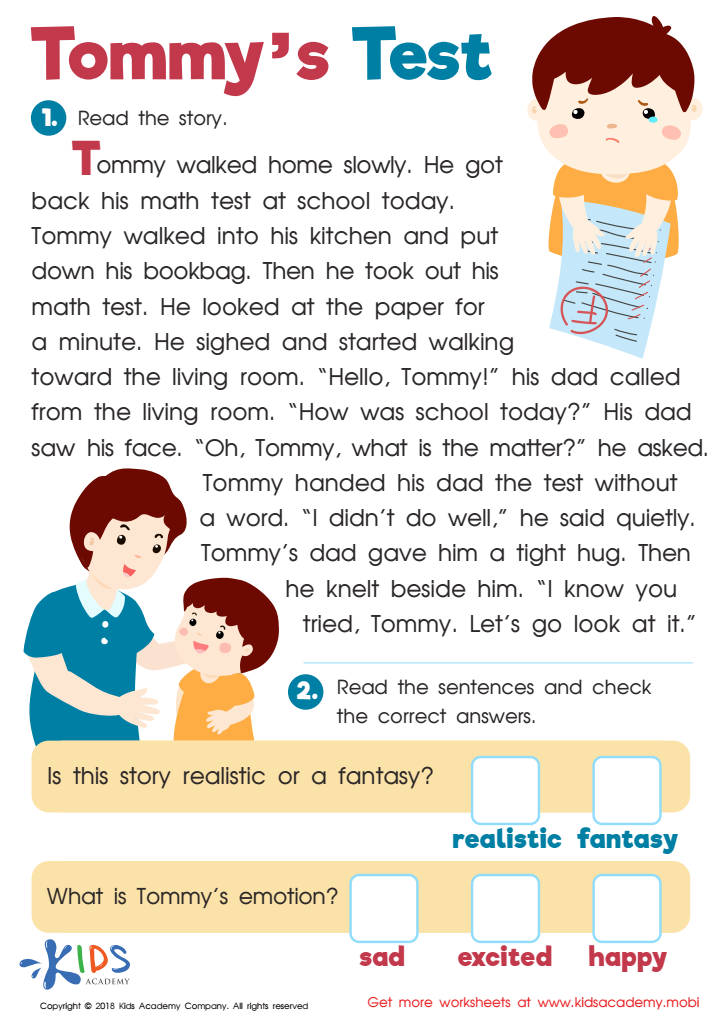
Tommys Test Worksheet
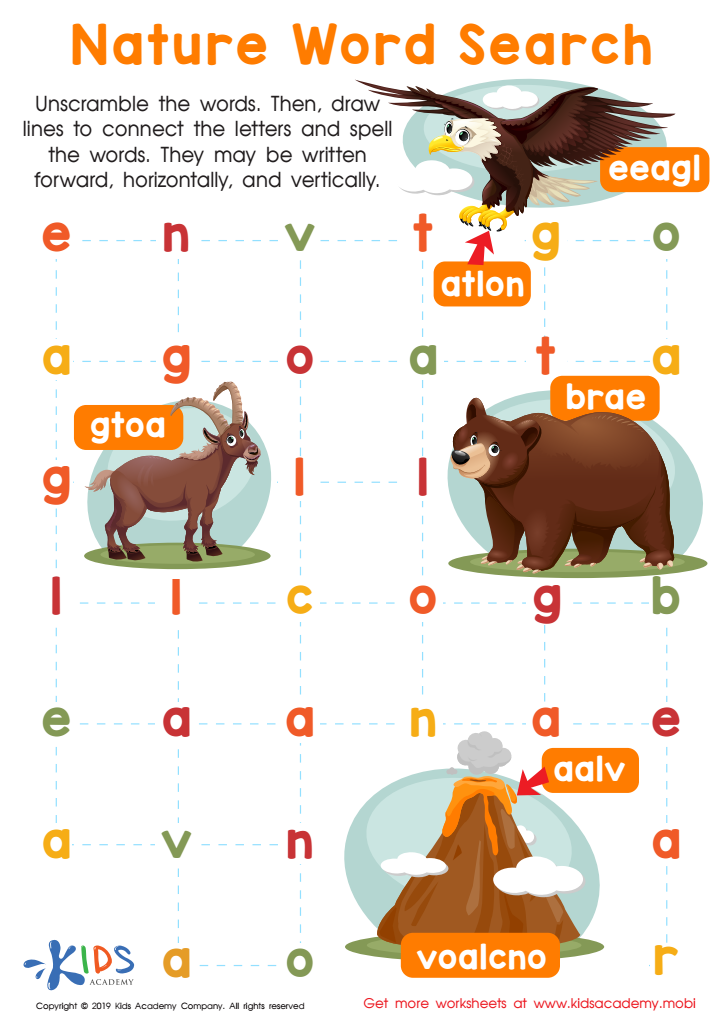
Nature Word Search Worksheet
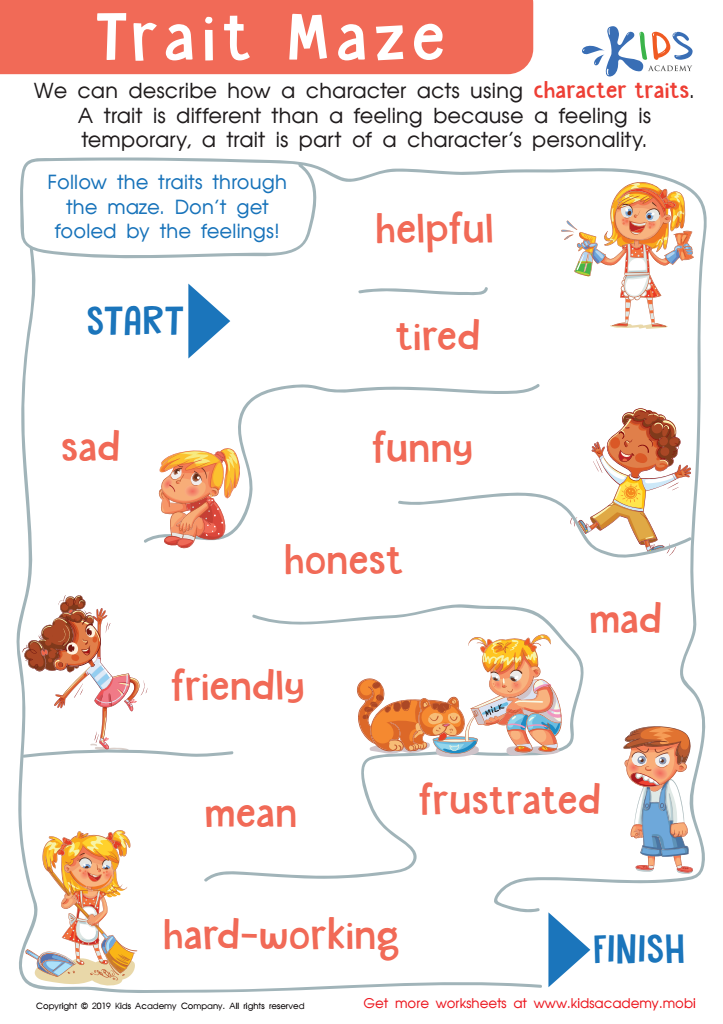
Trait Maze Worksheet
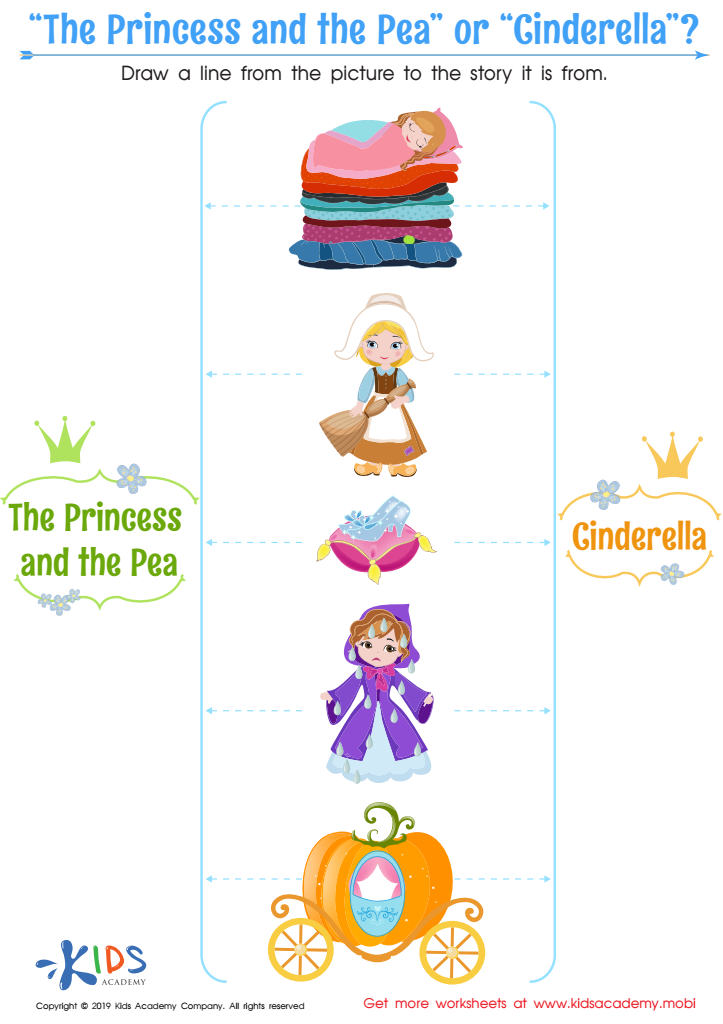
“The Princess and the Pea” or “Cinderella” Worksheet

Towns Worksheet
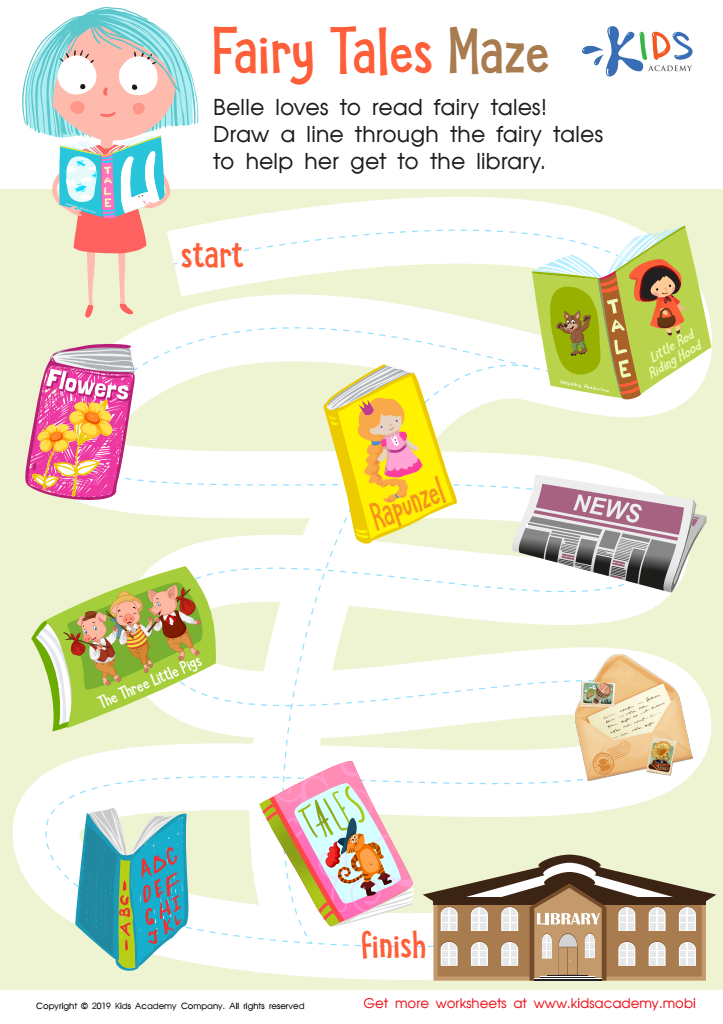
Fairy Tales Maze Worksheet
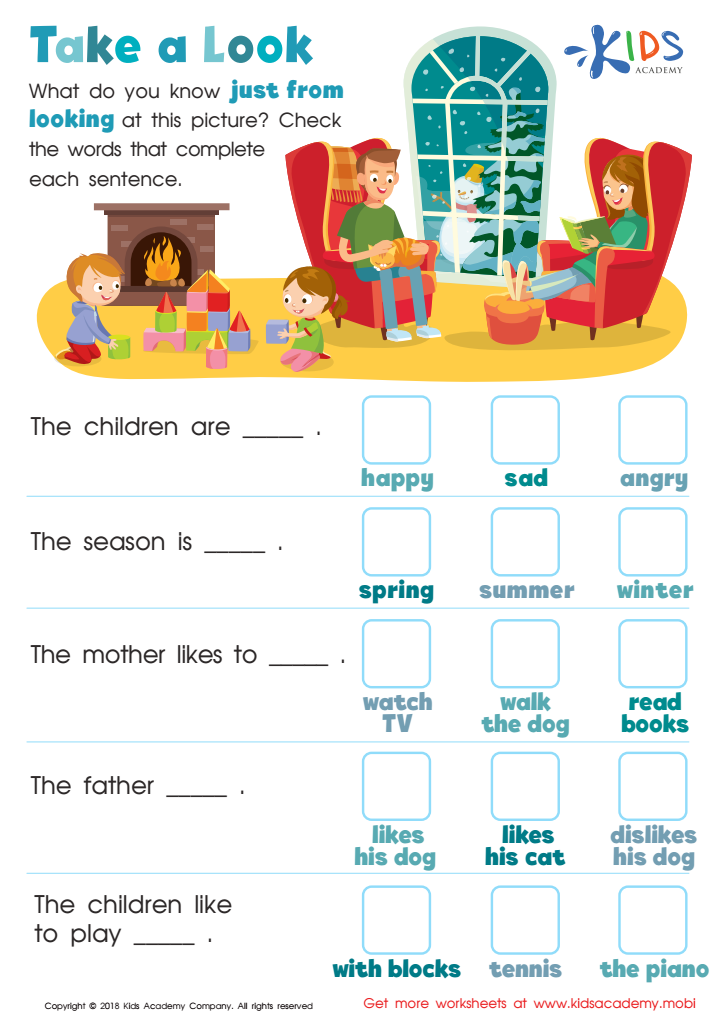
Take a Look - Part 1 Worksheet
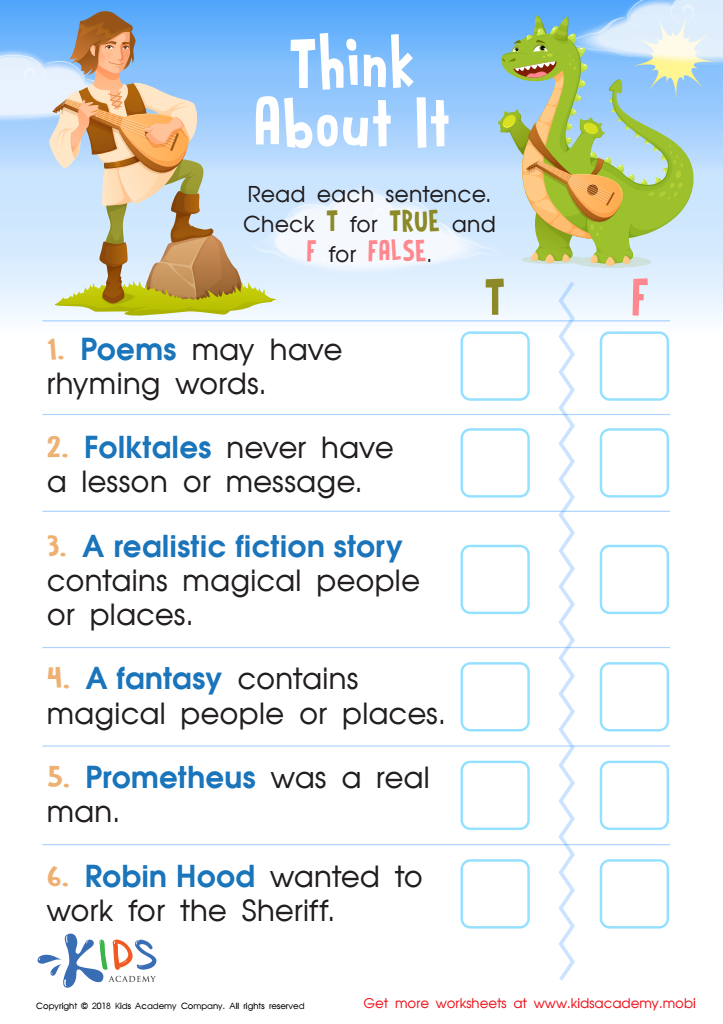
Think About It: Assessment Worksheet







Fostering problem-solving skills and normal reading comprehension in children aged 4-9 is essential for their cognitive and emotional development. Firstly, problem-solving skills empower children to navigate challenges independently, boosting their confidence and resilience. At these young ages, children encounter various daily situations—such as resolving conflicts with peers or figuring out how to complete a jigsaw puzzle—that require critical thinking and creativity. Strengthening these skills helps them become more self-reliant and adaptable.
Reading comprehension, meanwhile, serves as the foundation for all future learning. When children understand the content they read, they not only enrich their vocabulary but also improve their ability to comprehend instructions, follow narratives, and make informed decisions. Good reading comprehension enhances academic success across subjects, as children are better able to understand mathematical problems, scientific concepts, and historical events.
Moreover, problem-solving and reading comprehension are interconnected; reading involves interpreting information, analyzing context, and formulating responses— all of which are problem-solving activities. Cultivating these abilities creates a versatile learning experience, encouraging curiosity and a lifelong love of learning. Hence, parents and teachers should prioritize activities that enhance both skills, ensuring a robust developmental foundation and setting the stage for future educational achievements.








