Vocabulary development Normal Reading Fiction Worksheets for Ages 4-9
5 filtered results
-
From - To
Boost your child's language skills with our engaging "Vocabulary Development Normal Reading Fiction Worksheets for Ages 4-9". Each worksheet is thoughtfully designed to make learning new words fun and effective by incorporating exciting stories and imaginative illustrations tailored to young readers. Focusing on age-appropriate content, our exercises enhance comprehension and vocabulary knowledge, laying a solid foundation for future academic success. Perfect for both classroom and home use, these worksheets cater to individual learning paces and keep young minds intrigued and motivated. Empower your child's reading ability and vocabulary with resources that combine creativity and education! Explore now at Kids Academy!
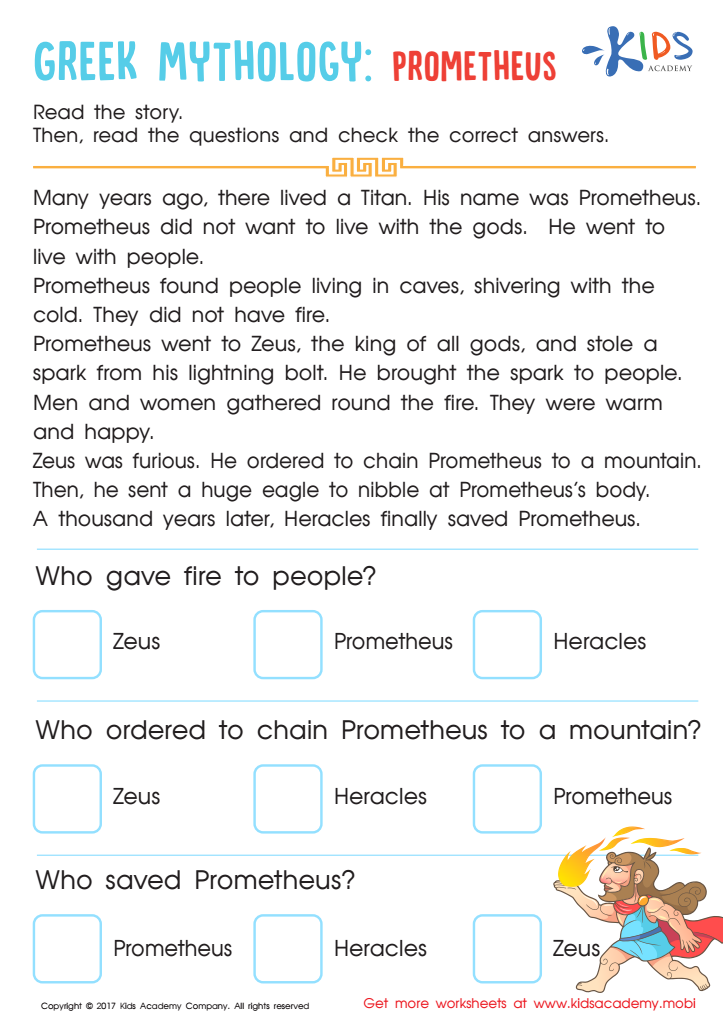
Prometheus Story Worksheet
 Assign to My Students
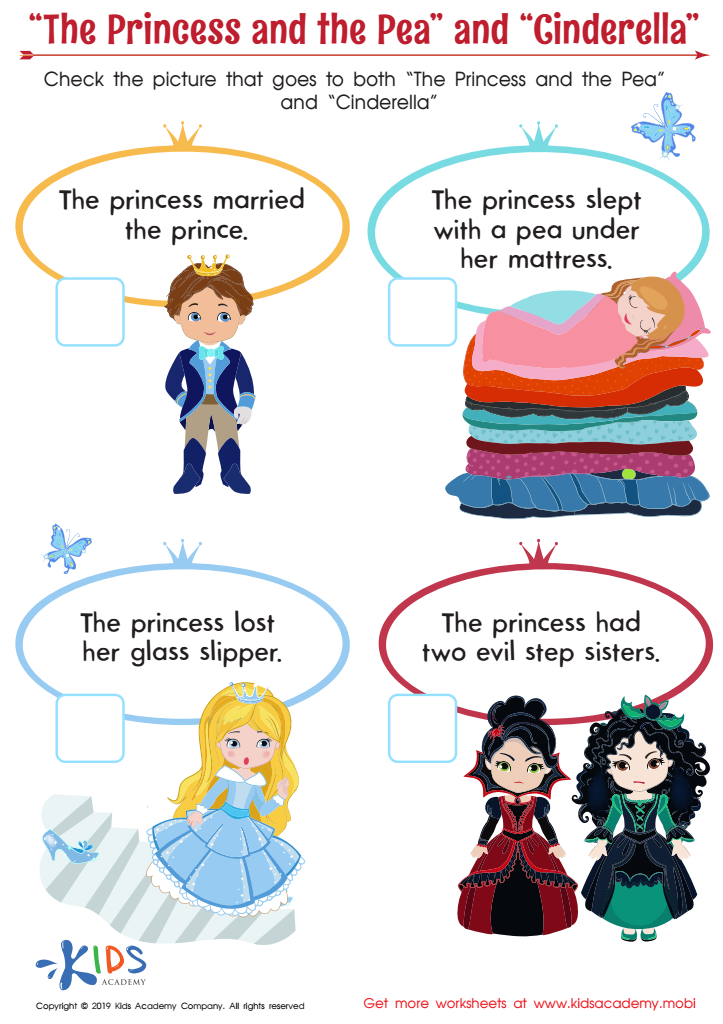
“The Princess and the Pea” and “Cinderella” Worksheet
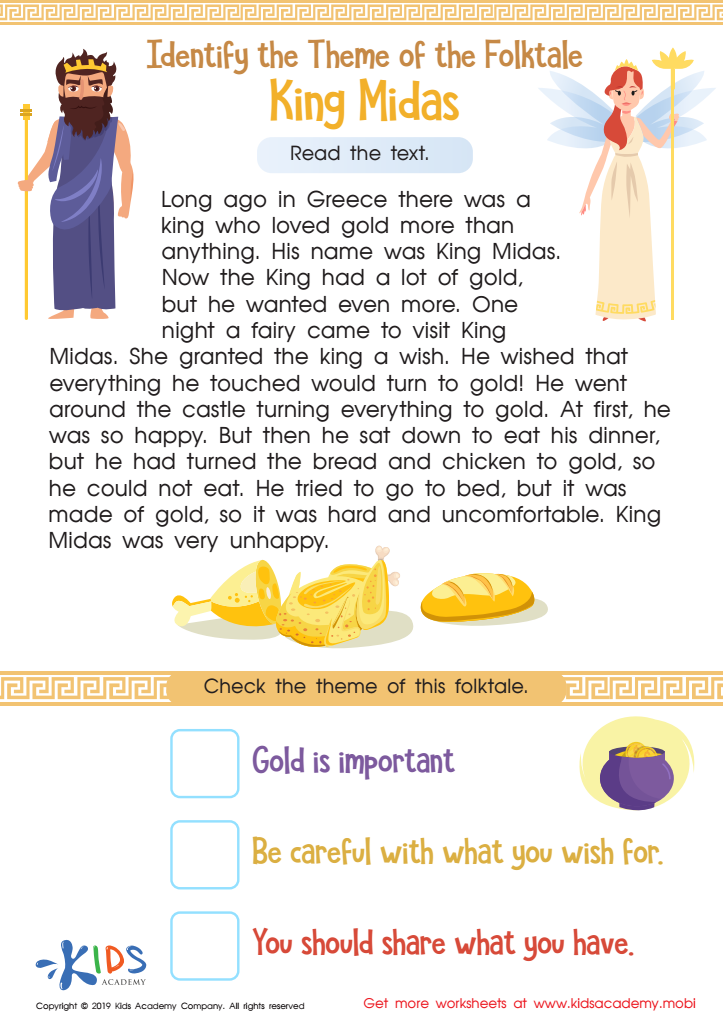
King Midas Worksheet
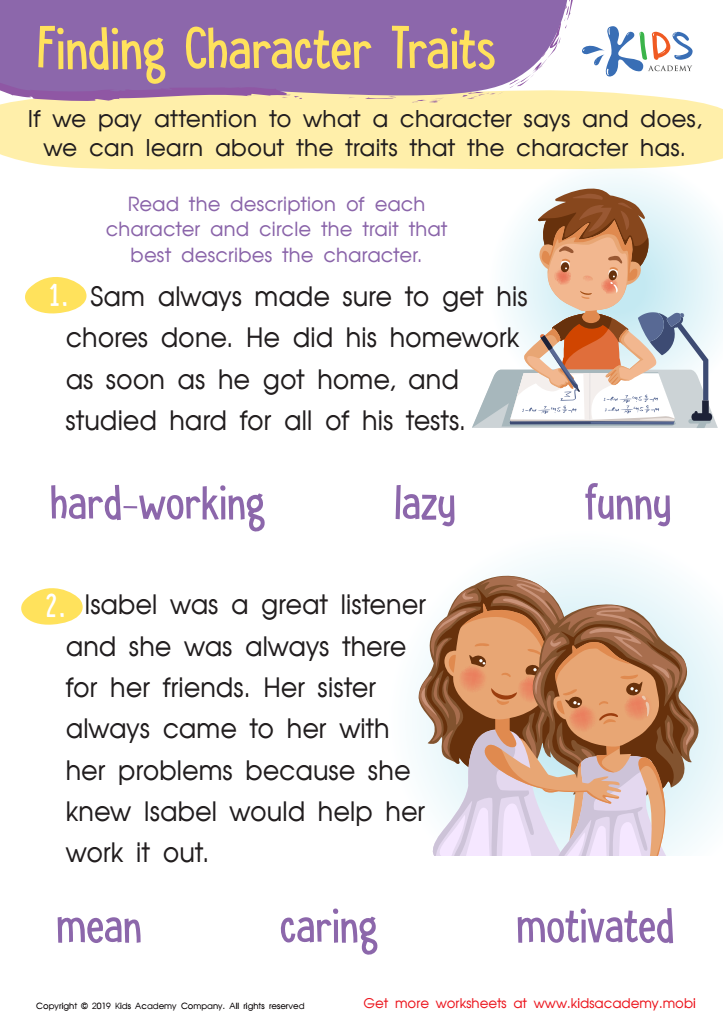
Finding Character Traits Worksheet
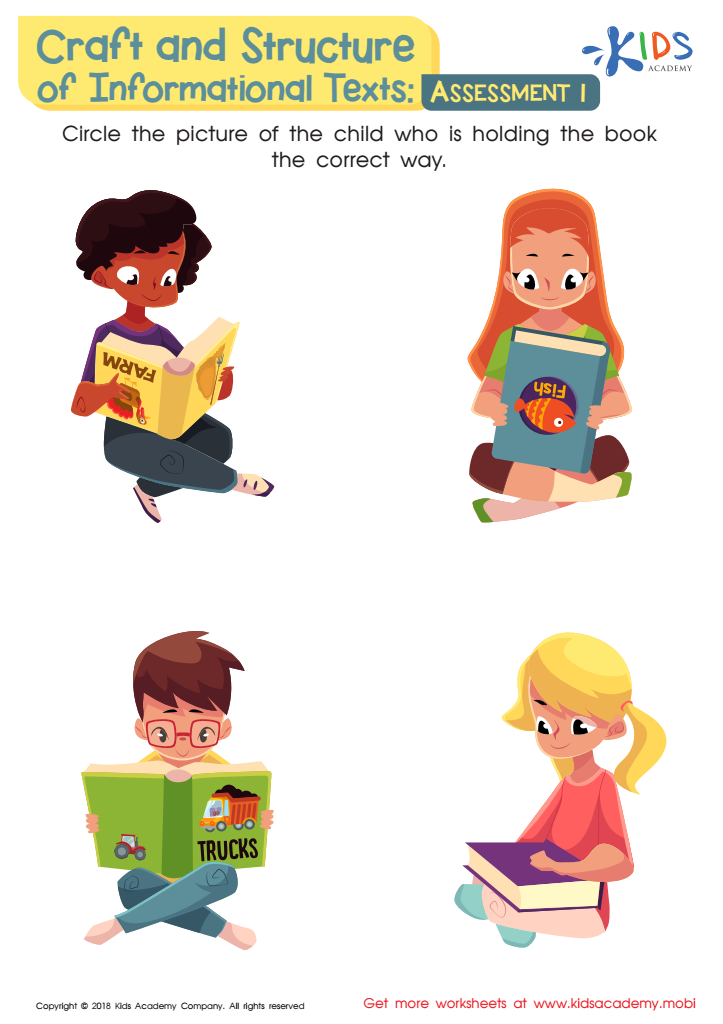
Craft and Structure of Informational Texts: Assessment 1 Worksheet








Vocabulary development through normal reading fiction for ages 4-9 is crucial for several reasons. First, this age bracket represents a critical period for language acquisition. The words children encounter during these years form the foundation of their linguistic abilities. By exploring fiction, children are exposed to diverse vocabulary in context, helping them understand word meanings and uses naturally.
Additionally, a strong vocabulary is closely linked to reading comprehension. The more words children know, the better they can grasp the overall meaning of the texts they read. This, in turn, fosters a positive reading experience, encouraging a lifelong love for reading.
Fictional stories also stimulate imagination and creativity. They introduce children to different scenarios, characters, and cultures, broaden their horizons, and enrich their emotional intelligence. Considering the emotional and social aspects, vocabulary development through story plots can help children express their thoughts, feelings, and opinions more clearly, fostering better communication skills.
Parents and teachers should also consider that children with robust vocabularies tend to perform better academically. A well-rounded vocabulary aids in tackling more complex subjects and enhances cognitive skills, including critical thinking and problem-solving. Therefore, prioritizing vocabulary development through normal reading fiction sets a solid educational foundation and contributes profoundly to a child's overall growth and future success.







