Analyzing data Normal Science Worksheets for Ages 4-9
5 filtered results
-
From - To
"Analyzing Data Normal Science Worksheets for Ages 4-9" are designed to enhance young learners' critical thinking and problem-solving abilities. These engaging worksheets help kids explore scientific concepts through fun activities that encourage observing, recording, and interpreting data. Tailored for children aged 4-9, each worksheet fosters curiosity and foundational science skills in an interactive way, making learning both enjoyable and educational. Ideal for classroom use or at-home practice, these resources support parents and teachers in nurturing young scientists and preparing them for a lifetime of discovery and scientific inquiry. Empower your child's learning journey with our comprehensive science worksheets.
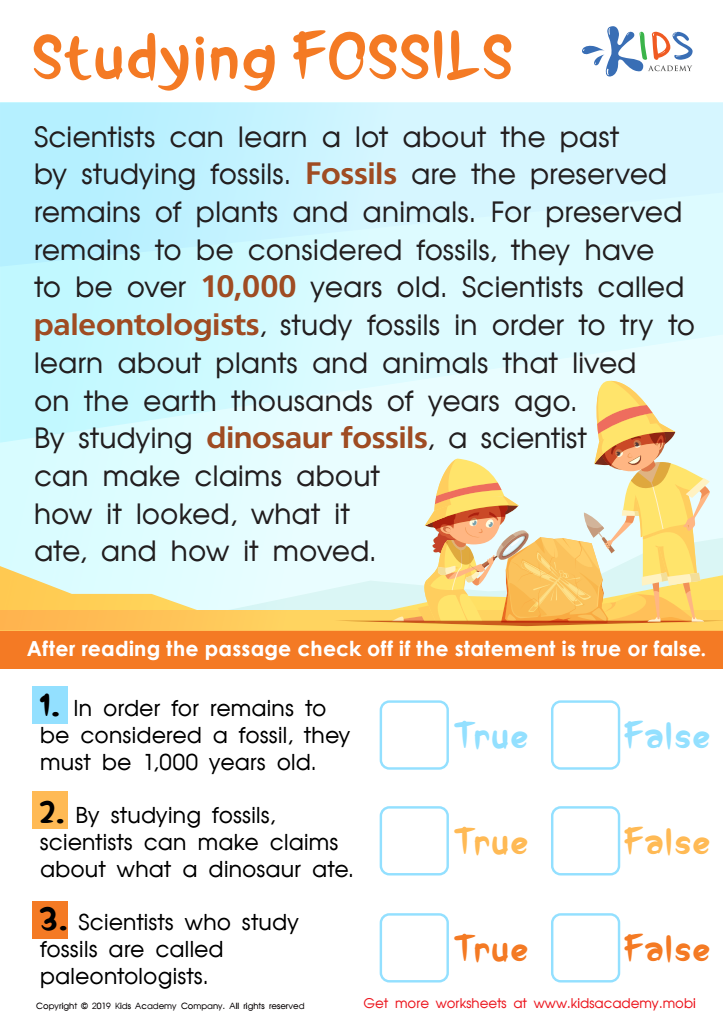
Studying Fossils Worksheet
 Assign to My Students
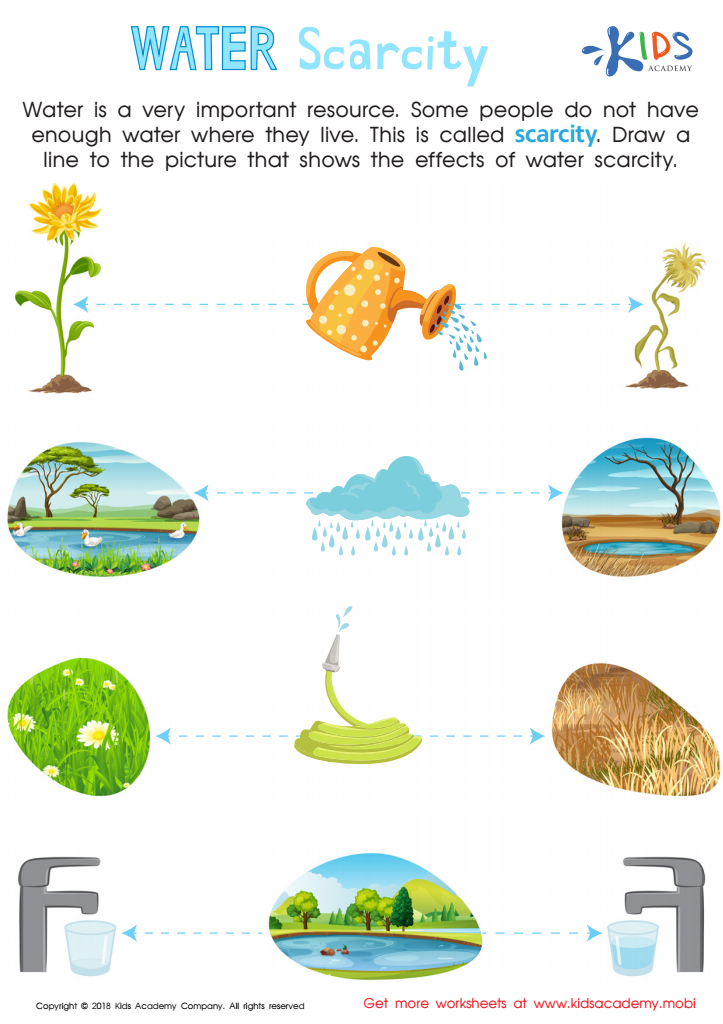
Water Scarcity Worksheet
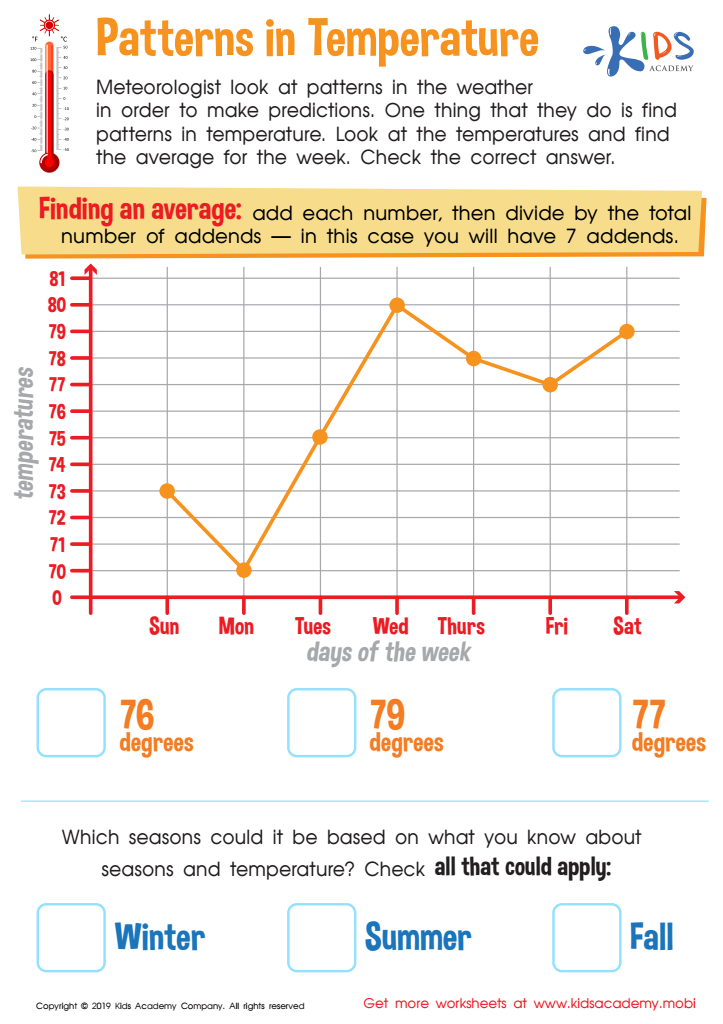
Patterns in Temperature Worksheet
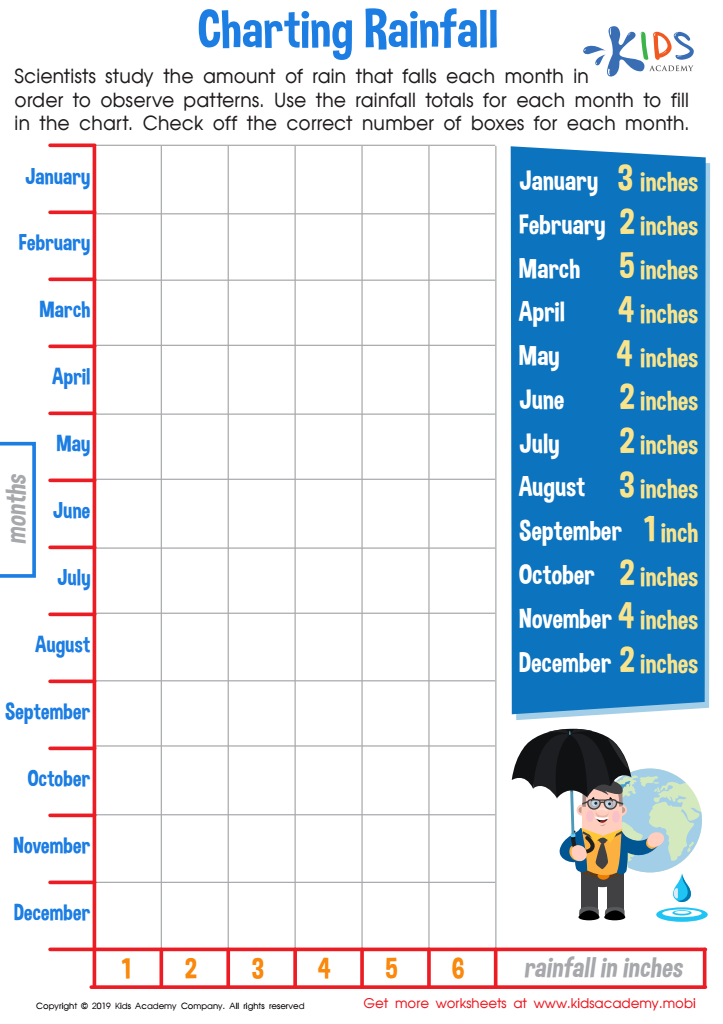
Charting Rainfall Worksheet
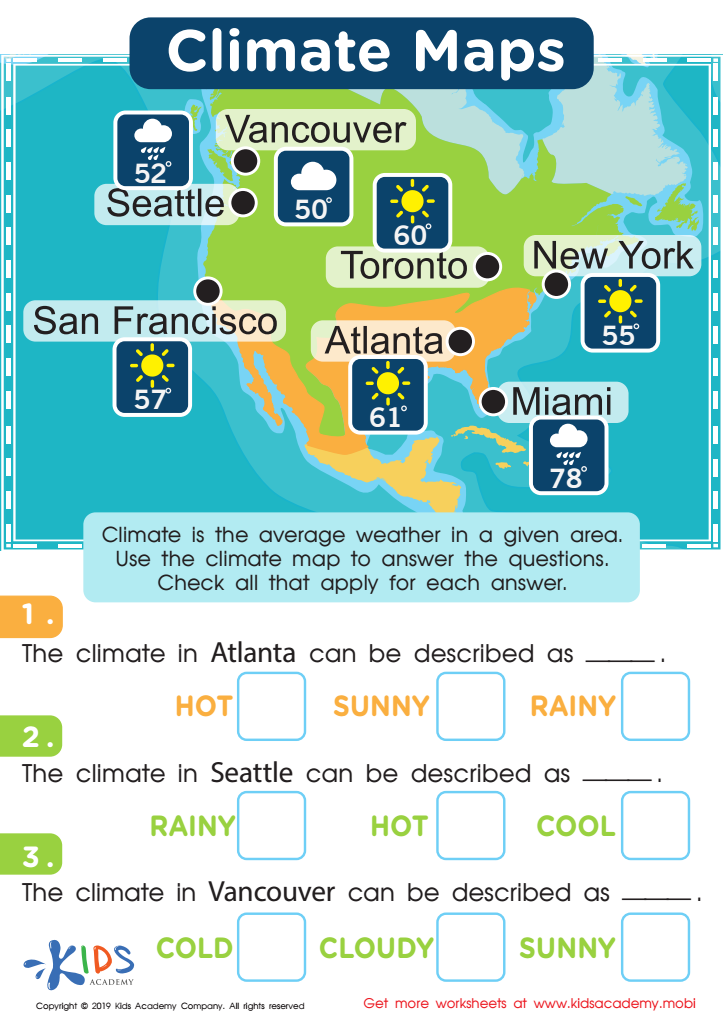
Climate Maps Worksheet






Analyzing data within the realm of early STEM (Science, Technology, Engineering, and Mathematics) education for ages 4-9 lays a critical foundation for lifelong learning and cognitive development. At this early stage, children are naturally curious and excellent at observing their surroundings, asking questions, and making predictions. Introducing them to data analysis hones these innate abilities and turns everyday observations into structured learning experiences. When children are guided to collect, organize, and interpret simple data, they're not just learning basic math and science concepts, they're also acquiring essential problem-solving skills.
Parents and teachers play crucial roles in this learning process. By engaging in data analysis, kids learn to be systematic in their thinking, sharpening both their numeracy and literacy skills. This skillset is increasingly fundamental as data-driven decision-making becomes more prevalent in all realms of life, be it health, environment, or technology. Additionally, these activities encourage collaborative learning, communication, and the ability to work through challenges—a suite of 21st-century skills vital for future success. By prioritizing data literacy from a young age, parents and teachers can cultivate a generation well-equipped to navigate and contribute to an increasingly complex world.
Thus, valuing data analysis in early science education supports holistic child development, enhancing both intellectual and personal growth trajectories.







