Comparative analysis Normal Science Worksheets for Ages 4-9
3 filtered results
-
From - To
Discover our engaging Comparative Analysis Normal Science Worksheets designed specifically for children aged 4-9. These educational materials aim to enhance critical thinking and analytical skills while making learning fun! Your little learners will explore various topics, comparing and contrasting concepts in nature, animals, and everyday science phenomena. With interactive exercises and colorful illustrations, these worksheets cater to different learning styles, keeping young minds stimulated. Perfect for both classroom settings and home education, our resources foster a love for science from an early age. Equip your child with the tools they need to observe, reason, and understand the world around them through comparative analysis!
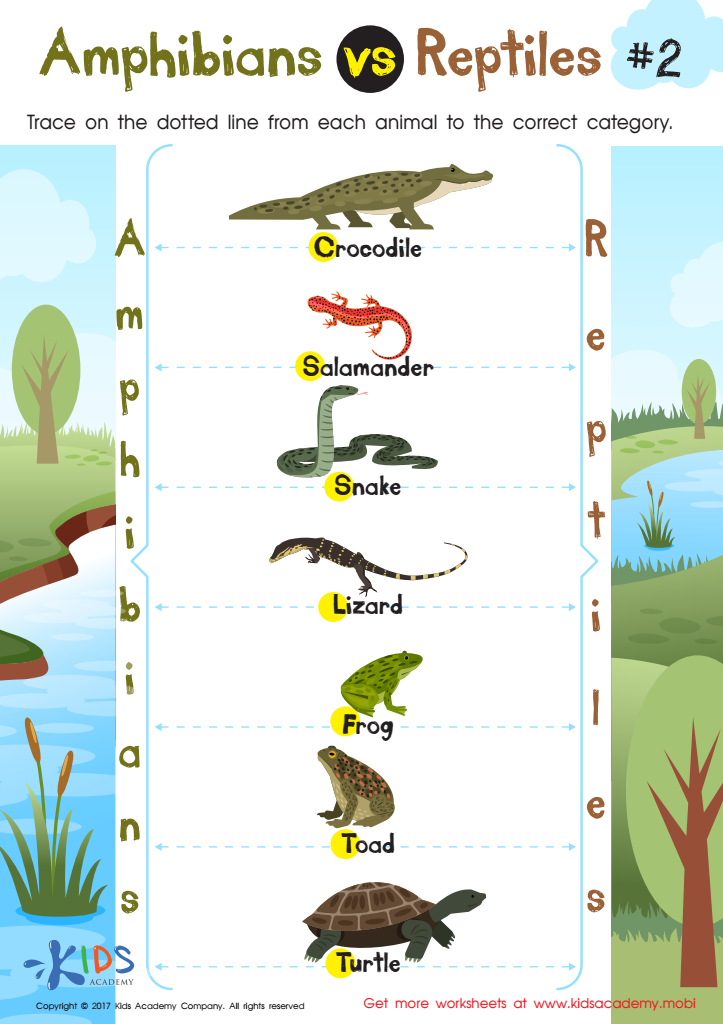
Amphibians vs Reptiles Worksheet for 3rd Grade
 Assign to My Students
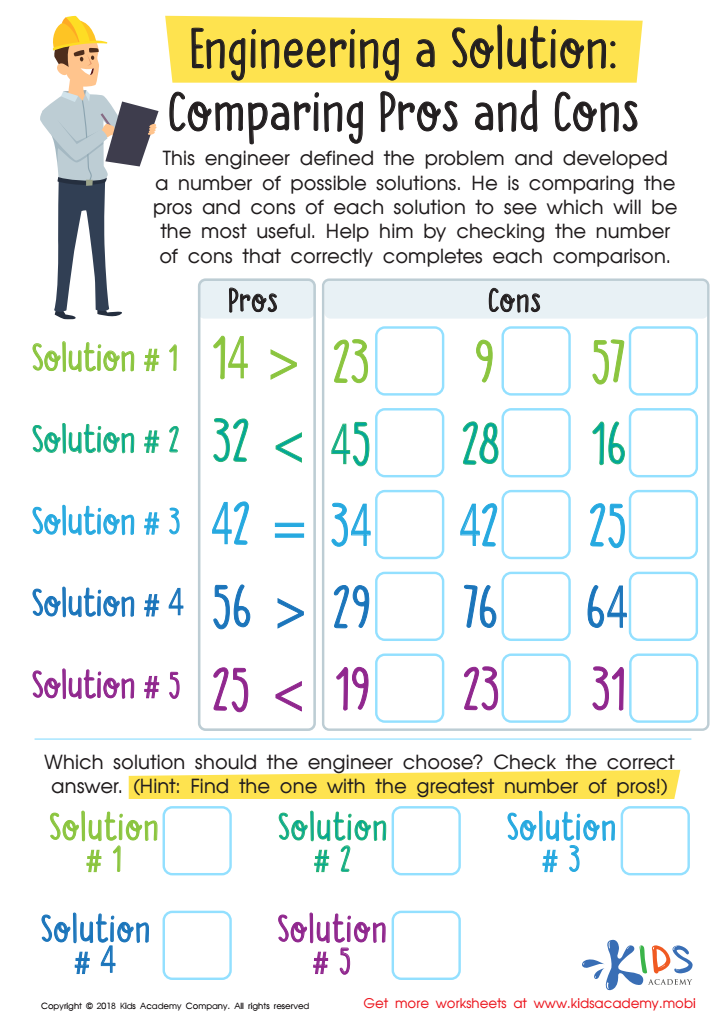
Engineering a Solution: Comparing Pros and Cons Worksheet
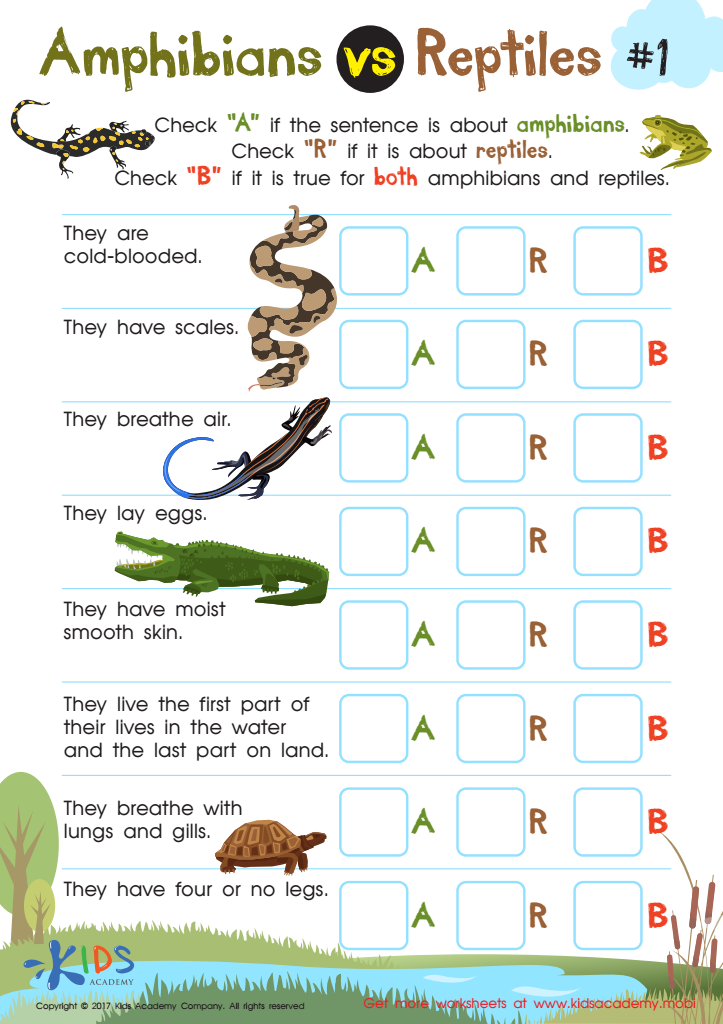
Amphibians vs Reptiles Worksheet



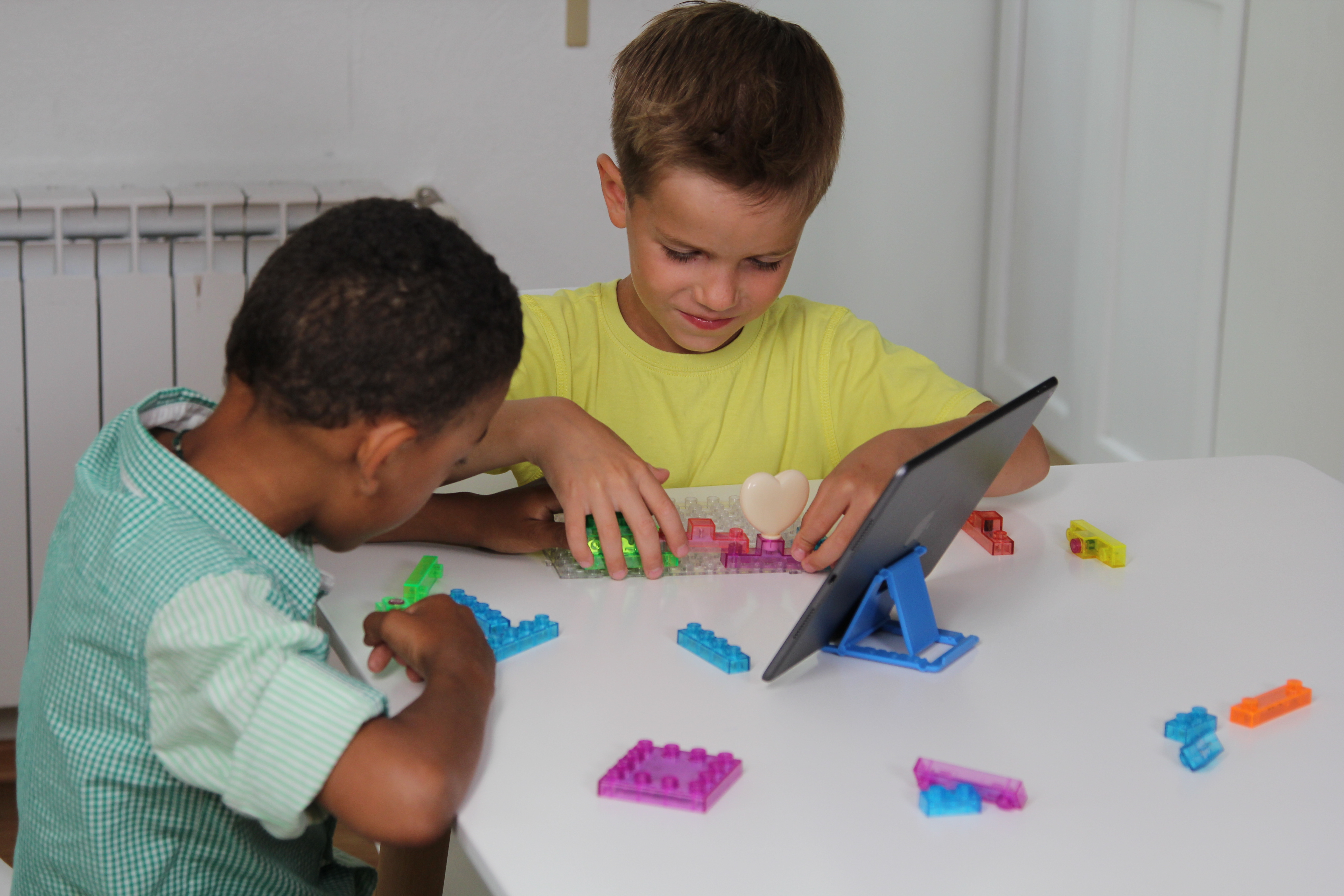



Comparative analysis in normal science is essential for young learners, particularly ages 4-9, as it nurtures critical thinking and cognitive skills. This pedagogical approach enables children to observe differences and similarities between various phenomena, fostering a deeper understanding of their environment. Engaging in comparative analysis encourages curiosity and promotes active learning, helping children formulate questions and explore scientific concepts.
For parents and teachers, it’s vital to integrate this method into daily activities, as it does more than enhance comprehension; it also develops essential skills such as reasoning, problem-solving, and decision-making. For instance, comparing habitats in nature can spark interests in biology, while exploring changes in weather patterns can introduce children to principles of meteorology.
Moreover, embracing comparative analysis boosts children's confidence in expressing their observations. They learn to articulate their thoughts, collaborate with peers, and appreciate diverse perspectives, laying the groundwork for future learning and societal interaction. In today's fast-paced, information-rich world, equipping young minds with the ability to analyze and compare is crucial for lifelong success and adaptability. As such, incorporating comparative analysis in science education at an early age is not just beneficial; it is foundational for holistic development in children.







