Developing critical thinking Normal Science Worksheets for Ages 4-9
3 filtered results
-
From - To
Unlock your child's potential with our "Developing Critical Thinking Normal Science Worksheets" designed specifically for ages 4-9. These engaging, age-appropriate worksheets encourage young learners to think critically as they explore the wonders of science. Each activity promotes problem-solving skills, observation, and analytical thinking through fun and interactive exercises. Whether it’s identifying patterns, classifying objects, or making predictions, our worksheets provide a solid foundation for scientific inquiry. With varied themes and hands-on activities, your child will enjoy learning while developing essential critical thinking skills. Empower your child's intellectual growth today and watch them thrive in their scientific journey!
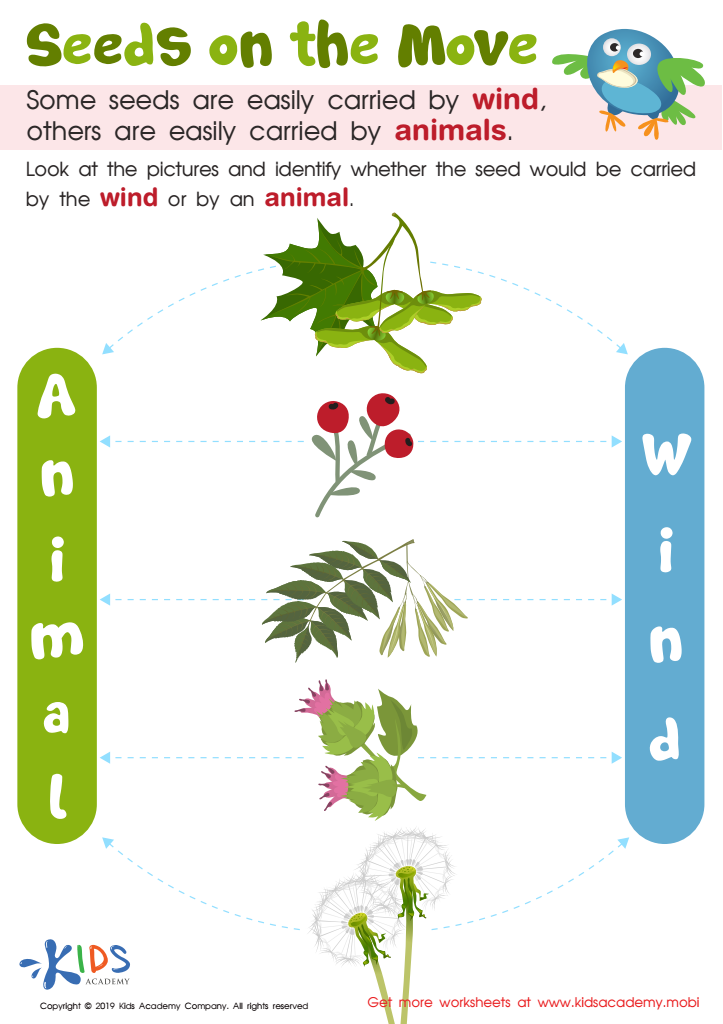
Seeds on the Move Worksheet
 Assign to My Students
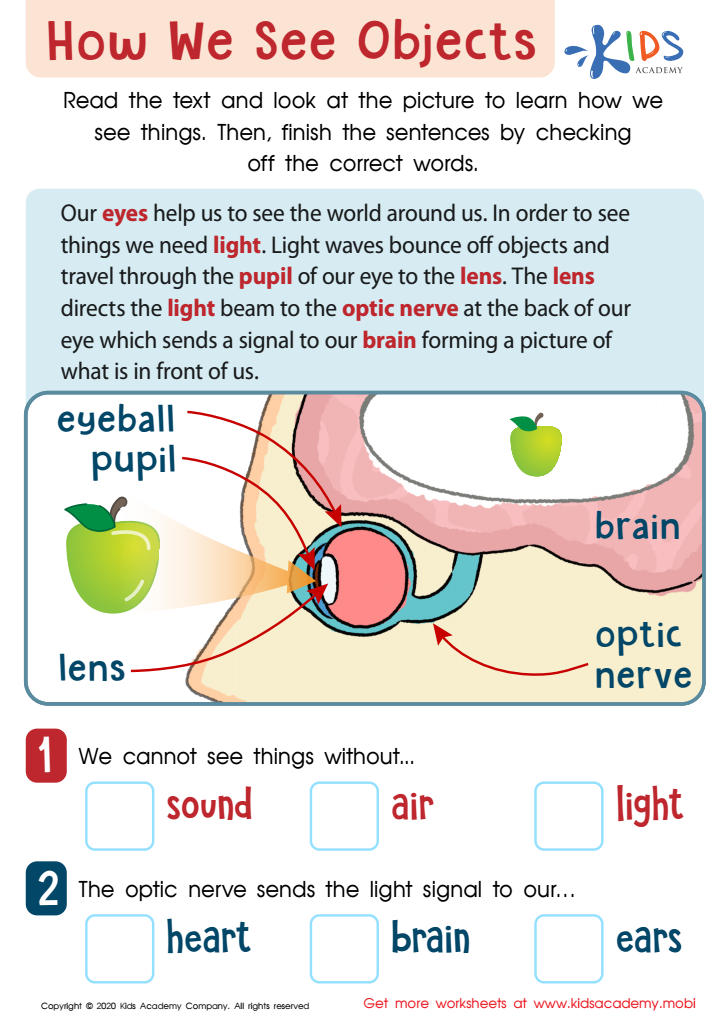
How We See Objects Worksheet
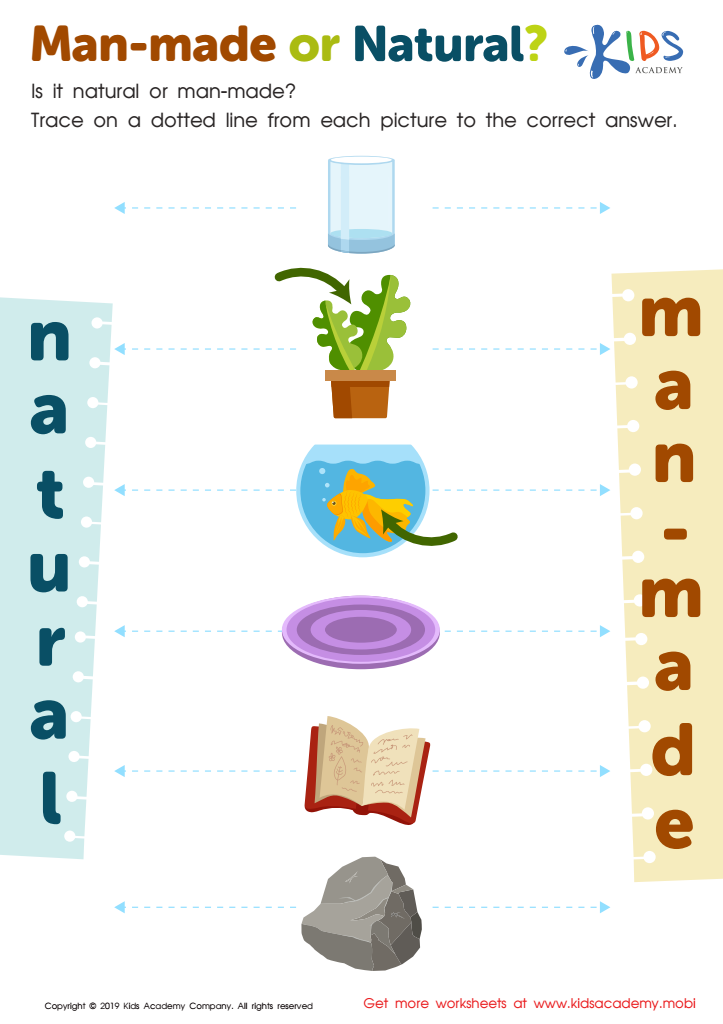
Man-Made or Natural? Worksheet







Developing critical thinking skills in children aged 4-9 is essential for several reasons, making it crucial for both parents and teachers to prioritize this aspect of learning.
Firstly, critical thinking fosters independence and problem-solving abilities. In this age group, children are naturally curious, and encouraging them to ask questions and seek evidence helps to build their analytical skills. These skills are not just academic; they also shape decision-making abilities that last a lifetime.
Secondly, normal science — understanding the natural world — provides a practical framework for engaging in critical thinking. It encourages children to explore, hypothesize, experiment, and draw conclusions based on observations. Through hands-on activities and interactive learning, young learners develop a sense of inquiry that helps them connect various concepts and apply knowledge effectively.
Furthermore, critical thinking promotes healthy skepticism. By teaching children to assess information critically, parents and teachers equip them to navigate an increasingly complex world filled with varying viewpoints and misinformation.
Ultimately, instilling critical thinking in early childhood serves as the foundation for lifelong learning and fosters adaptability in a rapidly changing society. Engaged, thoughtful learners become innovative problem solvers, ready to tackle the challenges and opportunities of the future.







