Improving vocabulary Normal Science Worksheets for Ages 4-9
3 filtered results
-
From - To
Enhance your child's vocabulary with our engaging Normal Science Worksheets designed specifically for ages 4-9. These worksheets offer a fun and interactive way to learn essential science terminology, fostering a deeper understanding of the natural world. Through exciting activities, children will explore key concepts while developing language skills critical for their academic growth. Each worksheet is crafted to support young learners as they connect vocabulary to real-life experiences, sparking curiosity and encouraging exploration. Ideal for home or classroom use, our resources are aligned with educational standards and promote independent learning. Unlock your child's potential with these essential vocabulary-building tools!
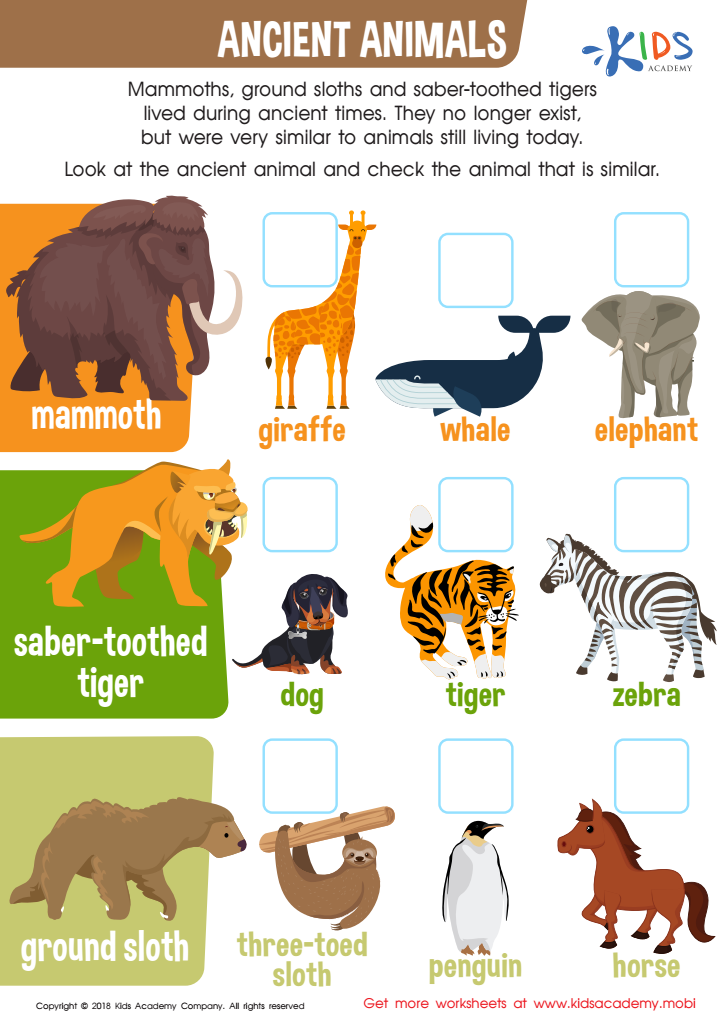
Ancient Animals Worksheet
 Assign to My Students
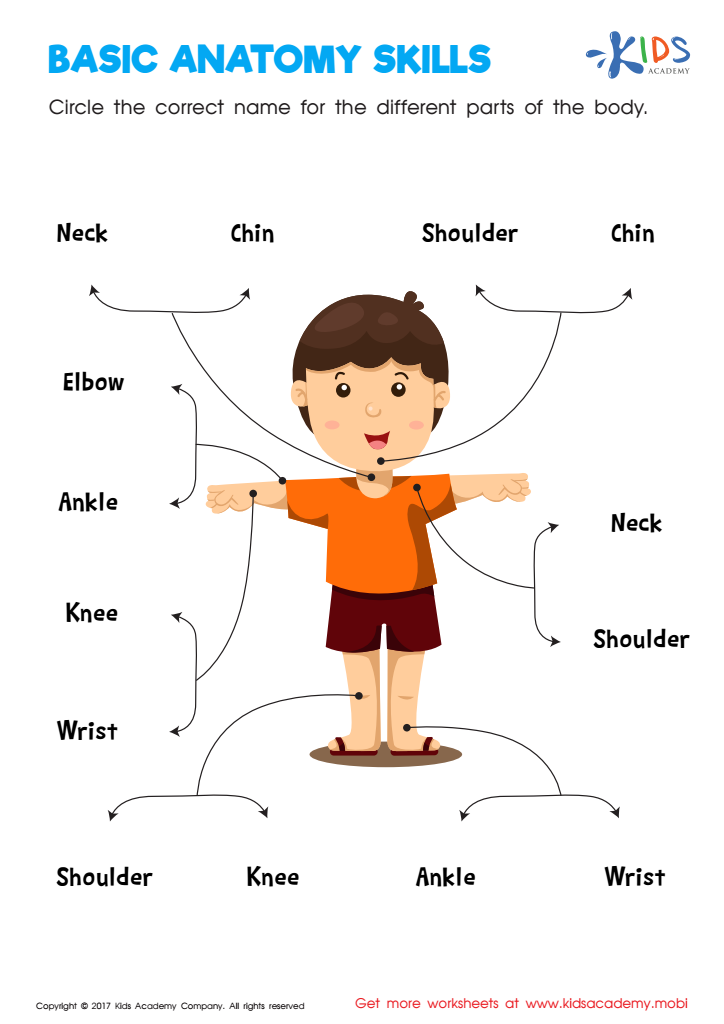
Basic Anatomy Skills Printable
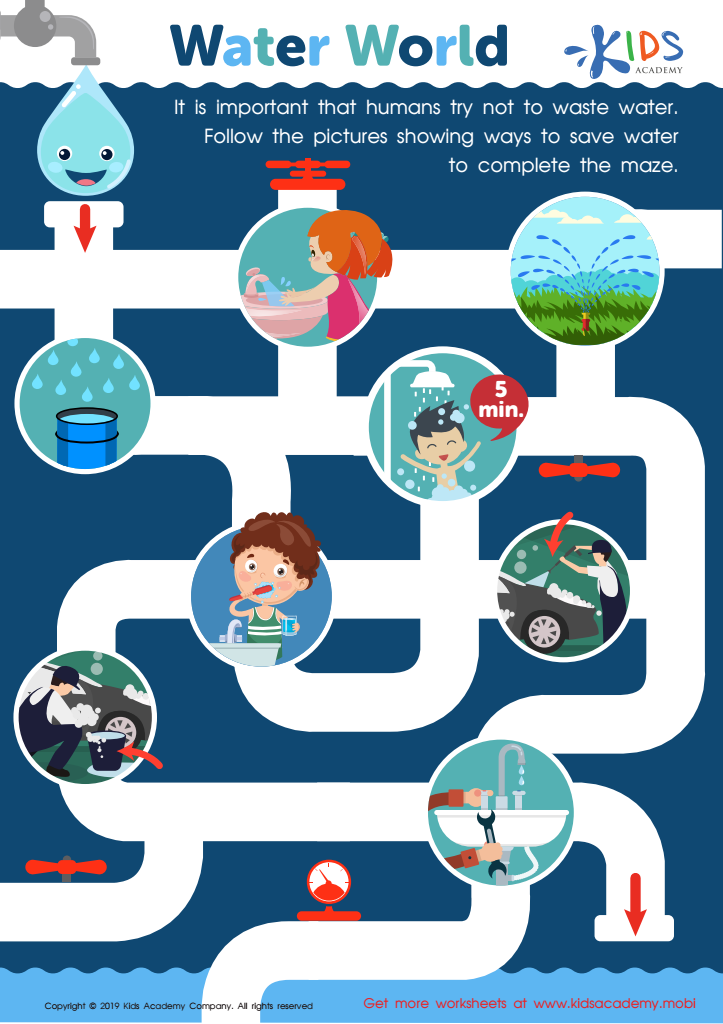
Water World Worksheet








Improving vocabulary in early childhood education, particularly for children ages 4-9, is vital for several reasons. First, a robust vocabulary lays the foundation for effective communication skills. Children who possess a rich vocabulary can articulate their thoughts and feelings more clearly, which enhances their self-confidence and social interactions.
Moreover, vocabulary development is closely linked to reading comprehension. Early exposure to a diverse range of words enables children to understand and engage with texts more effectively, fostering a love for reading. As they encounter new vocabulary in various contexts, their cognitive skills grow, promoting critical thinking and creativity.
Understanding "Normal Science," or the basic concepts of scientific inquiry, can be difficult for young learners without the right vocabulary. Introducing age-appropriate scientific terms supports their grasp of fundamental scientific ideas and encourages curiosity. Familiarity with such vocabulary not only helps children in school but also in real-life applications, creating a sense of wonder about the world around them.
By prioritizing vocabulary improvement, parents and teachers empower children to express themselves, cultivate critical literacy skills, and instill a lifelong passion for learning. These benefits underscore the importance of building a strong vocabulary foundation in early education.







