Science knowledge Normal Science Worksheets for Ages 4-9
3 filtered results
-
From - To
Explore our engaging Science Knowledge Normal Science Worksheets designed specifically for children aged 4-9! These worksheets provide interactive and fun activities that encourage young learners to explore basic scientific concepts. With colorful illustrations and easy-to-follow instructions, kids can investigate topics like plants, animals, and environmental changes. Each worksheet promotes critical thinking and helps develop foundational science skills through hands-on activities and exercises. Whether at home or in the classroom, our worksheets foster curiosity, promote inquiry, and make learning science enjoyable. Perfect for early grade teachers and parents alike, they are essential tools for cultivating the next generation of young scientists!
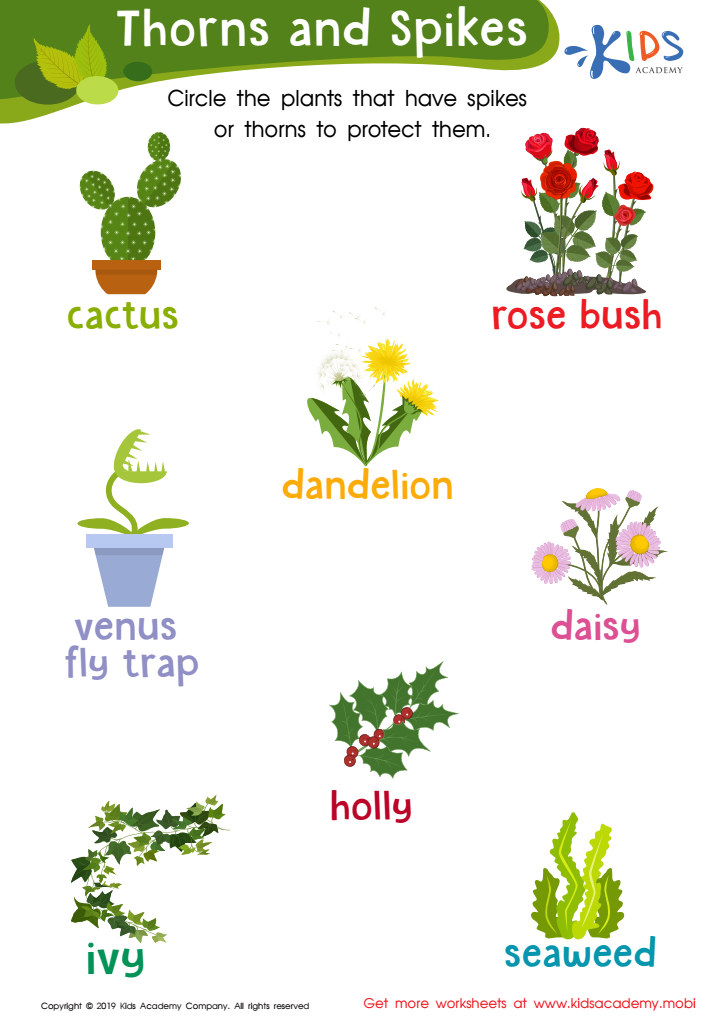
Thorns and Spikes Worksheet
 Assign to My Students
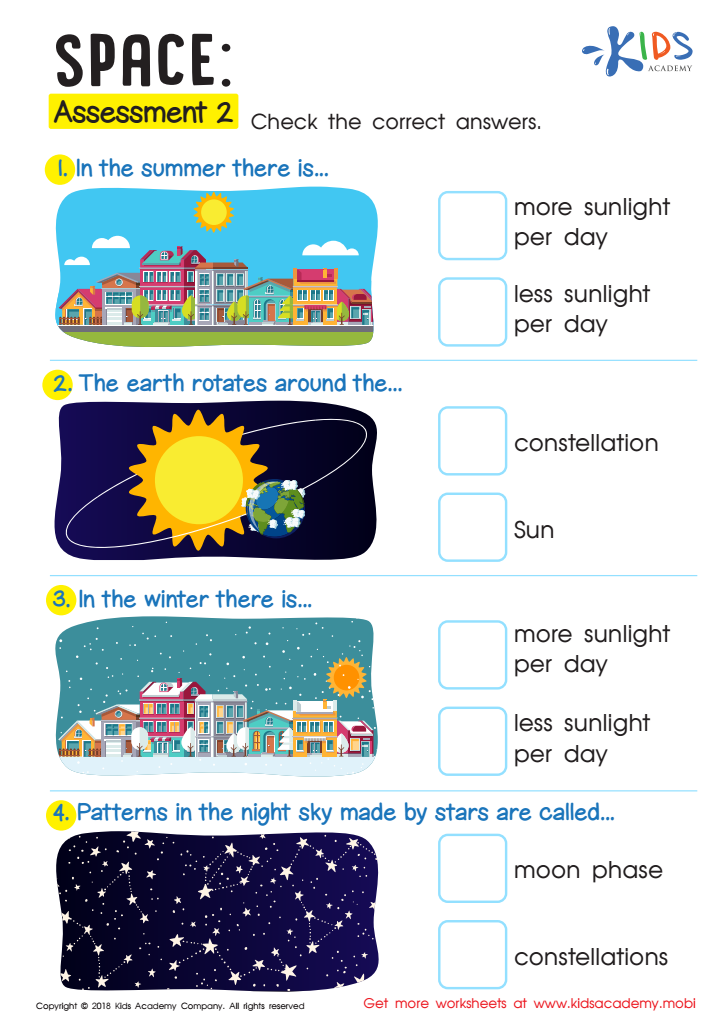
Space: Assessment 2 Worksheet





Parents and teachers should prioritize science knowledge, particularly Normal Science, for children aged 4-9, as it lays a foundational understanding of the world. At this tender age, children are naturally curious, constantly asking questions about their surroundings. Normal Science introduces young learners to basic scientific concepts through exploration and inquiry, fostering critical thinking skills and encouraging a sense of wonder.
Engaging with science cultivates important skills such as observation, experimentation, and problem-solving. Children learn to ask questions such as "Why does this happen?" or "How can we find out?" This inquisitive nature nurtures cognitive development and increases cognitive engagement. Furthermore, early exposure to science equips students with essential skills that align with future curriculums, especially as they advance their education.
In an increasingly technological world, a solid understanding of science fosters an appreciation for both the natural world and scientific advancements. Additionally, discussing science at a young age reduces anxiety around complex topics later in life, making science an approachable and enjoyable subject. Ultimately, encouraging interest in science promotes lifelong learning, critical reasoning, and a better understanding of the environment, nurturing informed and engaged future citizens.







