Analyzing data Normal Our Planet and Environment Worksheets for Ages 4-9
5 filtered results
-
From - To
Welcome to our engaging "Analyzing Data: Our Planet and Environment" worksheets designed for children ages 4-9. These interactive resources encourage young learners to explore vital environmental concepts through hands-on activities. Each worksheet focuses on cultivating analytical skills by guiding students in collecting, interpreting, and representing data related to nature and our planet. With colorful visuals and age-appropriate language, these worksheets make learning about the environment informative and fun. Perfect for classrooms or at-home learning, these resources nurture curiosity about Earth's wonders while promoting critical thinking. Give your child the tools to understand and appreciate the world around them!
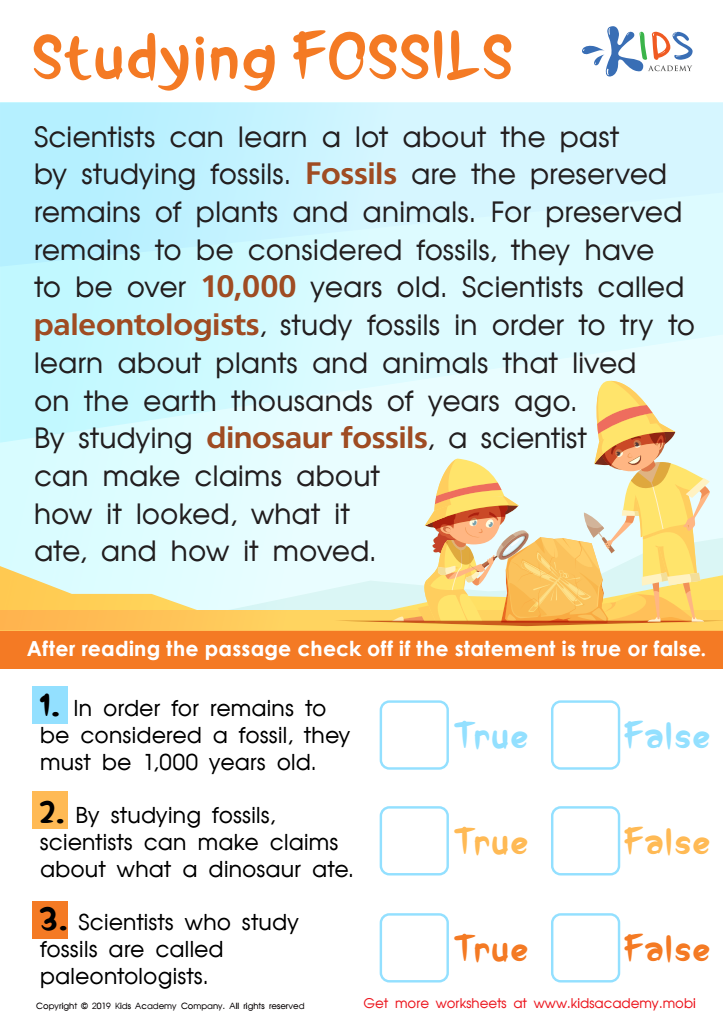
Studying Fossils Worksheet
 Assign to My Students
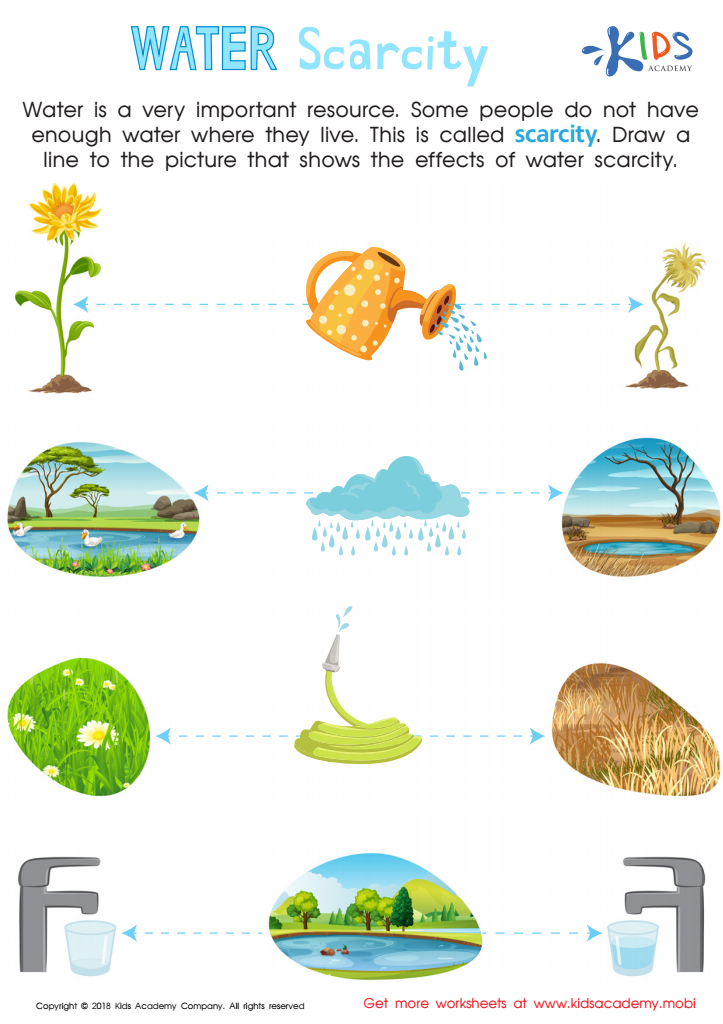
Water Scarcity Worksheet
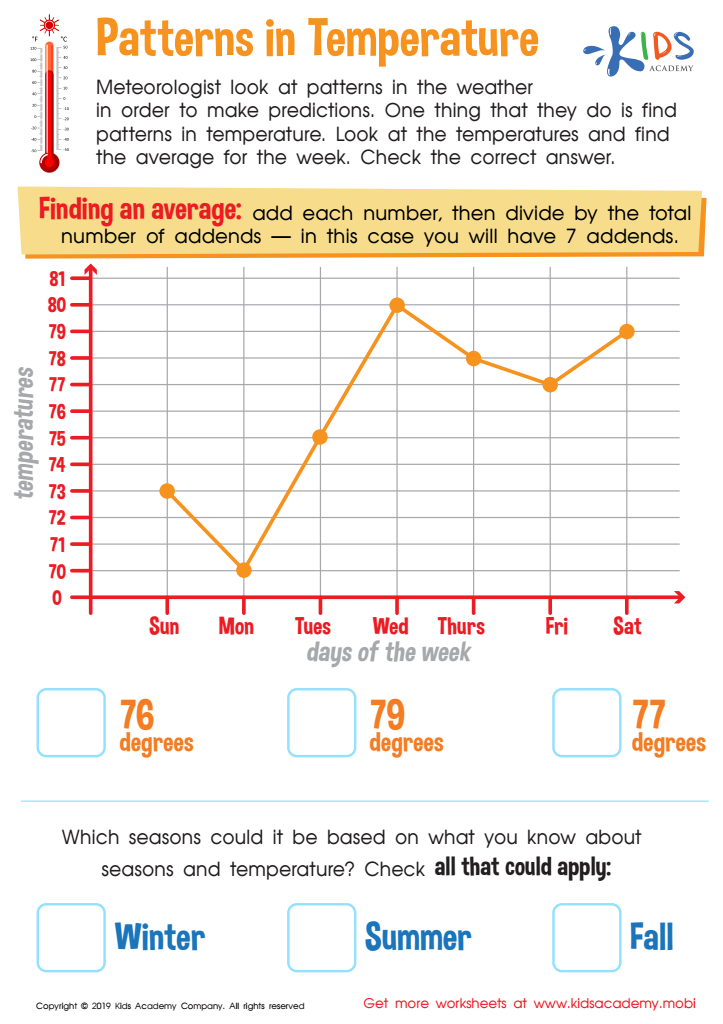
Patterns in Temperature Worksheet
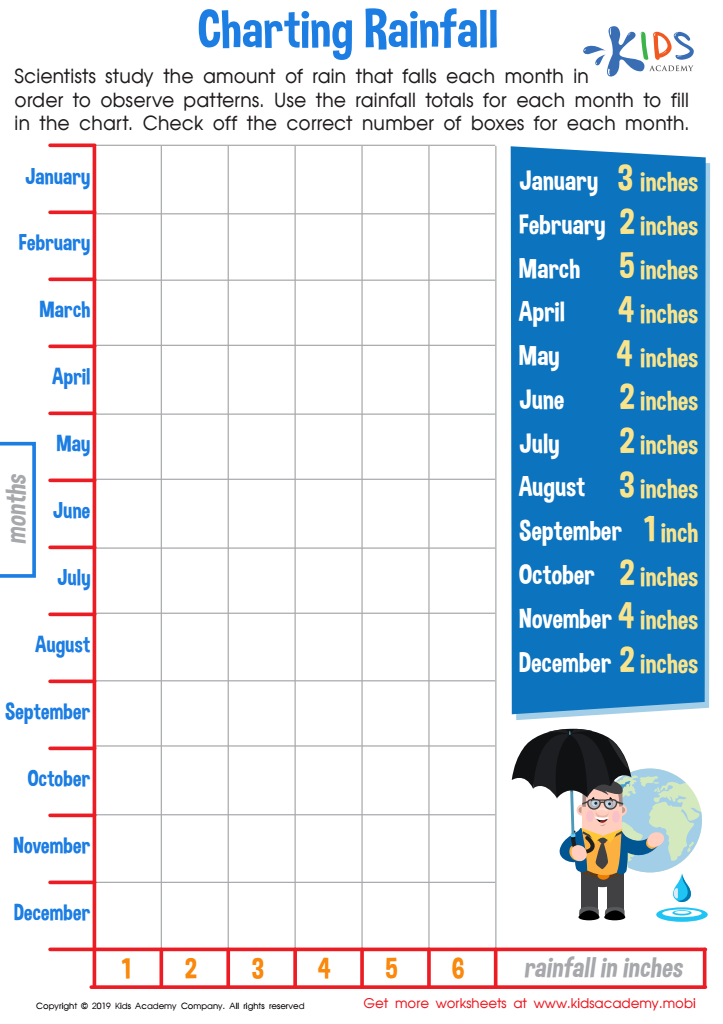
Charting Rainfall Worksheet
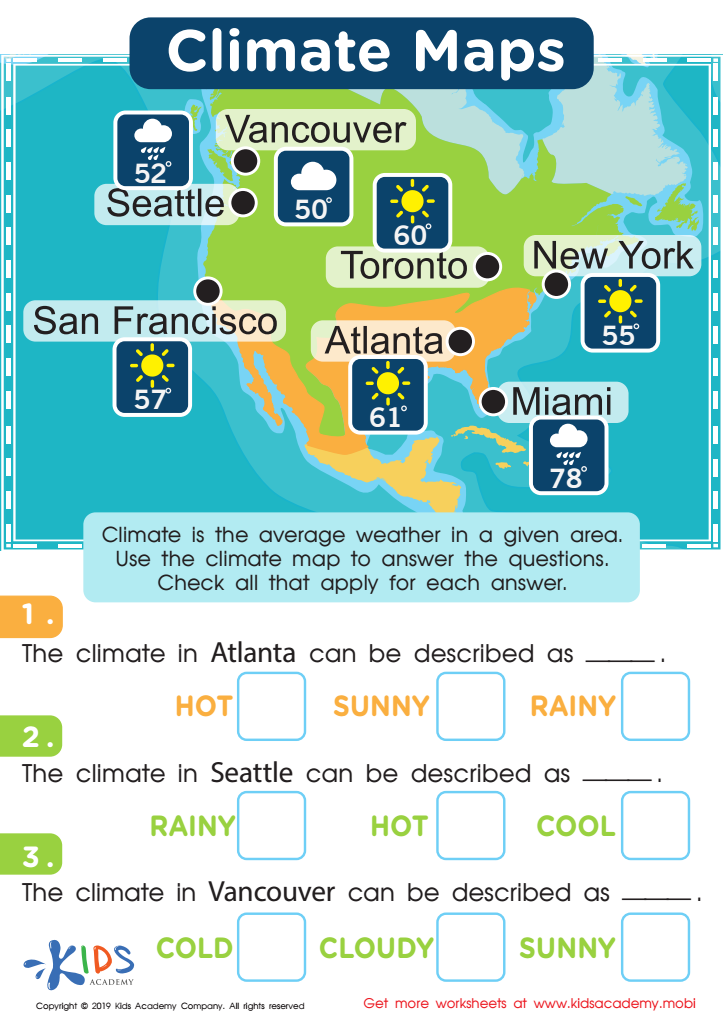
Climate Maps Worksheet





Analyzing data about our planet and environment is crucial for teachers and parents of children aged 4-9, as it cultivates a strong foundation for ecological literacy and responsible citizenship. During these early formative years, children are naturally curious and impressionable; exposing them to data about environmental issues can spark their interest in the world around them.
Understanding data relating to the environment encourages critical thinking and analytical skills, enabling young learners to explore patterns and consequences related to their actions and the planet's health. For instance, they can observe data on pollution levels or consequences of recycling, which can lead to discussions about sustainability and community involvement.
Furthermore, early exposure to environmental data fosters a sense of responsibility and stewardship for the planet. Kids learn that their actions can directly impact nature, prompting them to develop eco-friendly habits and become advocates for positive change. By engaging with this content in a playful and age-appropriate way, teachers and parents can inspire the next generation to cherish and protect our environment, helping to instill values that promote a sustainable future. Ultimately, nurturing this awareness can empower young minds to become informed, proactive citizens who care about the Earth.







