Categorization skills Normal Plants and Animals Worksheets for Ages 4-9
4 filtered results
-
From - To
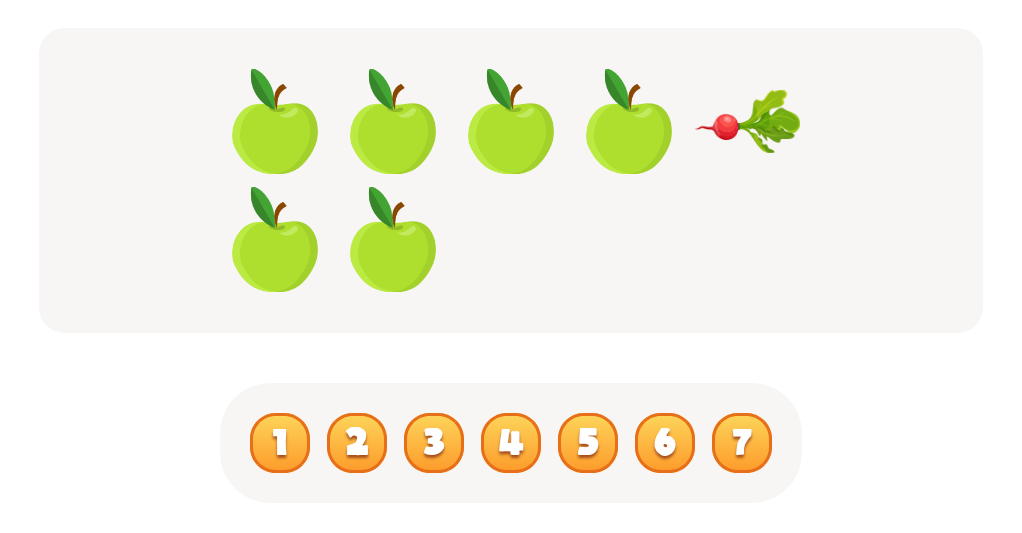
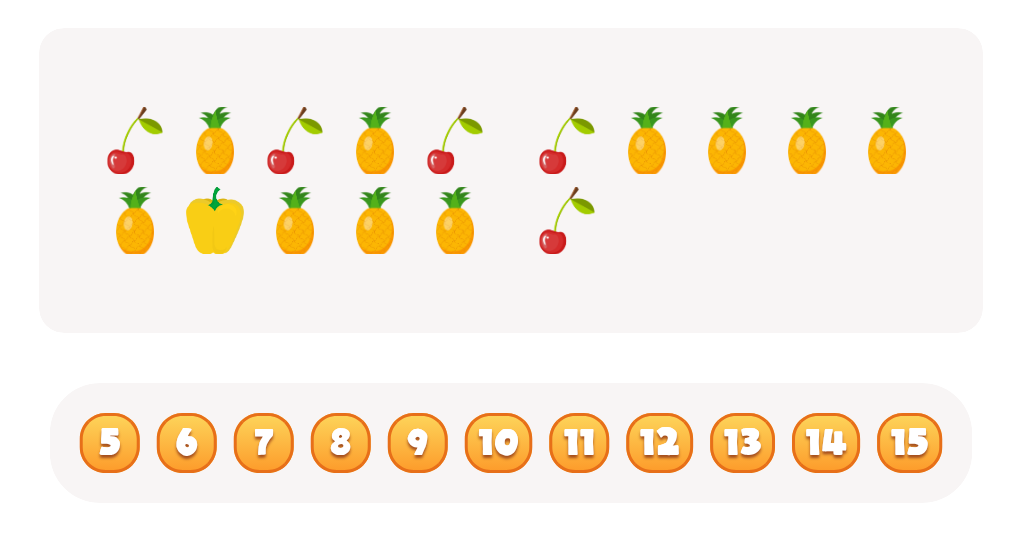
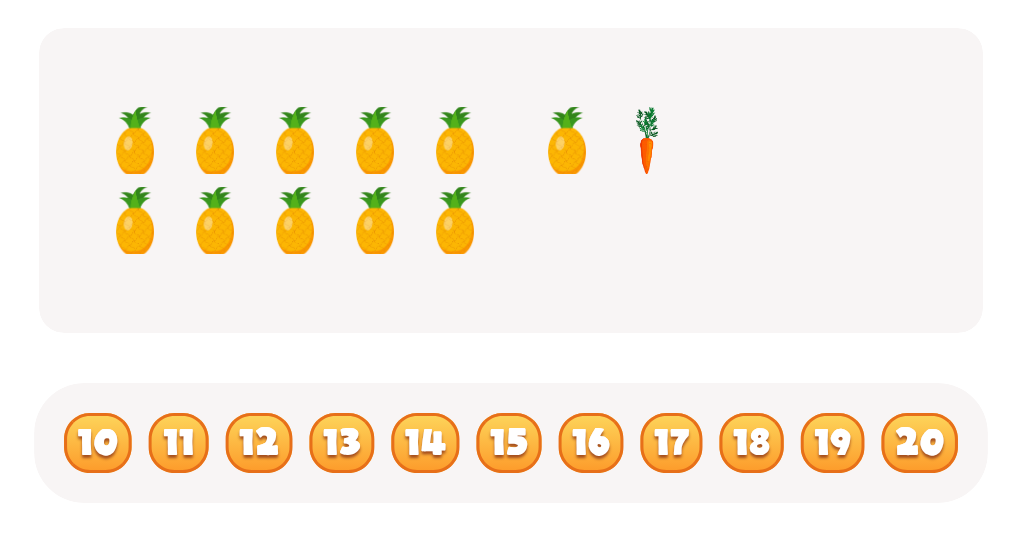
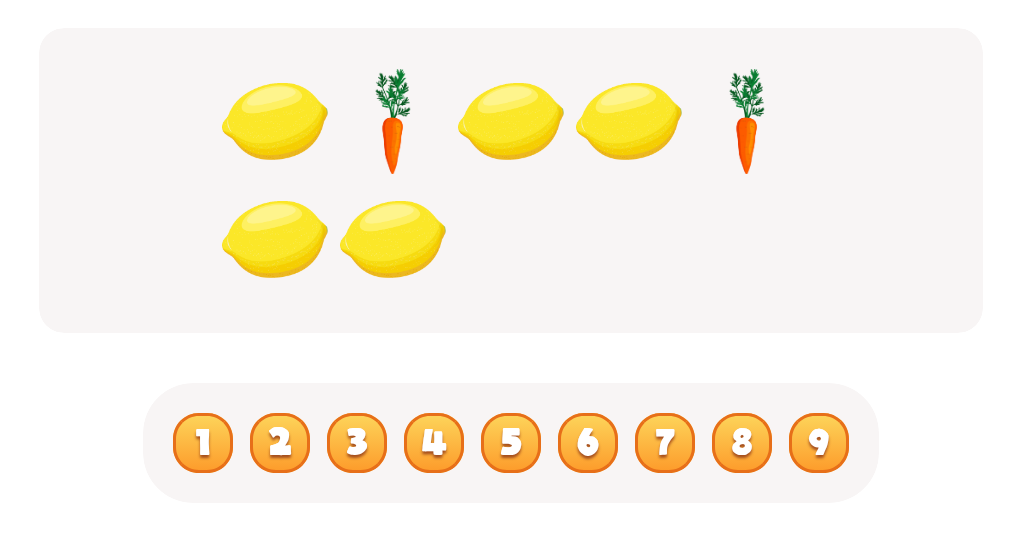
Enhance your child's learning experience with our "Categorization Skills: Normal Plants and Animals Worksheets" aimed at ages 4-9. These engaging, printable worksheets provide a fun way for young learners to identify, classify, and categorize various plants and animals. Designed to develop critical thinking, observation, and organization skills, each worksheet features vibrant illustrations and easy-to-follow activities. Children will explore the relationship between different species and their environments while boosting their cognitive development. Perfect for parents and teachers alike, these resources foster a love for science and nature through playful learning. Dive into the world of categorization and inspire curiosity today!
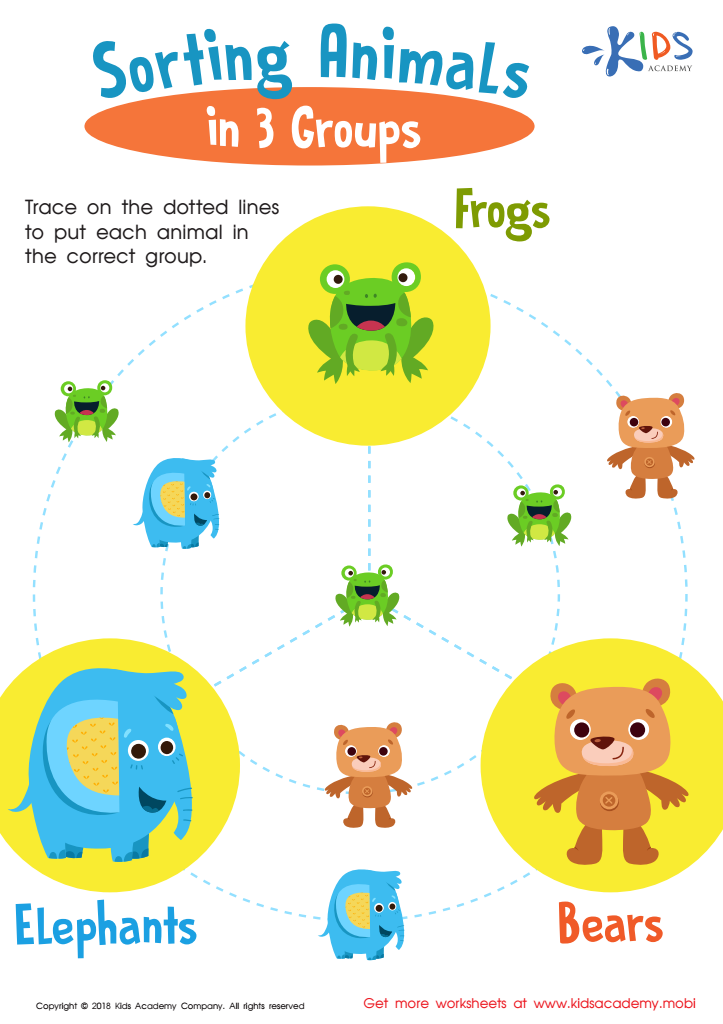
Sorting Animals in 3 Groups Worksheet
 Assign to My Students
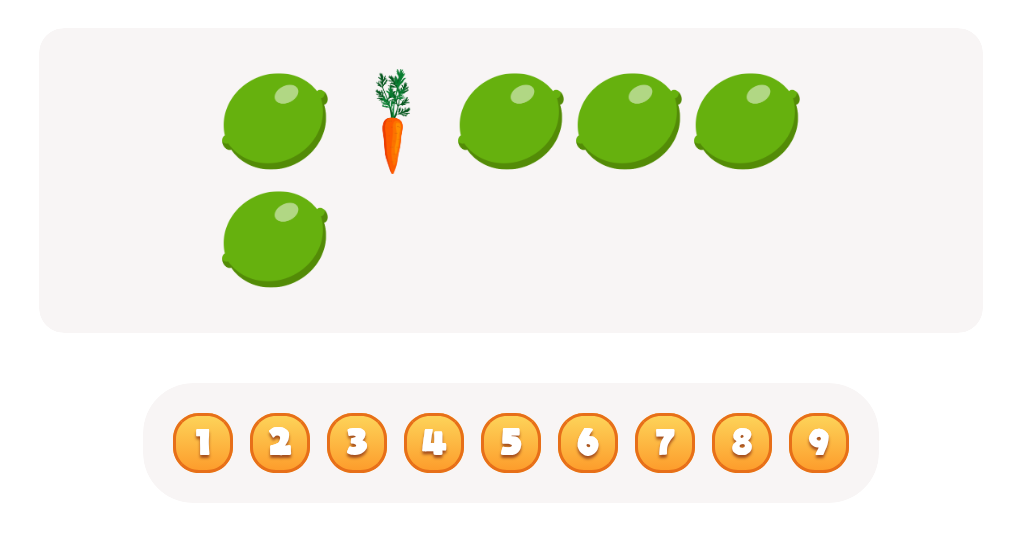

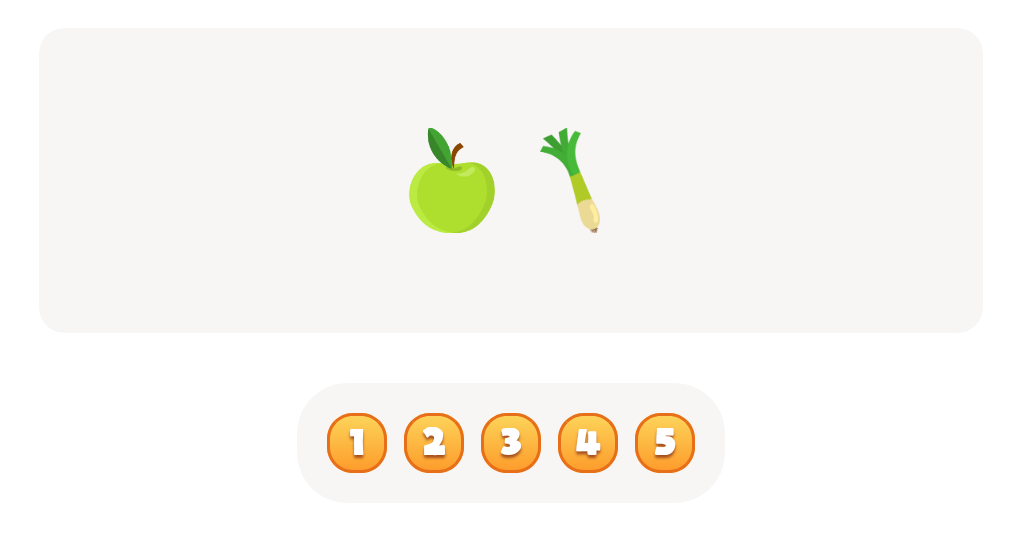
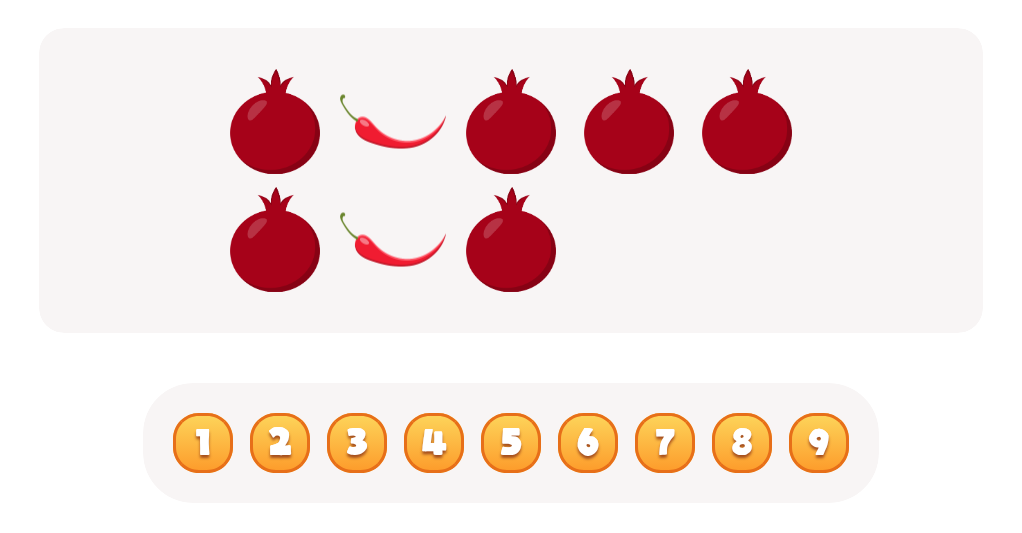
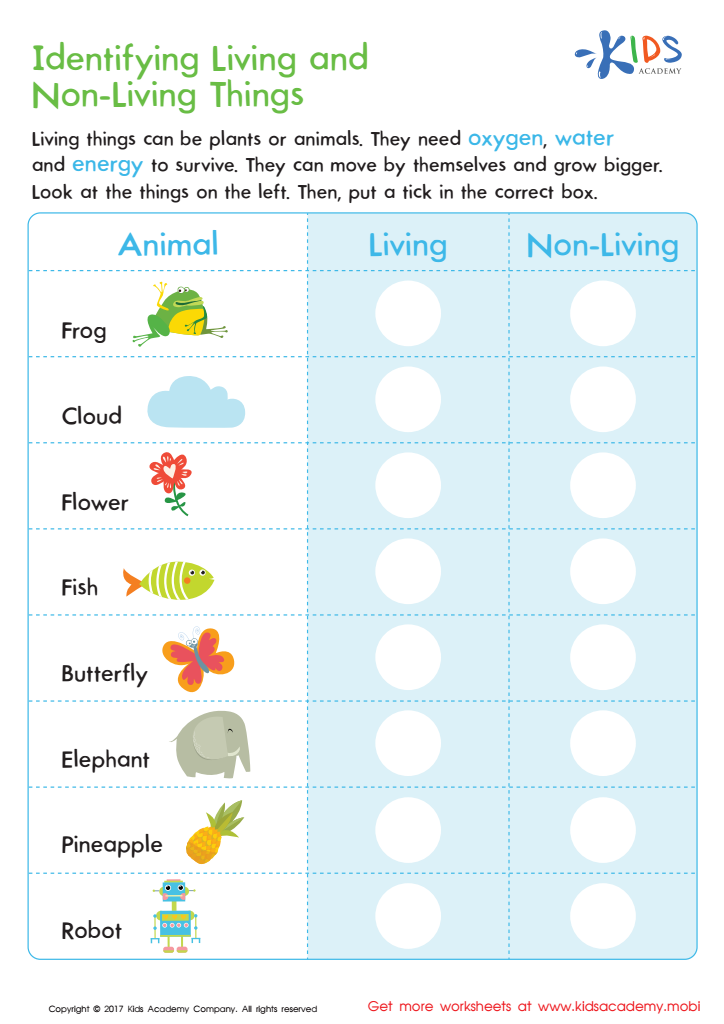
Identifying Living or Non–living Worksheet
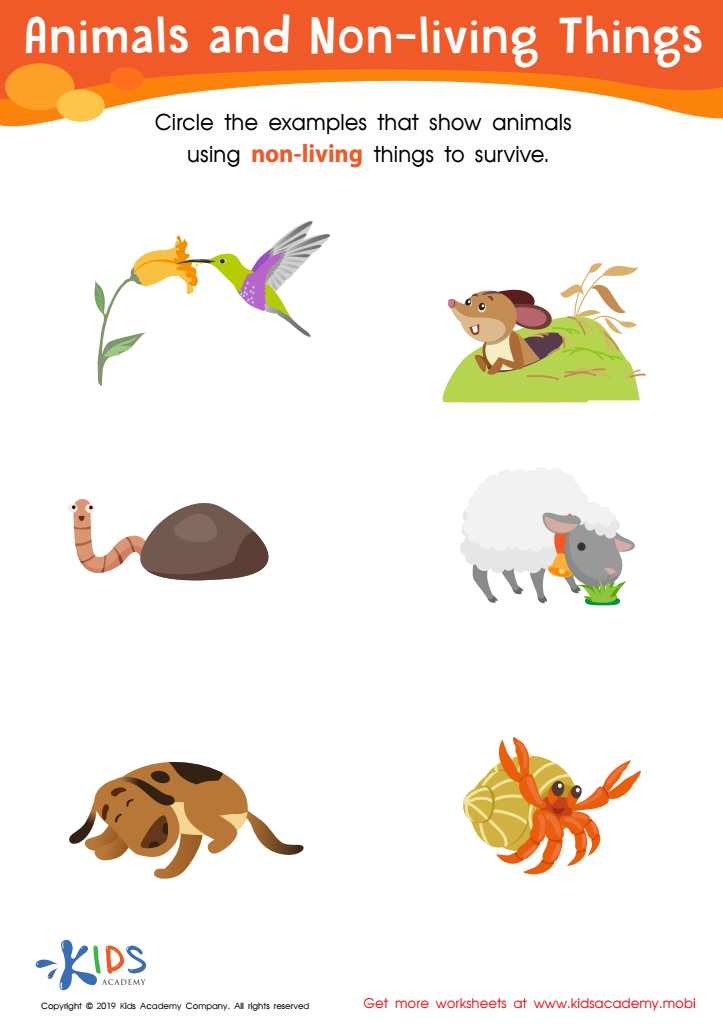
Animals and Non-Living Things Worksheet





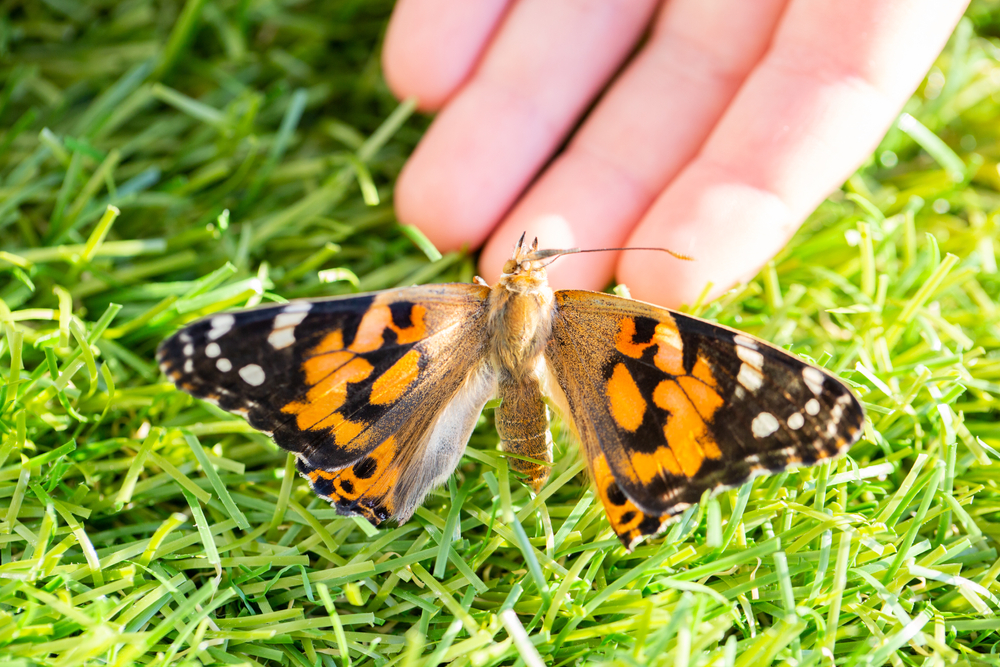


Categorization skills, particularly regarding normal plants and animals, are crucial for children aged 4-9, as they form the foundation of critical thinking, organization, and learning about the natural world. During these formative years, children are naturally curious and often explore their environment. By teaching them to categorize plants and animals, educators and parents help them make sense of their observations, enhancing cognitive development and helping them understand complex relationships.
Additionally, categorization fosters language skills, allowing children to articulate their discoveries and broaden their vocabulary. Children learn to differentiate between various characteristics like type, size, color, and habitat, which enhances their comprehension and retention of information. This practice also encourages attention to detail and descriptive thinking.
Facilitating experiences that involve categorization—whether through outdoor exploration, sorting activities, or educational games—also nurtures emotional connections to nature, fostering appreciation and environmental stewardship. Moreover, developing categorization skills in young learners prepares them for future academic success, equipping them with essential tools to tackle increasingly complex subjects in science, biology, and organization.
Ultimately, by prioritizing the teaching of categorization skills, parents and teachers play an integral role in cultivating inquisitive, analytical, and environmentally aware future generations.







