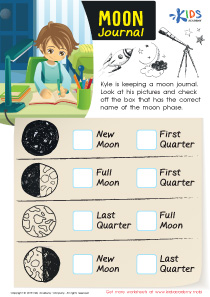
Critical thinking development Normal Plants and Animals Worksheets for Ages 4-9
3 filtered results
-
From - To
Explore our engaging "Critial Thinking Development Normal Plants and Animals Worksheets" designed for children ages 4-9! These worksheets enhance essential reasoning skills through fun activities centered around plants and animals. Young learners will encounter a variety of exercises that promote observation, comparison, and creative problem-solving. From identifying different species to understanding life cycles, these resources nurture curiosity and critical thinking. Each worksheet is thoughtfully crafted to support early education while making science exciting. Help your child discover the wonders of nature while developing valuable cognitive skills—perfect for parents and educators looking to inspire young minds! Download your free worksheets today!
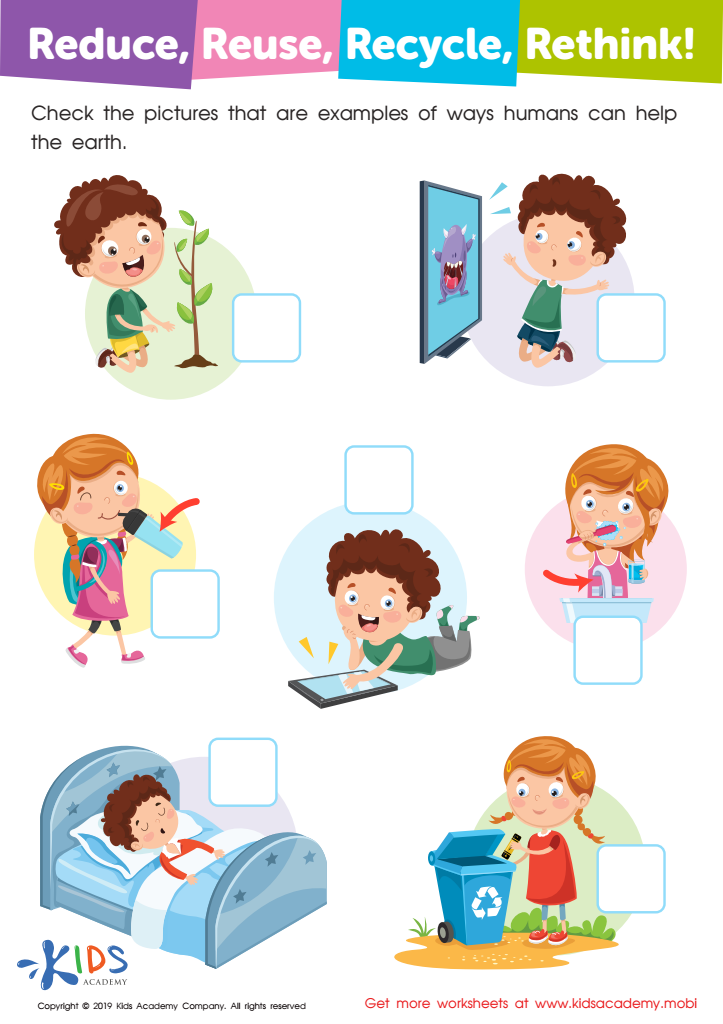
Reduce, Reuse, Recycle, Rethink Worksheet
 Assign to My Students
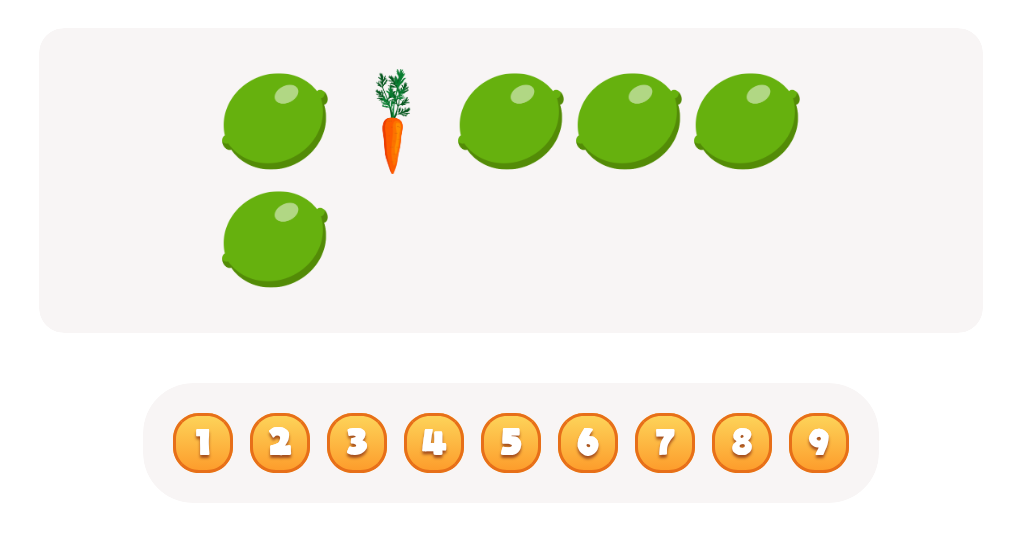

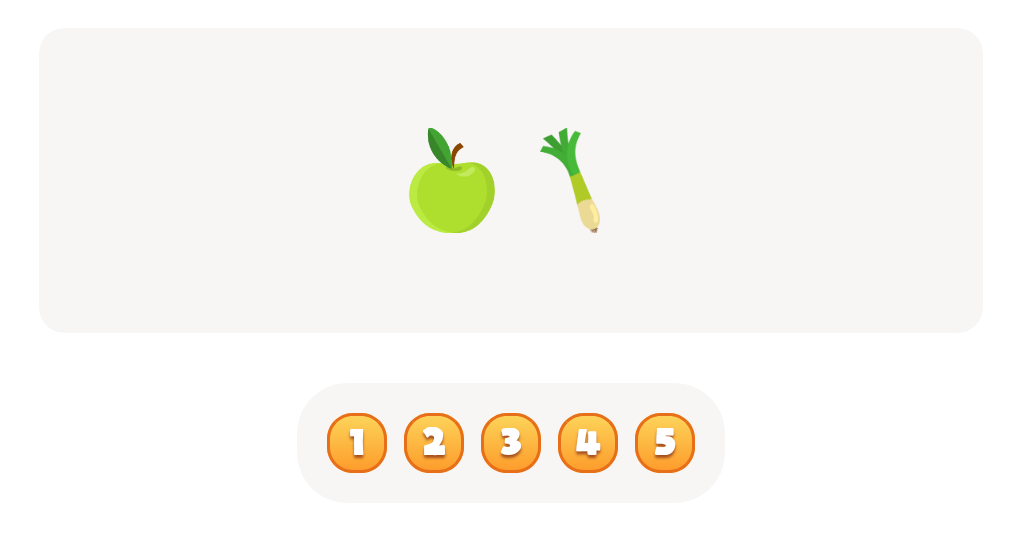
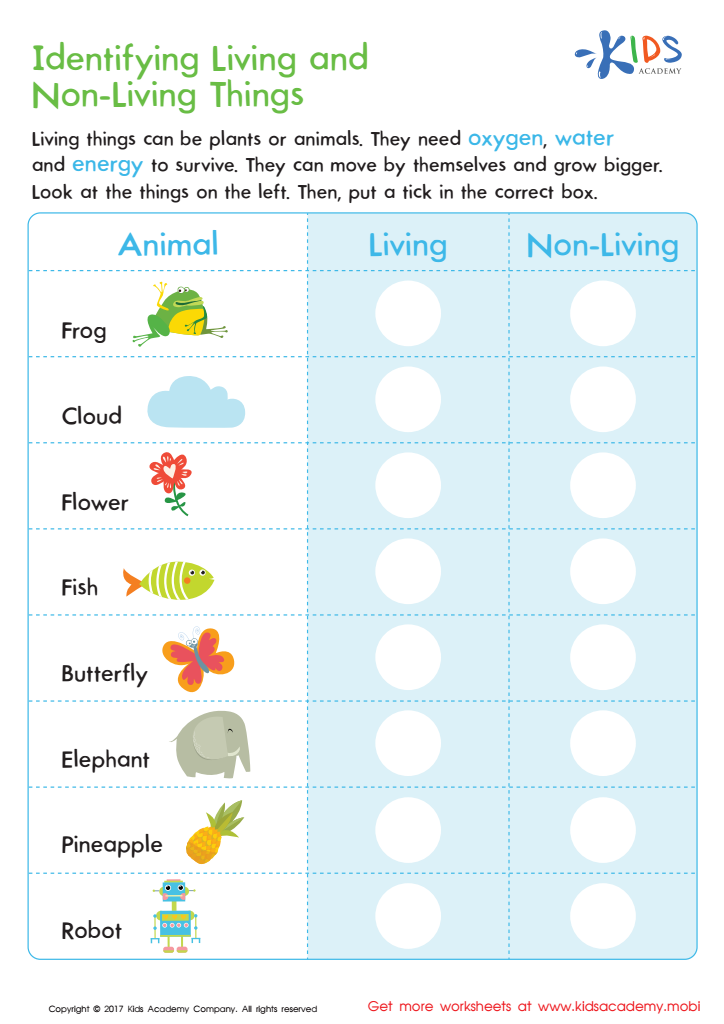
Identifying Living or Non–living Worksheet
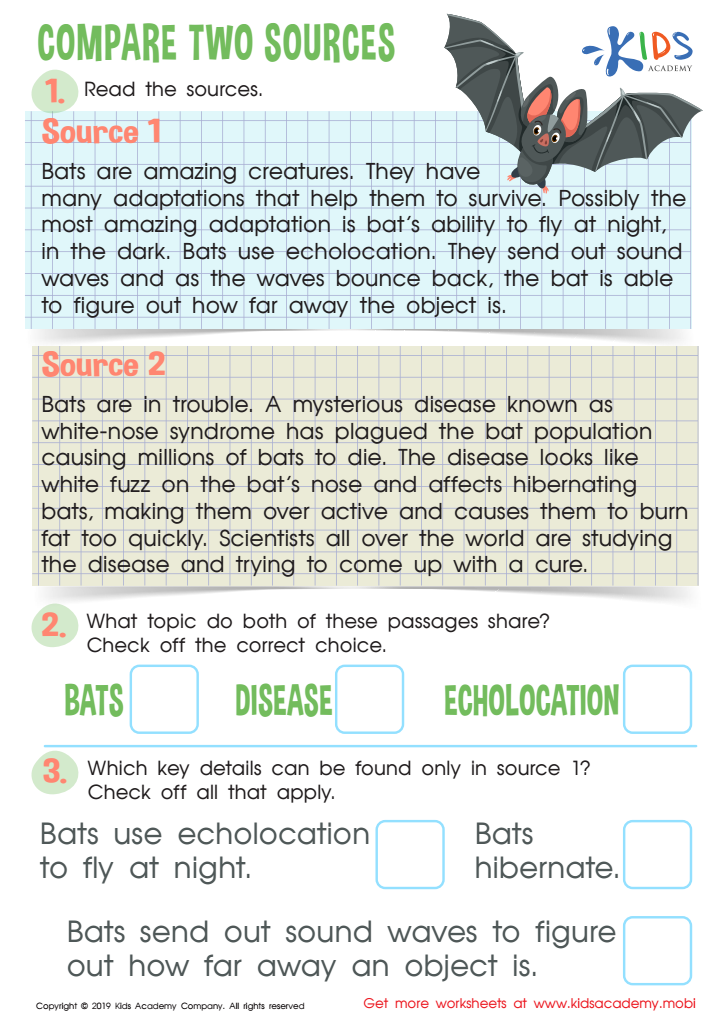
Compare Two Sources Worksheet



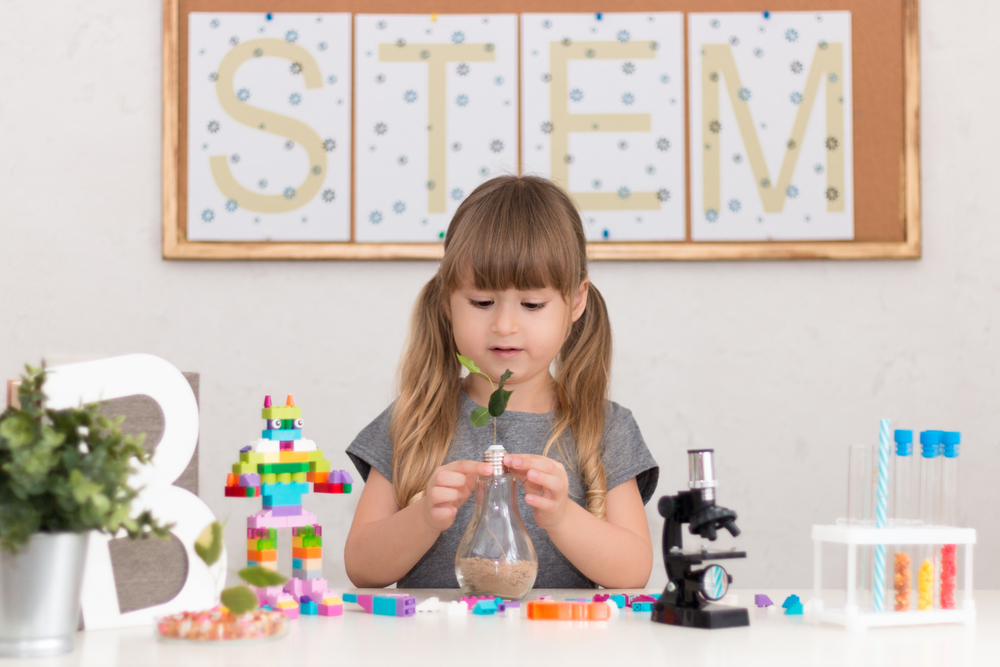



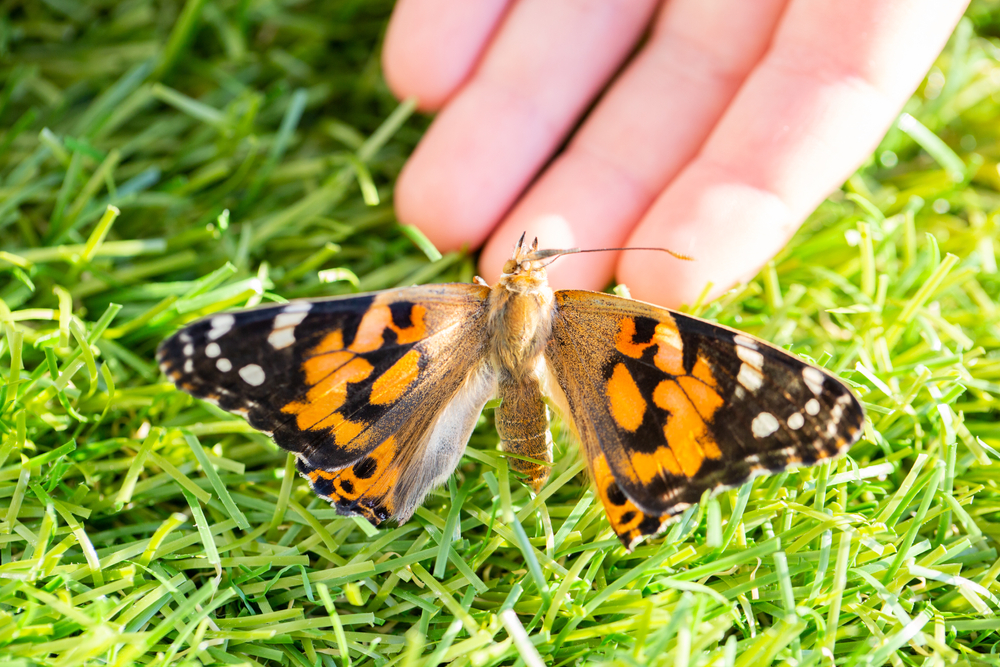
Parents and teachers should prioritize the development of critical thinking skills related to plants and animals for children aged 4-9 for several compelling reasons. First, environmental awareness fosters a sense of responsibility towards nature. By encouraging children to inquire about how plants and animals interact within ecosystems, adults help them understand the importance of biodiversity and sustainability.
Second, critical thinking nurtures curiosity and inquiry. When children explore questions such as “What do plants need to grow?” or “How do animals adapt to their environments?”, they learn to make connections between concepts, enhancing cognitive development.
Furthermore, this age is crucial for developing observational and problem-solving skills. Encouraging children to observe changes in plant growth or animal behavior promotes scientific thinking. These foundational skills are essential not only in science but across various subjects.
Lastly, fostering critical thinking can enhance communication and collaboration. Activities like group discussions or nature explorations encourage children to express ideas, share observations, and work together, building social skills. Overall, integrating critical thinking about plants and animals into young learners' education cultivates responsible, informed, and innovative individuals who are equipped to confront the challenges of tomorrow.