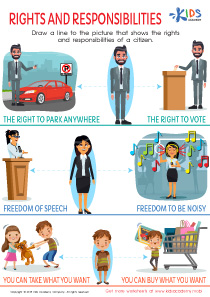
Critical Thinking Normal Social Studies Worksheets for Ages 4-9 - Page 2
25 filtered results
-
From - To
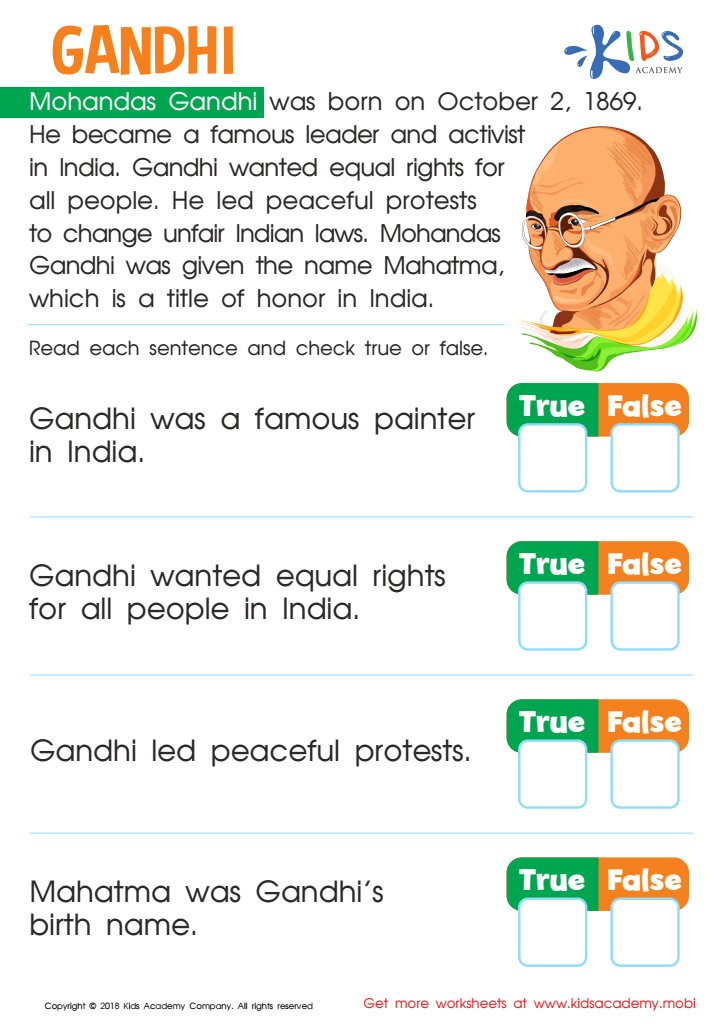
Gandhi Worksheet
 Assign to My Students








Critical Thinking in Social Studies for children aged 4-9 is crucial for their holistic development and cognitive skills. At this young age, children are like sponges, eager to absorb knowledge about the world around them. Engaging them in social studies activities fosters their curiosity, helping them understand diverse cultures, social norms, and historical contexts. This understanding nurtures empathy and respect for others, crucial skills in an increasingly interconnected world.
Developing critical thinking in young learners encourages them to ask questions, analyze information, and draw conclusions based on evidence. This inquiry-based approach helps them distinguish between fact and opinion, a skill essential for navigating the complexities of information they encounter in the digital age.
Moreover, critical thinking provides children with tools to make informed decisions and solve problems creatively, laying the foundation for lifelong learning. It promotes collaboration and communication, as children learn to discuss and debate differing viewpoints constructively. Parents and teachers play a vital role in this developmental stage by encouraging discussions and providing opportunities for exploration.
Ultimately, cultivating critical thinking in social studies enhances a child's self-confidence, prepares them to be active participants in their communities, and equips them for the challenges of the future.