Vocabulary development Normal Grammar Worksheets for Ages 4-9
5 filtered results
-
From - To
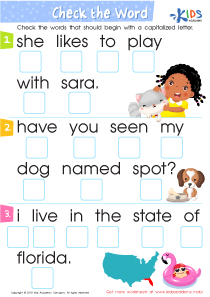
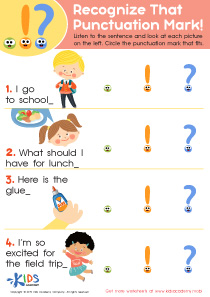
Nurture your child's language skills with our Vocabulary Development Grammar Worksheets, tailored for ages 4-9. These carefully curated worksheets from Kids Academy are designed to enhance grammar and vocabulary knowledge, setting a strong foundation for effective communication. Packed with fun and interactive activities, they help young learners grasp essential grammar rules and expand their word bank seamlessly. Ideal for home or classroom usage, these worksheets encourage confident writing and critical thinking. Explore our diverse collection to support your child's educational journey and unlock their potential in mastering the English language. Start building stronger language skills today!
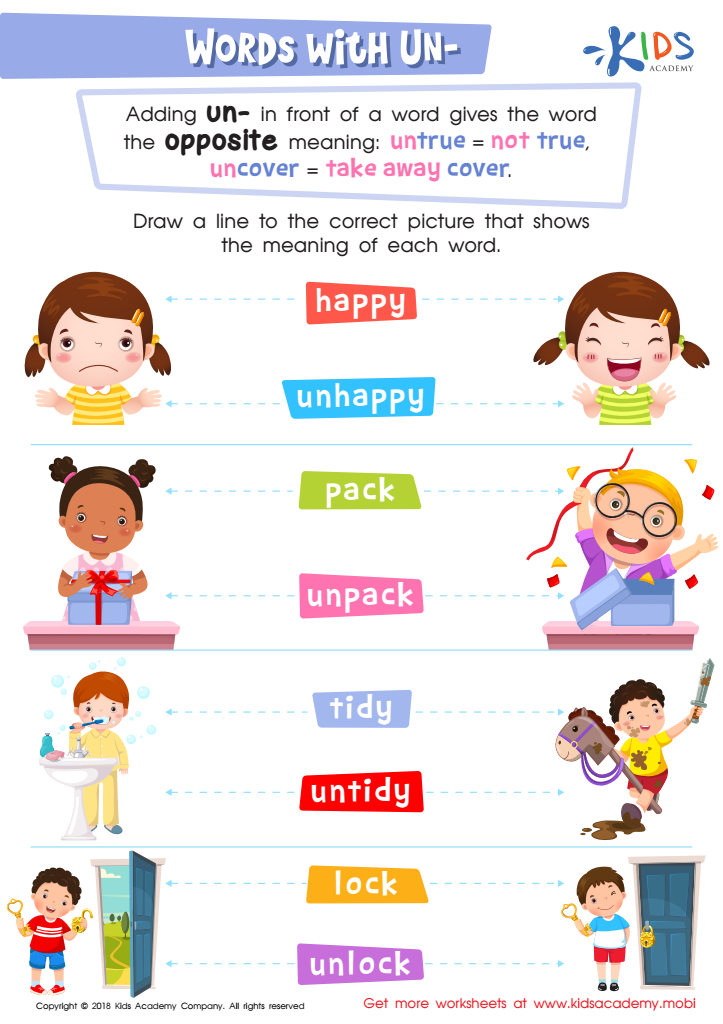
Words with Un– Worksheet
 Assign to My Students
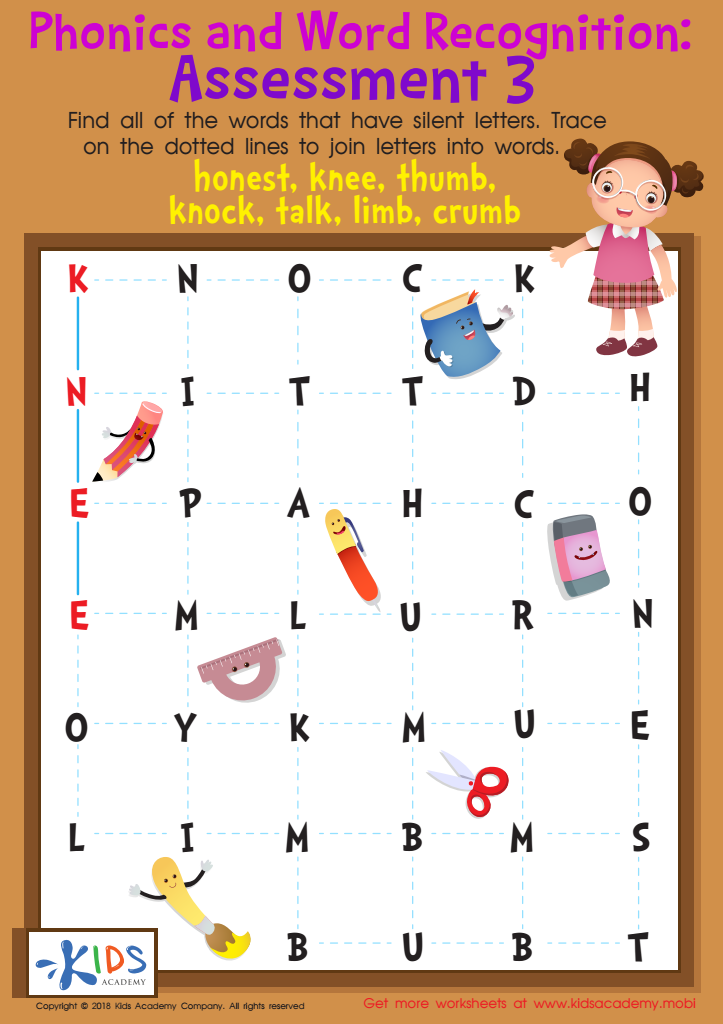
Phonics and Word Recognition: Assessment 3 Worksheet
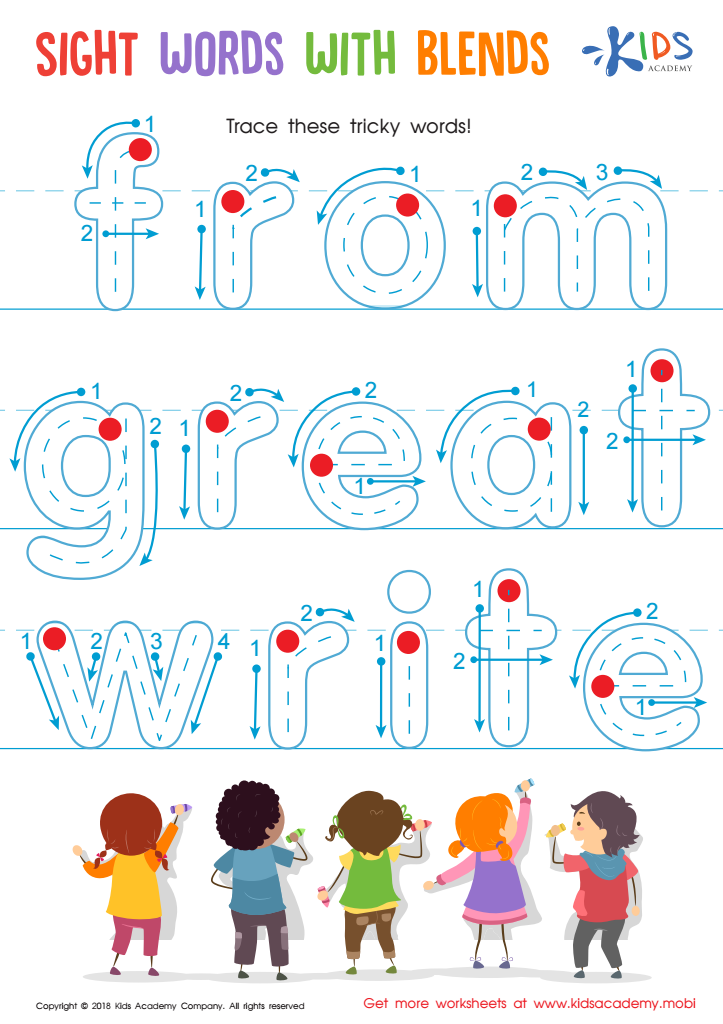
Sight Words with Blends Worksheet
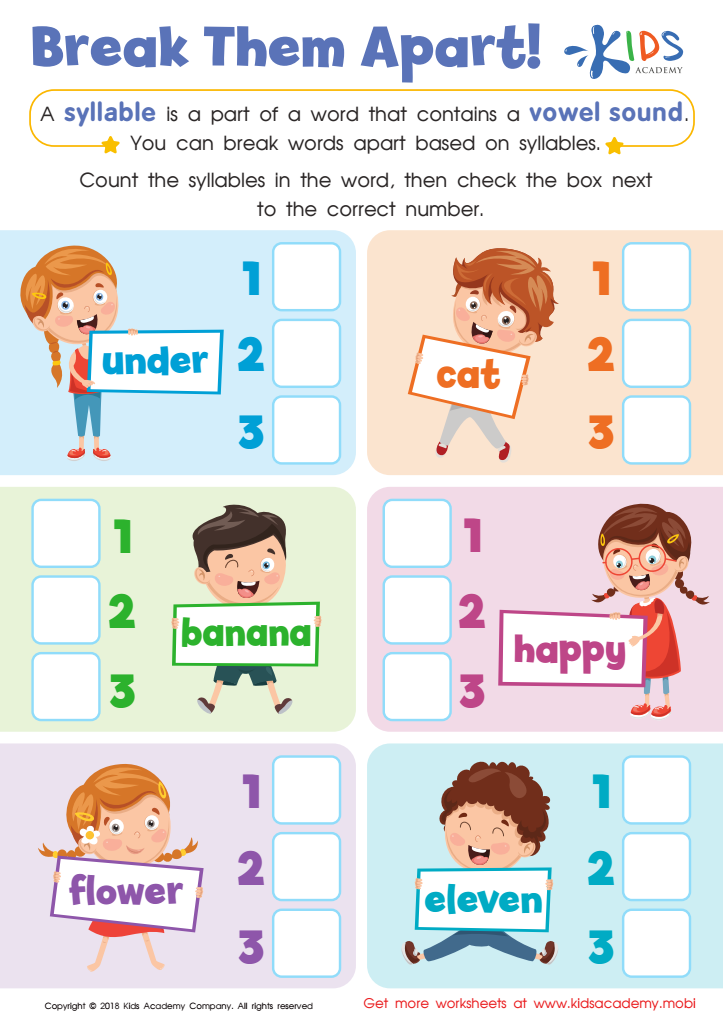
Reading: Break Them Apart Worksheet
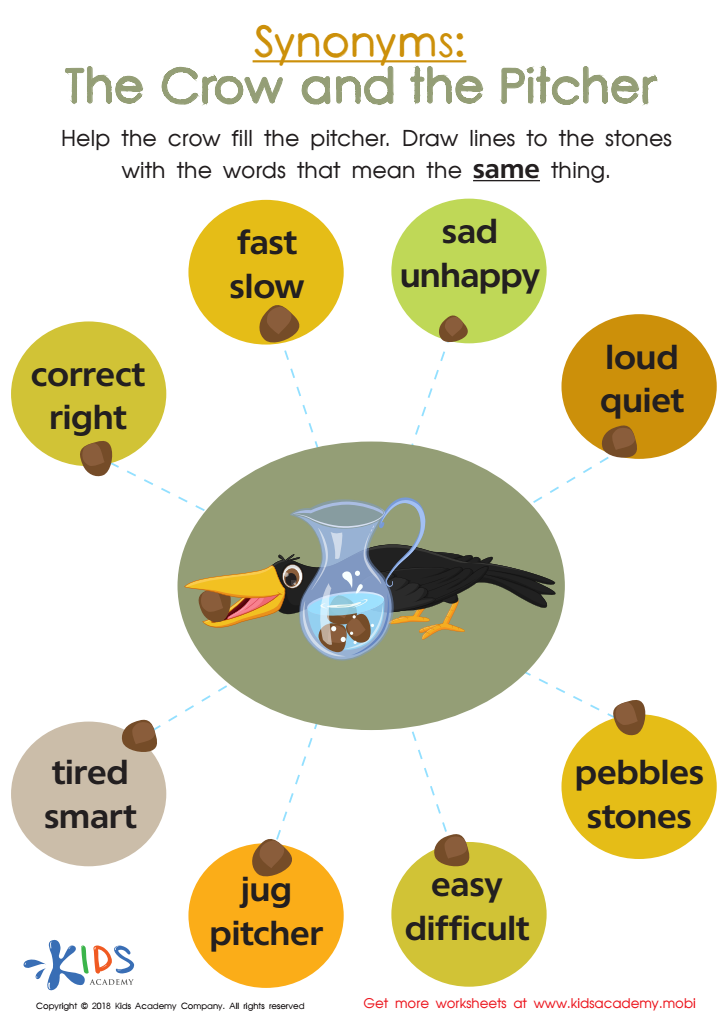
The Crow and the Pitcher Synonyms Worksheet


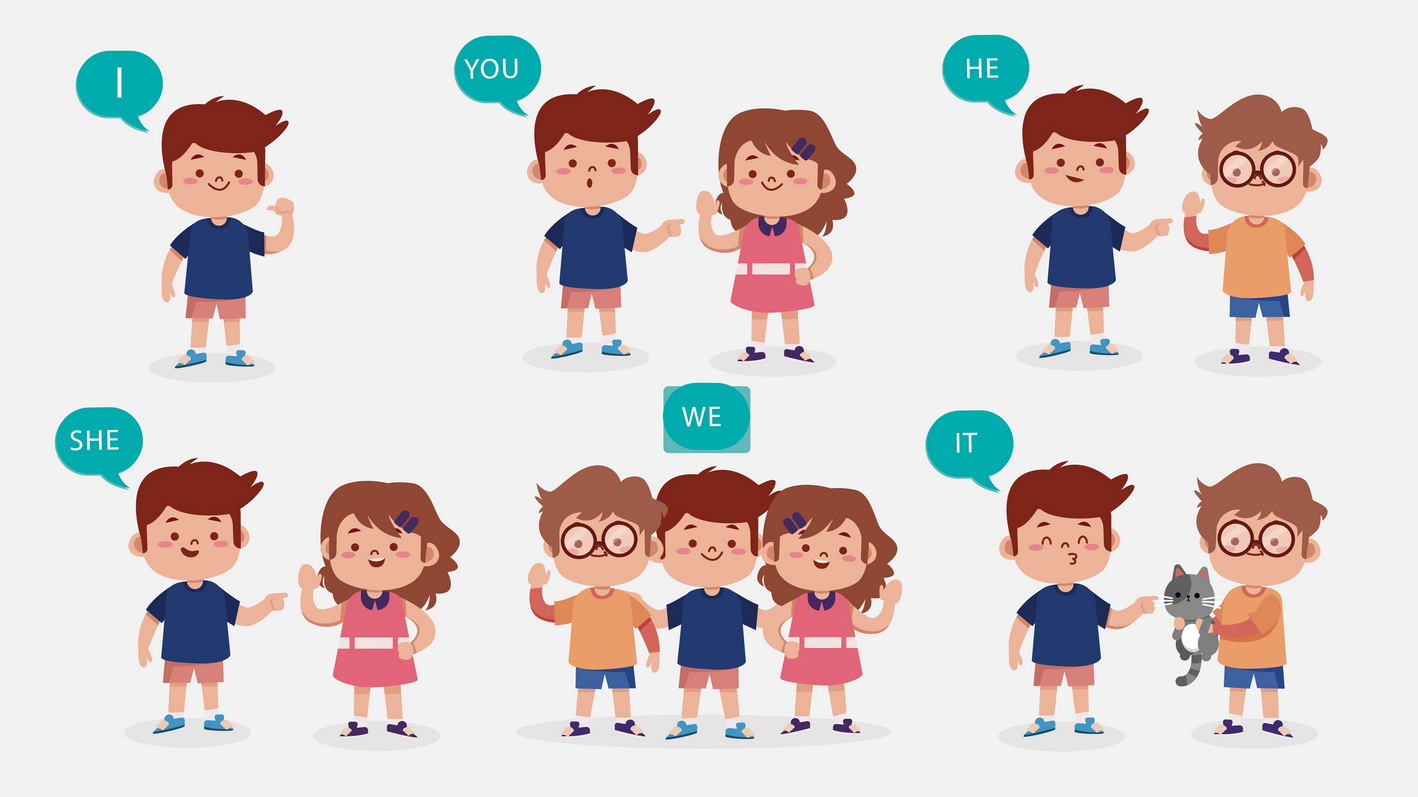





Vocabulary development and proper grammar usage are fundamental aspects of children’s early education, particularly for ages 4-9. During this formative period, children are rapidly expanding their language skills, which directly impacts their ability to communicate effectively, understand others, and process new information.
Adequate vocabulary helps children articulate their thoughts, feelings, and experiences more precisely. This enhances their social interactions, promotes better cooperation with peers, and strengthens emotional intelligence. Furthermore, a rich vocabulary and proper grammar usage are foundational for reading comprehension and writing skills, crucial for academic success across all subjects.
Educators and parents play a vital role in nurturing these skills through consistent interaction, reading activities, and immersive learning experiences. Encouraging children to read a variety of books exposes them to new words and sentence structures, while engaging in conversations helps them practice and internalize these language skills.
Moreover, proficiency in vocabulary and grammar boosts confidence and academic achievement, providing children with the tools required for lifelong learning. Early intervention in these areas prevents future language difficulties and fosters a positive relationship with education, setting the stage for continuous intellectual and personal growth. In essence, focusing on vocabulary development and proper grammar equips children with essential communication skills, preparing them for their future endeavors.