
Reading skills improvement Normal Phonics Worksheets for 4-Year-Olds
6 filtered results
Difficulty Level
Grade
Age
-
From - To
Subject
Activity
Standards
Enhance your 4-year-old's reading skills with our expertly designed Normal Phonics Worksheets. These engaging activities focus on letter recognition, sound correspondence, and early word formation, making phonics both fun and educational. Tailored specifically for young learners, these worksheets help build a solid foundation in reading through interactive exercises and colorful visuals. Ideal for home or classroom use, our phonics worksheets pave the way for a confident start in literacy, encouraging a love of reading from an early age. Unlock the magic of words with our comprehensive resource and watch your child's reading skills soar!
Favorites
With answer key
Interactive
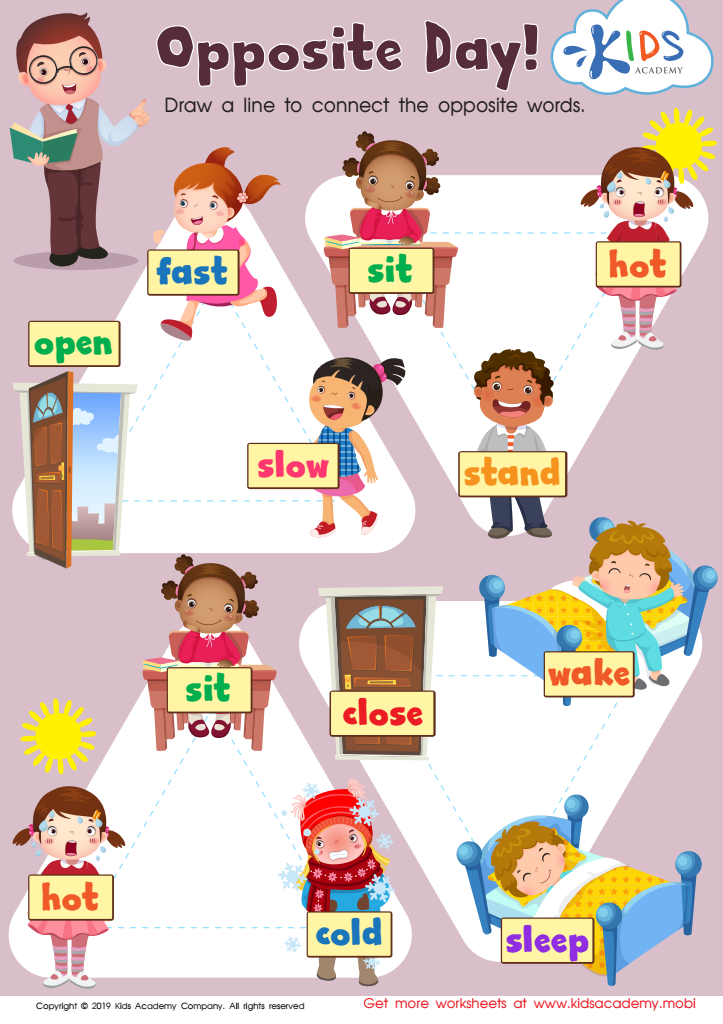
Opposite Day Worksheet
Early learners need to know about opposites to improve their higher-order thinking and critical thinking. This fun worksheet helps them understand the concept, practice opposite words, read high-frequency words and work on fine motor skills. Download the traceable PDF to get started.
 Assign to My Students
Opposite Day Worksheet
Worksheet
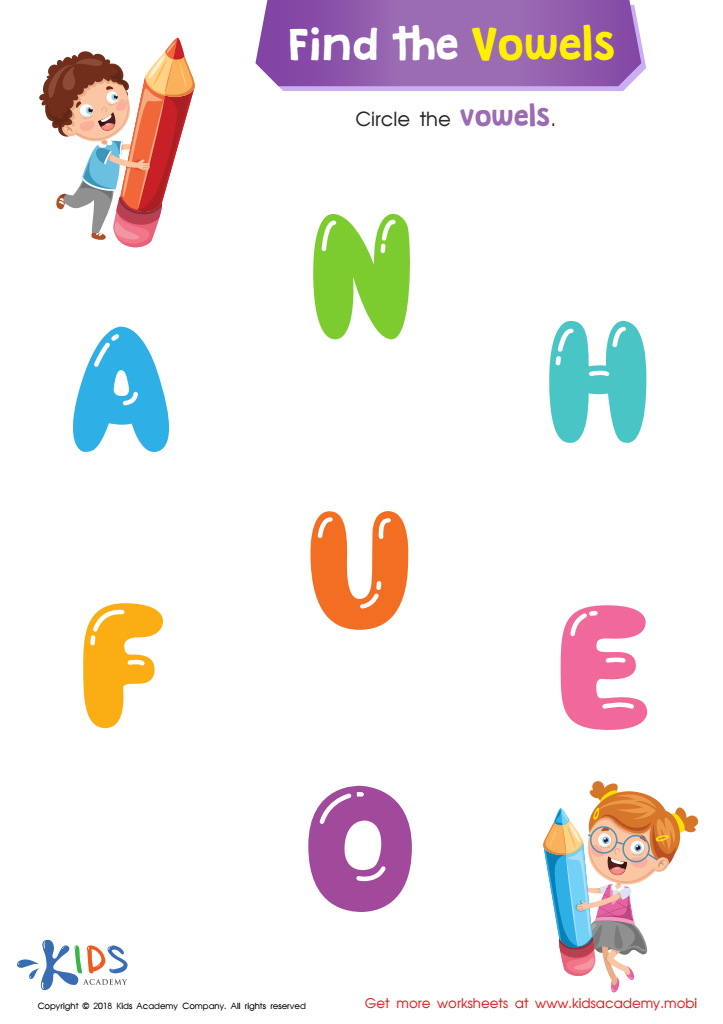
Find the Vowels Reading Worksheet
This worksheet helps kids identify vowels with bright colors and engaging activities to strengthen their visual discrimination and fine motor skills. Young learners will find it easy to succeed and be excited to keep reading!
Find the Vowels Reading Worksheet
Worksheet
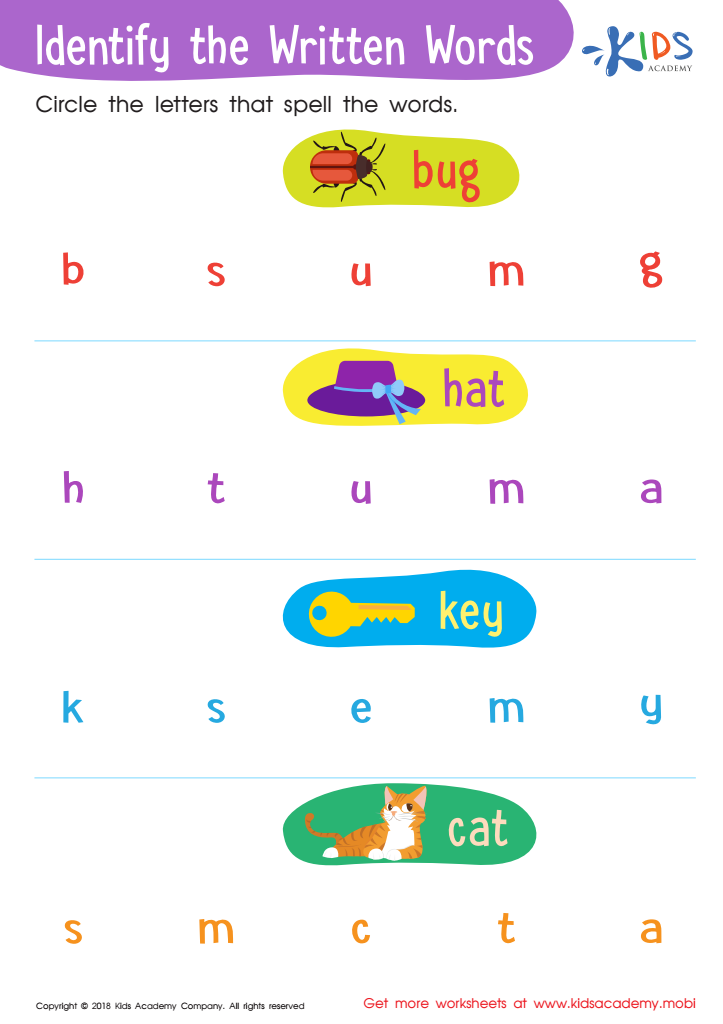
Identify the Written Words Worksheet
Have your students identify the objects on the printout, then spell the words. If they already know how to spell, this exercise should be easy. Help them circle the correct letters from the set to spell out the words. This is a great way to reinforce reading and spelling skills. Max 80 words.
Identify the Written Words Worksheet
Worksheet
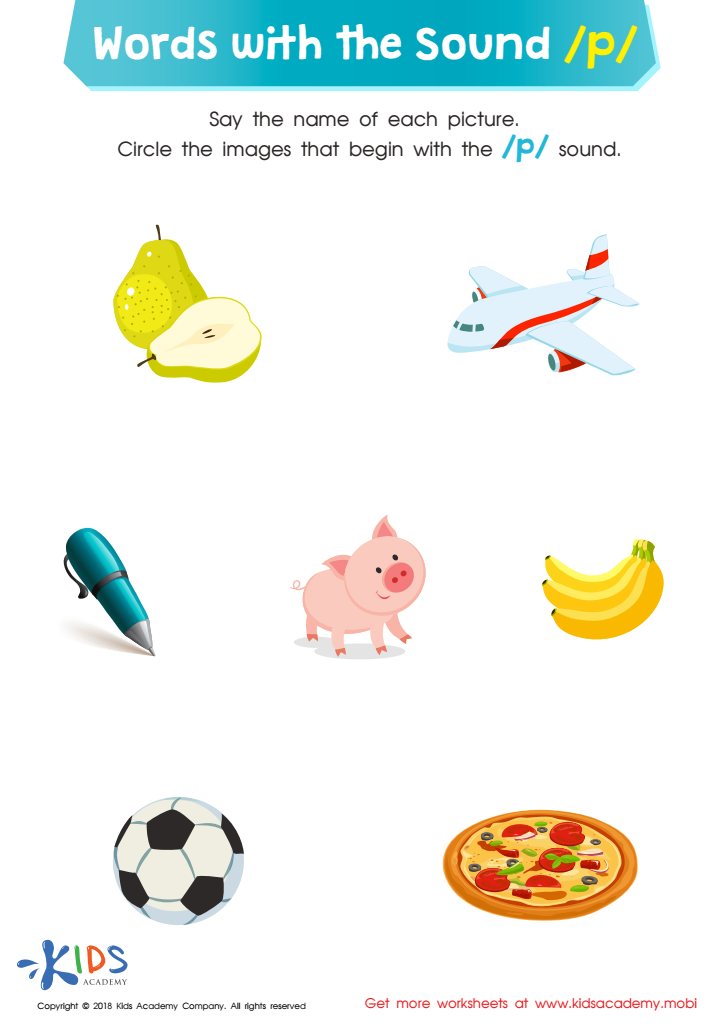
Words with sound p Reading Worksheet
Working on this fun worksheet? Name each picture aloud and listen carefully before circling those that start with the letter «p»! Pizza, pig, plane, or banana - practice phonics to help your child recognize the letter «p» sound for successful early reading and decoding!
Words with sound p Reading Worksheet
Worksheet
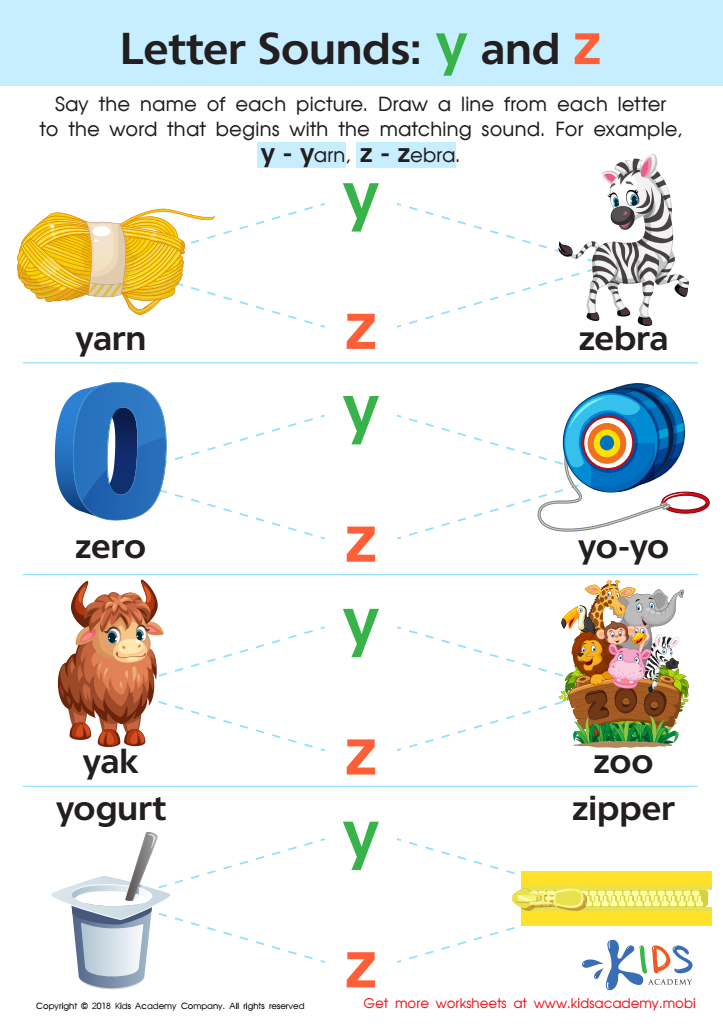
Letter Y and Z Sounds Worksheet
Y and Z can be tricky for kids to learn. Kids Academy has the answer with a great worksheet. "Yo-yo", "yak" and "zebra" help kids recognize, say and trace each letter. Plus, they can read the words and match them to images! Let your child try and help them master phonics at the end of the alphabet.
Letter Y and Z Sounds Worksheet
Worksheet
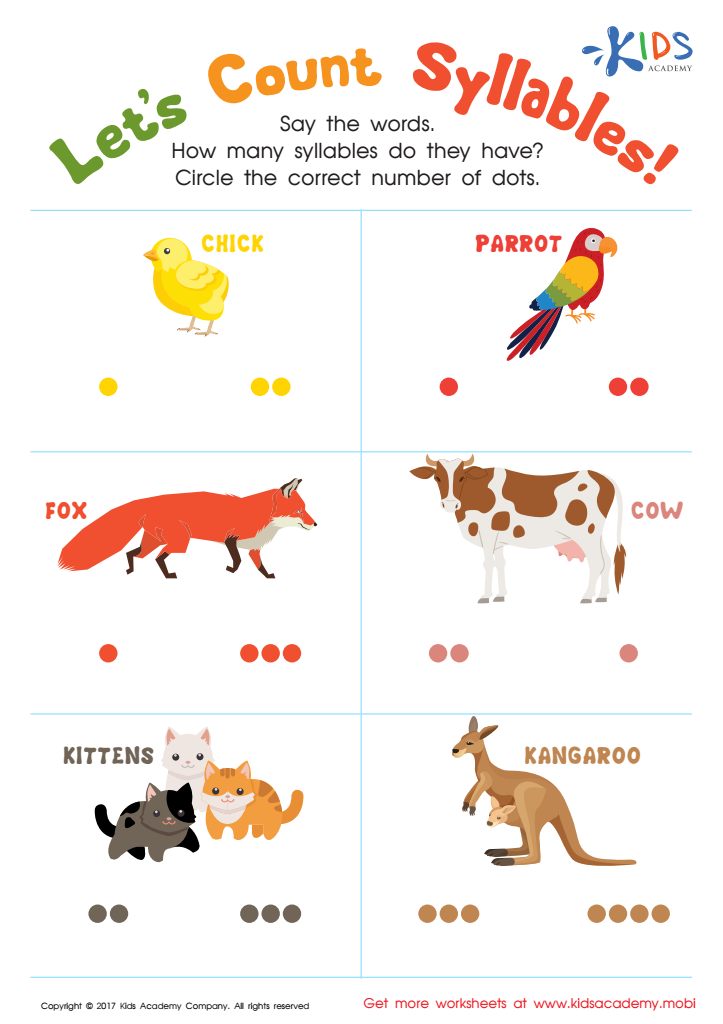
Lets Count Syllables Worksheet
This fun animal worksheet makes learning to read easier by breaking words into syllables. Bright, cheery pictures give context and help kids choose the right syllable count. Count together and enjoy as your child learns and gains success!
Lets Count Syllables Worksheet
Worksheet
Join Kids Academy for Free
Who is primarily going to use this learning content?








Parents and teachers should prioritize improving reading skills and developing phonics in 4-year-olds because early reading proficiency lays a foundational role in a child's academic success and overall cognitive development. At this age, the brain is highly receptive and rapidly developing, making it an optimal time to introduce phonics, which is the understanding of sound-letter relationships. Mastering phonics helps children decode new words, enhances their reading fluency, and boosts their comprehension skills.
Improved reading skills through phonics also open the door to a wealth of knowledge, allowing children to explore various subjects and foster a lifelong love for learning. Early phonics instruction can prevent future reading difficulties; research indicates that children who do not develop basic reading skills by age 9 are likely to struggle with reading throughout their lives.
Investing time in phonics-based reading instruction contributes to improved attention spans, better listening skills, and stronger memory. Through engaging and interactive activities, children are more likely to stay motivated and enjoy the process of learning to read. This foundational skill set will not only contribute to their academic achievements but will also promote greater self-confidence and independence as they navigate through educational milestones. Thus, supporting reading skills and phonics at this young age offers them a powerful tool for future success.







