Letter recognition Normal Upper & Lowercase Letters Worksheets for 4-Year-Olds
22 filtered results
-
From - To
Introducing our engaging Letter Recognition Worksheets for 4-Year-Olds, designed to help young learners master both uppercase and lowercase letters. These interactive worksheets provide fun activities that promote letter identification, sound recognition, and pre-writing skills. As children trace and match letters, they'll build a strong foundation for reading and writing. Ideal for preschool and kindergarten settings, our worksheets cater to diverse learning styles, making letter learning a delightful experience. Encourage your child's literacy journey with our thoughtfully designed materials, promoting confidence and enthusiasm for learning. Boost your child's early reading skills today with our creative and effective worksheets!
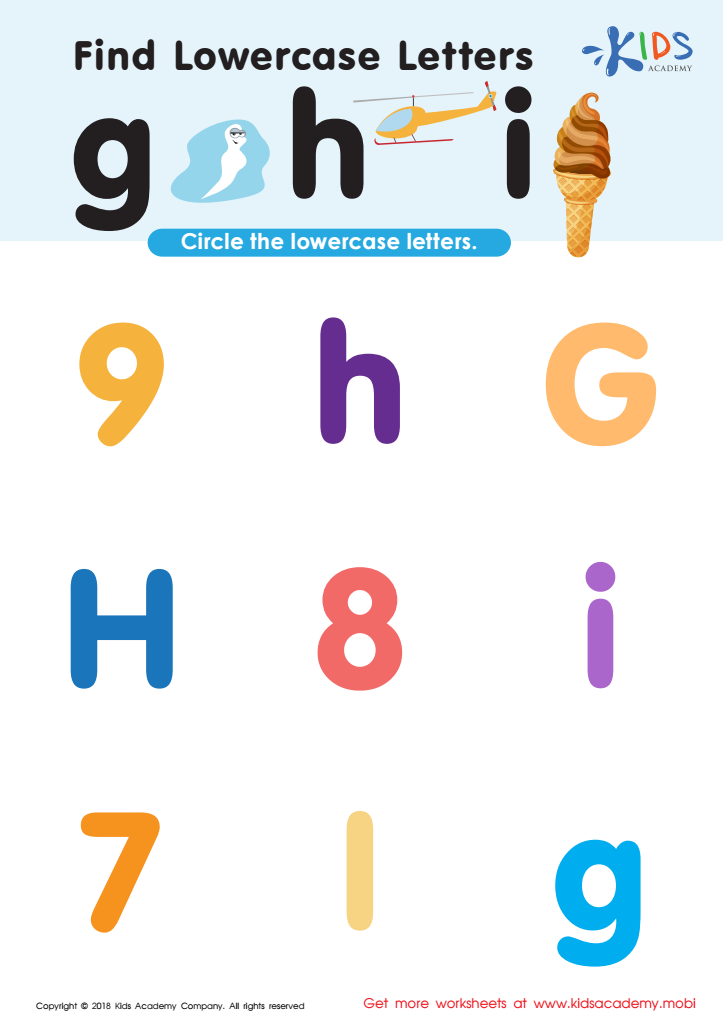
Find Lowercase Letters g h i Worksheet
 Assign to My Students

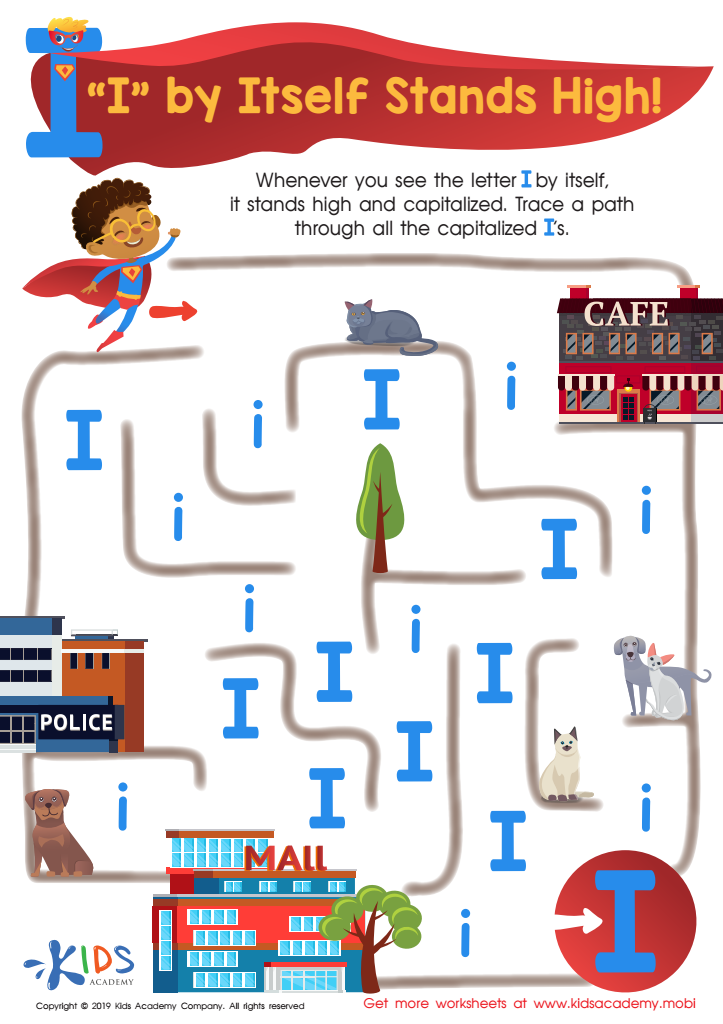
I Stands High Worksheet
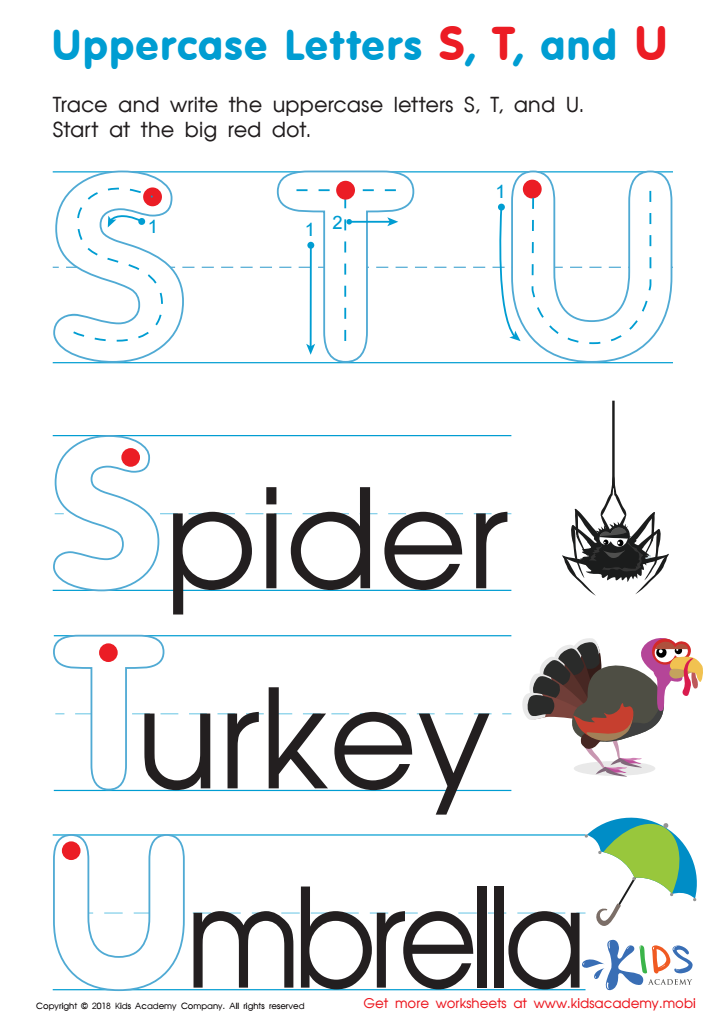
Uppercase Letters S, T, and U Worksheet
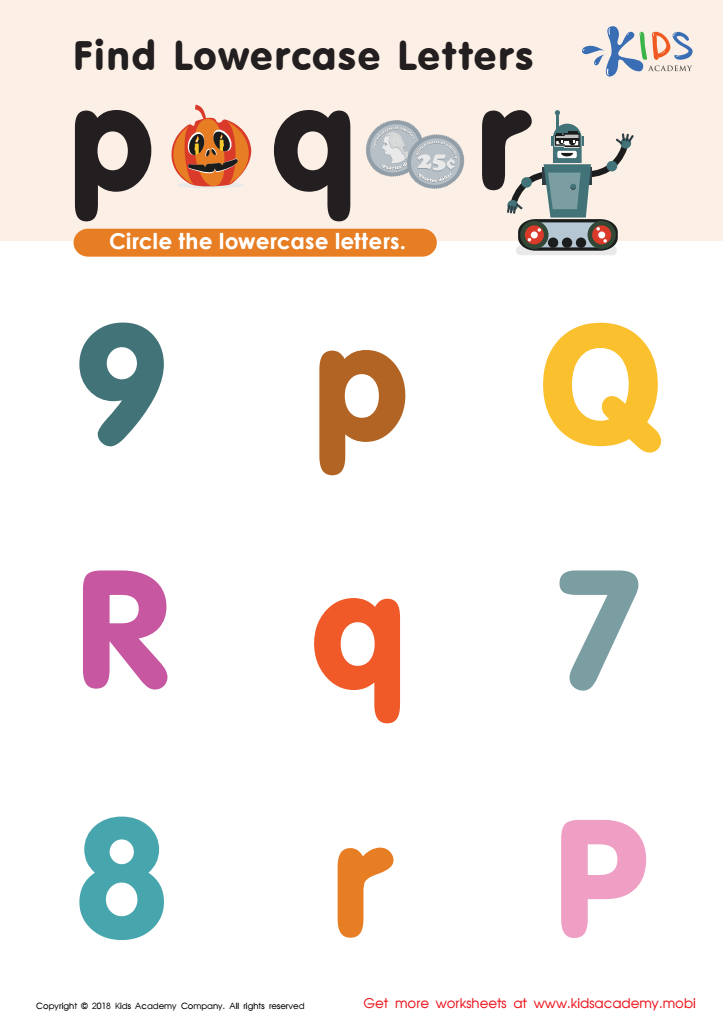
Find lowercase Letters p q r Worksheet
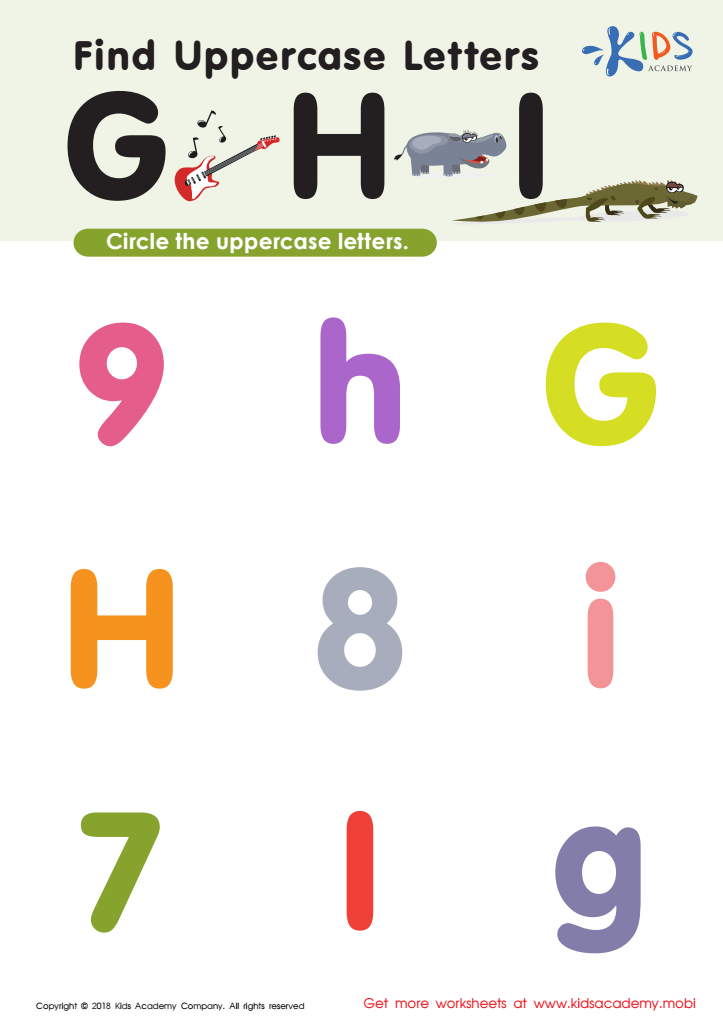
Find Uppercase Letters G, H, and I Worksheet
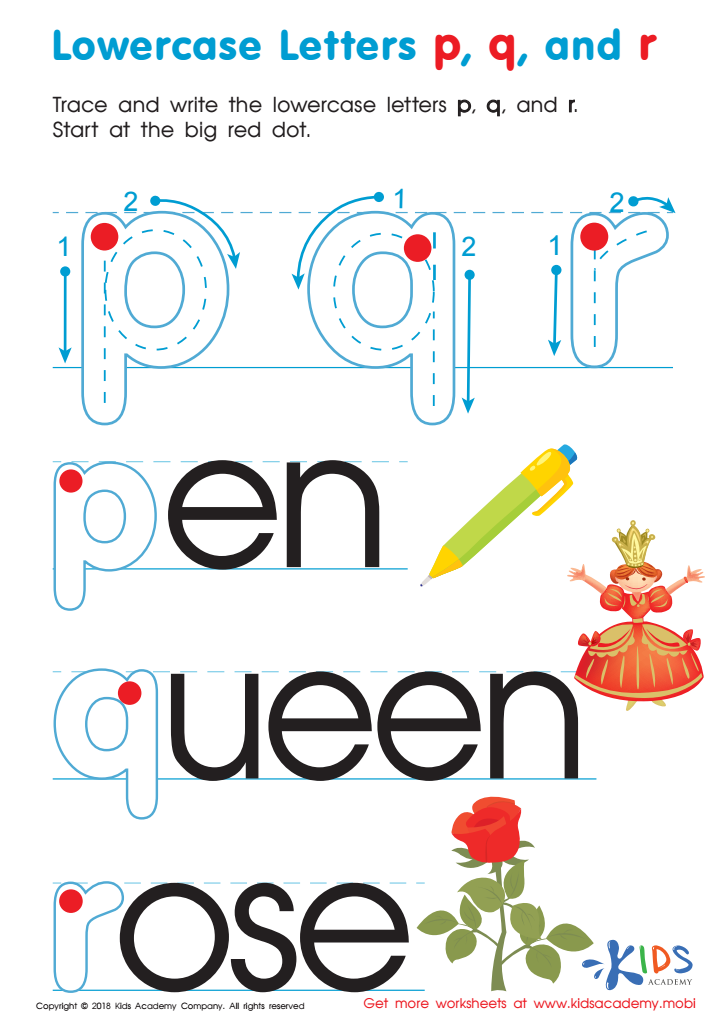
Lowercase Letters p q r Worksheet
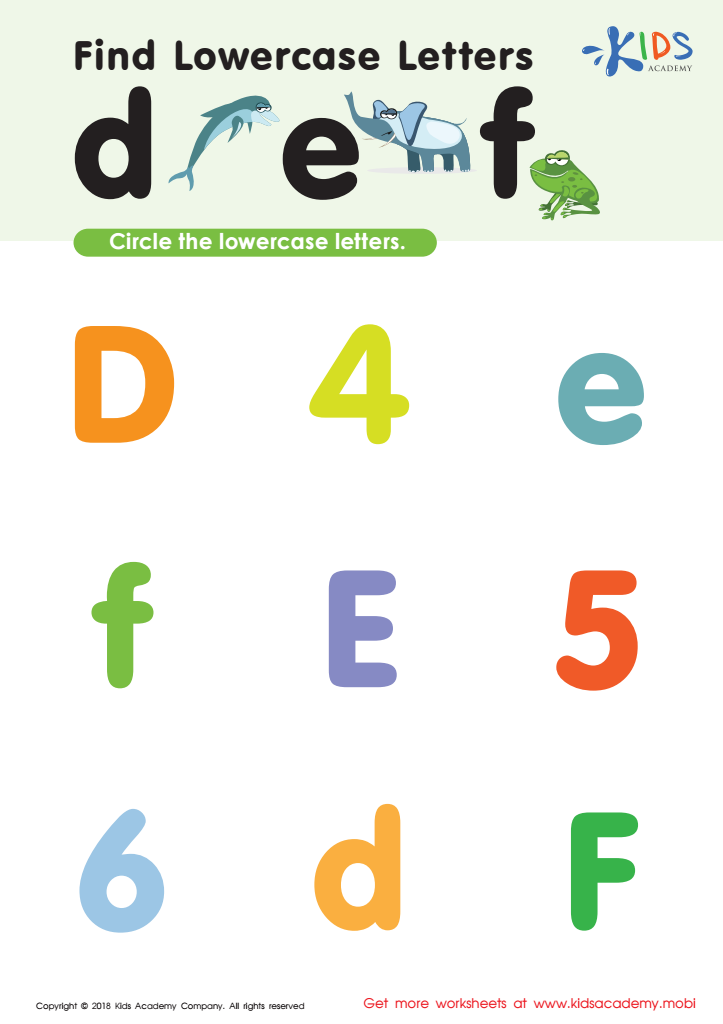
Find Lowercase Letters d e f Worksheet
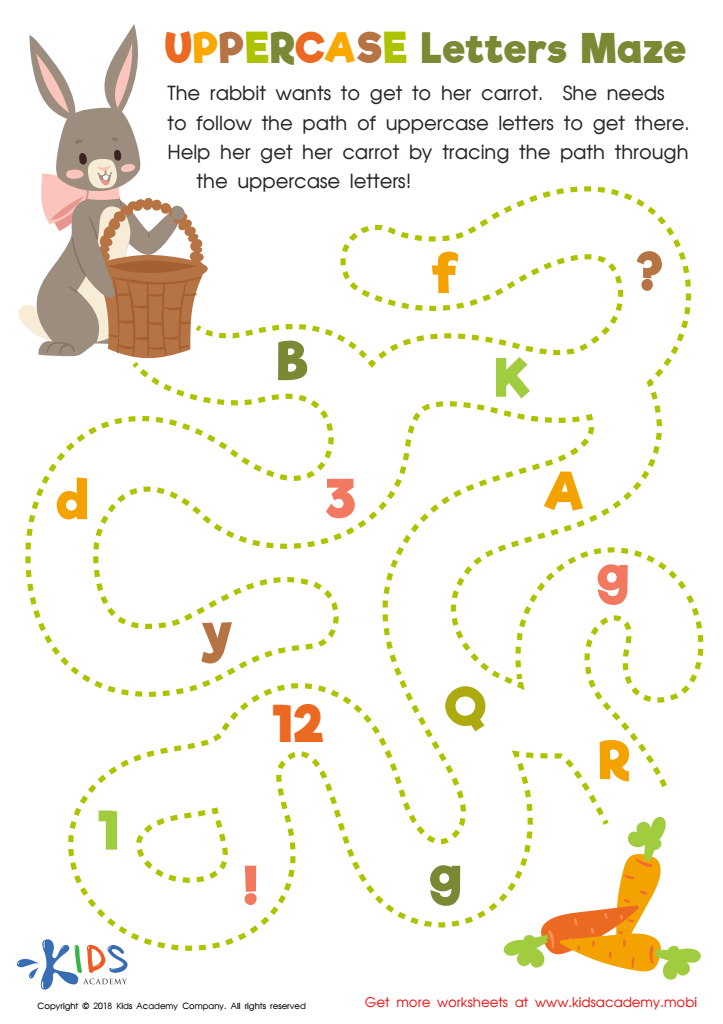
Uppercase Letters Maze Worksheet
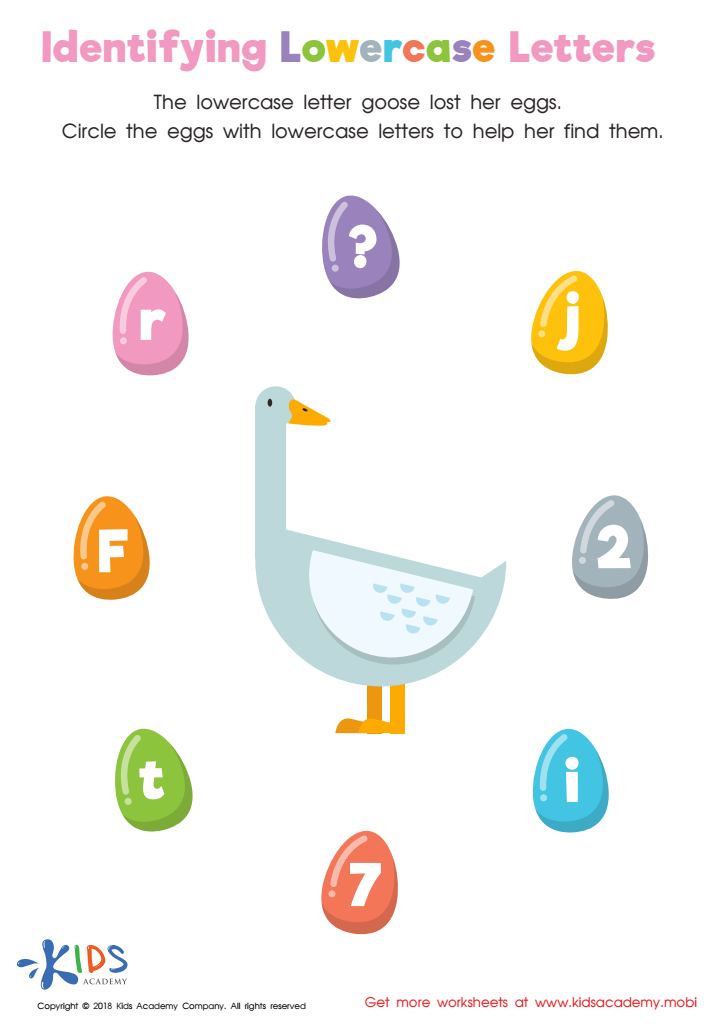
Identifying Lowercase Letters Worksheet
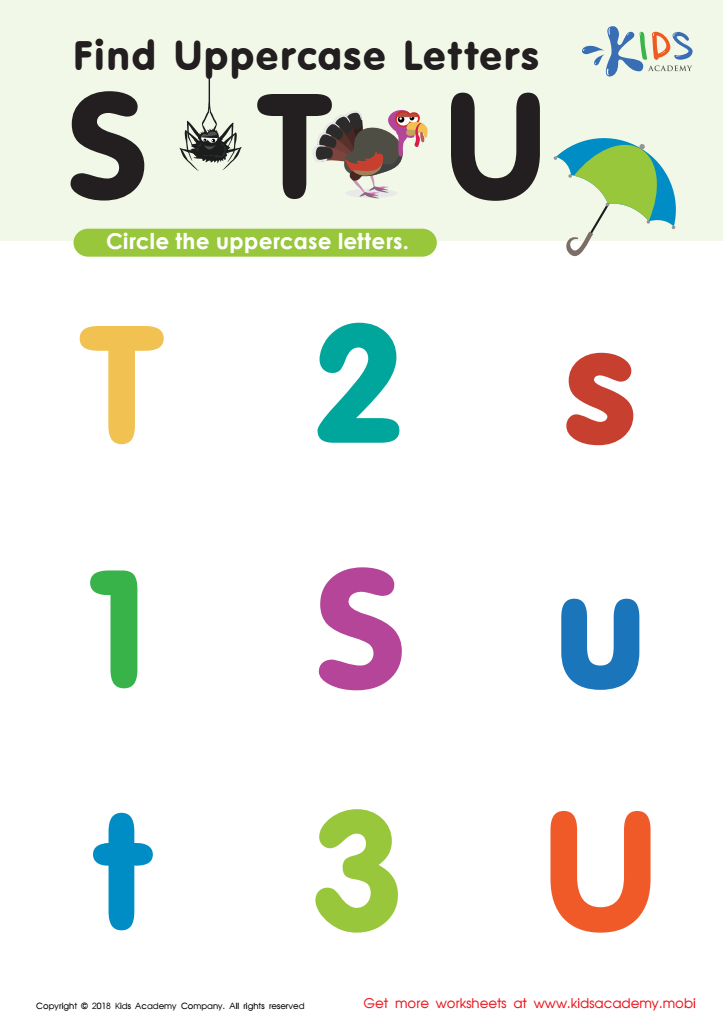
Find Uppercase Letters Worksheet
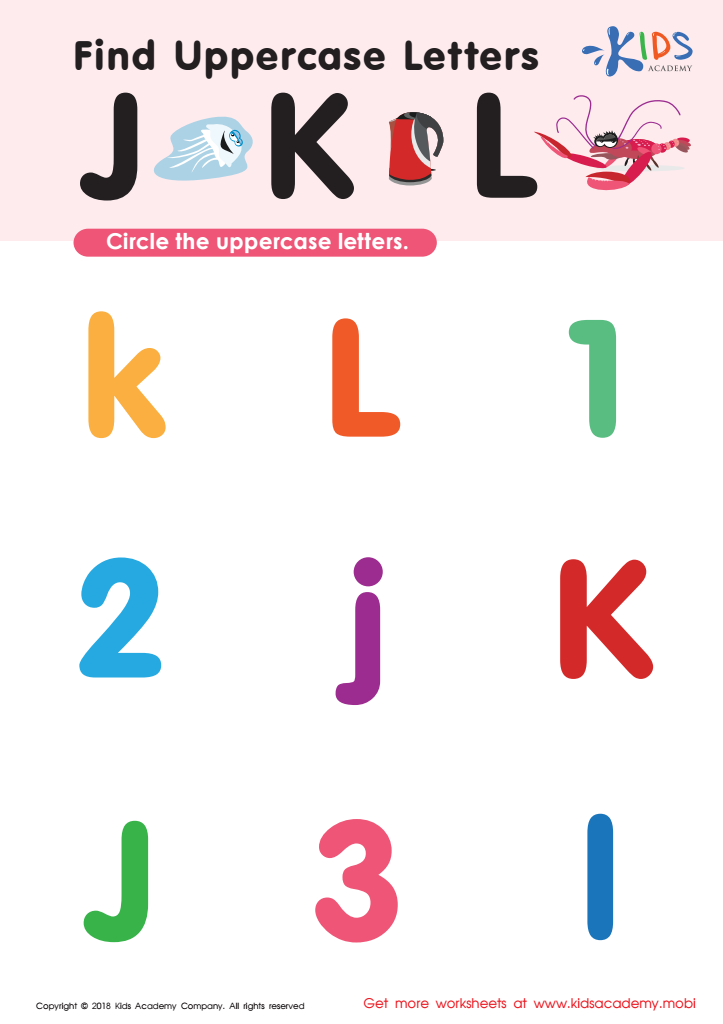
Find Uppercase Letters J, K, and L Worksheet
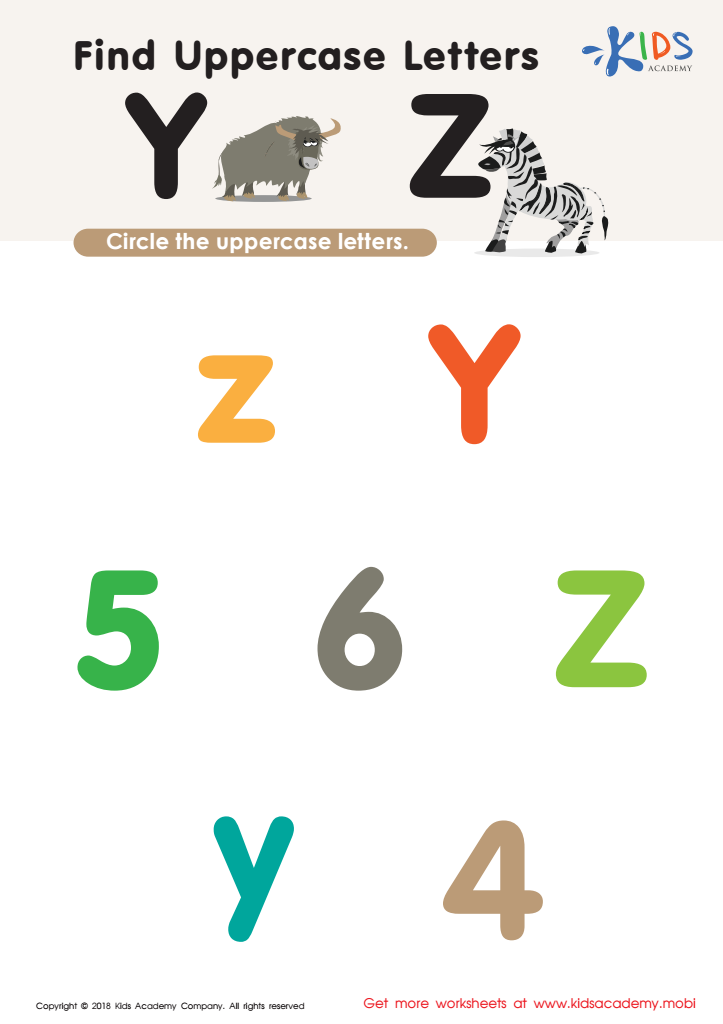
Find Uppercase Letters Y Z Worksheet
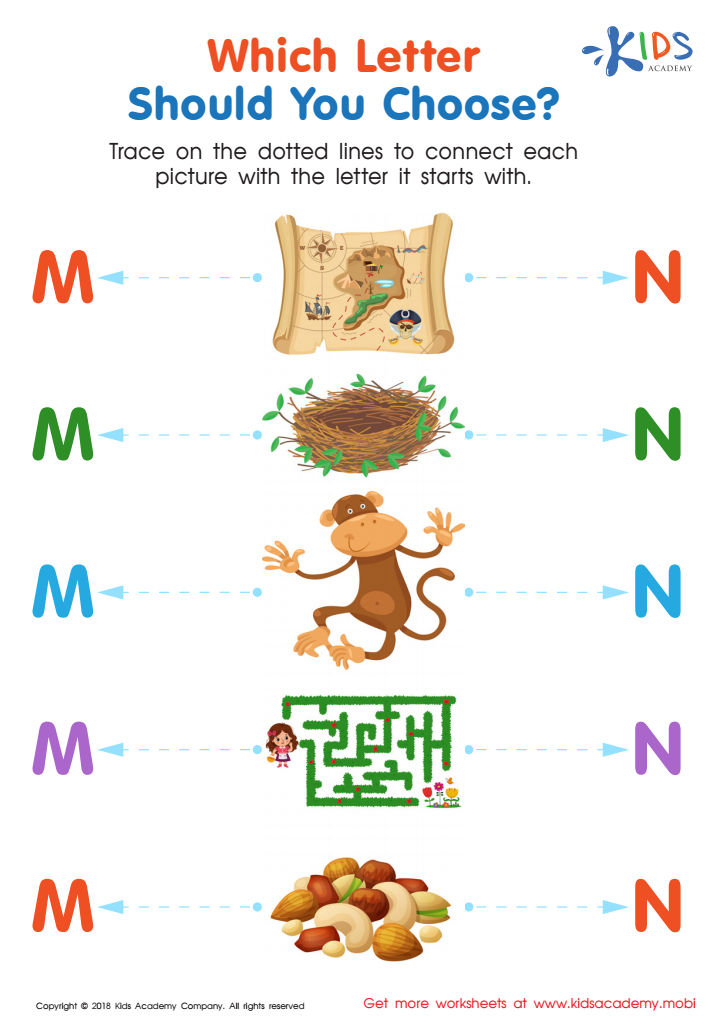
Which Letter Should you Choose? Worksheet
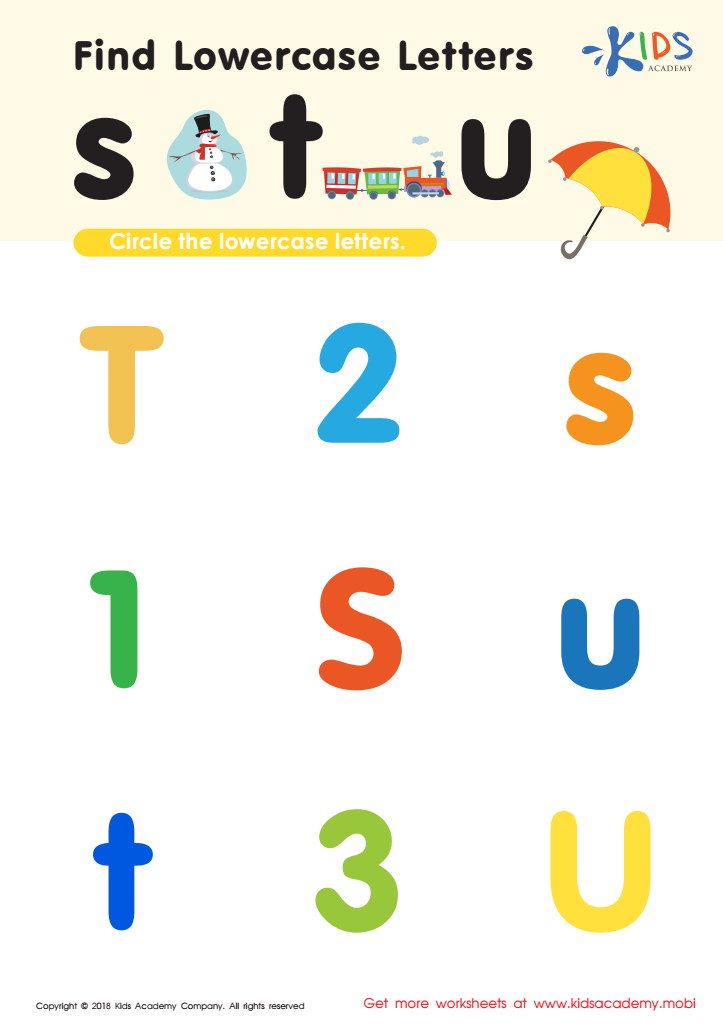
Find lowercase Letters s t u Worksheet
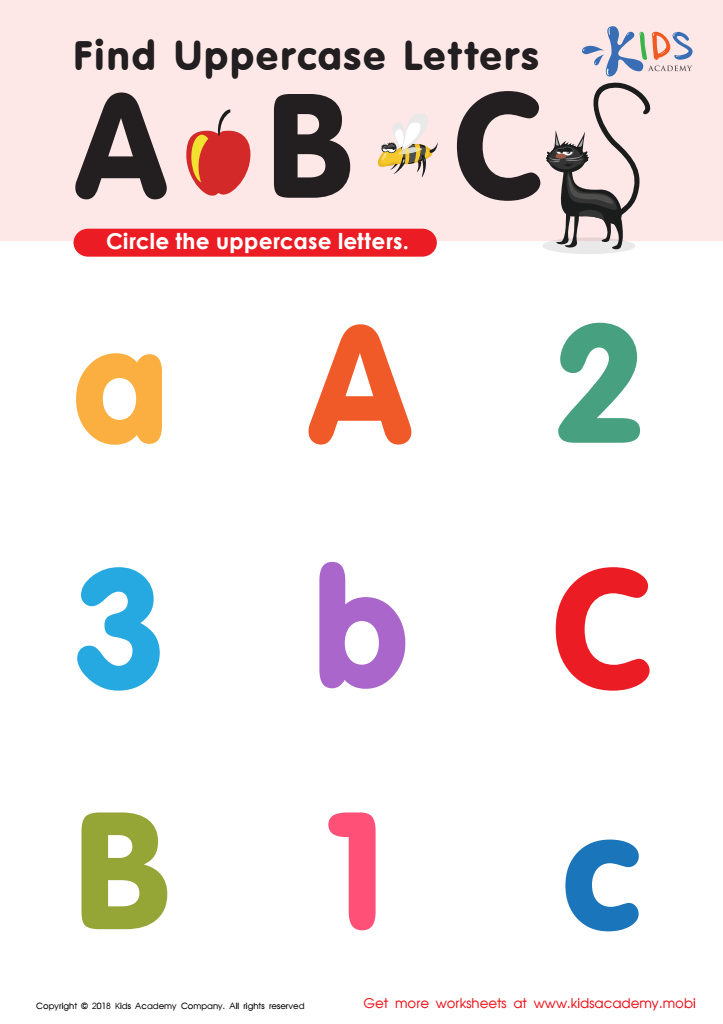
Find Uppercase Letters A, B, and C Worksheet
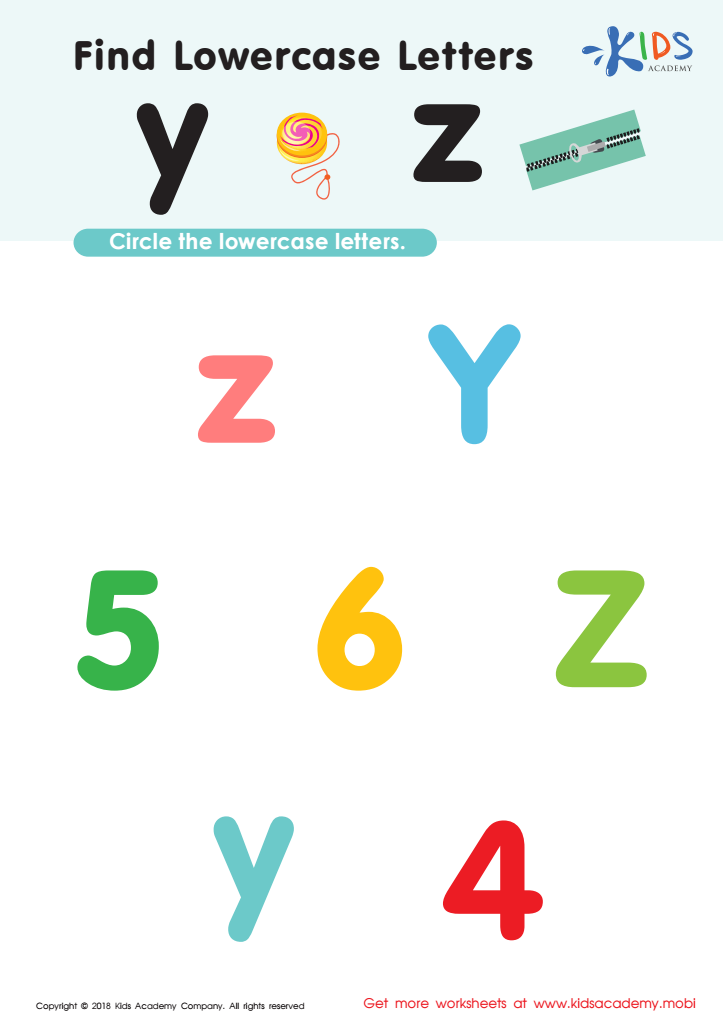
Find Lowercase Letters y z Worksheet
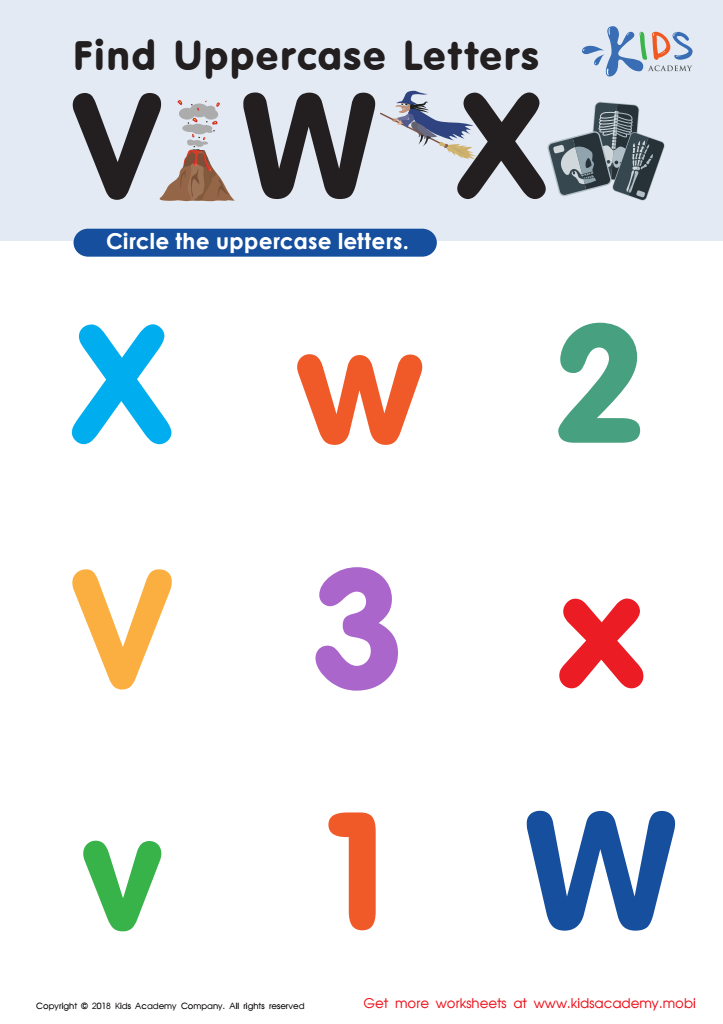
Find Uppercase Letters V, W, X Worksheet
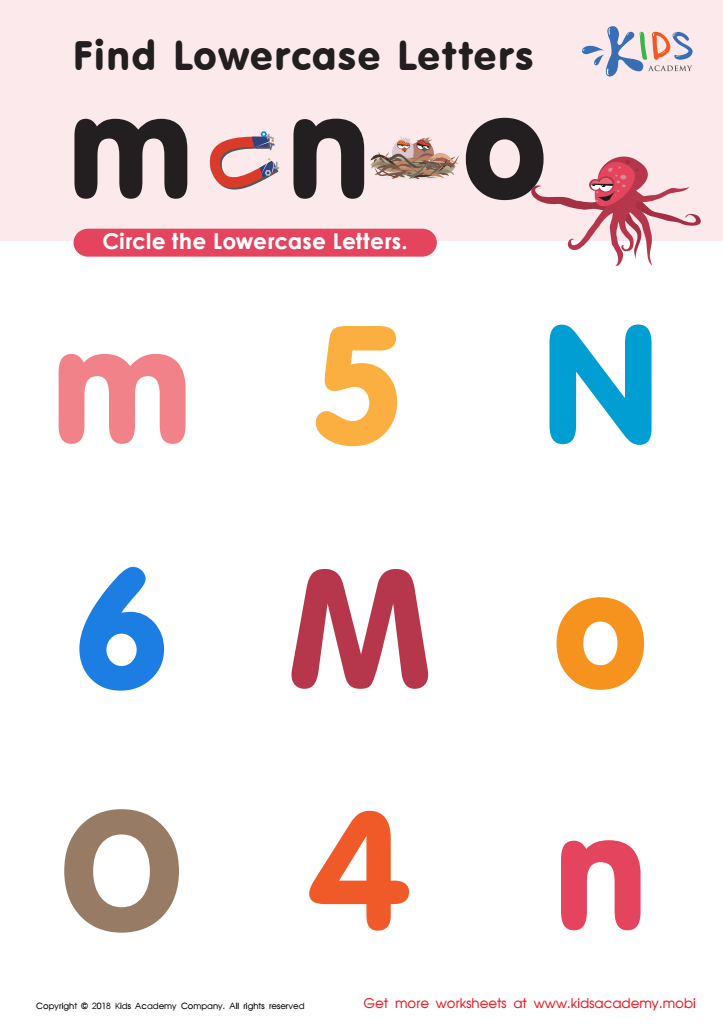
Find Lowercase Letters m n o Worksheet
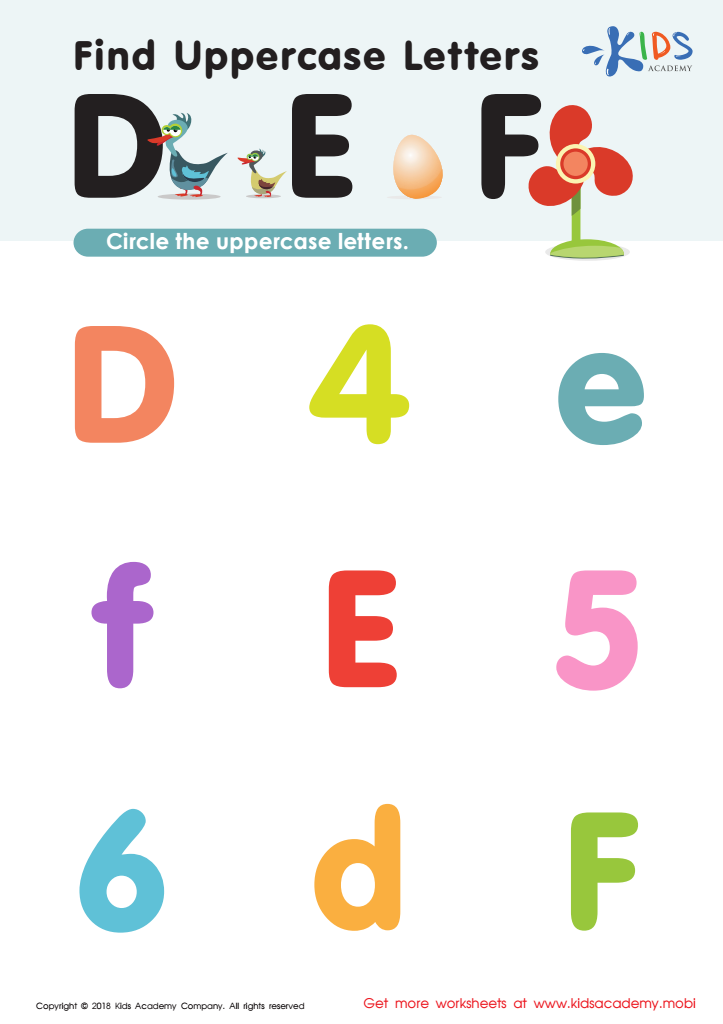
Find Uppercase Letters D, E, and F Worksheet
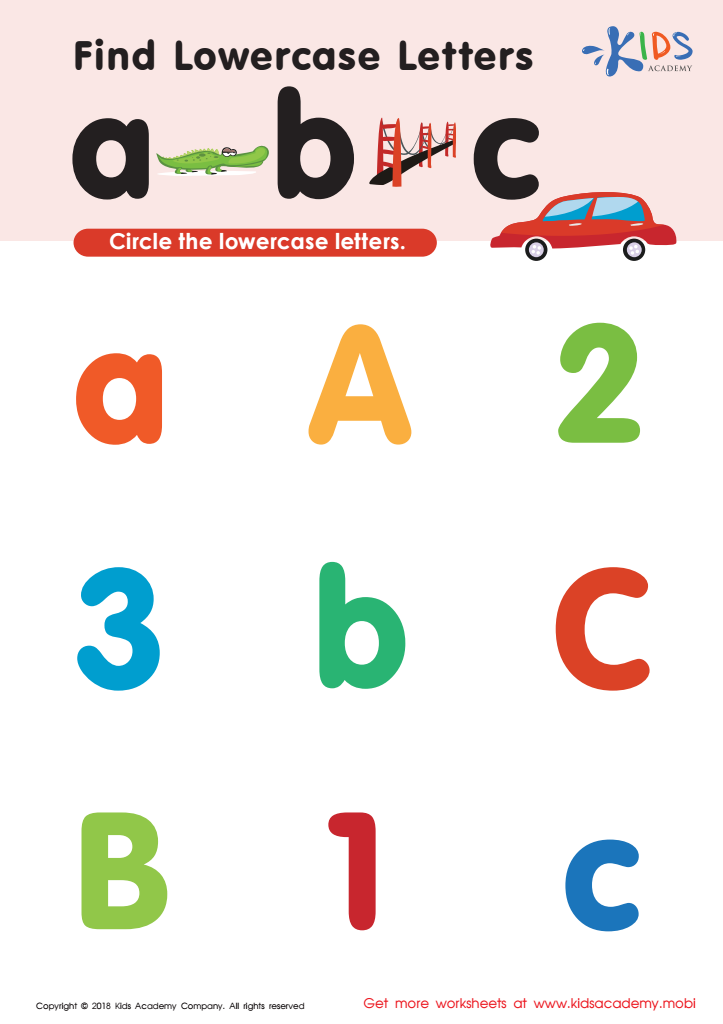
Find lowercase letters a b c Worksheet
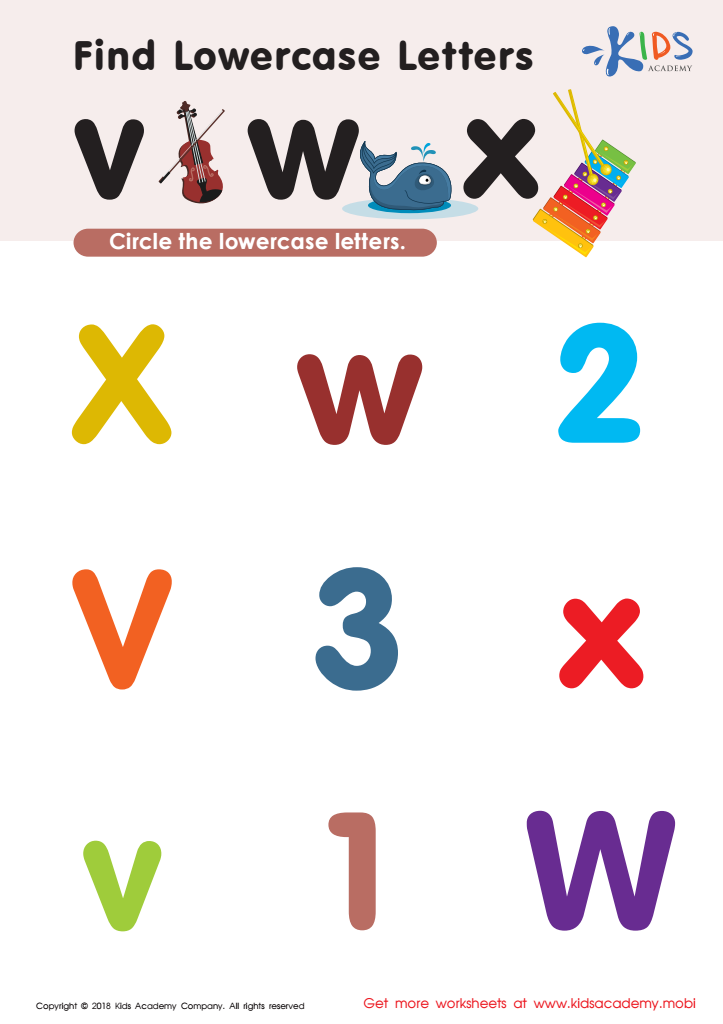
Find Lowercase Letters v w x Worksheet
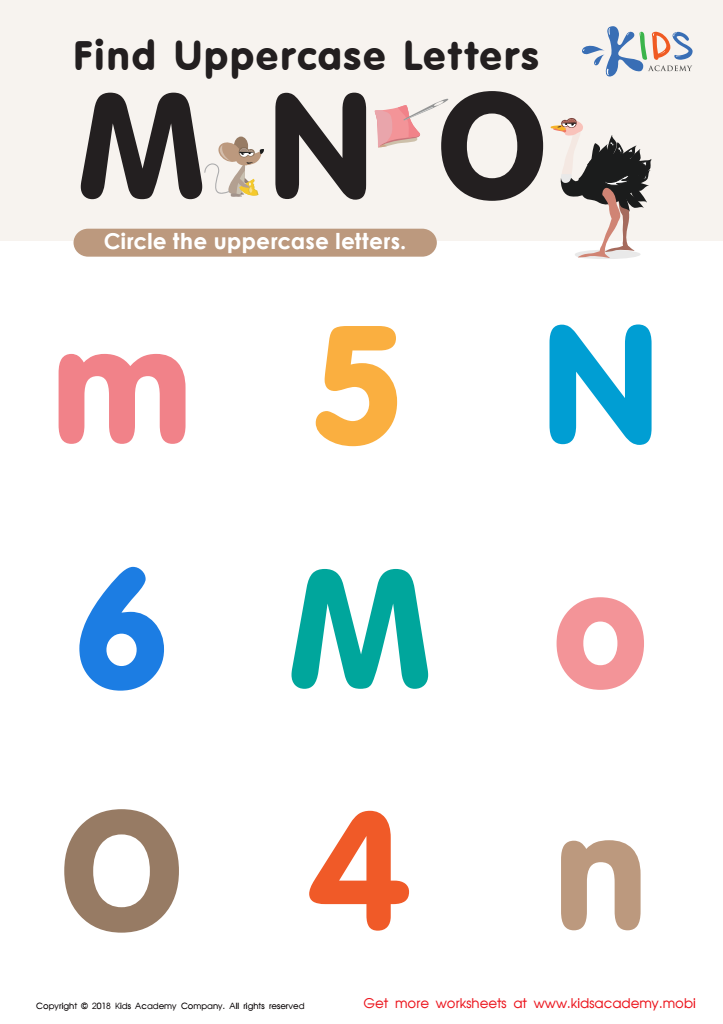
Find Uppercase Letters M, N, and O Worksheet






Letter recognition, specifically the ability to identify both upper and lowercase letters, is foundational for a child's literacy development. For four-year-olds, mastering this skill is crucial as it sets the stage for reading and writing. Recognizing letters, particularly in their various forms, helps children understand the relationship between spoken and written language. This knowledge is vital for phonics, which links letters to sounds—an essential skill in early reading.
Moreover, teaching both upper and lowercase letters acknowledges the realities of reading materials. Children engage with both styles in books, signs, and technology, so learning to differentiate between them early on can enhance their reading fluency and confidence.
Additionally, letter recognition supports cognitive development, improving memory and attention skills. It allows for creativity as children start to recognize letters in their names and learn to write them. Parents and teachers play an integral role in creating a rich, engaging environment filled with alphabet-related activities, such as storytelling, songs, and games. By investing in letter recognition, adults can foster a lifelong love of reading and writing, paving the way for academic success and effective communication skills in the future.







