Alphabet understanding Normal Worksheets for 4-Year-Olds
7 filtered results
-
From - To
Unlock the power of letters with our "Alphabet Understanding Normal Worksheets for 4-Year-Olds." Designed specifically for preschoolers, these engaging and interactive worksheets help young learners recognize and master the alphabet. By combining fun activities with fundamental literacy skills, we make learning enjoyable and effective. From tracing letters to identifying them in words, our worksheets promote daily practice and build confidence. Ideal for both classroom and home use, these printable resources are a perfect addition to any early learning curriculum. Start your child’s reading journey today with our expertly crafted alphabet worksheets!
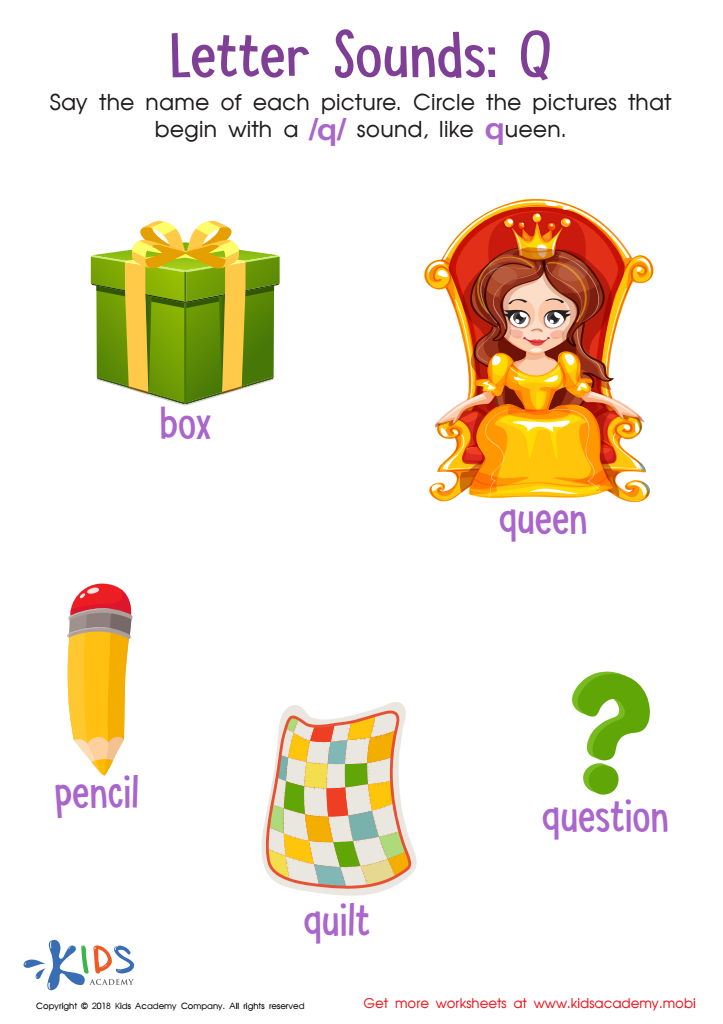
Letter Q Sounds Worksheet
 Assign to My Students
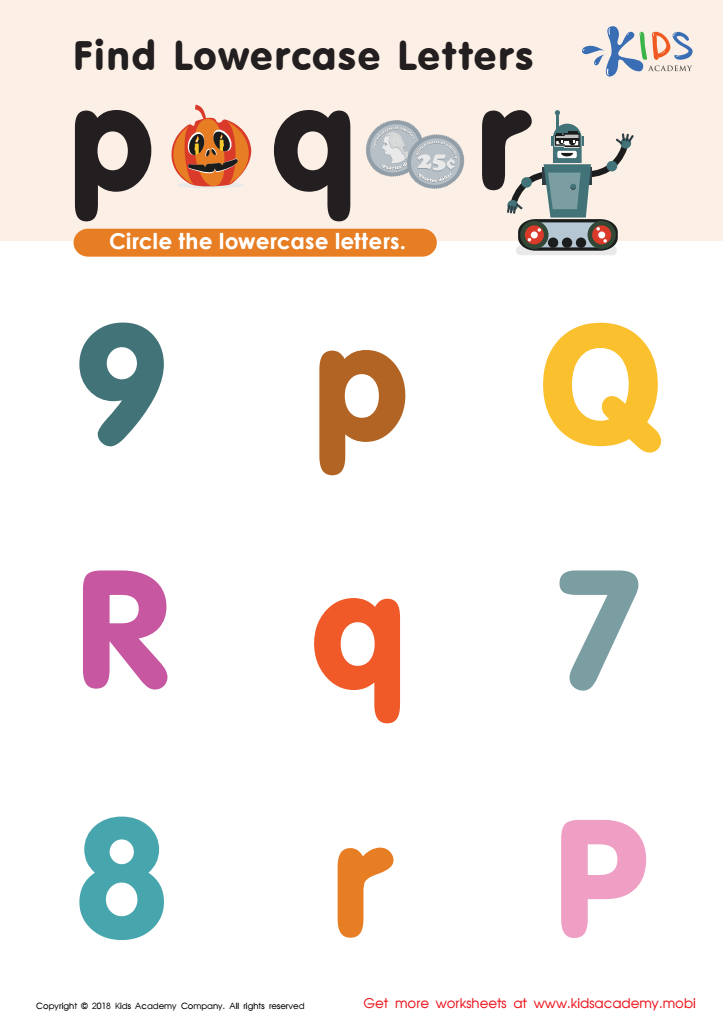
Find lowercase Letters p q r Worksheet
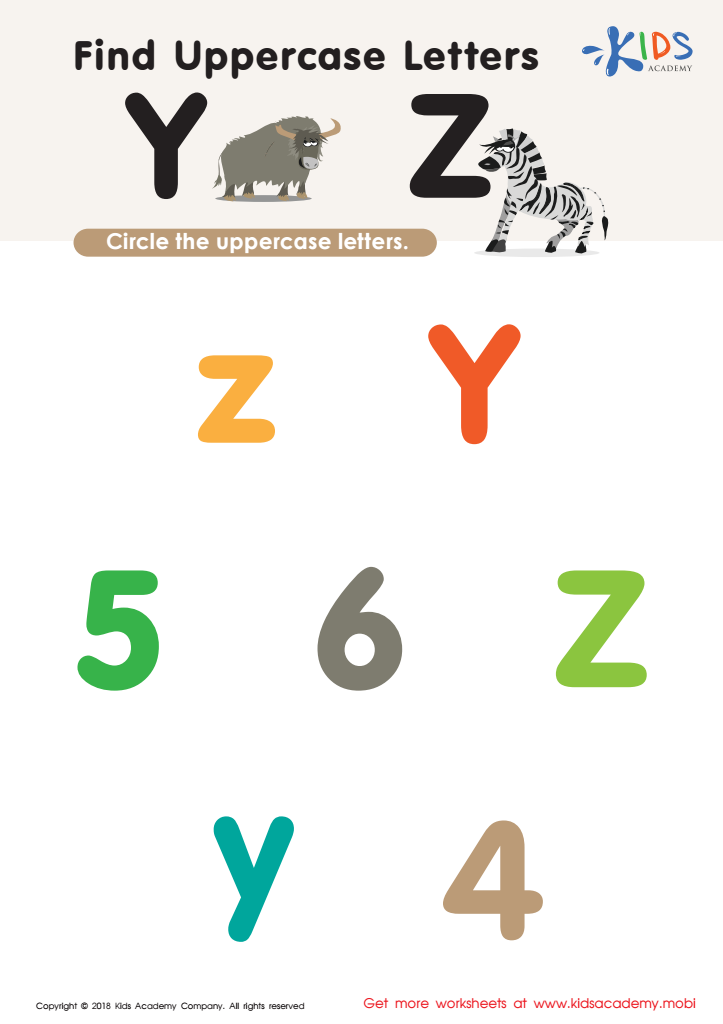
Find Uppercase Letters Y Z Worksheet
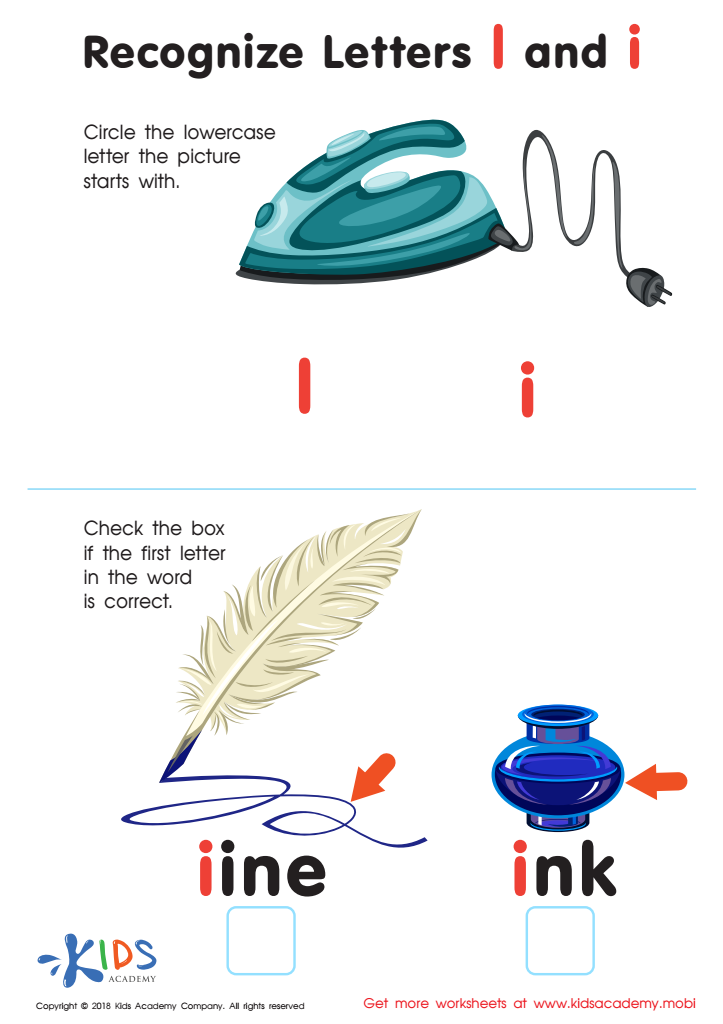
Recognize Letters l and i Worksheet
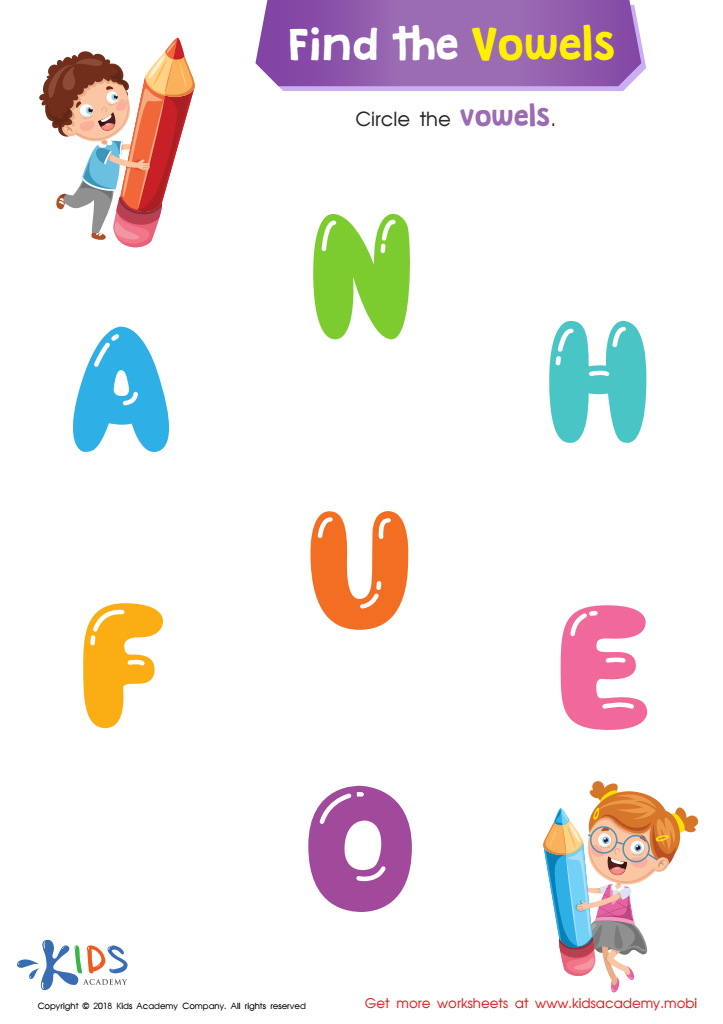
Find the Vowels Reading Worksheet
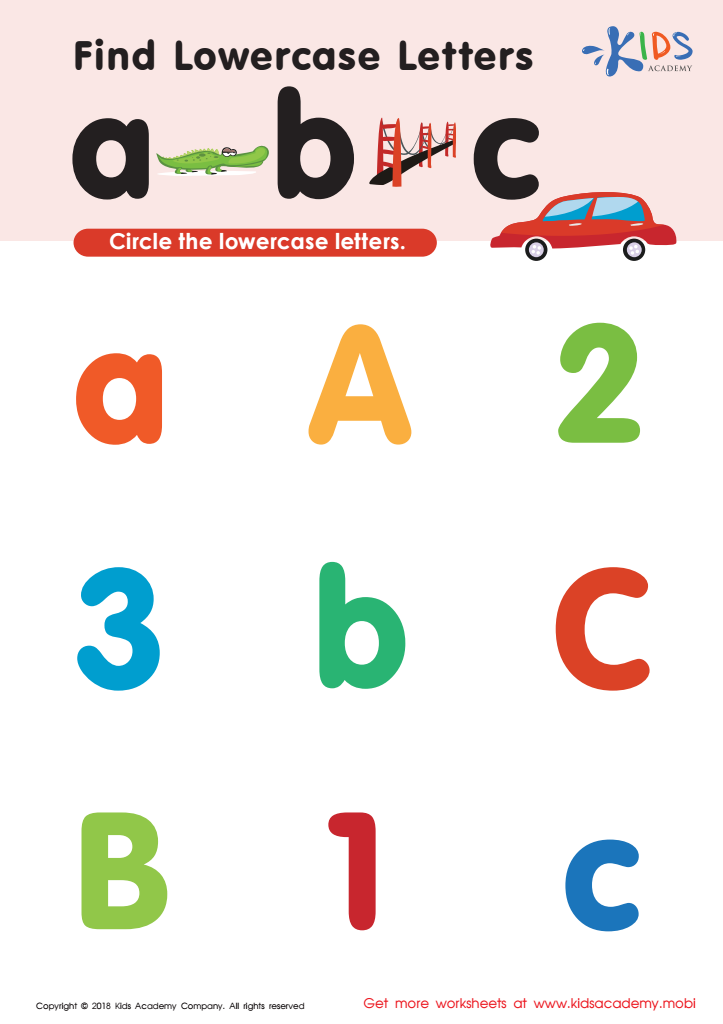
Find lowercase letters a b c Worksheet
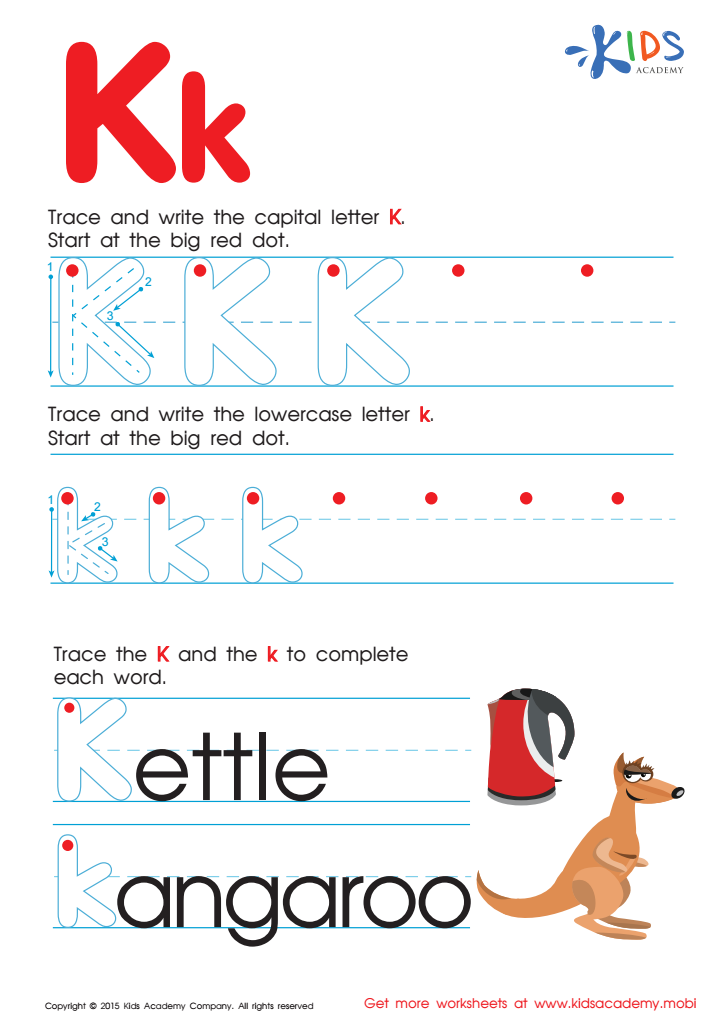
Letter K Tracing Page







Understanding the alphabet is a crucial developmental milestone for 4-year-olds, forming the foundation for future literacy and academic success. It prepares children for reading, one of the most important skills they will acquire in school. Recognizing letters and their sounds enables children to understand the relationship between written and spoken language, making reading and writing more accessible as they grow.
When parents and teachers prioritize alphabet learning, they are investing in their child's cognitive development. This includes improving memory, concentration, and the ability to follow instructions. Furthermore, it contributes to enhanced language skills, expanding their vocabulary and helping them communicate more effectively.
Supporting alphabet comprehension also nurtures a child’s confidence and excitement for learning. Early success in understanding letters and sounds can lead to a positive attitude towards school and education overall.
Moreover, alphabet learning activities can be fun and engaging, providing opportunities for meaningful interactions between parents, teachers, and children. Storytime, letter games, and sing-along alphabet songs can make the learning process enjoyable, fostering a loving and supportive educational environment.
Therefore, parents and teachers should care about alphabet understanding as it lays the groundwork for a child’s future learning, nurturing essential cognitive and language development and building a solid educational foundation.








