Critical thinking skills Normal Worksheets for 4-Year-Olds
5 filtered results
-
From - To
Welcome to our collection of critical thinking skills worksheets designed specifically for 4-year-olds! These engaging and educational resources help young learners enhance their cognitive abilities through fun and interactive activities. Our worksheets focus on problem-solving, pattern recognition, and reasoning skills, fostering curiosity and creativity in little minds. By completing these exercises, children will develop essential skills that underpin future learning across all subjects. Easy to print and perfect for home or classroom use, our critical thinking worksheets provide an excellent opportunity for parents and educators to nurture a love for learning in children at an early age. Start exploring today!
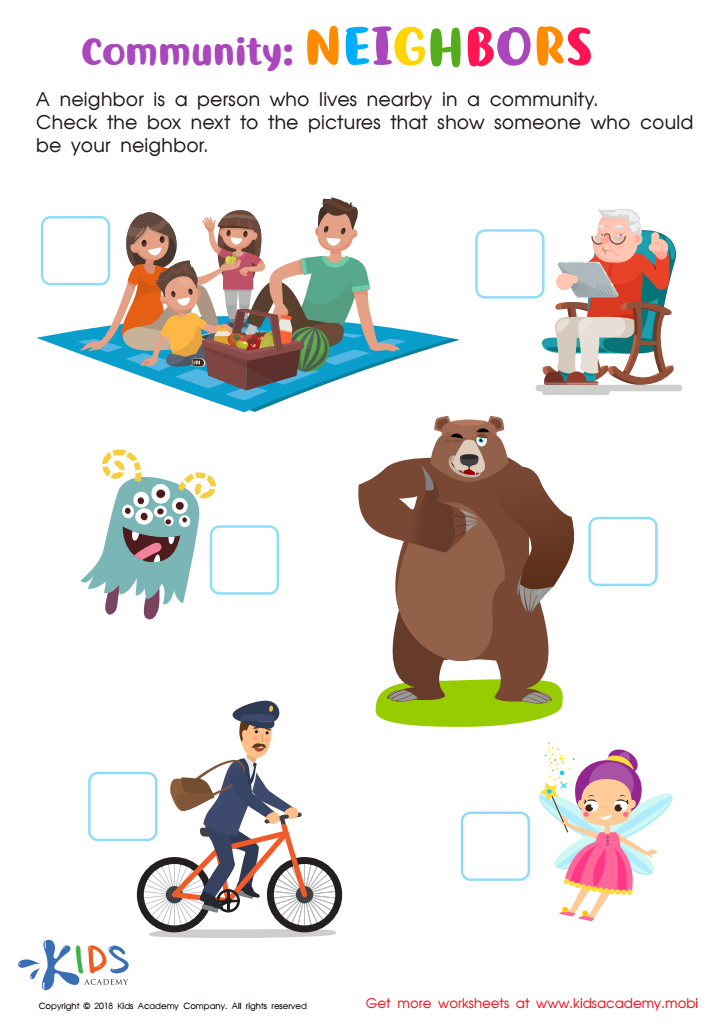
Community: Neighbors Worksheet
 Assign to My Students
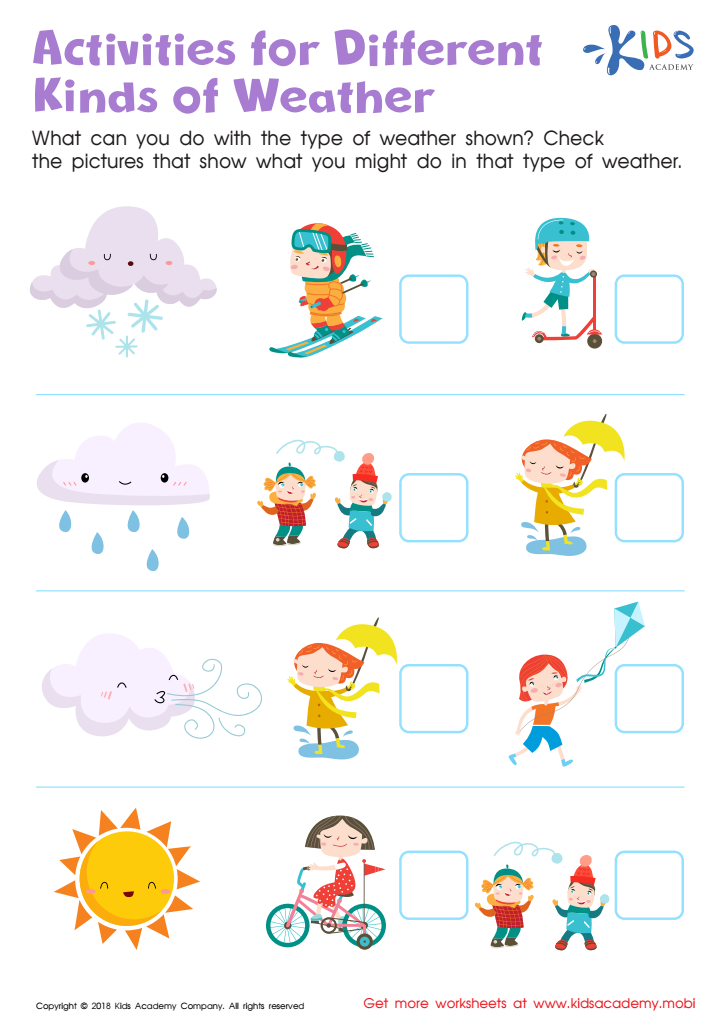
Activities for Different Kinds of Weather Worksheet
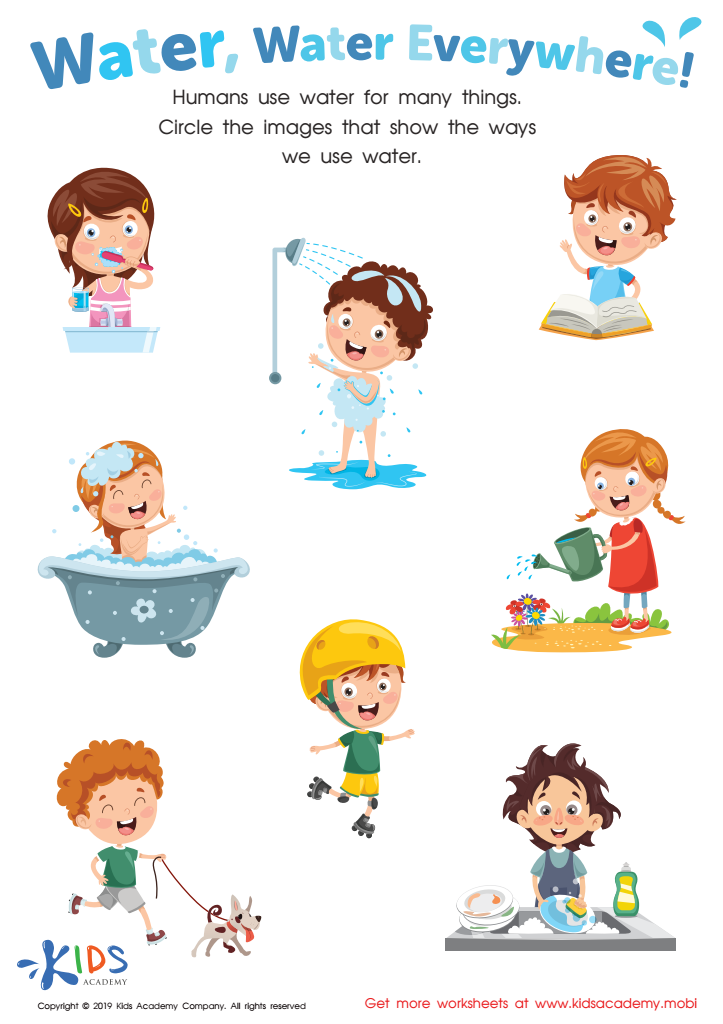
Water, Water Everywhere! Worksheet
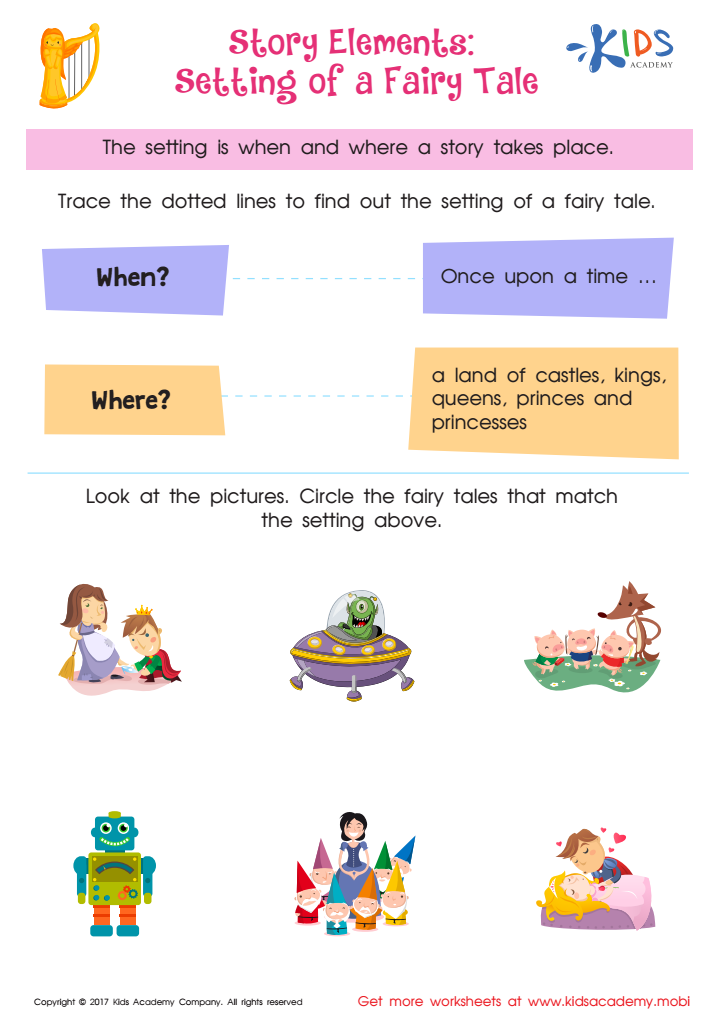
Story Elements: Setting of a Fairy Tale Printable
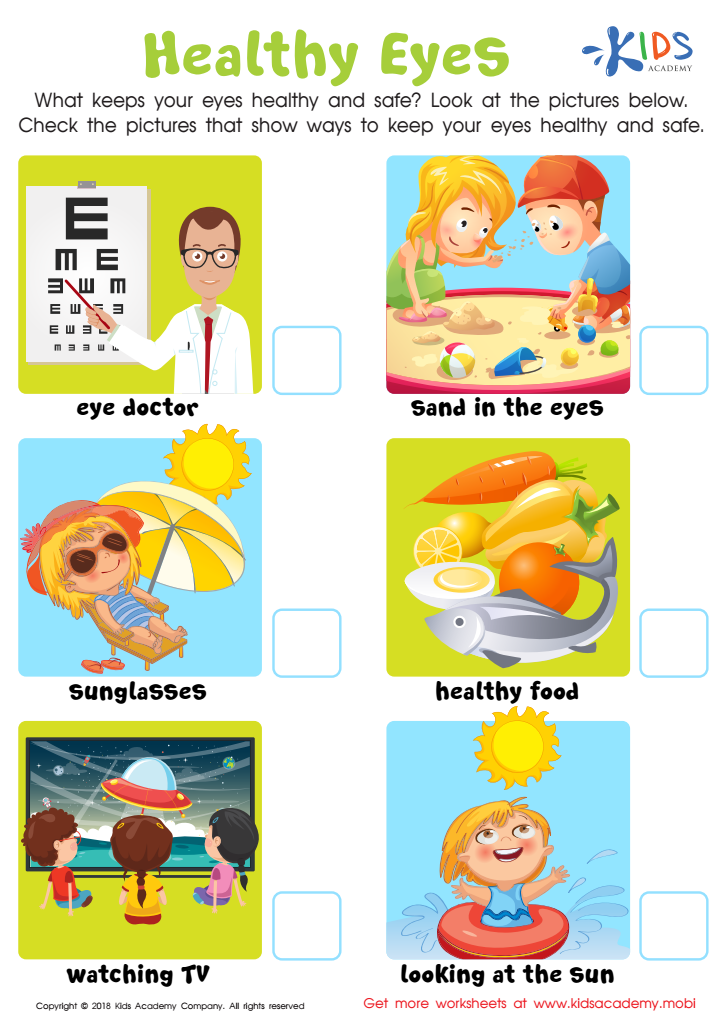
Healthy Eyes Worksheet



.jpg)


Critical thinking skills are essential for four-year-olds as they lay the foundation for lifelong learning and decision-making. At this age, children are naturally curious and eager to explore their world. Encouraging critical thinking fosters this curiosity and helps develop their ability to analyze situations, solve problems, and make informed choices.
Parents and teachers should care about nurturing critical thinking because these skills enhance cognitive development. When children routinely engage in activities that challenge their reasoning—such as asking questions, exploring “what if” scenarios, or discussing hypothetical situations—they learn to assess information thoughtfully. This is crucial in today’s world, where children are exposed to vast amounts of information from various sources.
Moreover, equipping children with critical thinking skills helps build their confidence in expressing their ideas and opinions. As they become more proficient thinkers, they learn to cooperate and communicate effectively with peers and adults, an important social skill that fosters teamwork and collaboration.
Ultimately, instilling critical thinking in early childhood ensures that children are better prepared for academic challenges and navigating life’s complexities as they grow, contributing to well-rounded, capable individuals in society.








