Logical reasoning skills Normal Worksheets for 4-Year-Olds
3 filtered results
-
From - To
Discover our engaging Logical Reasoning Skills Worksheets designed specifically for 4-year-olds! These fun-filled, age-appropriate worksheets help young learners develop critical thinking and problem-solving abilities through colorful activities and playful challenges. Each worksheet encourages kids to identify patterns, complete sequences, and categorize objects, fostering cognitive skills essential for school readiness. Perfect for both classroom settings and home learning, our worksheets promote independent thinking while maintaining a fun learning environment. With a variety of exercises tailored for early childhood development, children will enjoy improving their logical reasoning skills in an exciting way. Visit us today to boost your child’s learning journey!
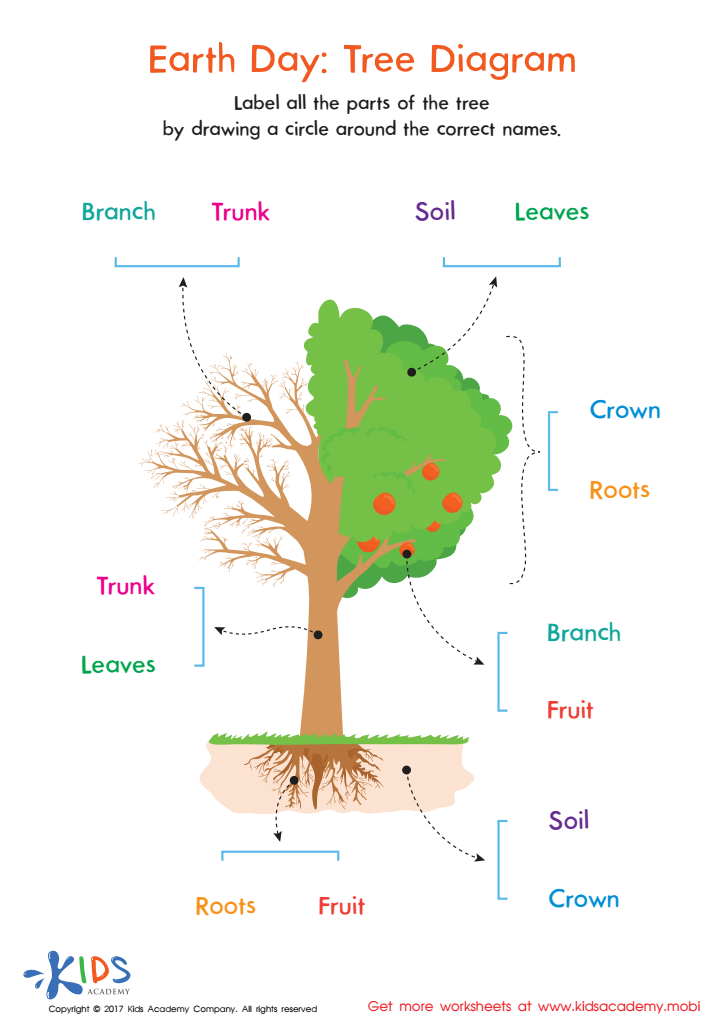
Earth Day: Tree Diagram Worksheet
 Assign to My Students
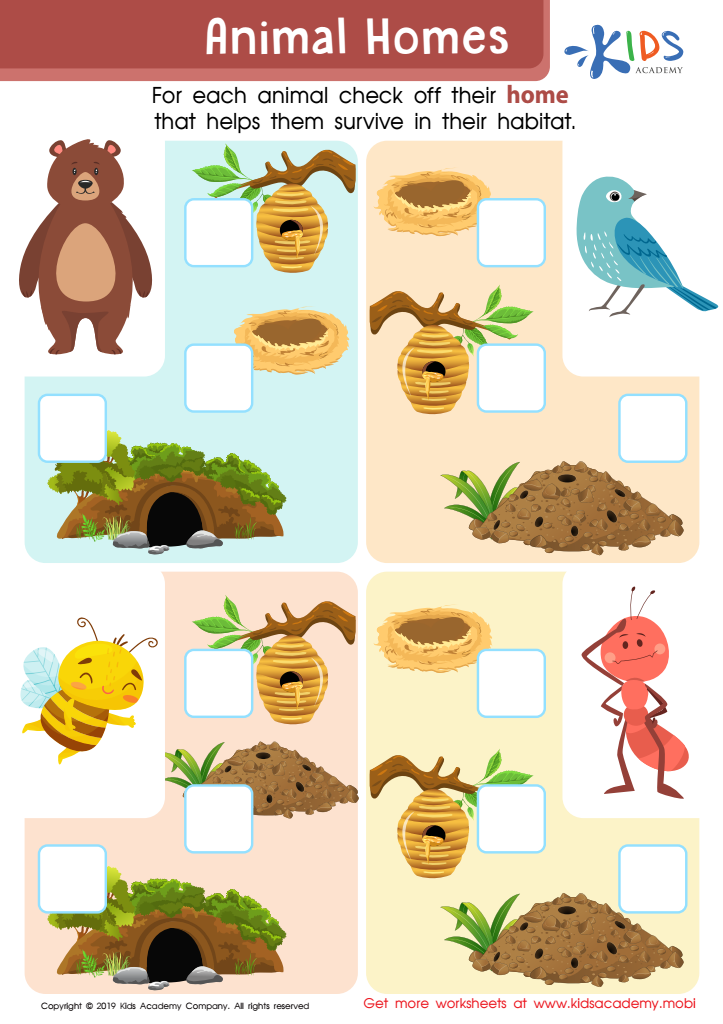
Animal Homes Worksheet
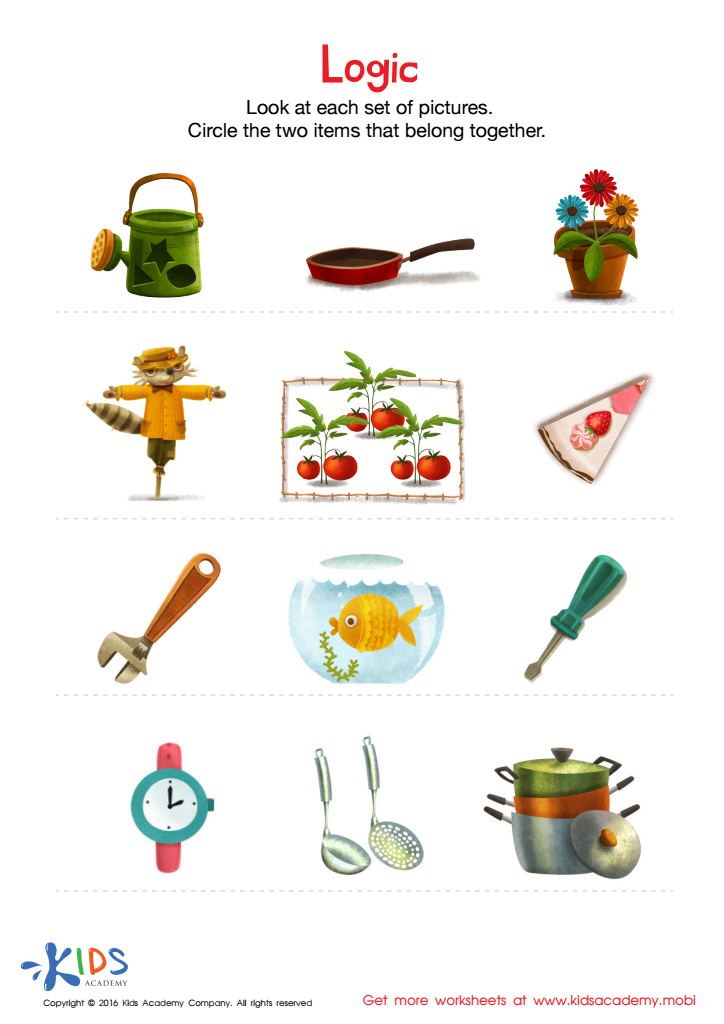
Logic Game Sorting Worksheet








Logical reasoning skills are foundational for a child's cognitive development and lifelong learning. At four years old, children are naturally curious and eager to make sense of the world around them. Fostering logical thinking during this critical period equips them with essential problem-solving abilities. Parents and teachers should care about developing these skills as they enhance a child's ability to analyze situations, recognize patterns, and draw conclusions.
Moreover, strong logical reasoning skills facilitate communication and social interactions. Children learn to articulate their thoughts clearly and critically evaluate information, which is vital for collaboration with peers. Engaging them in activities that encourage reasoning—like puzzles, strategy games, or simple questioning—boosts their confidence in making decisions.
Additionally, logical reasoning is closely tied to later academic success, particularly in subjects like mathematics and science. Cultivating these skills early can create a solid foundation for future learning, making complex concepts more approachable as they progress through school.
In essence, nurturing logical reasoning not only enhances cognitive skills but also empowers children to navigate challenges effectively, ultimately setting them on a path toward becoming independent, critical thinkers. Investing effort in this area yields fruitful dividends for their overall development.








