Our Sentence Construction Normal Worksheets for 4-Year-Olds provide fun and engaging activities designed to enhance early literacy skills. These printables are crafted to help preschoolers understand the basics of sentence structure, including word order and simple grammatical rules. With colorful illustrations and age-appropriate exercises, children can practice forming sentences while improving their vocabulary and comprehension. Perfect for at-home practice or classroom use, our worksheets offer a playful approach to learning. Encourage your child's language development with our expertly designed resources, building a strong foundation for future reading and writing success. Explore now and watch their confidence grow!

Check out this FREE "Sentence construction" Trial Lesson for age 4!

Describe Connection Between Two Events/ Pieces of Information in a Text

Favorites
With answer key
Interactive
  • 4
  • Sentence construction
  • Normal
Sight Words I Can Worksheet

Sight Words I Can Worksheet

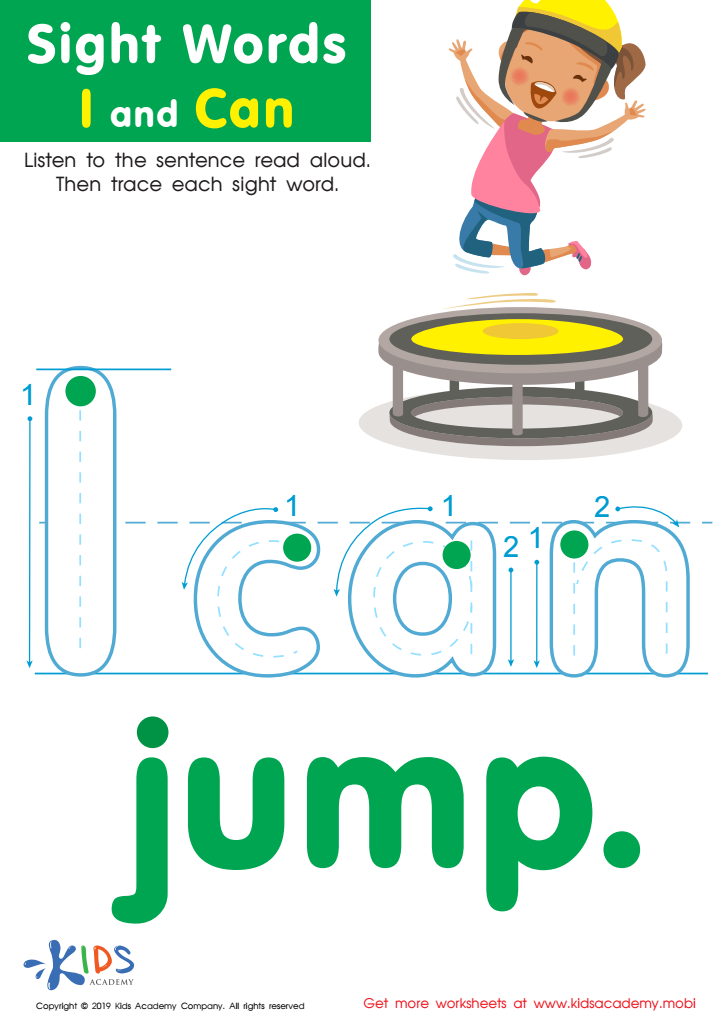
Emerging readers can build confidence and improve reading skills with this free worksheet! They'll trace the lines to complete the "I Can" phrase then use the picture clue to decode the last word. This activity encourages reading and writing, and is empowering for kids as they explore all the things they can do!
Sight Words I Can Worksheet
Worksheet
Sight Word Can Worksheet

Sight Word Can Worksheet

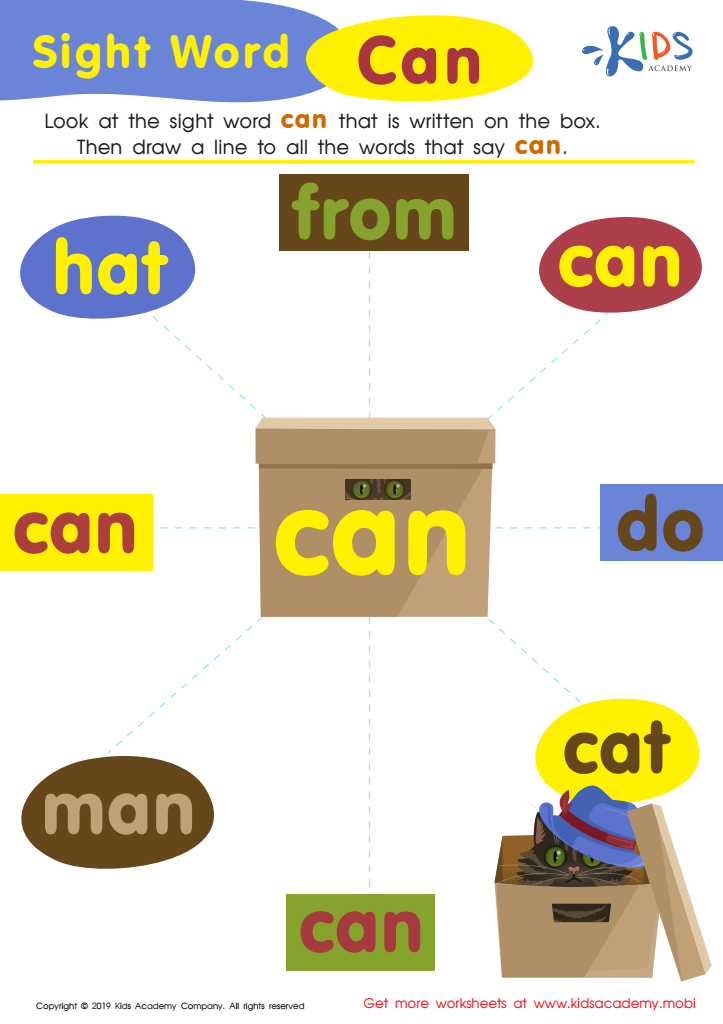
Learning sight words is key for strong readers. Kids with large word bases find reading simpler, since they don't have to decode words they already know. This free worksheet uses the word 'can' to help kids improve their visual discrimination and refine motor skills, while providing pictures to help them along.
Sight Word Can Worksheet
Worksheet
Read Words Order Part 1 Worksheet

Read Words Order Part 1 Worksheet

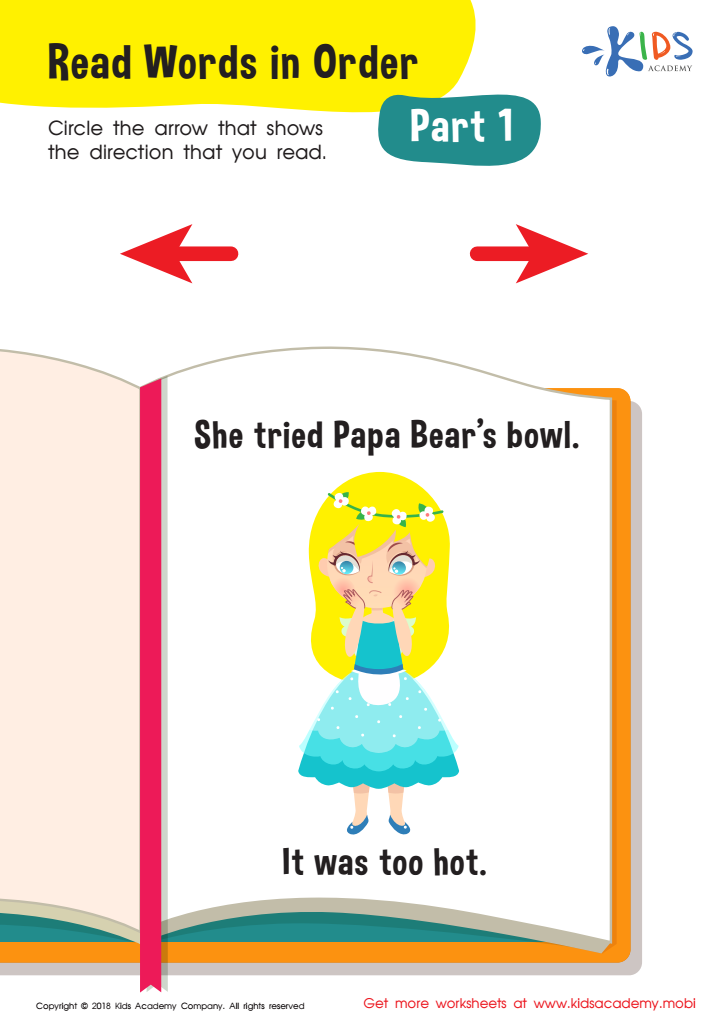
Is your child just starting out with reading or having trouble? This worksheet is perfect! It'll help them learn the right way to read. Ask them to circle the arrow that shows the right direction to read. With this exercise, your child can overcome some of their reading challenges.
Read Words Order Part 1 Worksheet
Worksheet
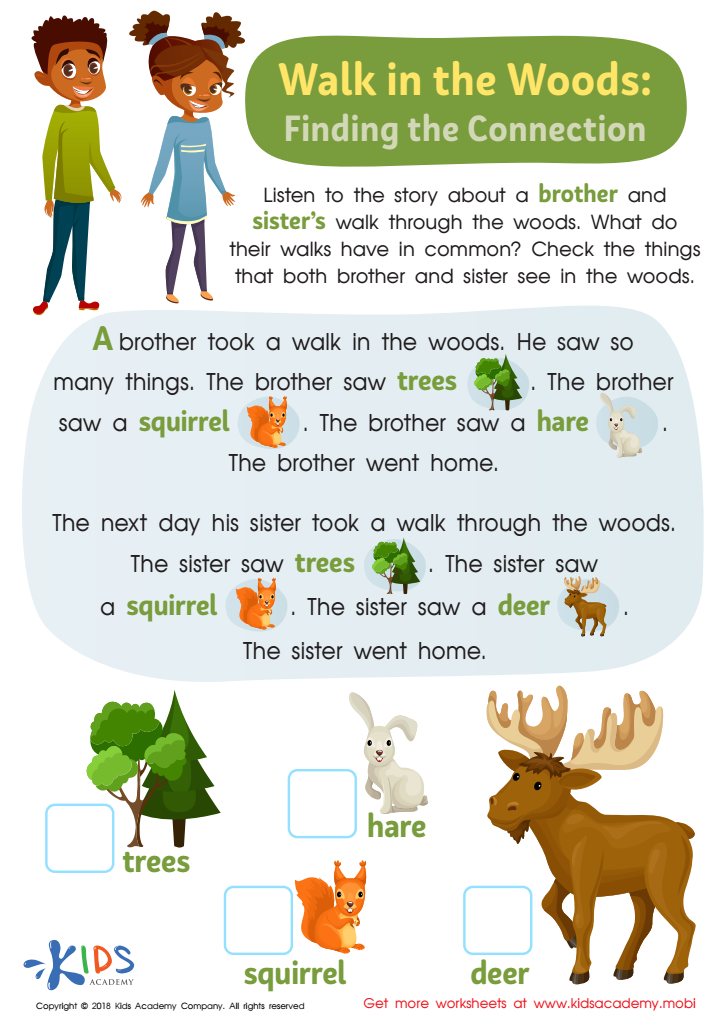
Walk In the Woods: Finding Connections Worksheet

Walk In the Woods: Finding Connections Worksheet

Brother and sister took a walk in the woods to connect with nature and get some exercise. As they went, they noted different things like birds and plants, which they share in this story. Read it to your little ones, and help them check off the items the two saw. It's a great way to learn about nature and enjoy the outdoors.
Walk In the Woods: Finding Connections Worksheet
Worksheet
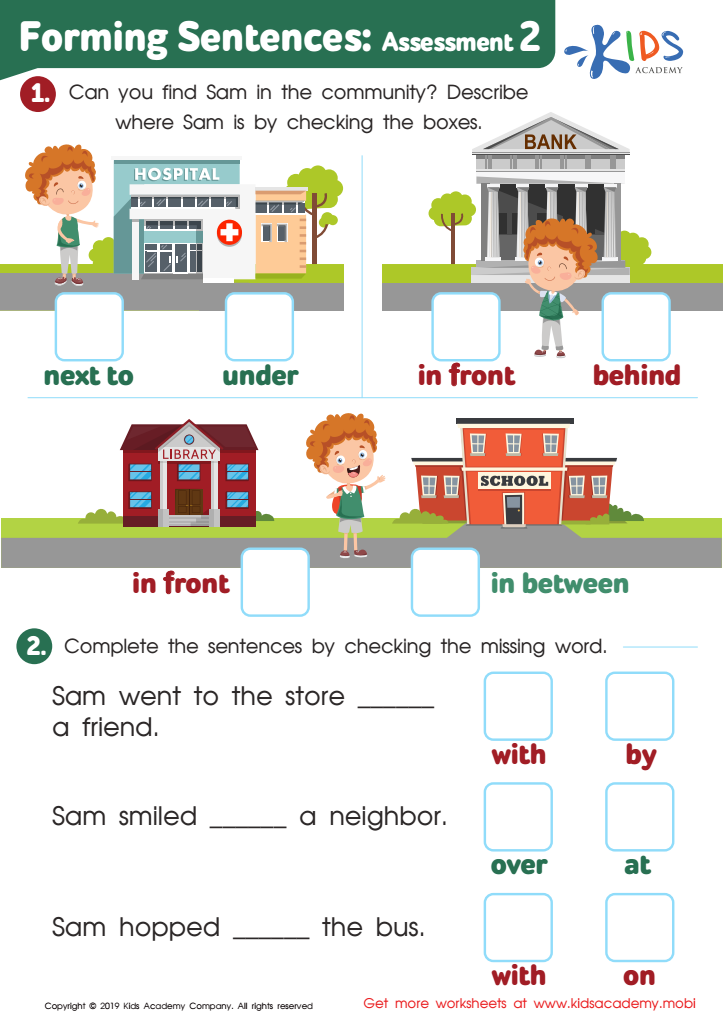
Forming Sentences: Assessment 2 Worksheet

Forming Sentences: Assessment 2 Worksheet

A community is an area with different people, buildings and professionals. Ask students to list buildings in their area, then help find Sam. Describe where he is and check the boxes in the worksheet. At the bottom, help complete the sentences by checking the missing word.
Forming Sentences: Assessment 2 Worksheet
Worksheet
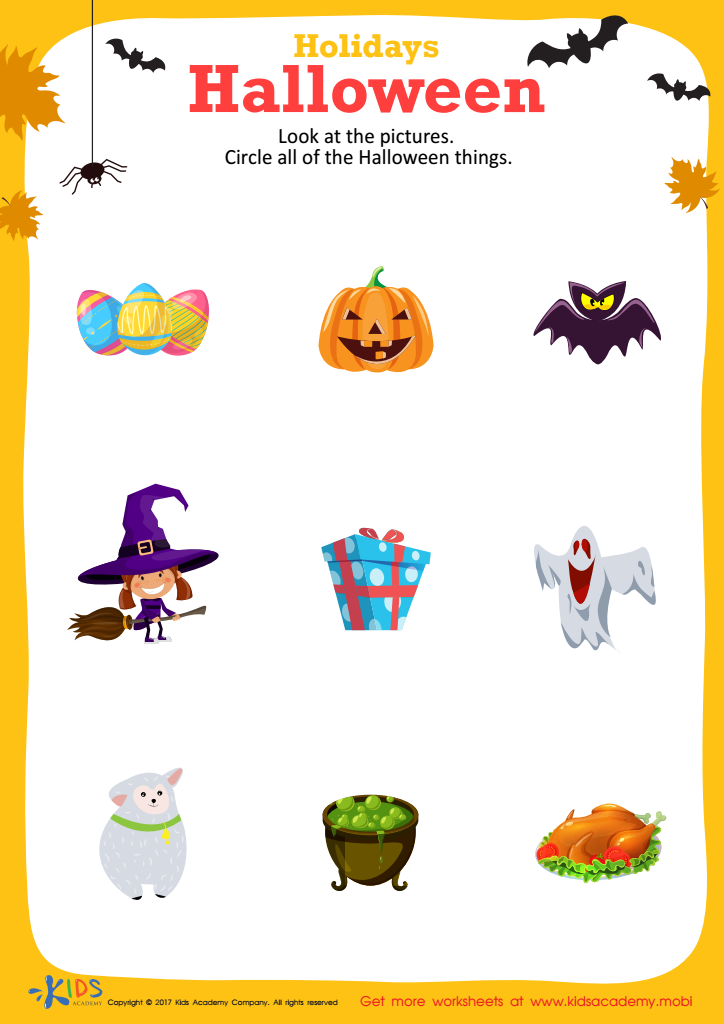
Free printable Halloween worksheet

Halloween Holiday Worksheet

Gather your kids and get ready for a spooky review of Halloween symbols with this fun exercise! Max. 80 words Gather your goblins and ghouls for a fun Halloween exercise! Review prominent symbols of the holiday with our free printable worksheet. It will excite your kids and reinforce the concept of symbolism. Get ready for a spooky review!
Halloween Holiday Worksheet
Worksheet
Which Is Correct? Worksheet


Which Is Correct? Worksheet

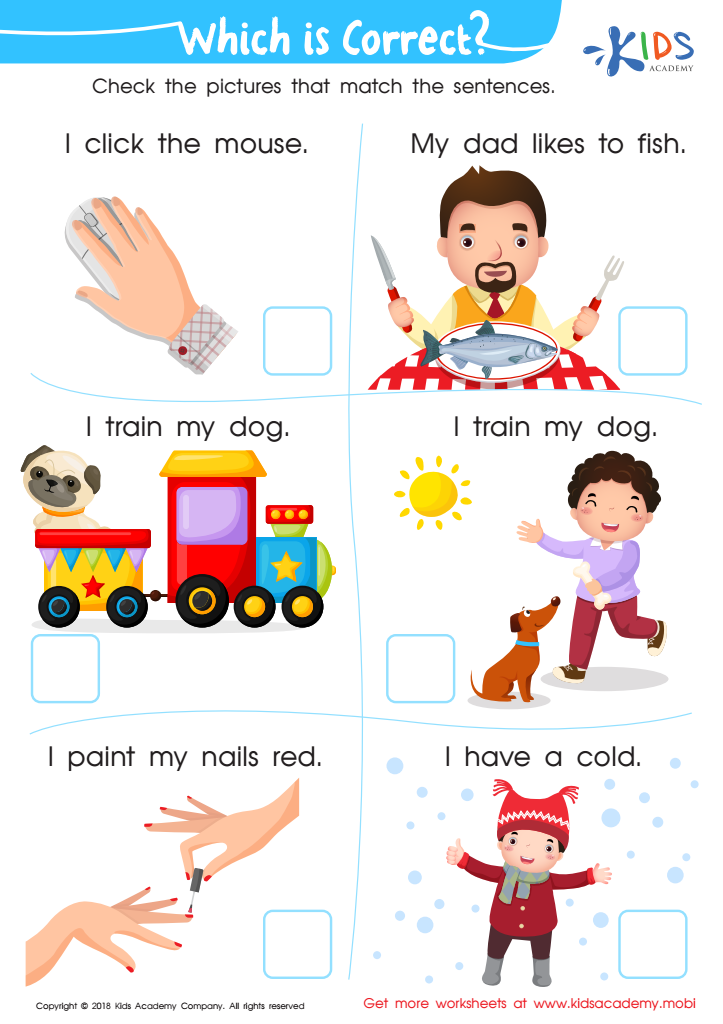
Go over the exercise with your students. Ask them to read the sentences and explain what they mean. Check the pictures that correspond to the sentences. For example, what does "My dad likes to fish" mean? Test their understanding with the worksheet.
Which Is Correct? Worksheet
Worksheet


Parents and teachers should care about sentence construction norms for 4-year-olds because this developmental milestone is critical for effective communication and cognitive development. During this stage, children transition from using simple, two-word phrases to more complex and coherent sentences. Mastering sentence construction helps young children express their thoughts, needs, and emotions more clearly, which is essential for social interactions, problem-solving, and learning.

By age four, children are typically able to form sentences that include a subject, verb, and object, and can describe actions and events in more detail. Ensuring that children achieve these benchmarks sets a strong foundation for subsequent language development, literacy skills, and academic success. Concerns in sentence construction might indicate underlying language delays or other developmental issues, and early intervention can address these effectively.

Furthermore, understanding sentence norms can help parents and teachers provide appropriate educational support and enriching language experiences. Activities like reading together, engaging in meaningful conversations, and utilizing language games can significantly enhance a child's sentence formation and overall language abilities. Hence, monitoring and supporting sentence construction in 4-year-olds is a crucial aspect of nurturing their comprehensive cognitive and social growth.