Shape identification Normal Worksheets for 4-Year-Olds
7 filtered results
-
From - To
Welcome to our Shape Identification Normal Worksheets for 4-Year-Olds! These engaging worksheets are designed to foster early math skills by helping young learners recognize and identify various shapes. Ideal for preschool and pre-kindergarten children, our activities include interactive exercises that encourage exploration and understanding of shapes like circles, squares, triangles, and rectangles. Each worksheet is colorful and child-friendly, making learning fun and effective. Perfect for home or classroom use, these resources promote not only shape recognition but also critical thinking and fine motor skills. Download now and watch your child's confidence soar as they explore the world of shapes!
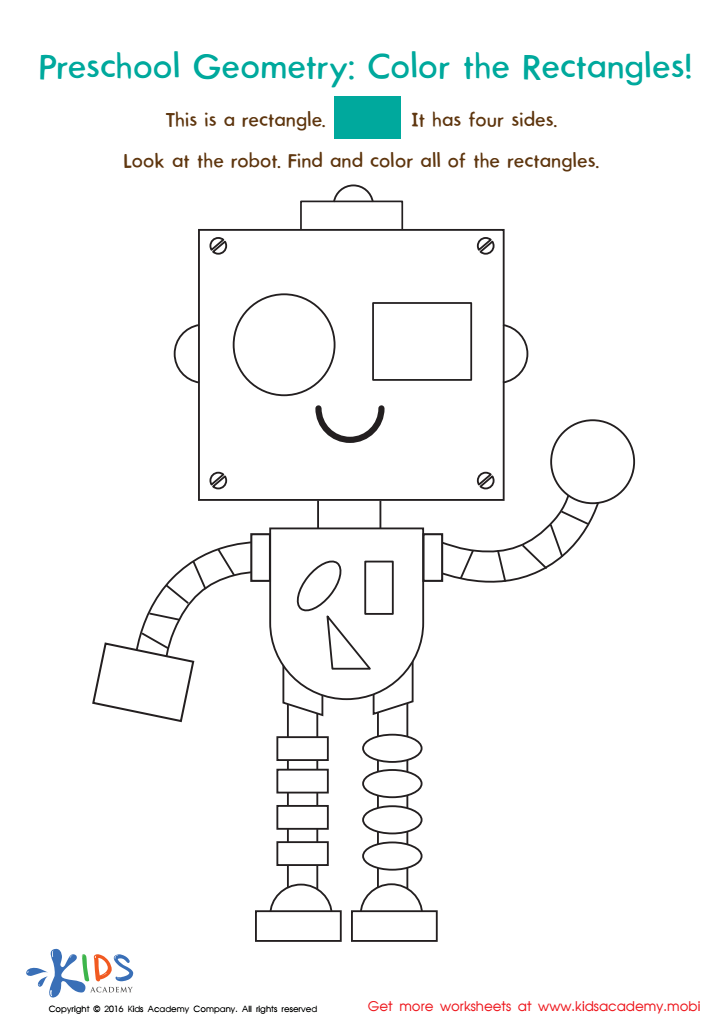
Geometry Worksheet
 Assign to My Students
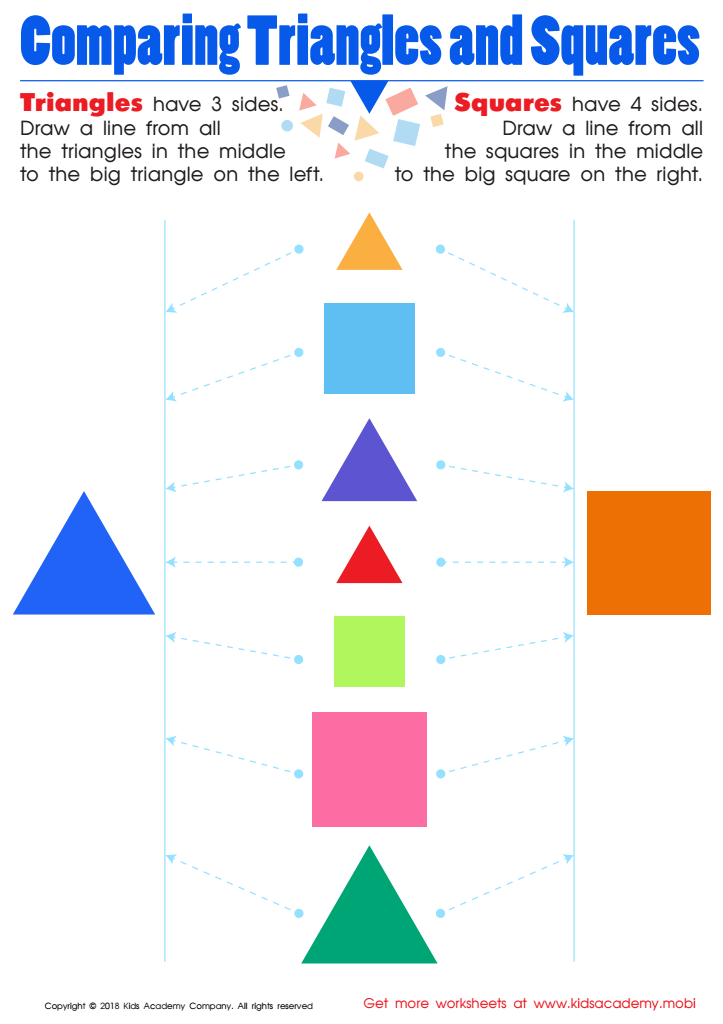
Comparing Triangles Squares Worksheet
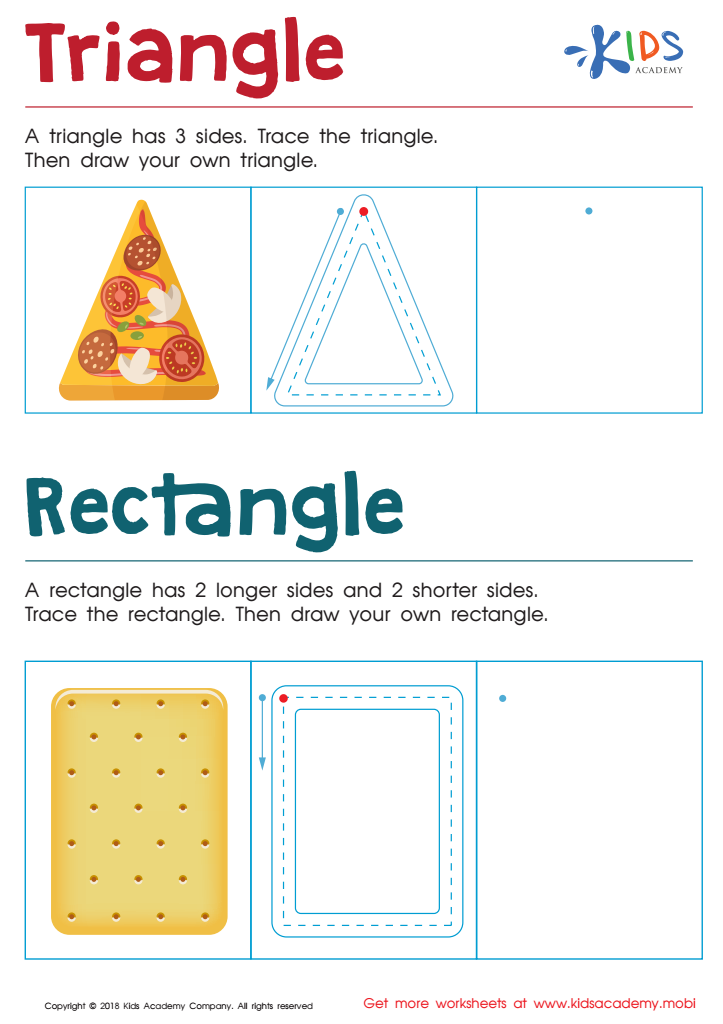
Triangle Rectangle Worksheet
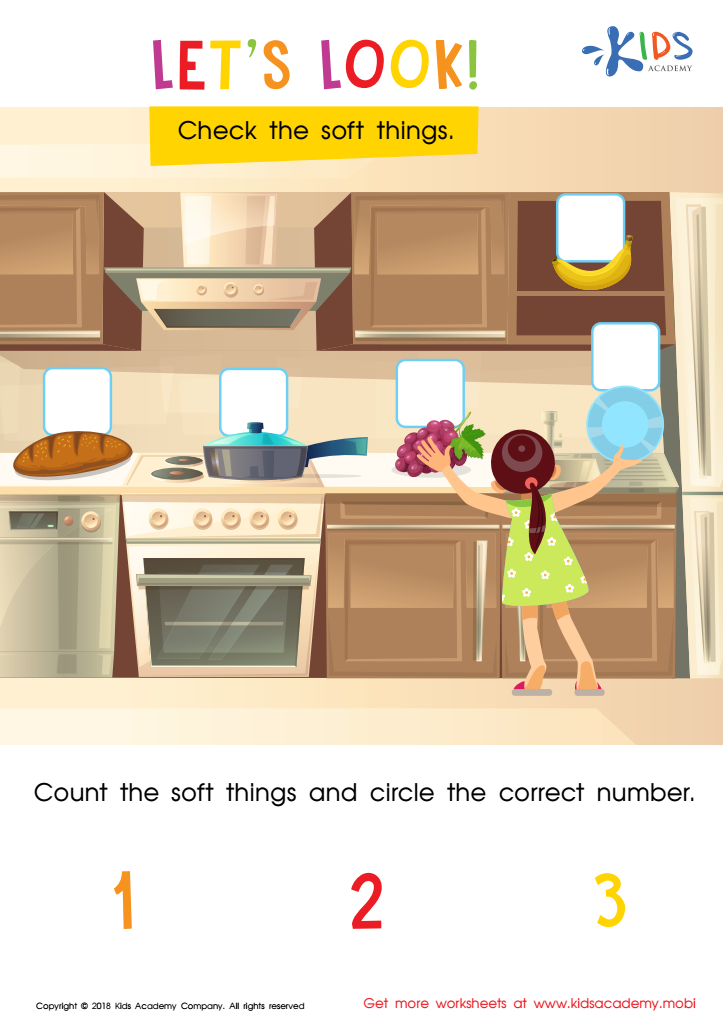
Let's Look! Assessment Worksheet
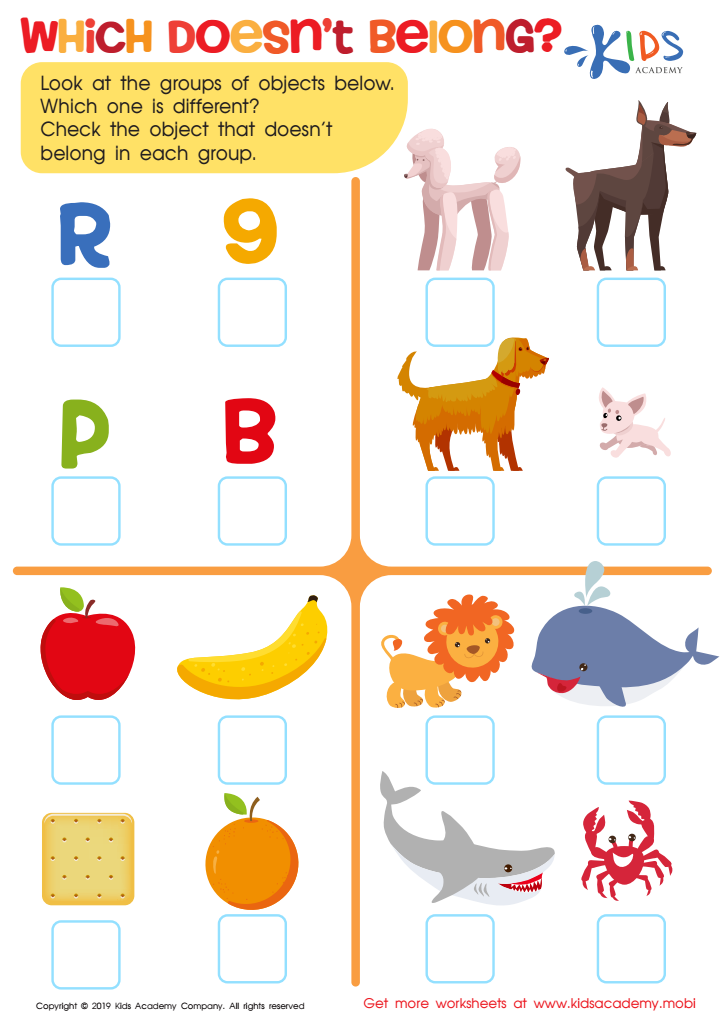
Which Doesn't Belong? Worksheet
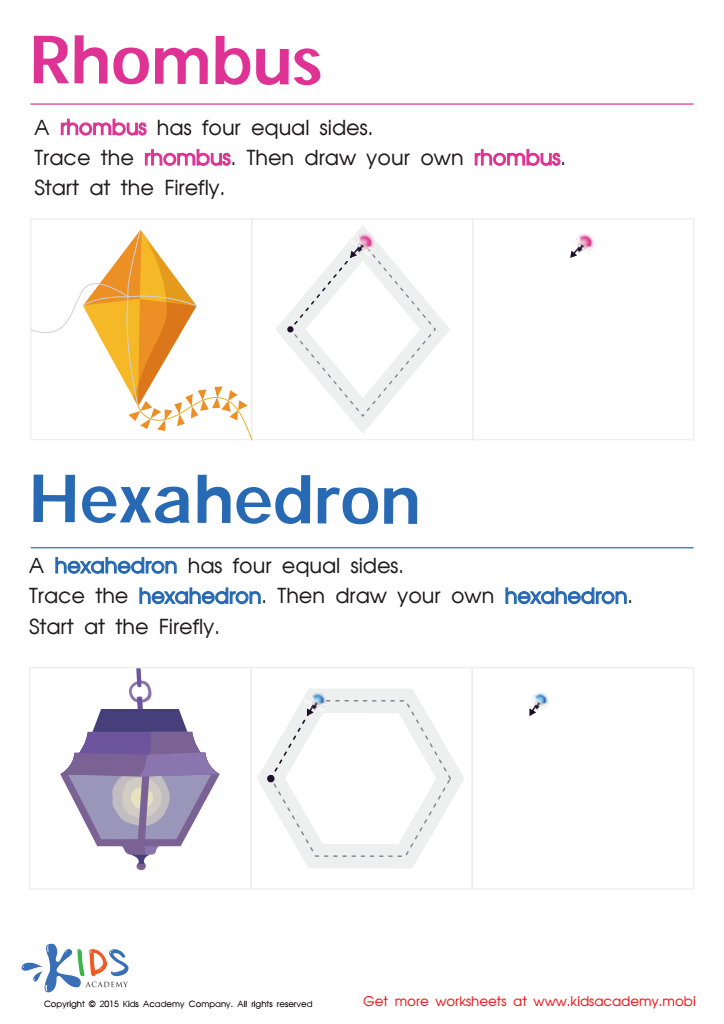
Draw a Rhombus And a Hexahedron Printable
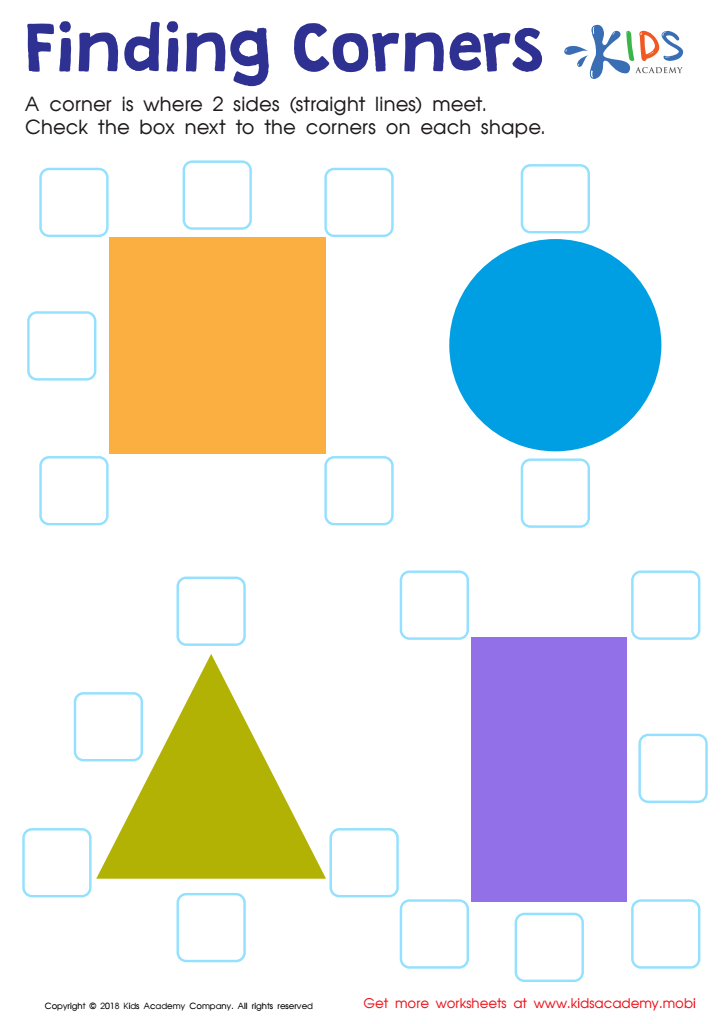
Finding Corners Worksheet








Shape identification is a crucial developmental milestone for 4-year-olds, and understanding its significance is essential for parents and teachers. At this age, children are naturally curious and eager to explore their environment, making it an opportune time to introduce various shapes.
Firstly, learning about shapes enhances children's cognitive skills. It helps them recognize and categorize objects, which forms the basis for critical thinking and problem-solving abilities. Shape identification also contributes to spatial awareness, as children learn to navigate their surroundings, understand dimensions, and recognize patterns.
Secondly, shape recognition is foundational for future mathematical concepts. It introduces early geometry, positioning children for success in math as they grow. The ability to identify and differentiate shapes leads to a smoother progression into more complex mathematical reasoning.
Moreover, shape identification supports language development. When parents and teachers engage children in discussions about shapes, they expand their vocabulary and improve their communication skills.
Lastly, fun and interactive shape activities foster creativity and imagination. Art projects, games, and hands-on experiences make learning playful and enjoyable, bonding parents and educators with children in meaningful ways. By caring about shape identification, we contribute significantly to a child's holistic development, laying the groundwork for lifelong learning.








