
Basic Math Skills Normal Addition & Subtraction Worksheets for 4-Year-Olds
4 filtered results
Difficulty Level
Grade
Age
-
From - To
Subject
Activity
Standards
Discover our engaging Basic Math Skills worksheets designed for 4-year-olds, focused on normal addition and subtraction! These printable worksheets provide a fun and interactive way for young learners to develop essential math skills. With colorful illustrations and age-appropriate exercises, children can explore simple equations and practice counting in enjoyable ways. Each worksheet promotes early math confidence, ensuring kids grasp foundational concepts through varied activities. Foster a love for learning while helping your child master basic addition and subtraction skills with our comprehensive resources. Perfect for home or classroom use, these worksheets are a valuable tool for budding mathematicians!
Favorites
With answer key
Interactive
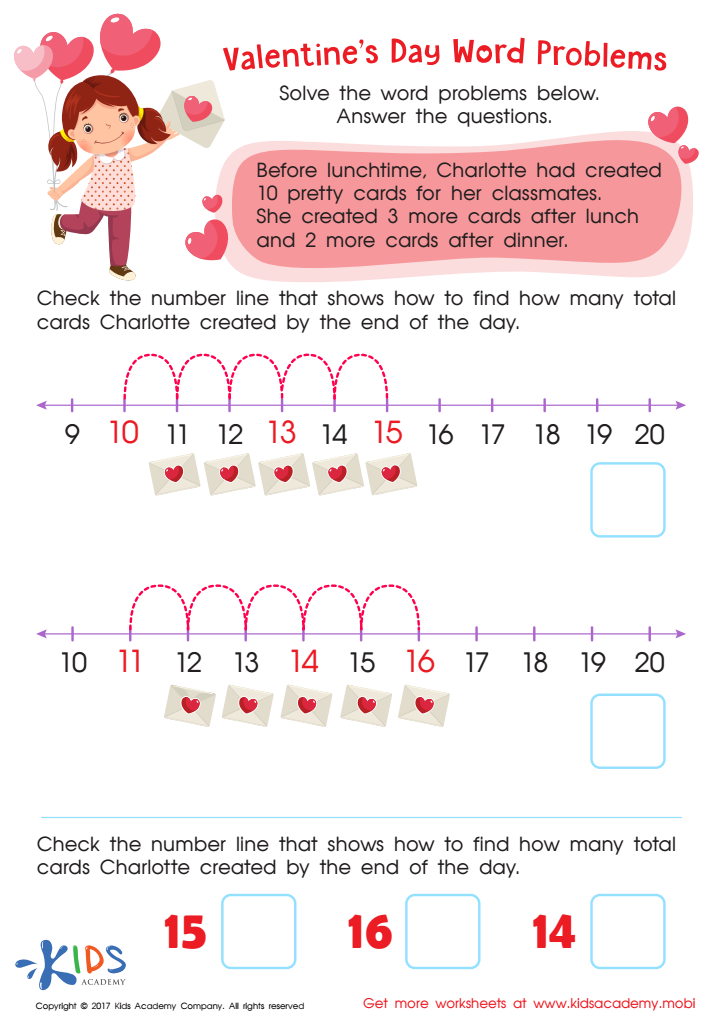
Valentines Day Word Problem Worksheet
This Valentine's Day worksheet will help your child practice using a number line to solve an addition problem. It's a great way to boost confidence and make solving word problems a breeze.
 Assign to My Students
Valentines Day Word Problem Worksheet
Worksheet
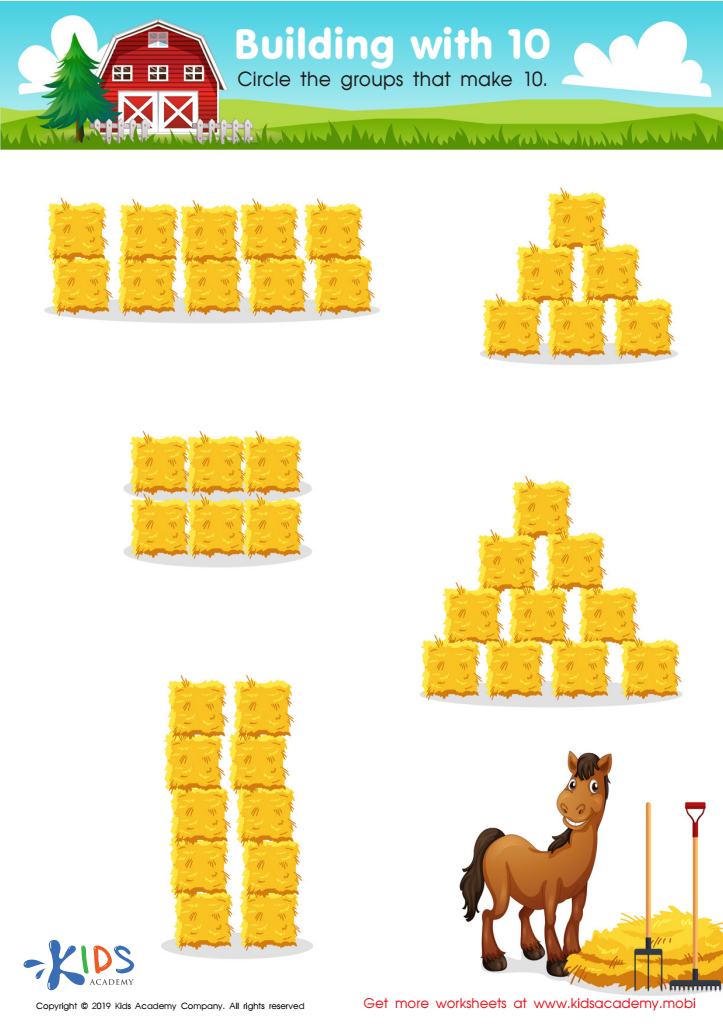
Building with 10 Worksheet
Counting numbers can be simple with this worksheet: Ask your kids to count the stacks of objects, ensure accuracy with your help, then circle the ones of ten. With practice and guidance, your children will soon become counting pros!
Building with 10 Worksheet
Worksheet
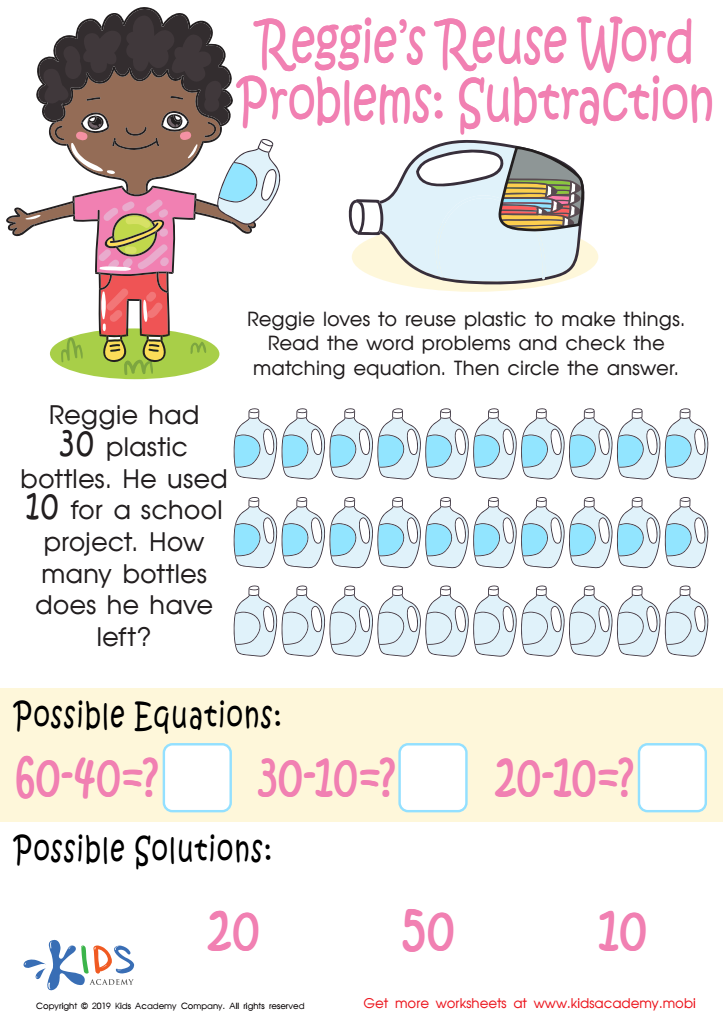
Reggie's Reuse Word Problems: Subtraction Worksheet
Kids can help pal Reggie become an eco-friendly friend! This PDF teaches kids subtraction and one-to-one number representation. They'll use pictures to solve word problems and find out how many plastic bottles Reggie can reuse. They'll also match number equations and solutions to get the right answer.
Reggie's Reuse Word Problems: Subtraction Worksheet
Worksheet
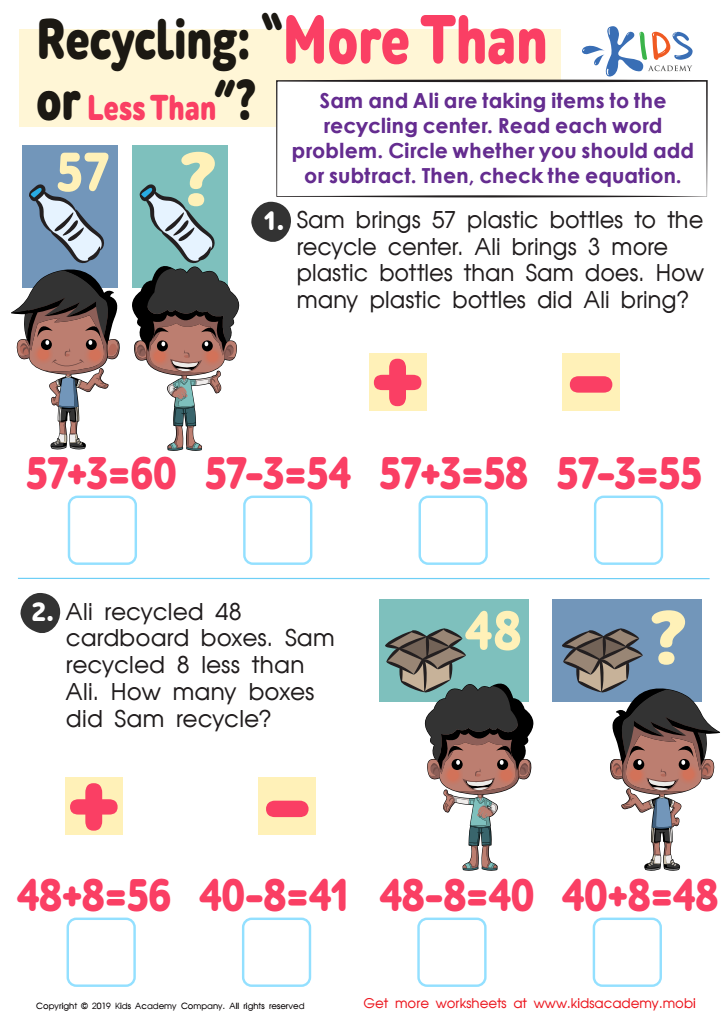
Recycling - More or Less Worksheet
Your child can compare numbers and solve word problems with this free worksheet. Help them understand what's being asked as Sam and Ali take items to the recycling center. They can choose the correct equation to match the word problem and apply their skills in reading and pulling out the appropriate information.
Recycling - More or Less Worksheet
Worksheet
Join Kids Academy for Free
Who is primarily going to use this learning content?








Teaching basic math skills, particularly normal addition and subtraction, to 4-year-olds is crucial for several reasons. First, early math skills lay the foundation for future learning. Children who master these basic concepts develop confidence and preparedness for more complex mathematical tasks as they progress through school.
12&13These early experiences foster critical thinking and problem-solving abilities. When children engage in simple addition and subtraction, they learn to think analytically and understand relationships between numbers, which enhances their cognitive development. This fundamental understanding also supports literacy since many mathematical concepts intersect with language development.
Moreover, these skills are linked to daily life experiences. Recognizing how addition and subtraction apply in real-world contexts helps children understand quantities and develop a sense of numbers, benefiting their overall number sense.
Additionally, early exposure to math encourages a positive attitude toward the subject. When children feel successful in math at an early age, they are more likely to embrace learning opportunities in the future.
Lastly, fostering these skills during early childhood can significantly contribute to narrowing achievement gaps, ensuring all children receive supportive learning experiences that prepare them for academic success. Parents and teachers should prioritize encouraging basic math skills to promote lifelong learning.








