Visual discrimination Normal Math Worksheets for 4-Year-Olds
8 filtered results
-
From - To
Introduce your 4-year-old to the exciting world of numbers with our Visual Discrimination Normal Math Worksheets! Designed to enhance visual perception skills essential for early math success, these fun and engaging activities help young learners recognize patterns, differentiate shapes, and identify visual cues. Each worksheet incorporates colorful illustrations and interactive tasks to keep children motivated and entertained. Our expertly crafted exercises not only support foundational math skills but also improve attention to detail and cognitive development, making learning both enjoyable and effective. Give your child a head start in math with our thoughtfully designed visual discrimination worksheets.
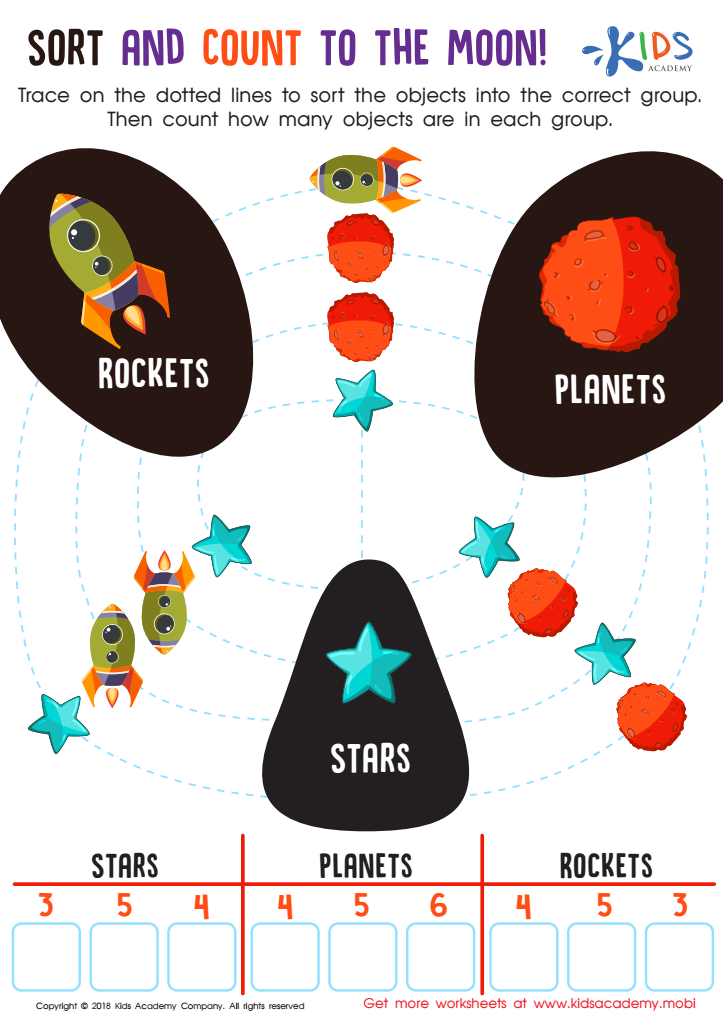
Sort and Count to the Moon Worksheet
 Assign to My Students
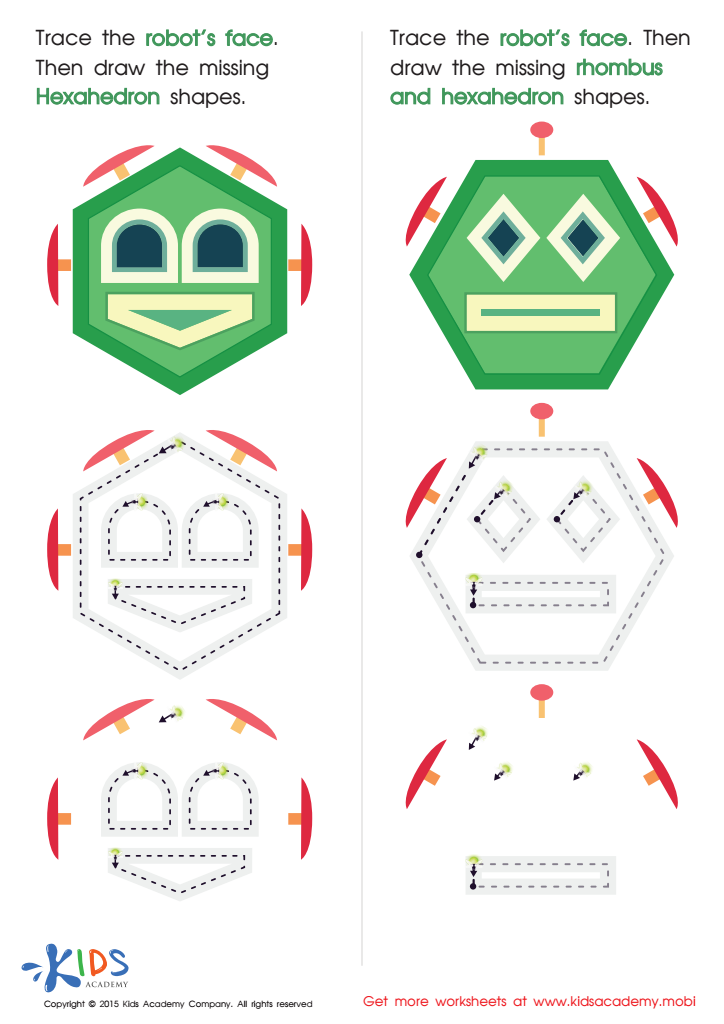
Practice Drawing Hexahedrons And a Rhombus Worksheet
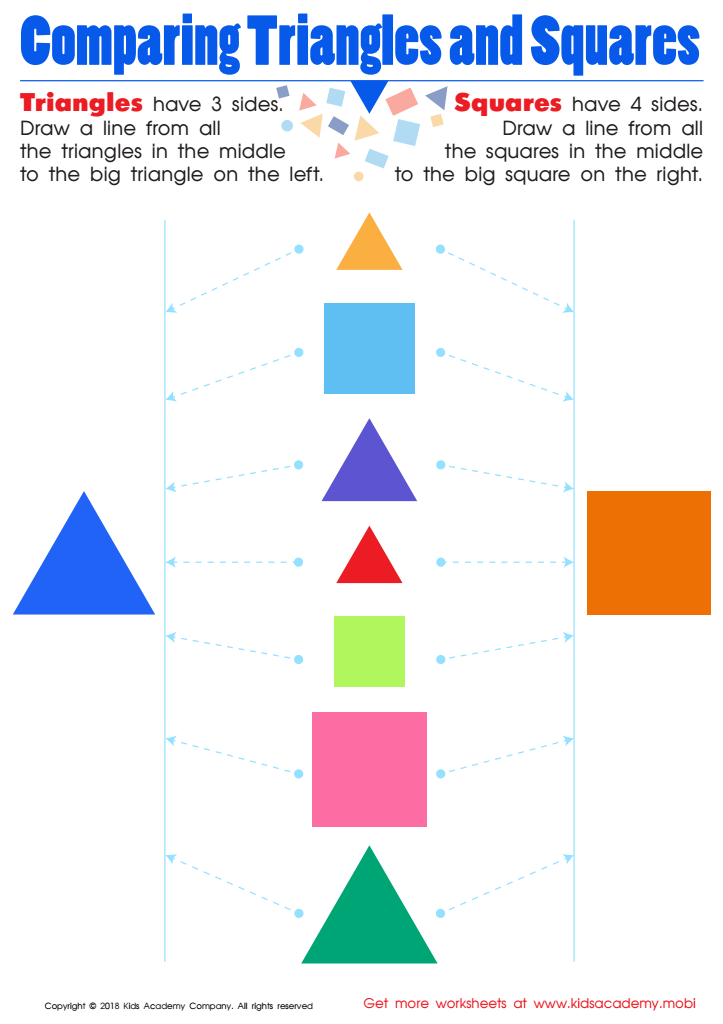
Comparing Triangles Squares Worksheet
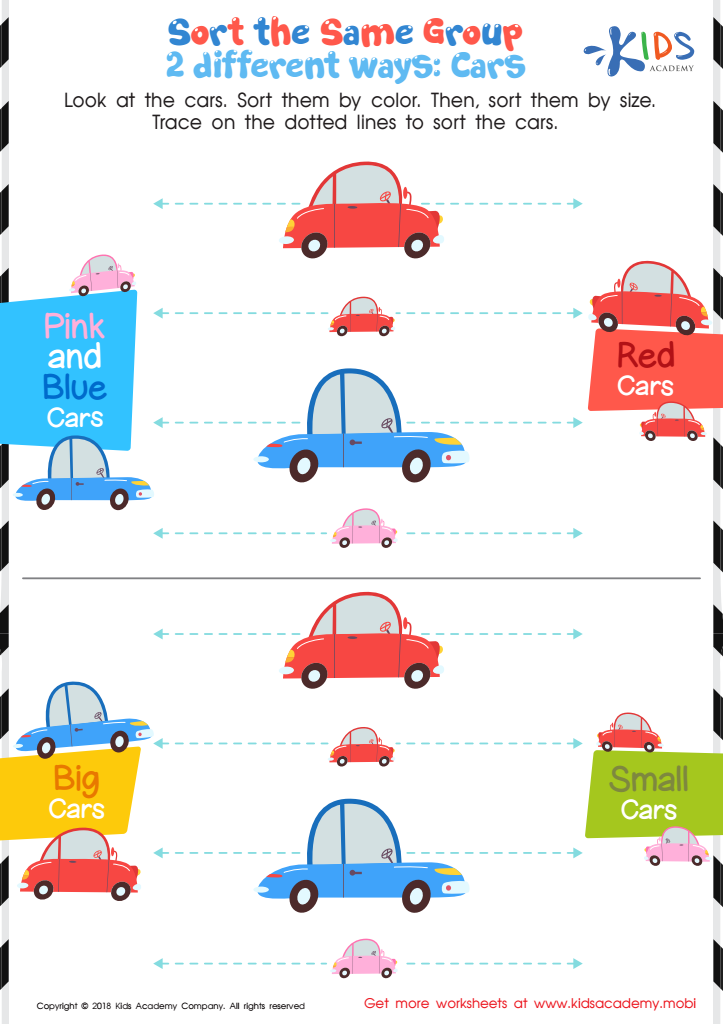
Sort the Same Group 2 Different Ways: Cars Worksheet
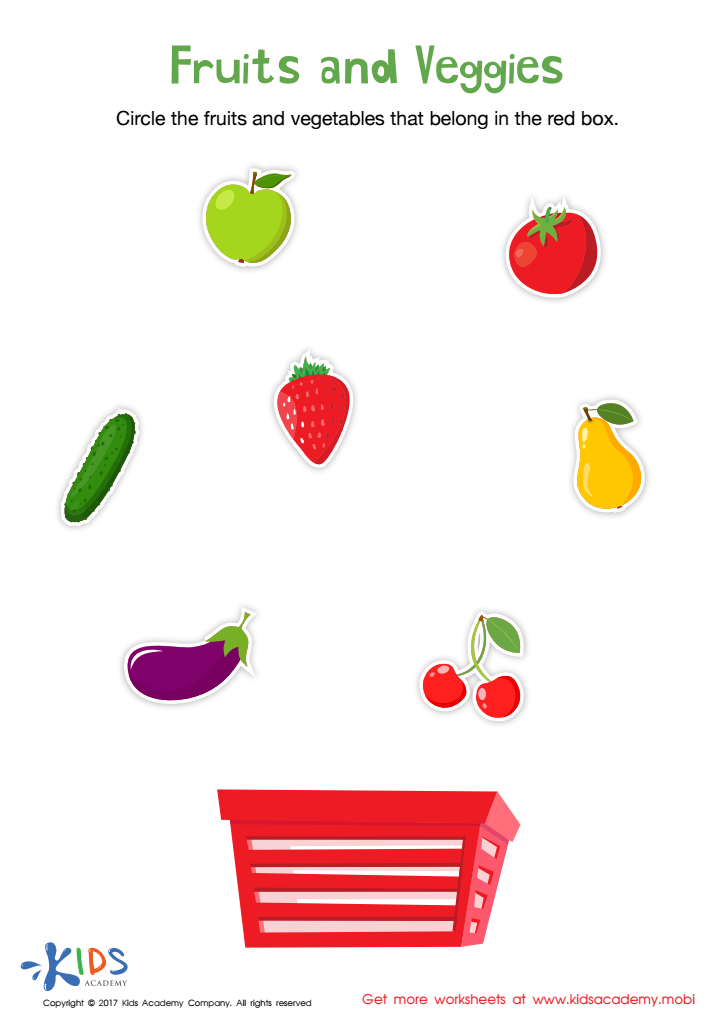
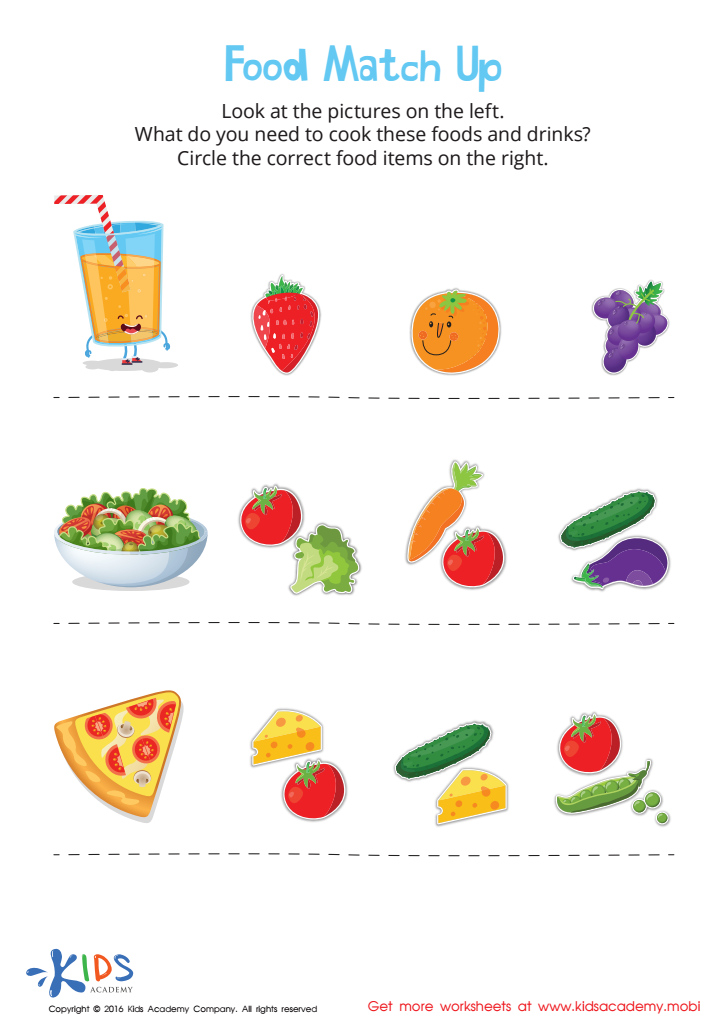
Food Match Up Worksheet
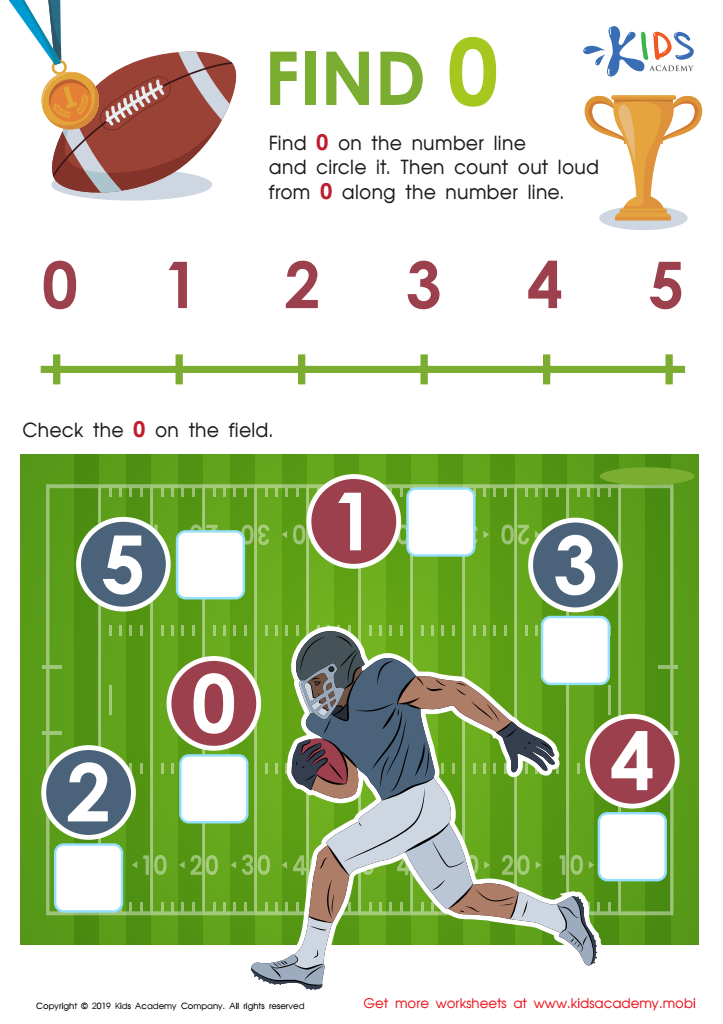
Find 0 Worksheet
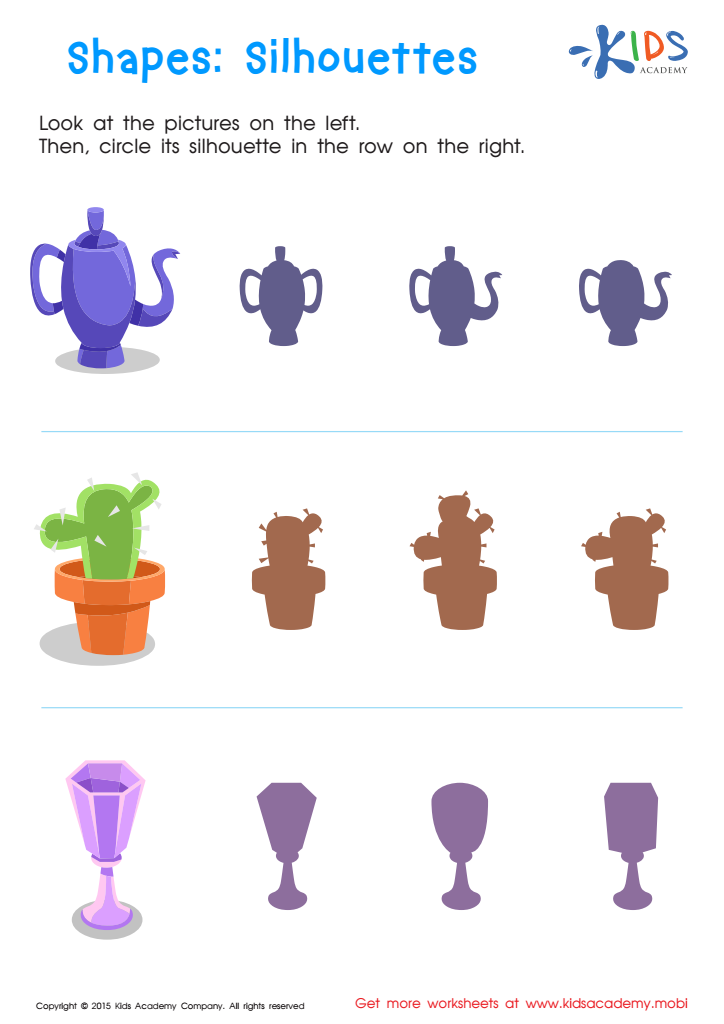
Silhouettes – Shapes Worksheet


.jpg)





Visual discrimination and early math skills are crucial for young children, serving as foundational building blocks for later academic success. Visual discrimination refers to the ability to notice and compare visual details. It's how kids differentiate between similar-looking letters, numbers, shapes, and patterns, which is essential for learning to read, write, and grasp new concepts. Normal math skills in 4-year-olds often involve recognizing numbers, counting, understanding basic shapes, and sorting objects.
These skills form a basis for more complex math operations and logical reasoning. When children aged four develop proficiency in both visual discrimination and early math, they are better equipped to understand and navigate their environment. They become proficient in recognizing patterns, comparing quantities, and following sequential order, helping their cognitive development. Engaging in activities that promote these skills, such as puzzles, matching games, and counting exercises, can make learning fun and interactive while establishing a love for problem-solving.
Parents and teachers who prioritize these skills provide children with tools to succeed in school and beyond. Early mastery of such fundamental abilities fosters confidence and inquisitiveness, creating a positive attitude towards future academic challenges. Investing in visual discrimination and math skills at this age lays a solid groundwork for children's lifelong learning journeys.








