Reading comprehension Normal Consonant Digraphs Worksheets for Ages 5-6
6 filtered results
-
From - To
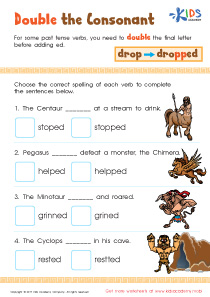
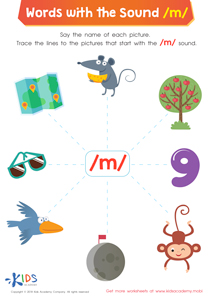
Enhance your child's reading skills with our engaging "Reading Comprehension Normal Consonant Digraphs Worksheets" for ages 5-6. These expertly designed worksheets focus on helping young learners identify and understand common consonant digraphs such as "ch," "sh," "th," and "wh." Each worksheet combines enjoyable activities like matching, coloring, and short reading passages to boost phonemic awareness and reading comprehension. Perfect for at-home practice or classroom instruction, our resources aim to make learning to read a delightful and confidence-building experience. Give your child the foundational skills needed for reading success with our fun and educational worksheets!
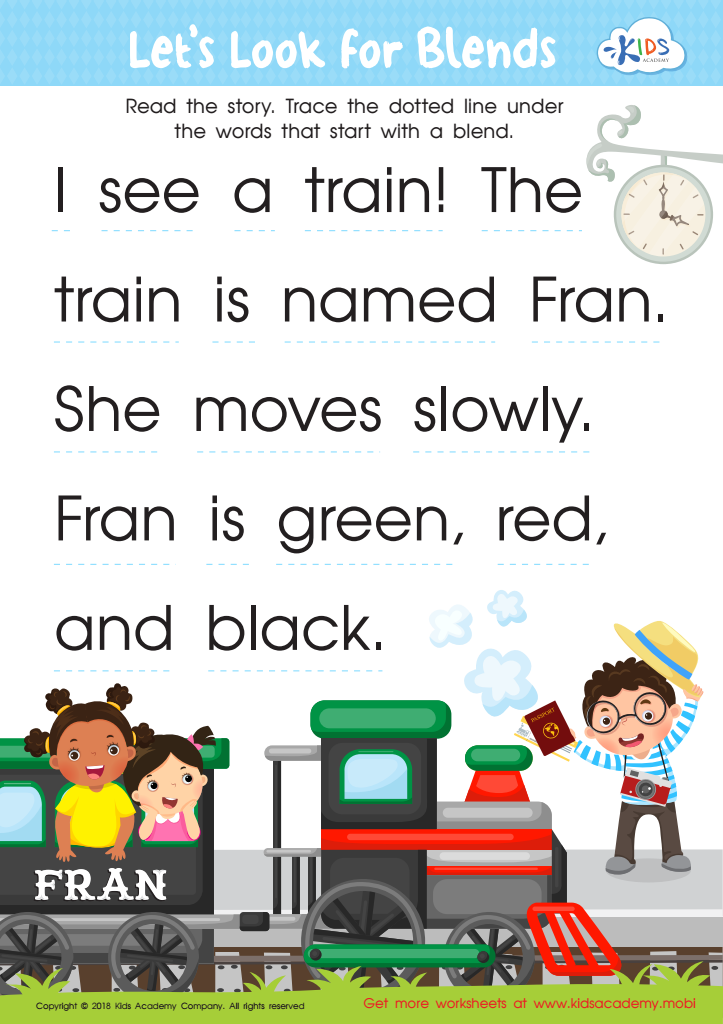
Let's Look for Blends Worksheet
 Assign to My Students
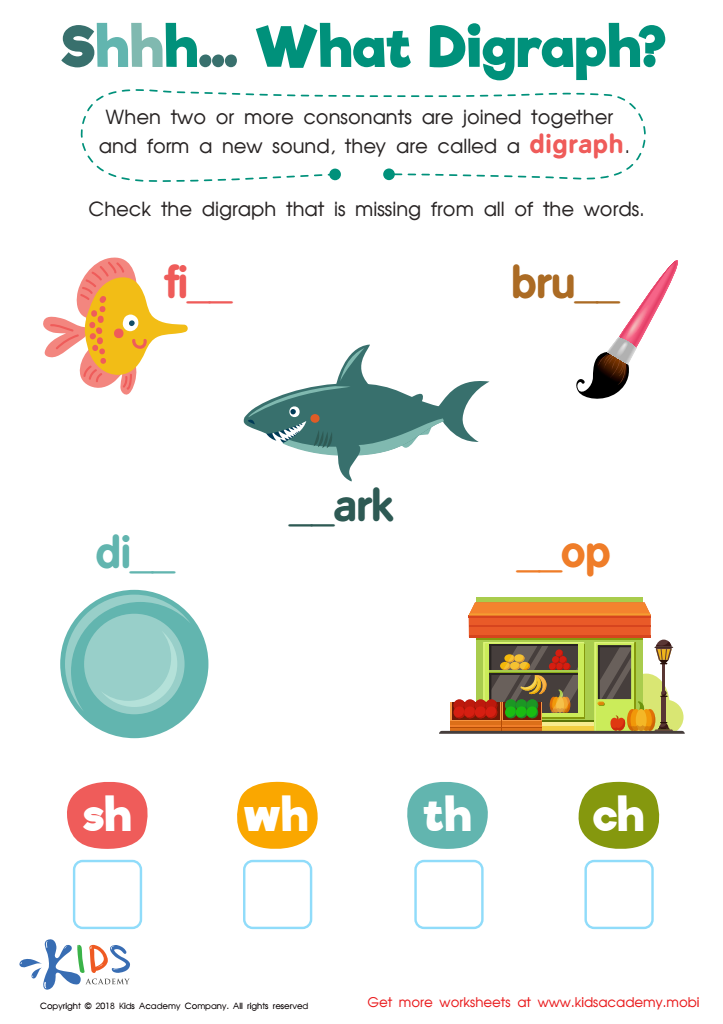
Shhh... What Digraph? Worksheet
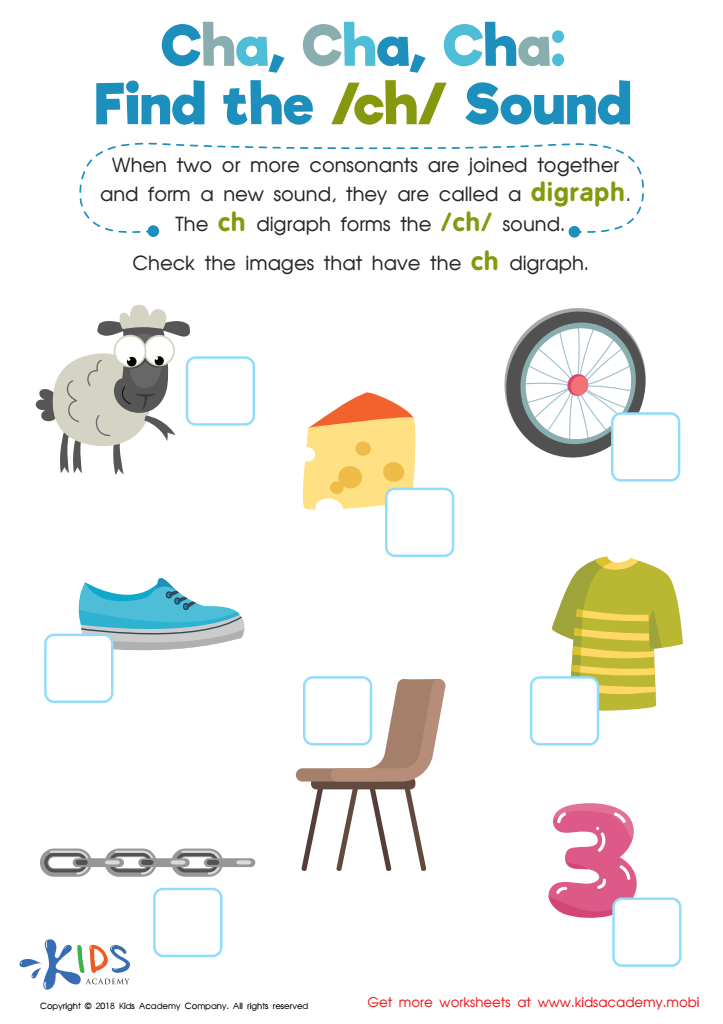
Cha, Cha, Cha: Find the /Ch/ Sound Worksheet
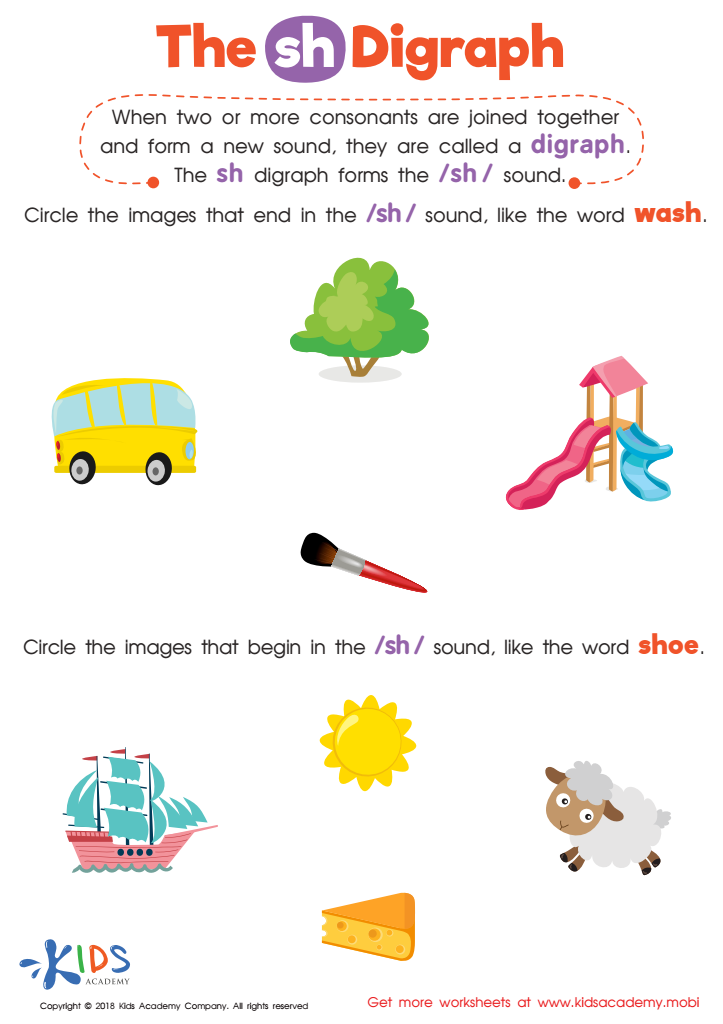
The SH Digraph Worksheet
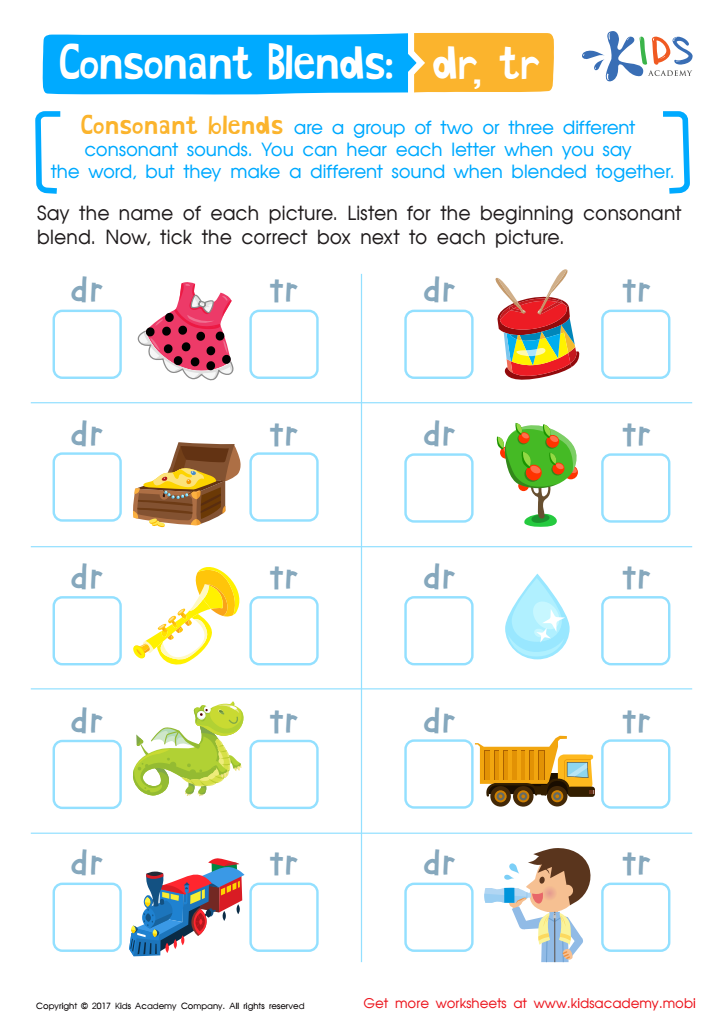
Consonant Blends: "Dr" and "Tr" Printable
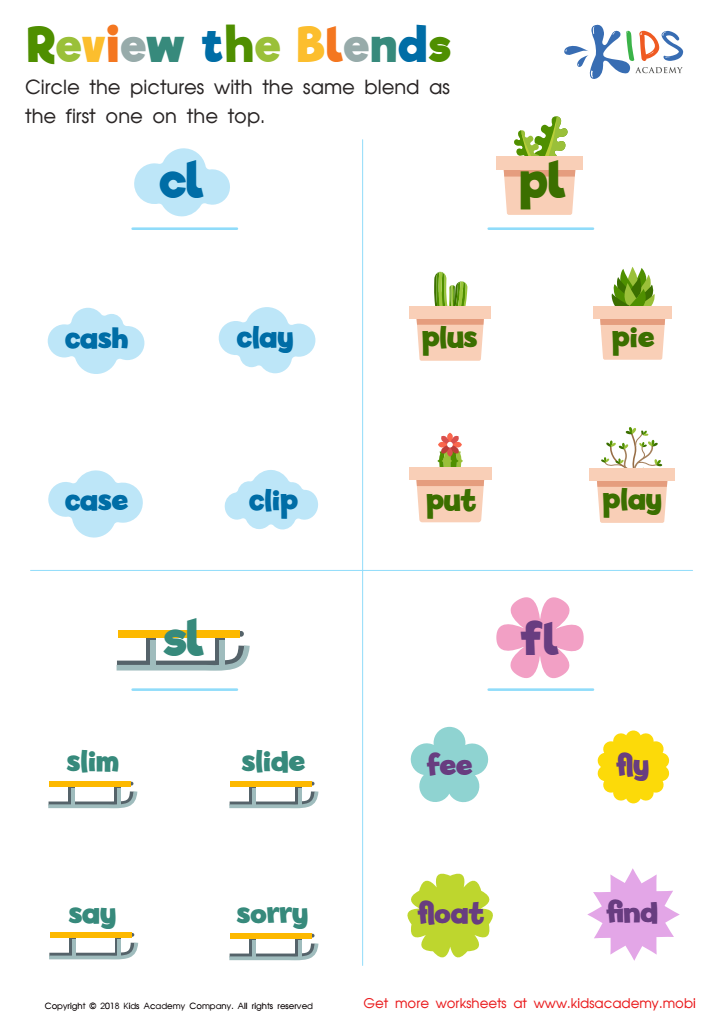
Review the Blends Worksheet


Reading comprehension and understanding normal consonant digraphs are critical for the foundational language development of children ages 5-6. At this early stage, children are beginning to translate printed text into meaningful language. Consonant digraphs—combinations of two consonants that make a single sound (like "ch," "sh," and "th")—appear frequently in the English language. Mastery of these digraphs is essential because they empower children to decode a variety of words accurately and fluently.
When children develop solid reading comprehension skills, they can understand and interpret what they read, which is fundamental for academic success across all subjects. If a child struggles with decoding digraphs, they may find reading challenging and frustrating, leading to potential difficulties in comprehension and a subsequent lack of interest in reading altogether.
For parents and teachers, focusing on consonant digraphs aids in fostering both phonetic awareness and vocabulary expansion. Reading becomes a smoother, more enjoyable activity for children, laying down a strong educational foundation. Furthermore, early comprehension skills are closely linked to cognitive development and critical thinking—skills necessary for problem-solving and lifelong learning. Therefore, giving proper attention to these foundational elements ensures that children have the tools they need to become independent, confident readers.