Vocabulary development Normal Alphabet Worksheets for Ages 5-6
14 filtered results
-
From - To
Boost your child's vocabulary with our engaging Normal Alphabet Worksheets designed specifically for ages 5-6. These interactive resources combine fun and learning, helping young learners grasp essential vocabulary and language skills through creative exercises. Each worksheet encourages exploration of words associated with the alphabet, fostering language development and enhancing comprehension. Featuring colorful designs and age-appropriate activities, our worksheets keep children motivated and eager to learn. Ideal for both home and classroom settings, these printable resources serve as a perfect tool for early literacy. Give your child the foundation for effective communication and enriched language skills with our vocabulary development worksheets today!
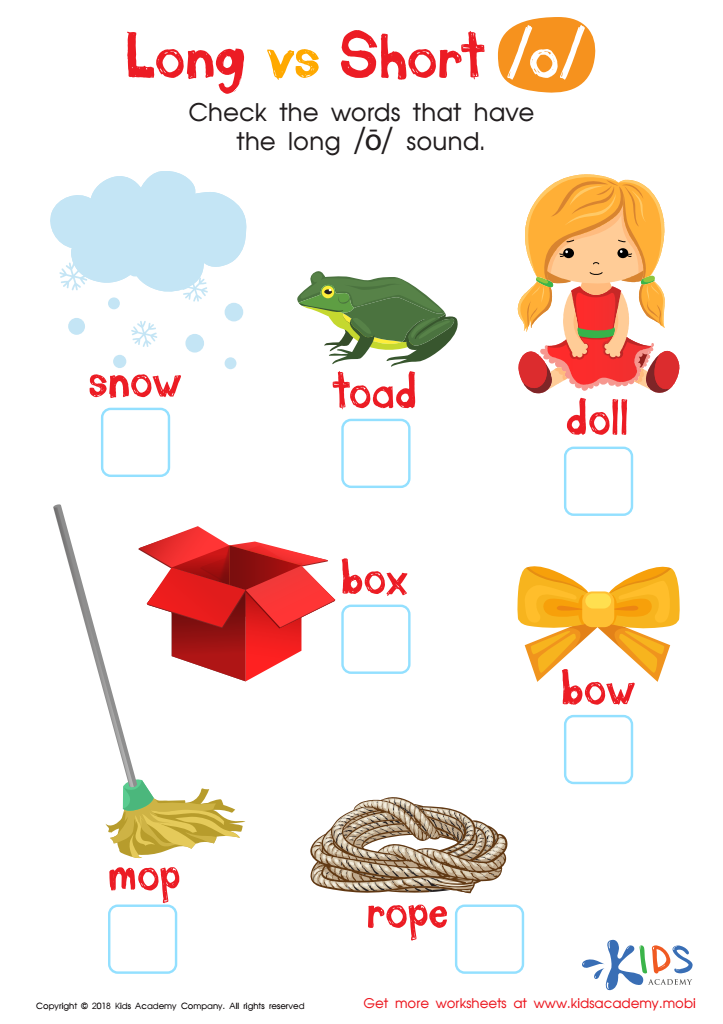
Long vs Short O Reading Worksheet
 Assign to My Students
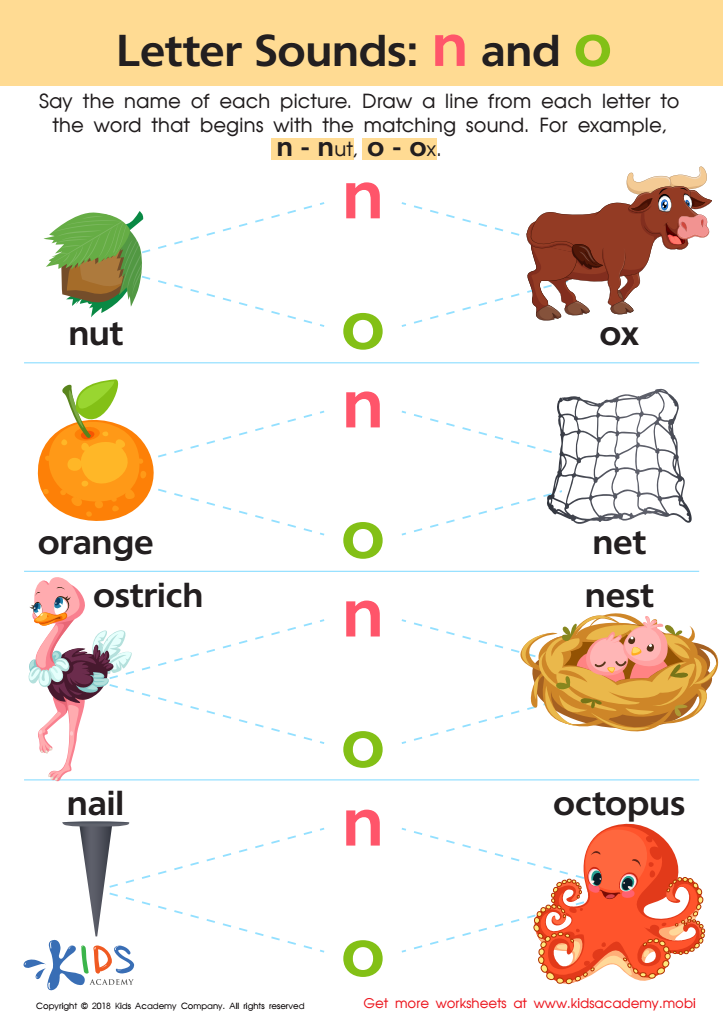
Letter N and O Sounds Worksheet
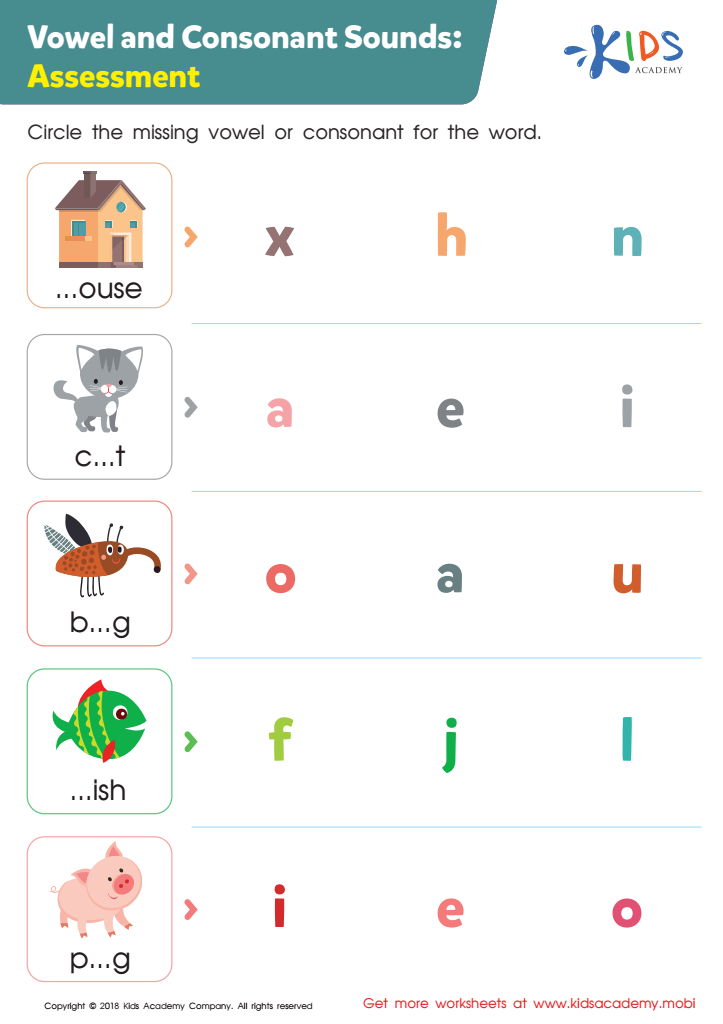
Vowel and Consonant Sounds: Assessment Worksheet
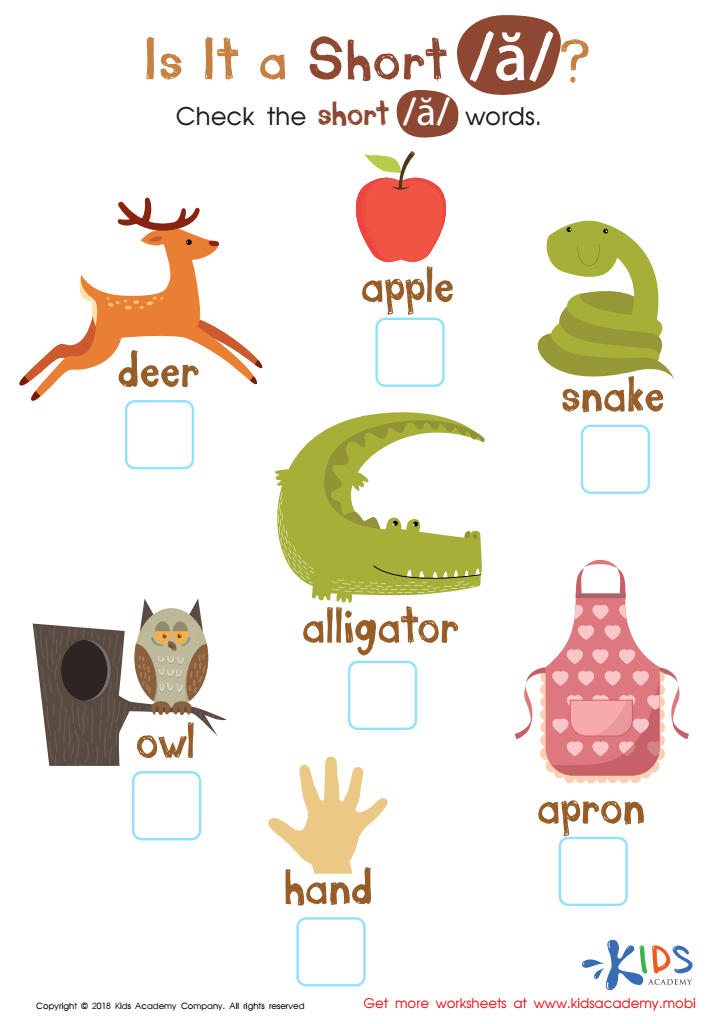
Is It Short A? Reading Worksheet
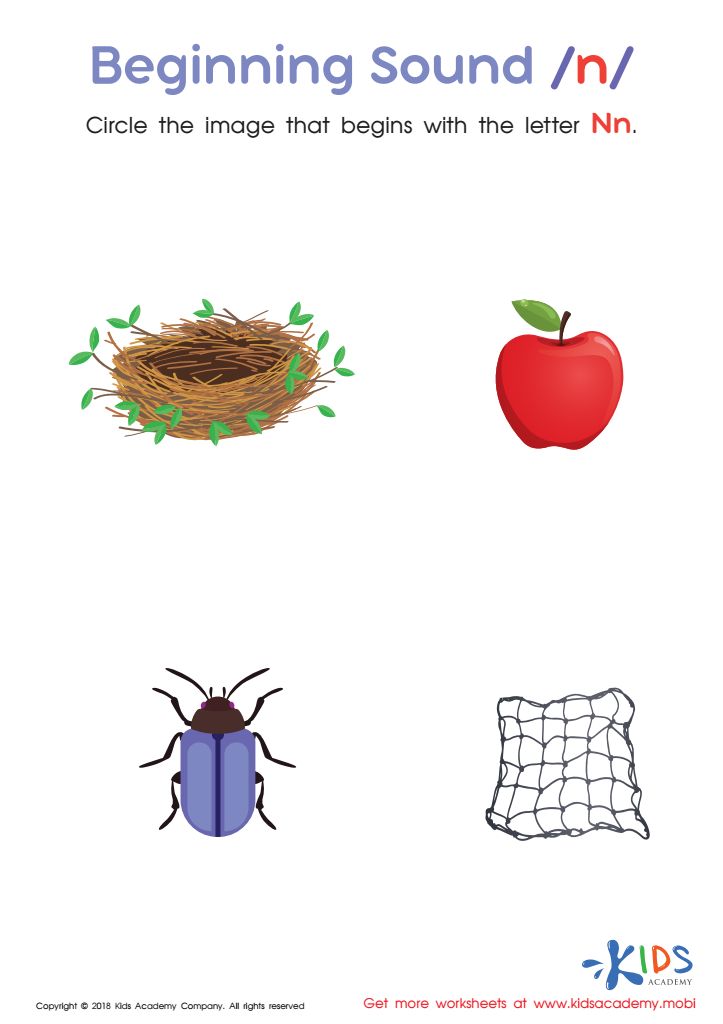
Beginning Sound «n» Worksheet
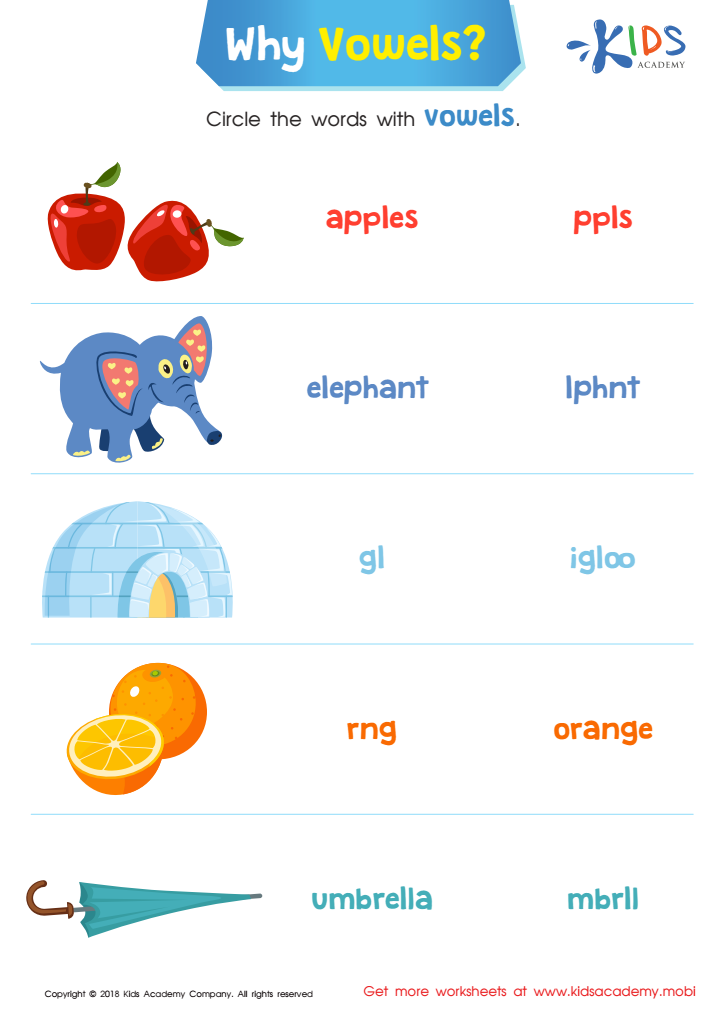
Why Vowels? Reading Worksheet
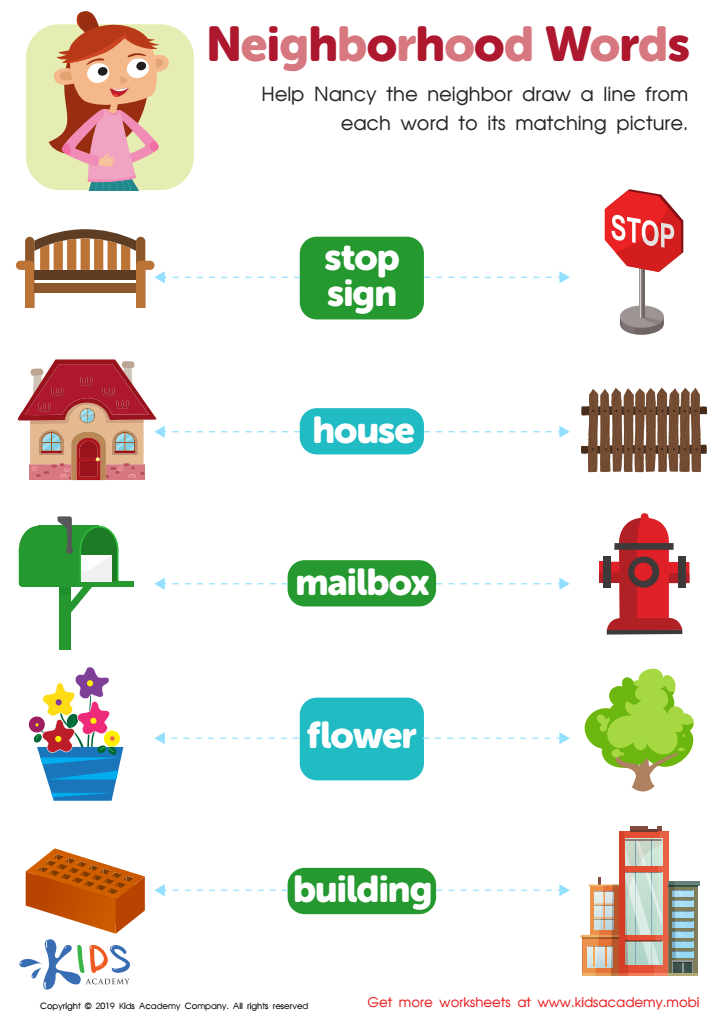
Neighborhood Words Worksheet
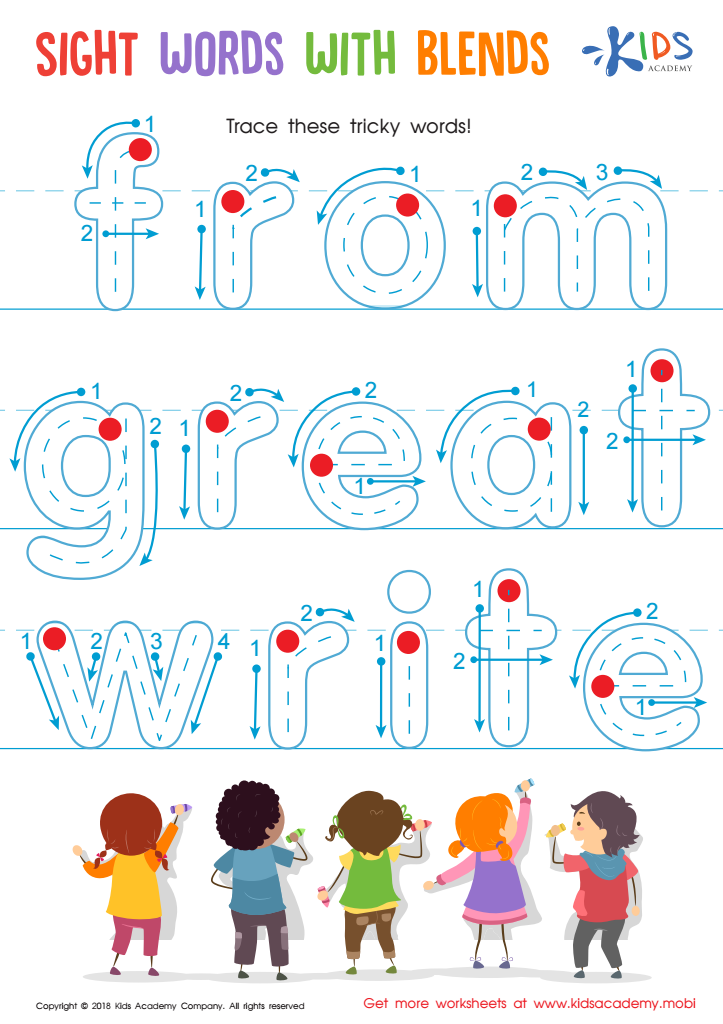
Sight Words with Blends Worksheet
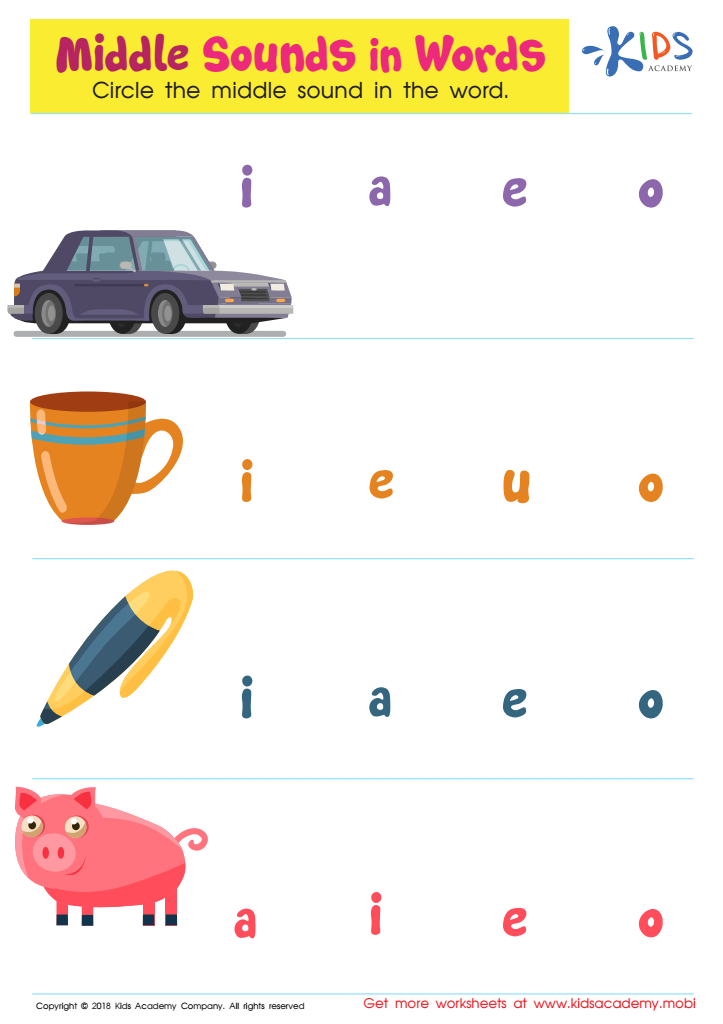
Middle Sounds in Words Worksheet
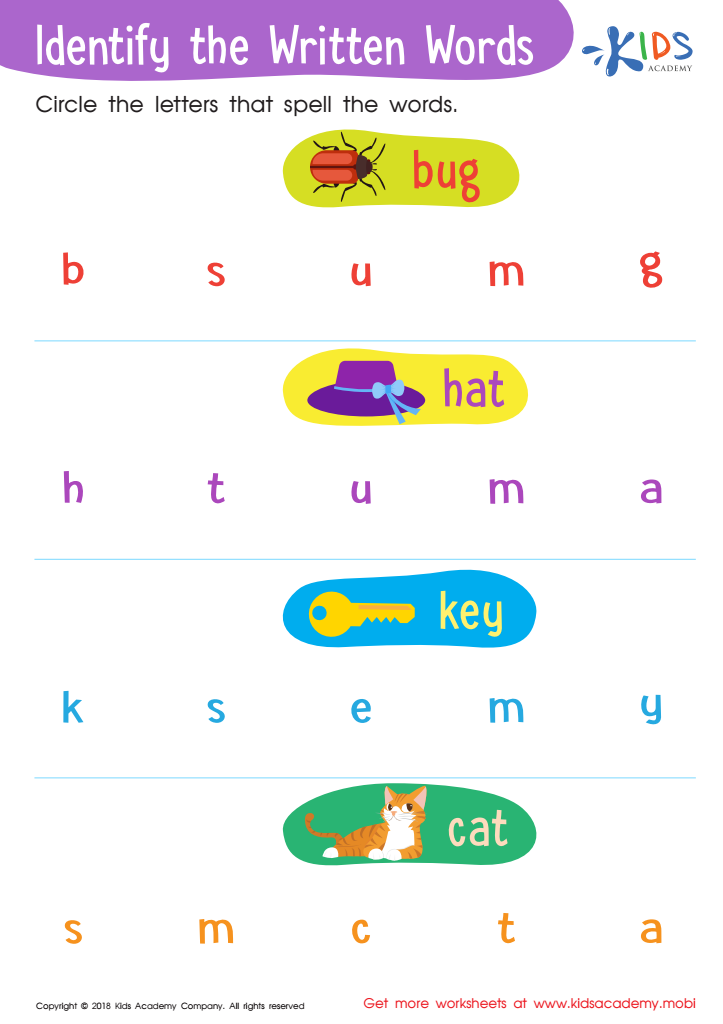
Identify the Written Words Worksheet
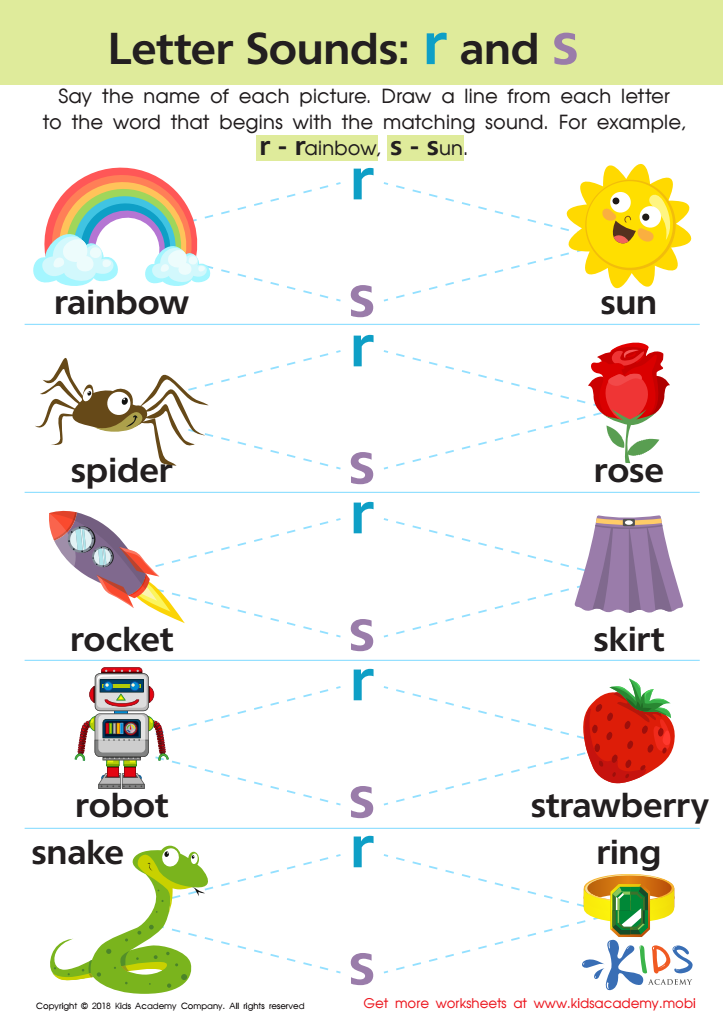
Letter R and S Sounds Worksheet
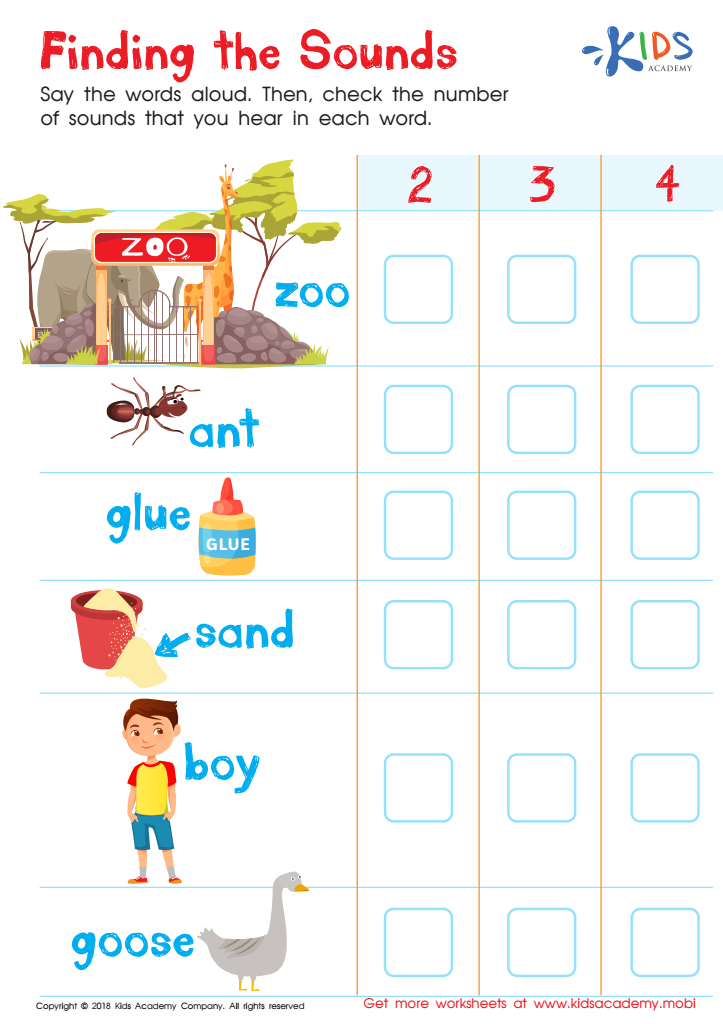
Finding the Sounds Worksheet
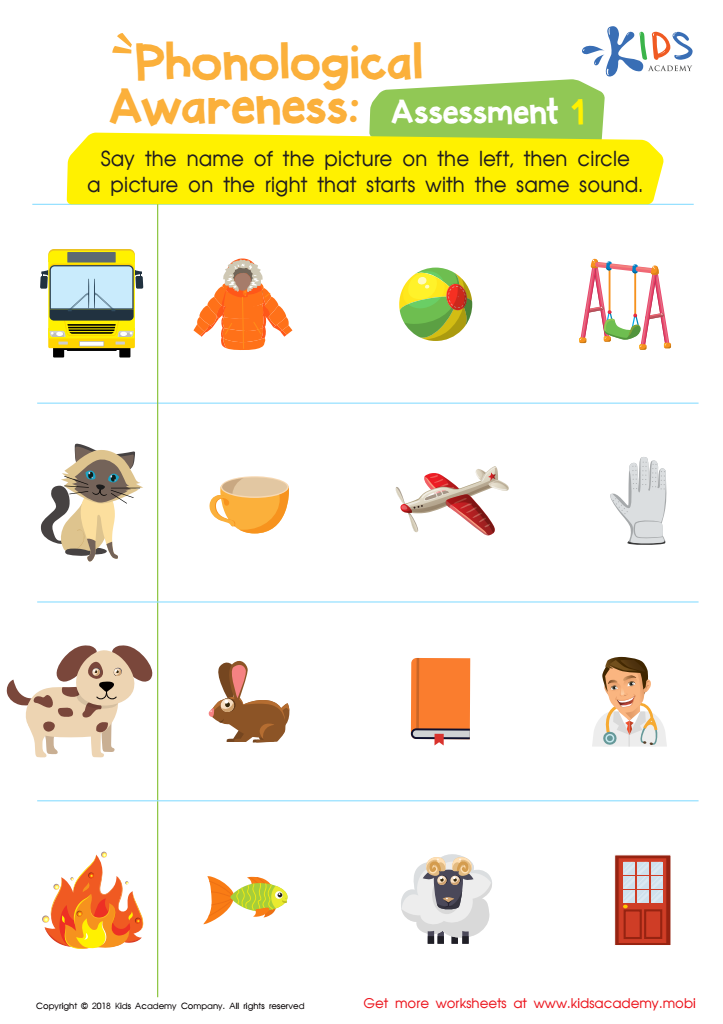
Phonological Awareness: Assessment 1 Worksheet
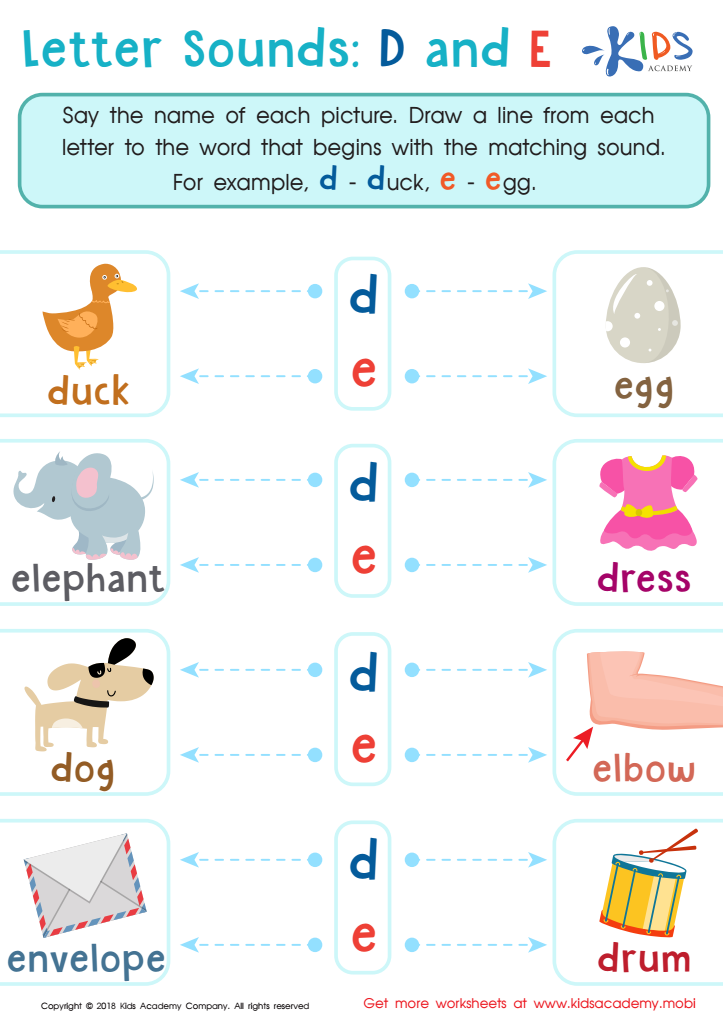
Letter D and E Sounds Worksheet





.jpg)


Vocabulary development is crucial for children ages 5-6, as it lays the foundation for their reading and writing skills and overall communication abilities. During these formative years, children are soaking up language from their environment, absorbing new words and concepts as they interact with their parents, teachers, and peers. A robust vocabulary enhances comprehension, allowing children to better understand stories and instructions, which is essential for academic success.
Moreover, vocabulary is intertwined with their social and emotional development. A rich vocabulary enables children to express their feelings and connect with others, fostering healthier relationships and self-esteem. When parents and teachers engage in vocabulary-building activities, they help children articulate their thoughts and ideas, promoting critical thinking skills.
Additionally, learning vocabulary during this stage supports future academic pursuits. Research indicates that children with a strong vocabulary at an early age tend to perform better in school. Activities like reading together, exploring new words in context, and encouraging conversations contribute significantly to vocabulary growth. Investing effort into vocabulary development now paves the way for children to become confident communicators and lifelong learners, preparing them for the complexities of language and literacy in the years to come.







