Addition skills Normal Worksheets for Ages 5-6
12 filtered results
-
From - To
Our "Addition Skills Normal Worksheets for Ages 5-6" are designed to make learning fun and effective for young minds. Provide your child with engaging activities that help build a strong foundation in early math skills. These age-appropriate sheets focus on simple addition, utilizing colorful visuals and intuitive exercises to capture children’s interest. Each worksheet enhances number recognition, counting abilities, and problem-solving skills. Perfect for both classroom use and home study, our worksheets offer a great resource for parents and teachers to support their young learners in developing essential addition skills. Watch your child’s confidence grow as they conquer basic math with ease!
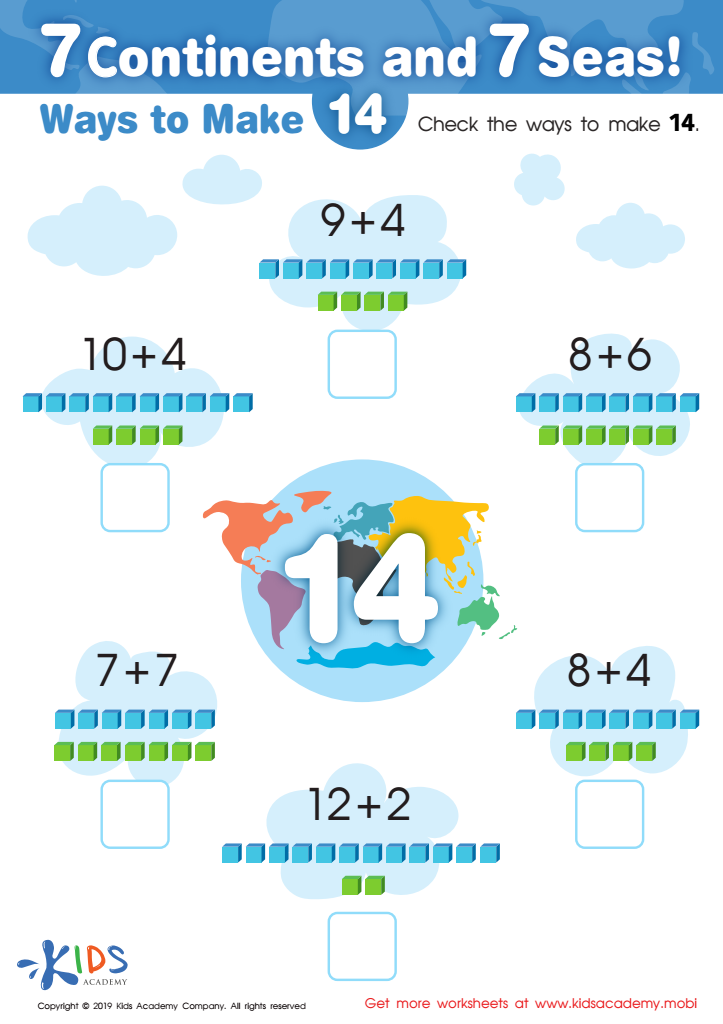
7 Continents and 7 Seas Worksheet
 Assign to My Students
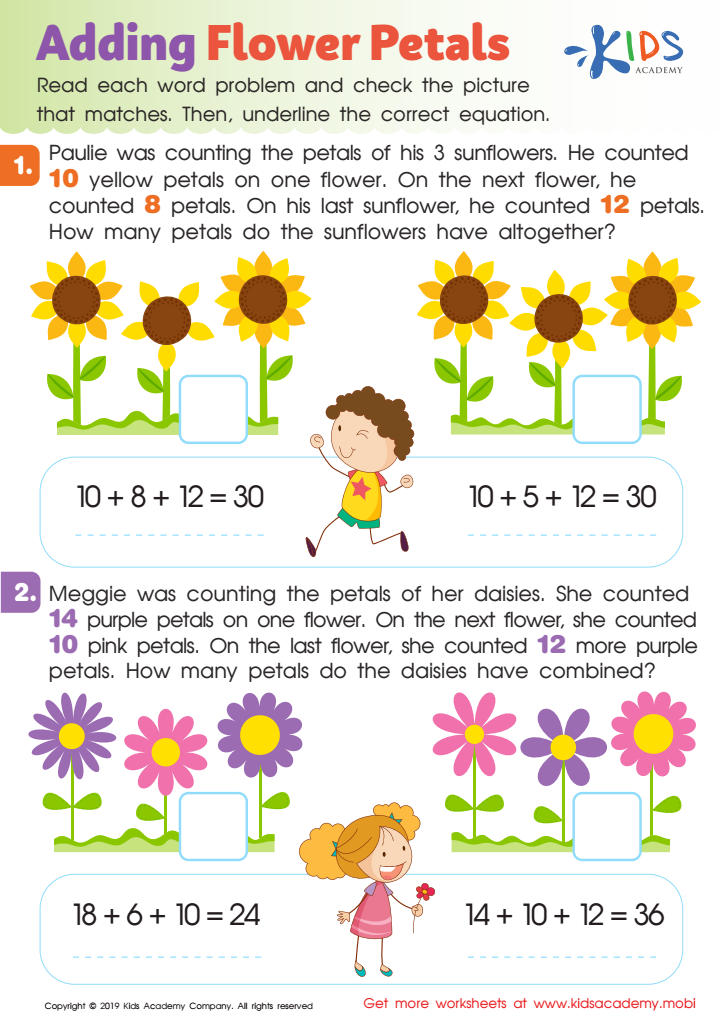
Adding Flower Petals Worksheet
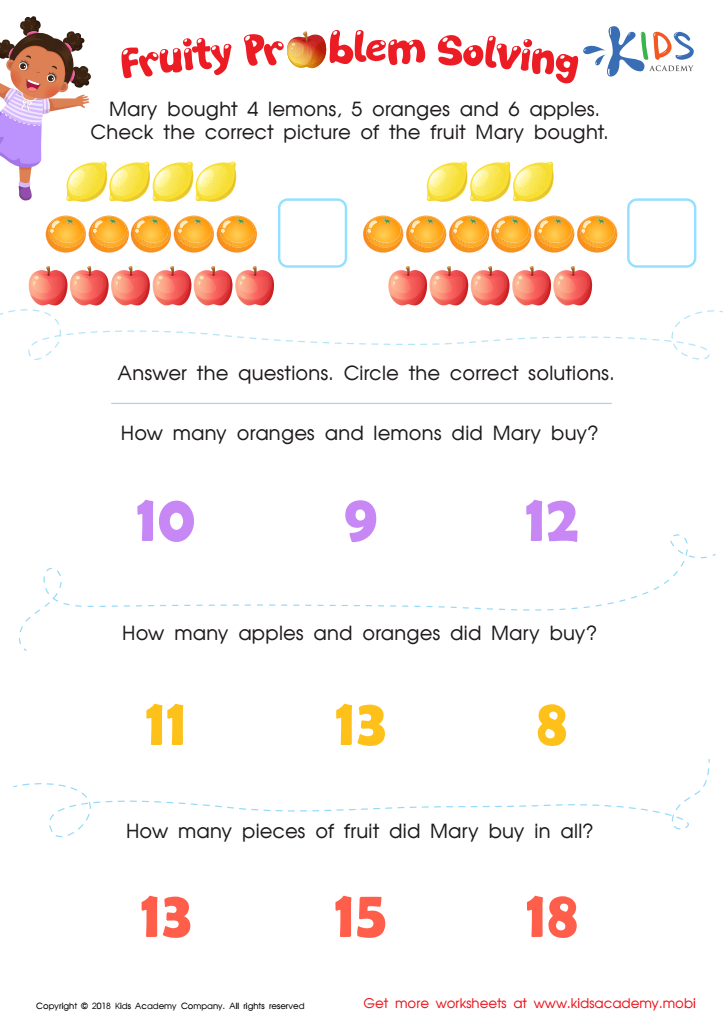
Fruity Problem Solving Worksheet
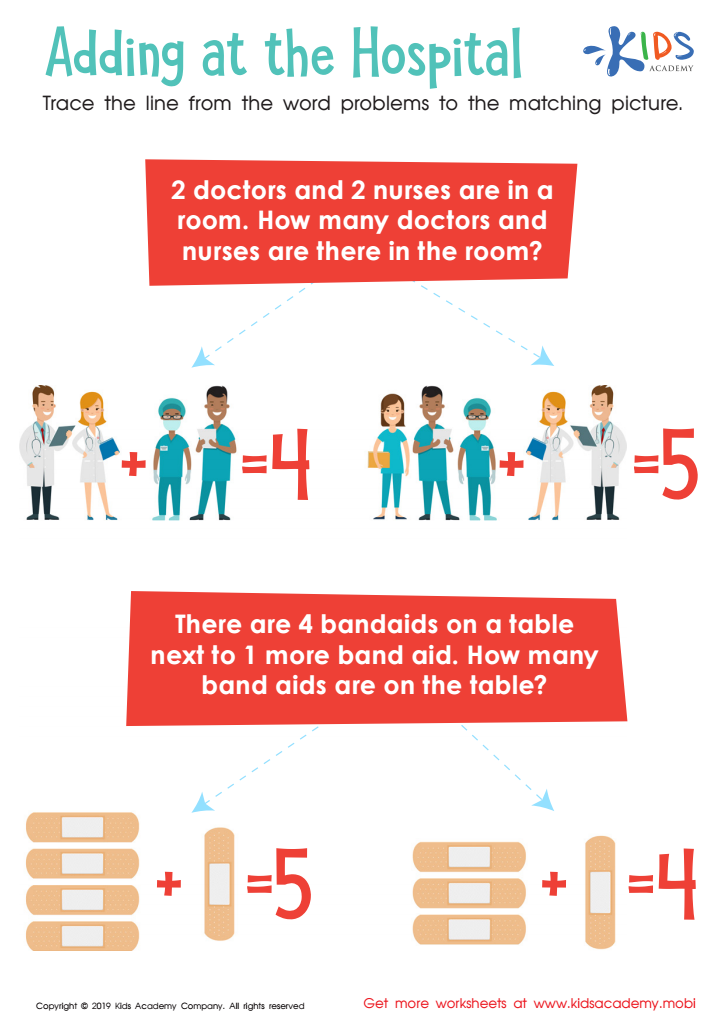
Adding at the Hospital Worksheet
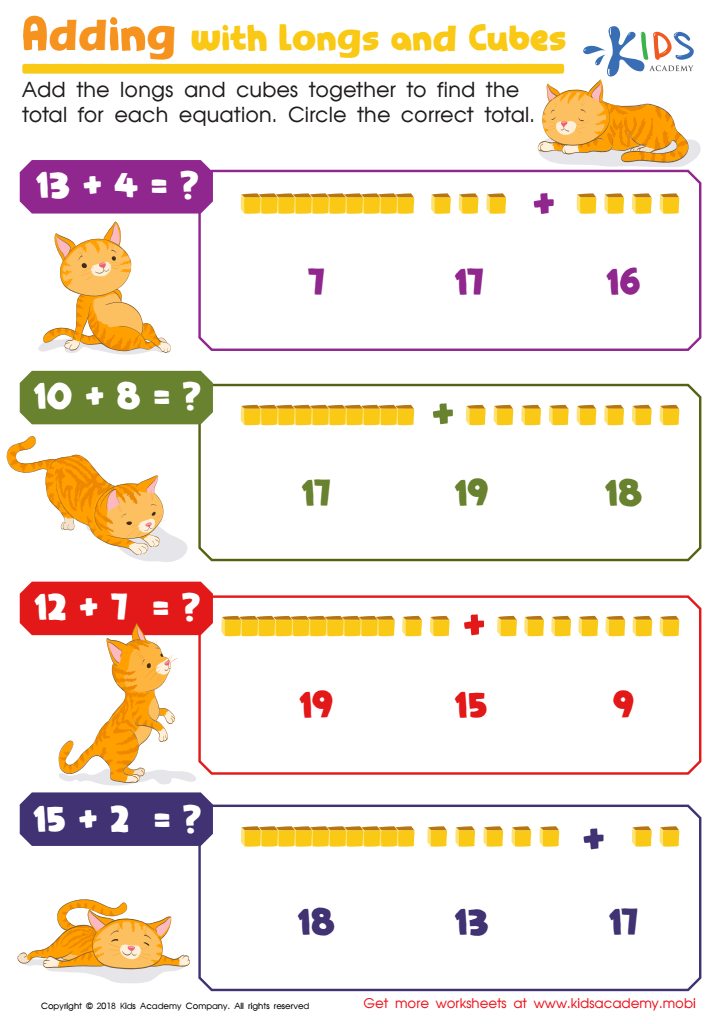
Adding With Longs and Cubes Worksheet
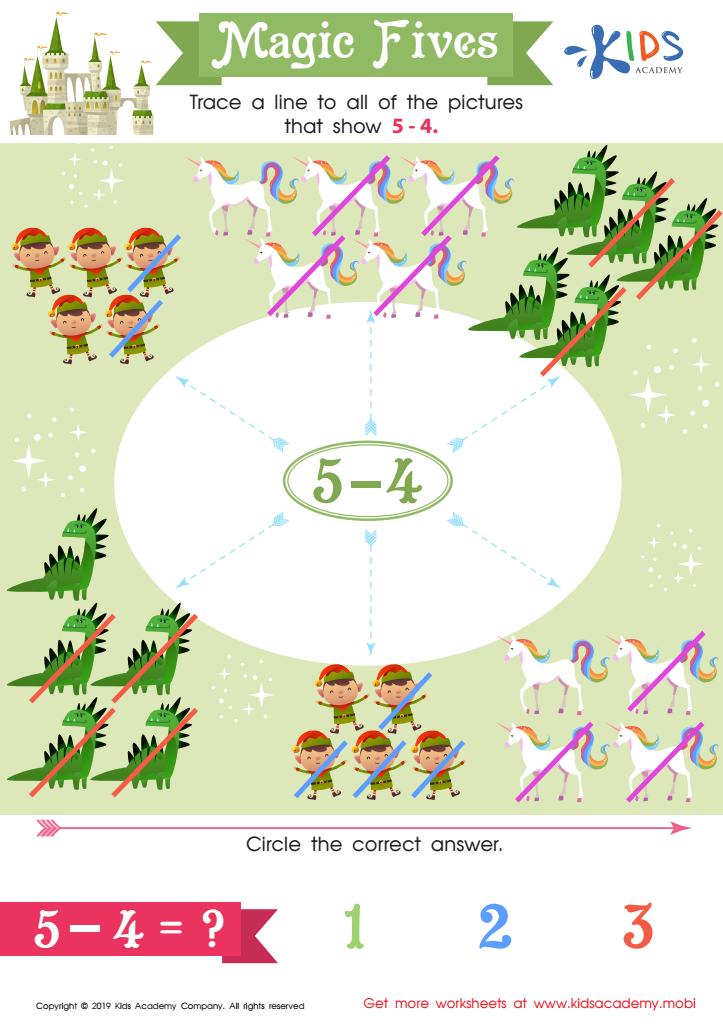
Magic Fives Worksheet
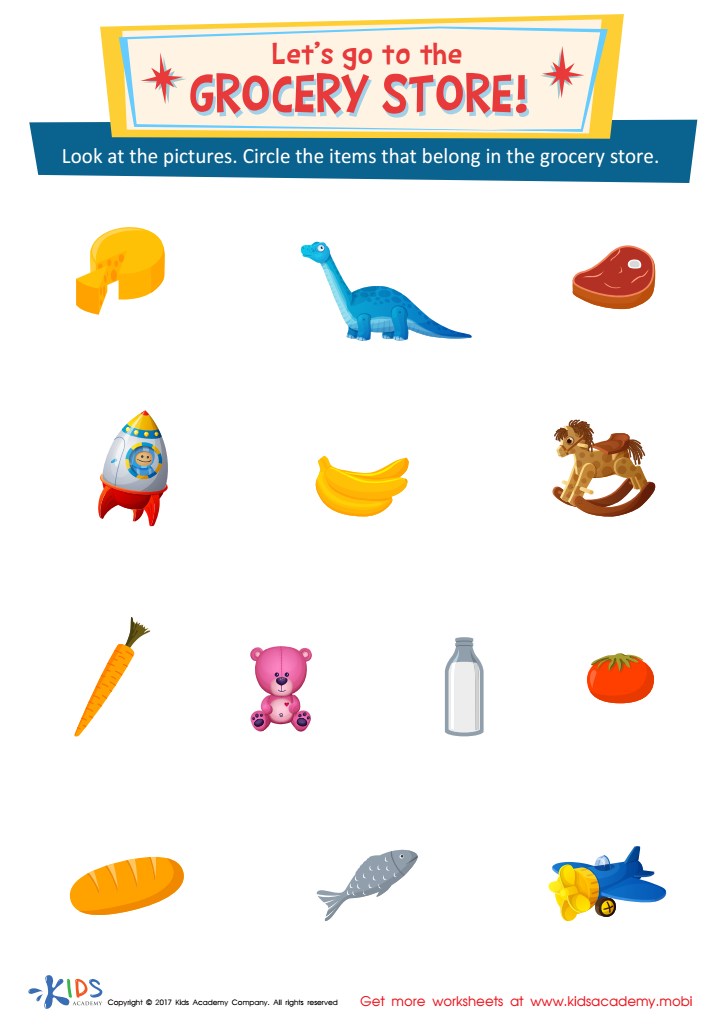
Grocery Store Worksheet
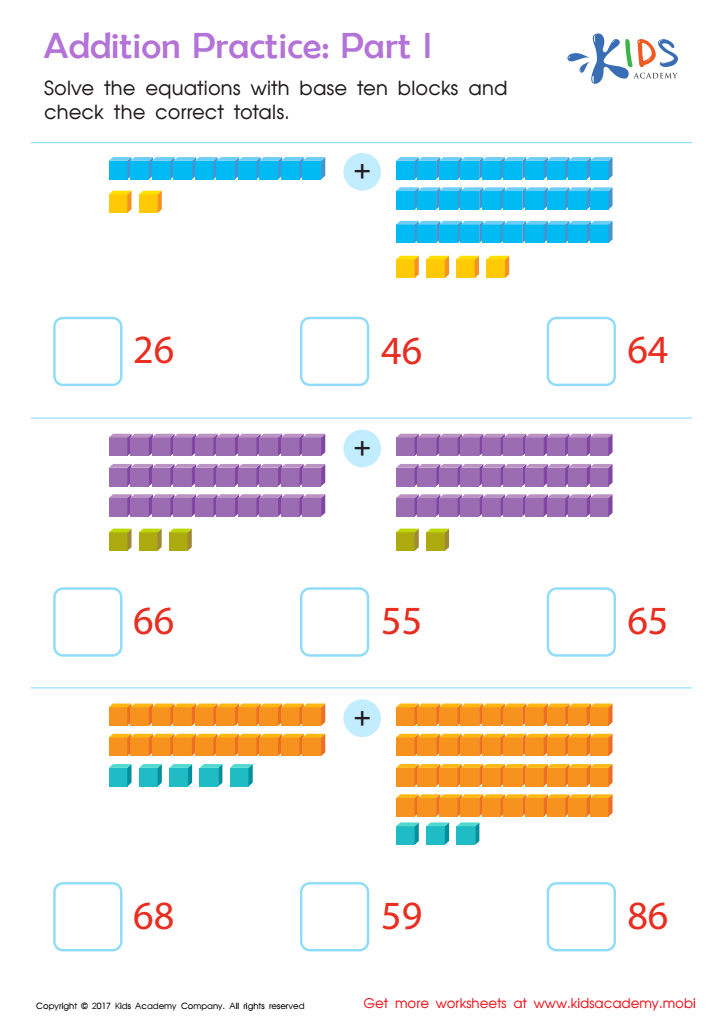
Addition Practice Sheet: Part 1
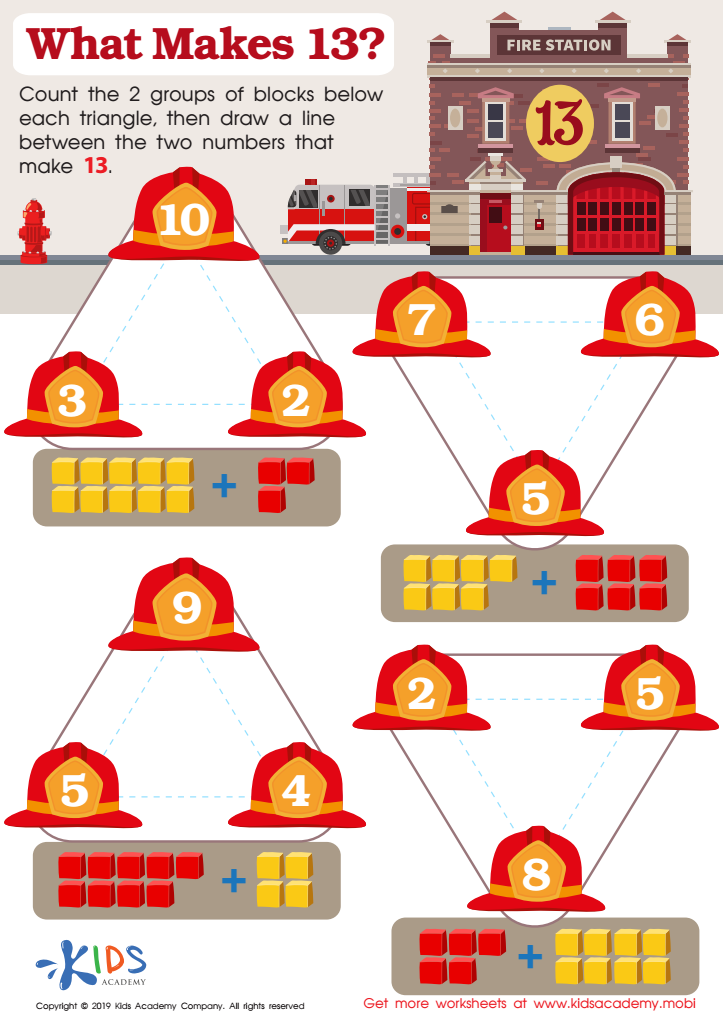
What Makes 13 Worksheet
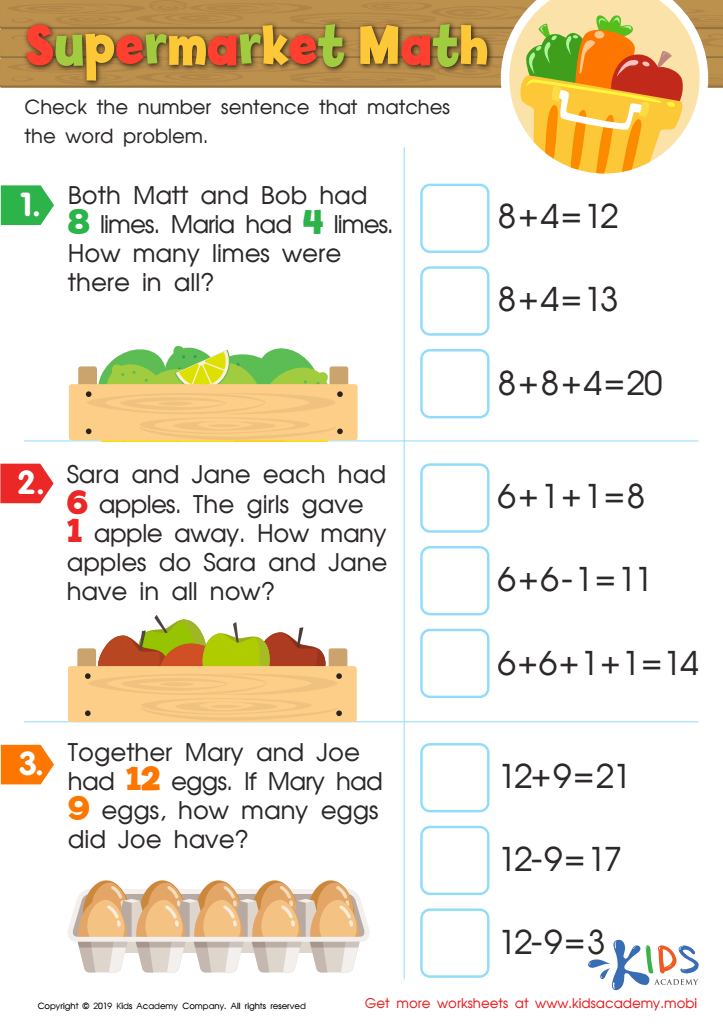
Supermarket Math Worksheet
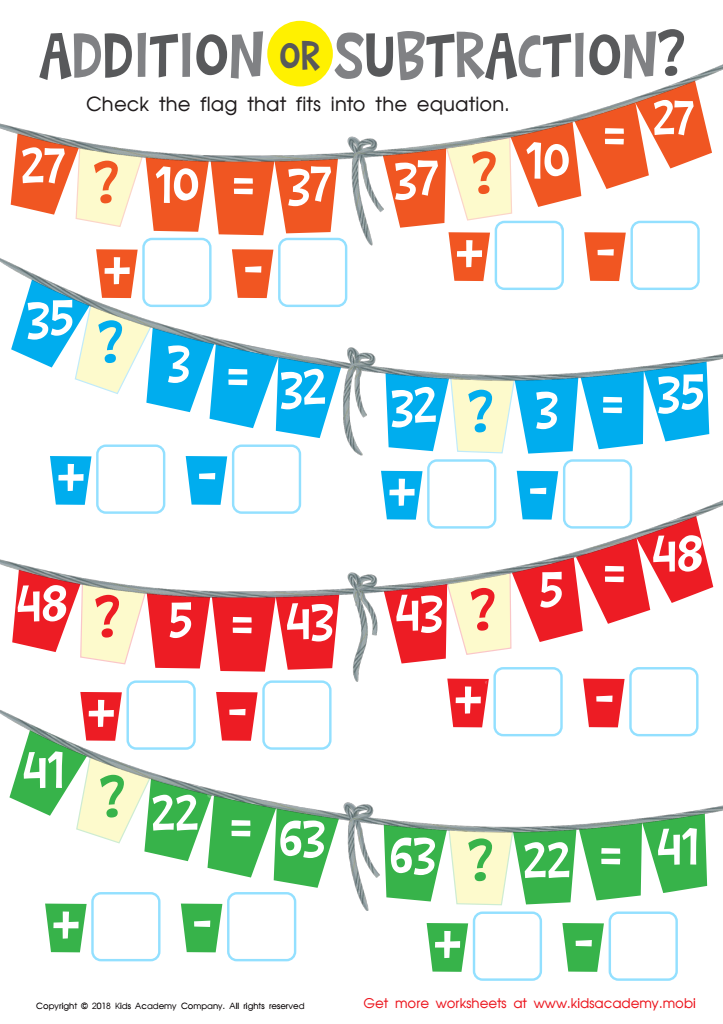
Addition or Subtraction? Worksheet
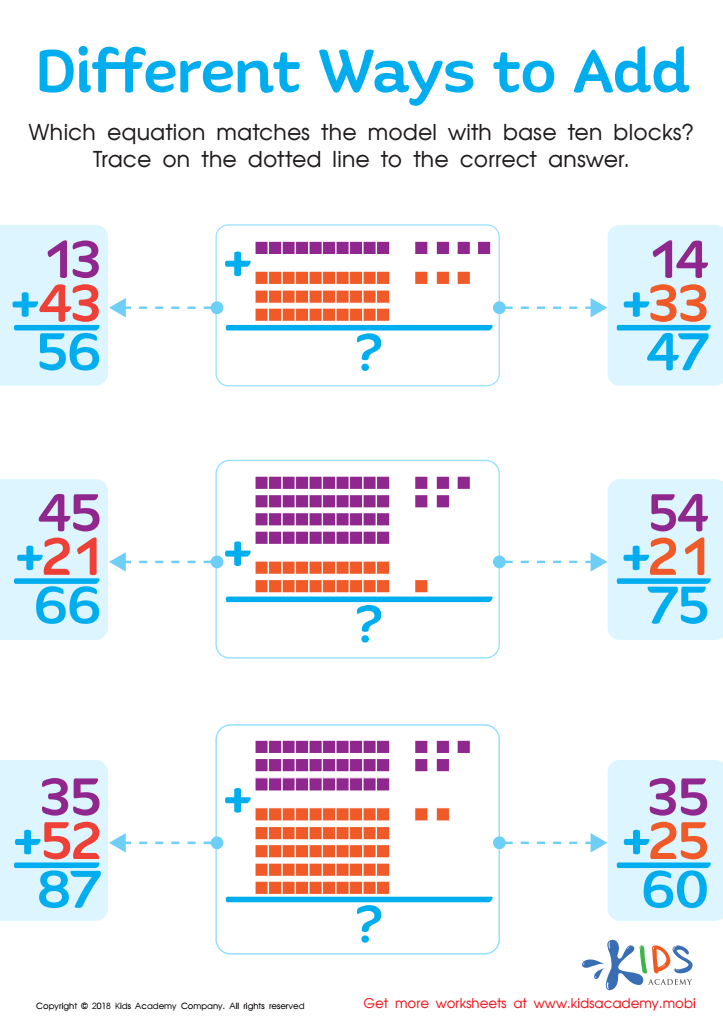
Different Ways to Add Worksheet







Addition skills form a fundamental part of early childhood education, especially for children aged 5-6. At this stage, children are in the critical period of developing their numeracy foundation, which is key to their academic success and everyday problem-solving skills. Understanding addition helps children grasp the basic concept of combining quantities, laying the groundwork for more complex mathematical operations such as subtraction, multiplication, and division.
For parents and teachers, fostering strong addition skills means promoting cognitive development. Children learn to recognize patterns, sequences, and relationships between numbers, enhancing their logical thinking and analytical abilities. Moreover, proficiency in addition can boost a child's confidence and foster a positive attitude towards learning mathematics, reducing the likelihood of math anxiety later on.
Practical life benefits are also abundant. Children frequently encounter situations that demand basic addition, such as counting toys, sharing snacks, or understanding time. Early competence in these tasks makes children more independent and better equipped to navigate everyday activities.
Ultimately, focusing on addition skills at ages 5-6 helps build a solid academic foundation, cognitive prowess, and practical problem-solving abilities. By prioritizing these skills, parents and teachers support a well-rounded and confident learner equipped for future challenges.








