Basic arithmetic skills Normal Worksheets for Ages 5-6
6 filtered results
-
From - To
Discover engaging "Basic Arithmetic Skills Worksheets for Ages 5-6" at Kids Academy, designed to enhance young learners' foundational math abilities. These printable worksheets provide interactive exercises that help children master essential arithmetic concepts, including addition, subtraction, number recognition, and counting. Our resources are tailored to support skill development and boost confidence in early math learners. Each worksheet features colorful visuals and fun activities that make learning enjoyable. Perfect for classroom use or at-home practice, these worksheets are a great way to build a strong arithmetic foundation in children aged 5 to 6.
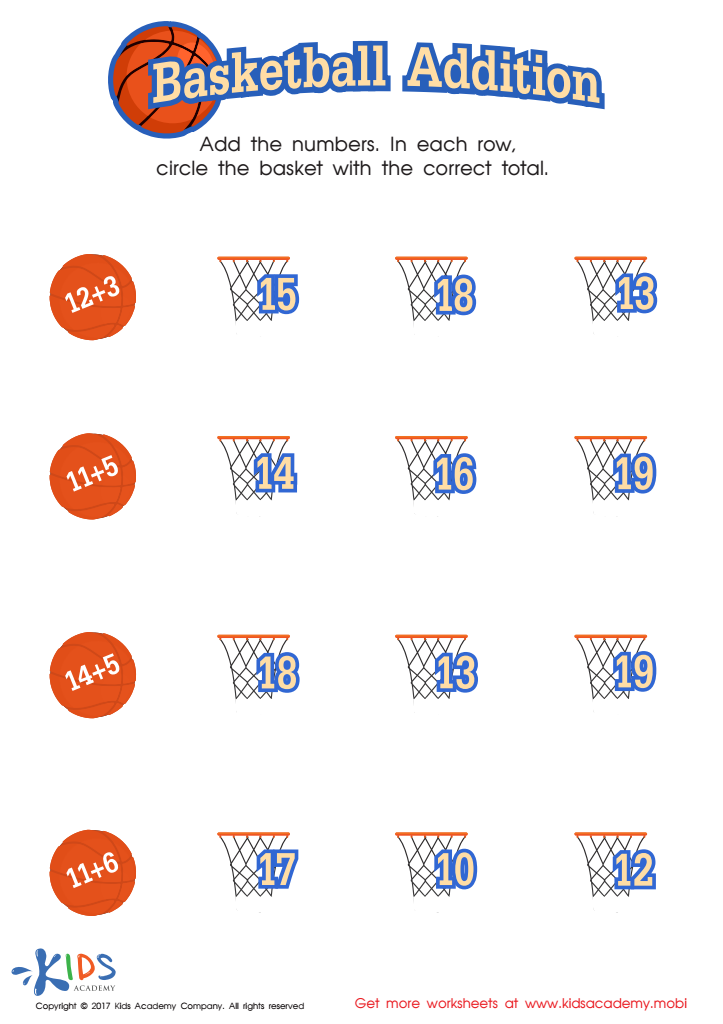
 Assign to My Students
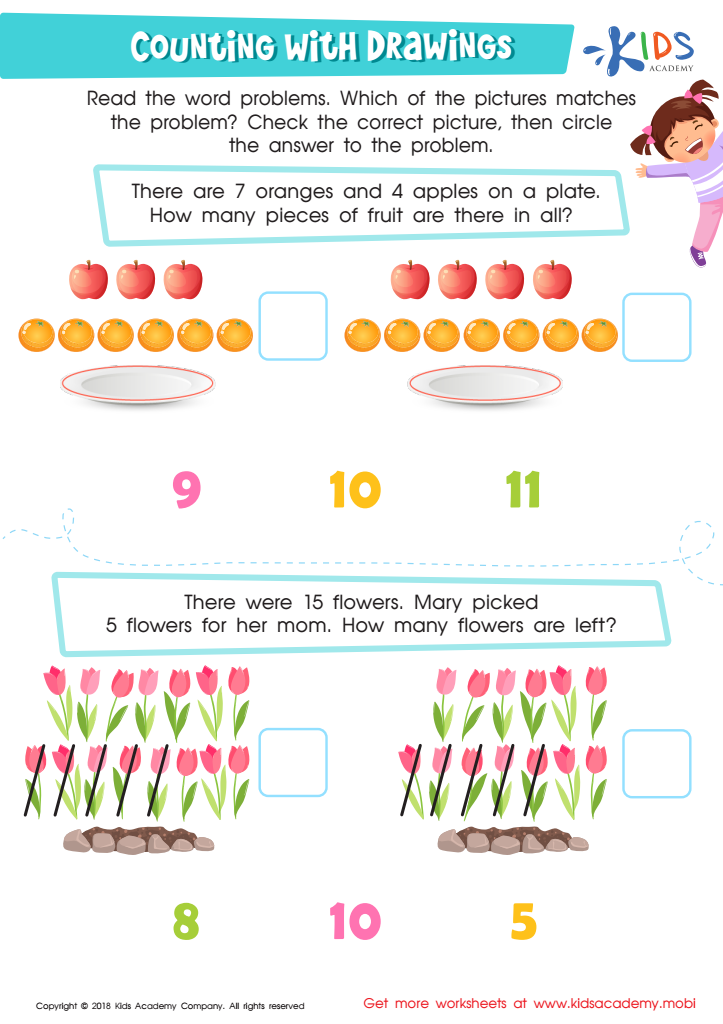
Counting with Drawings: Fruits & Chocolates Worksheet
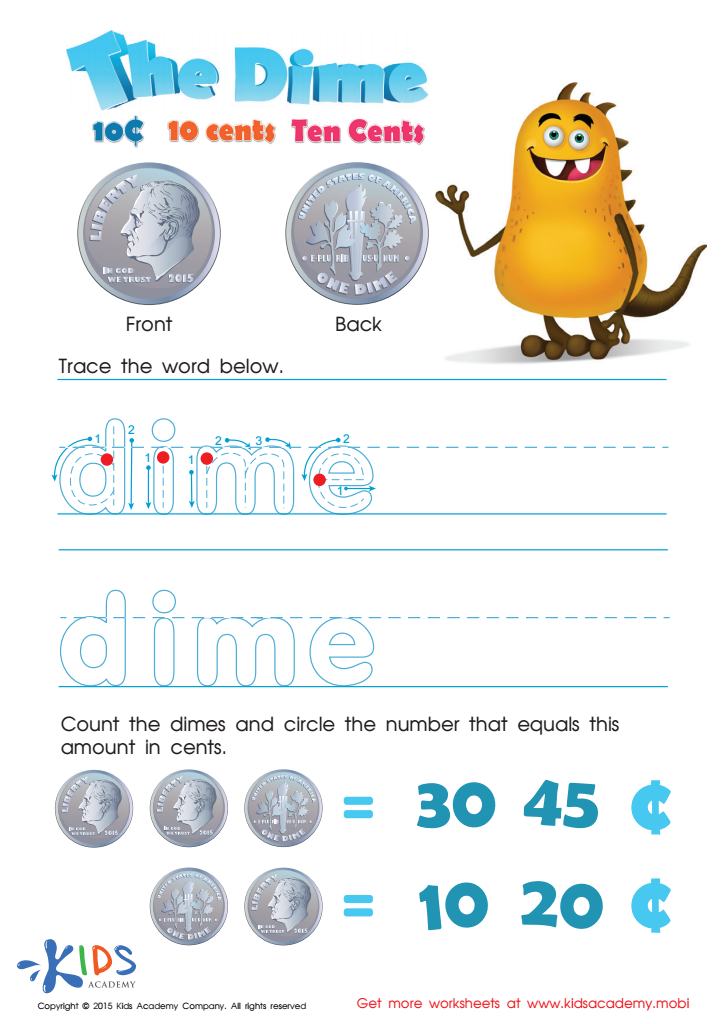
Ten Cents or the Dime Money Worksheet
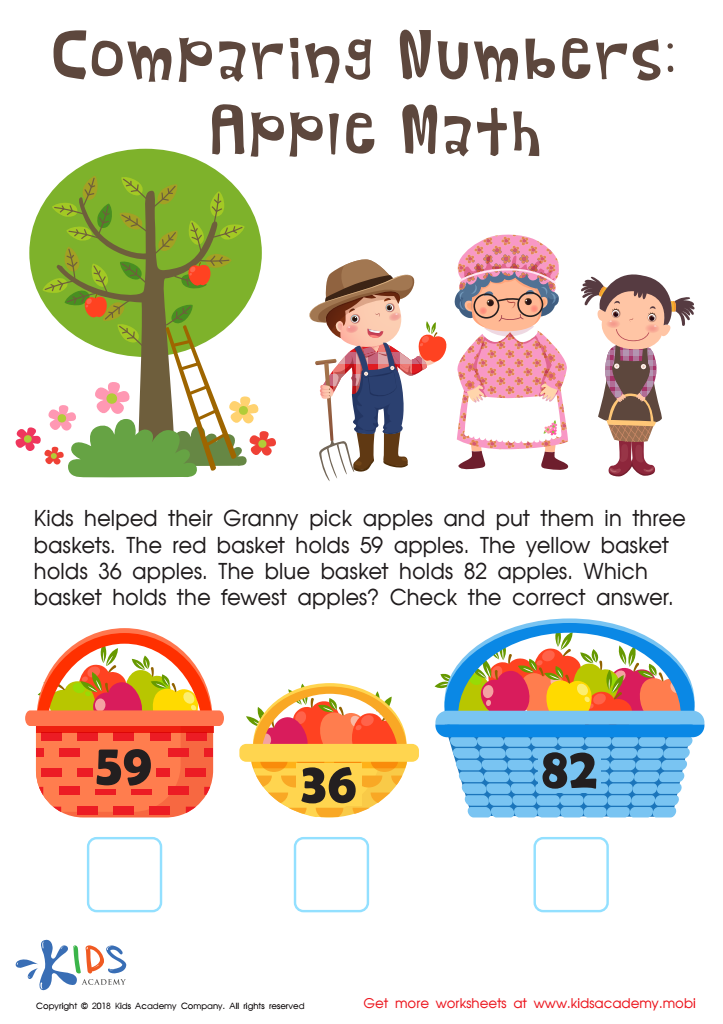
Apple Math Worksheet
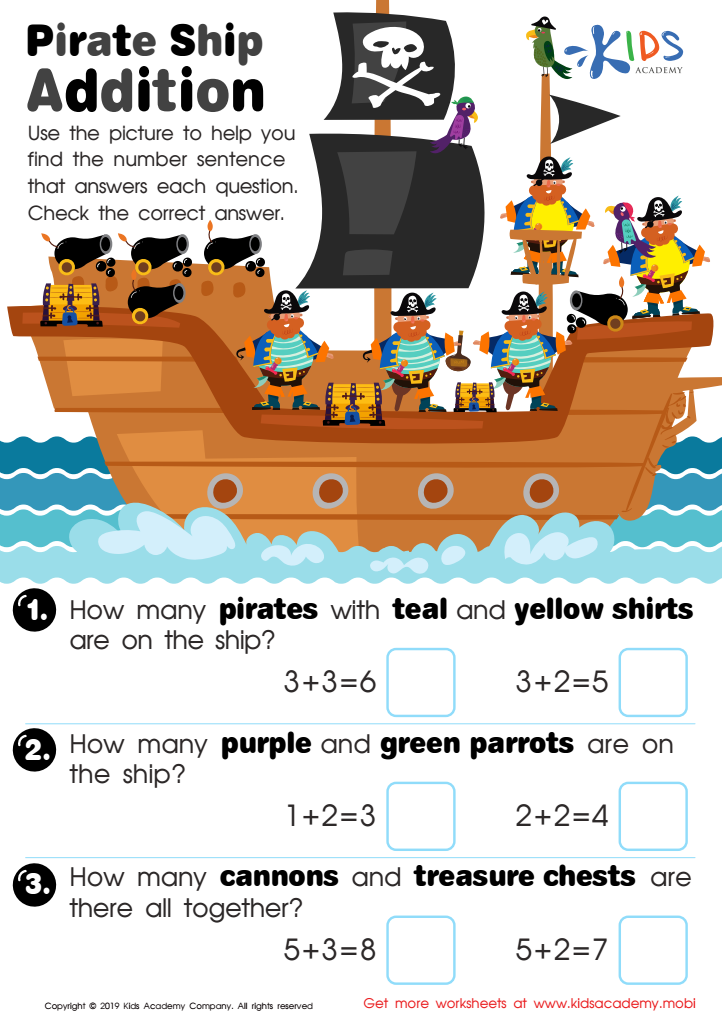
Pirate Ship Addition Worksheet
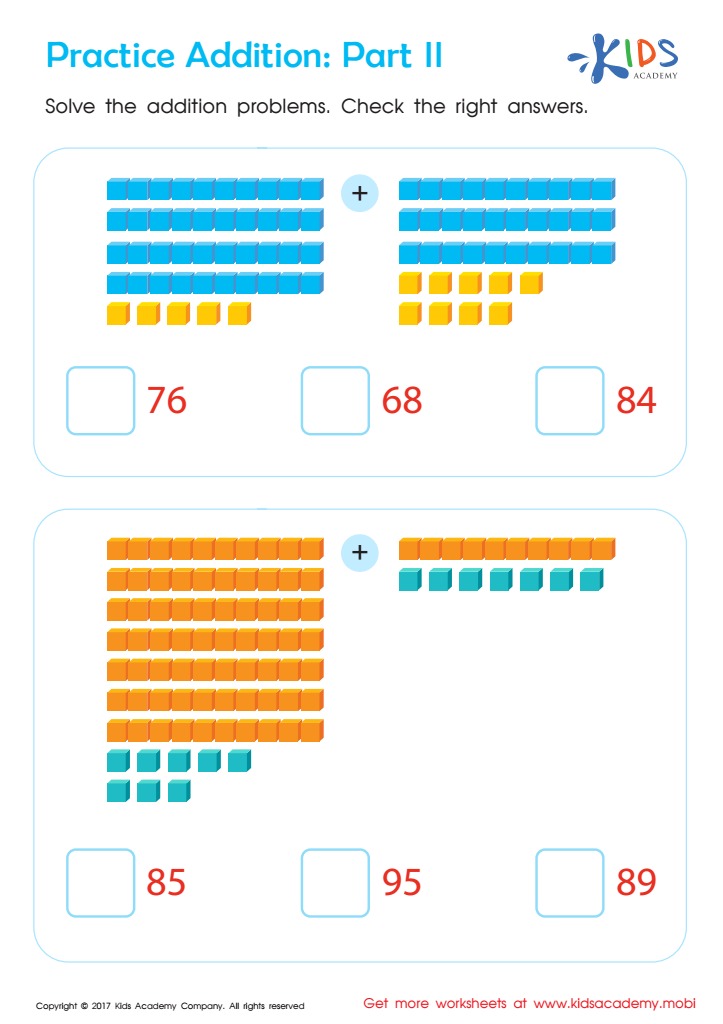
Practice Addition: Part 2 Worksheet






Basic arithmetic skills form the foundation for all future mathematics learning and are crucial for children ages 5 to 6. At this developmental stage, kids are naturally curious and their brains are especially receptive to learning new concepts. Understanding basic arithmetic—such as counting, addition, and subtraction—builds critical thinking, problem-solving skills, and logical reasoning. These skills are not only essential for academic success but are also vital in daily life activities, such as handling money, telling time, and measuring ingredients for cooking.
Moreover, learning basic arithmetic at an early age fosters a positive attitude toward math. When children experience success in understanding and applying these basic concepts, they build confidence and are more likely to approach future math challenges with enthusiasm rather than fear. This proactive attitude can lead to better performance in more complex subjects like algebra, geometry, and calculus later on.
Parents and teachers play a critical role in nurturing these skills. Through engaging activities, such as counting games, puzzles, and practical exercises, they can make learning fun and meaningful. By investing time and effort into teaching basic arithmetic skills, parents and teachers lay down a sturdy educational foundation, enhancing children’s overall academic journey and life competencies.








