Cultural awareness Normal Worksheets for Ages 5-6
9 filtered results
-
From - To
Our "Cultural Awareness Normal Worksheets for Ages 5-6" are designed to introduce young learners to the diverse world around them. These engaging, age-appropriate activities help children appreciate different cultures through fun, interactive worksheets that include coloring pages, matching games, and simple puzzles. By exploring various traditions, languages, and customs, children develop empathy and global awareness from an early age. Perfect for classroom and at-home learning, our worksheets lay a foundation for respectful understanding and curiosity about the world’s rich cultural tapestry. Foster an inclusive and cohesive learning environment with our expertly crafted cultural awareness worksheets.
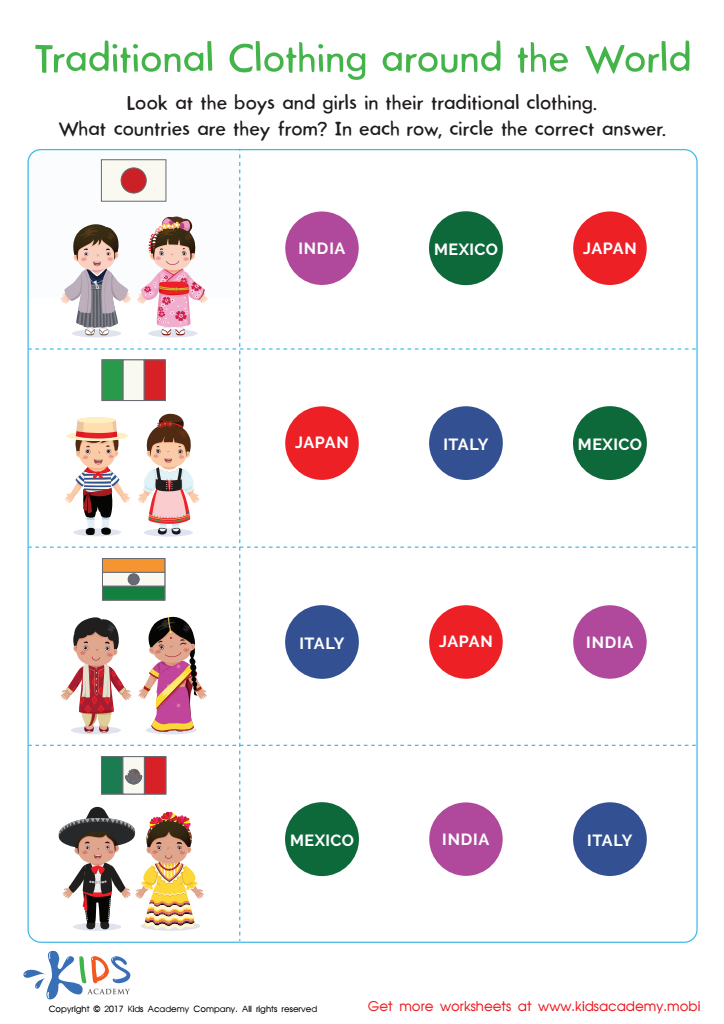
Traditional Clothing Worksheet
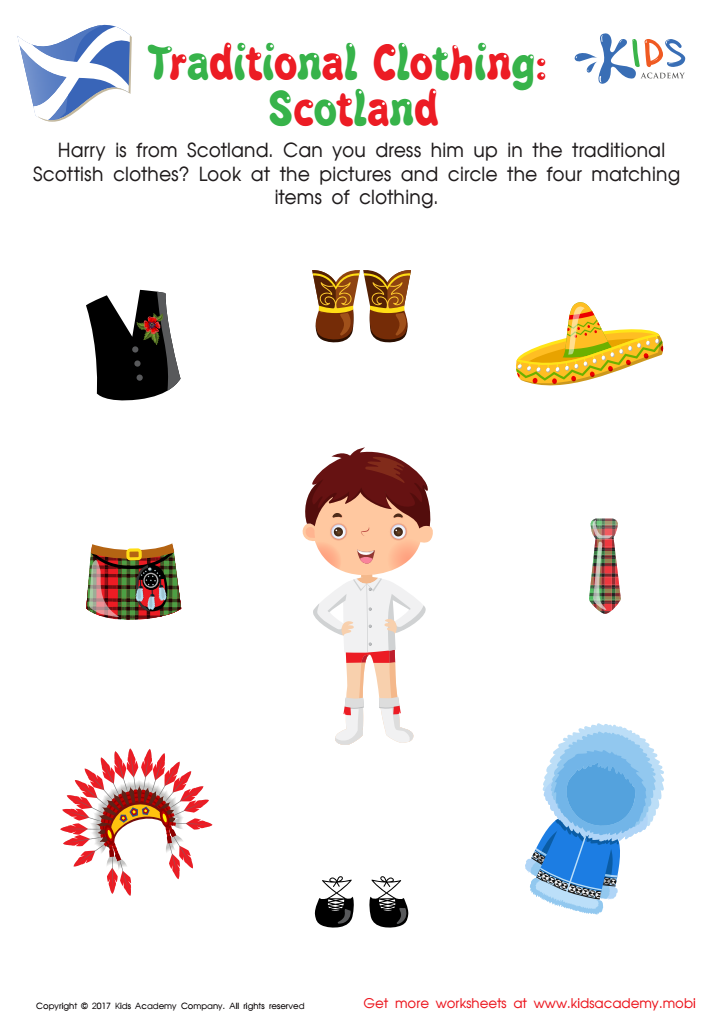
Traditional Clothing in Scotland Worksheet
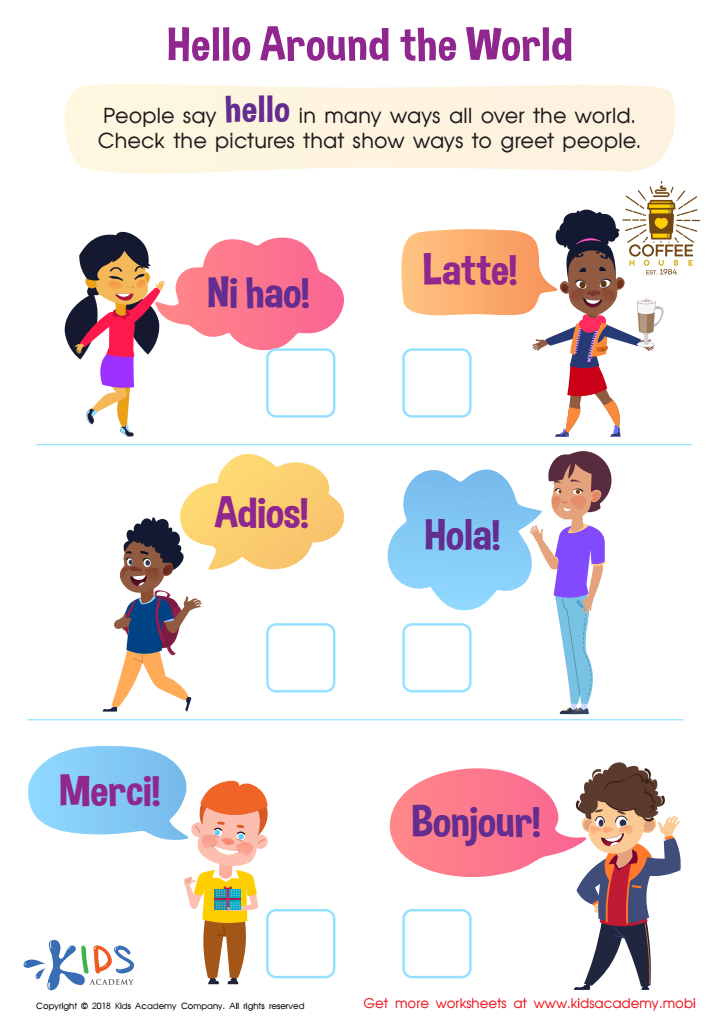
Hello Around the World Worksheet
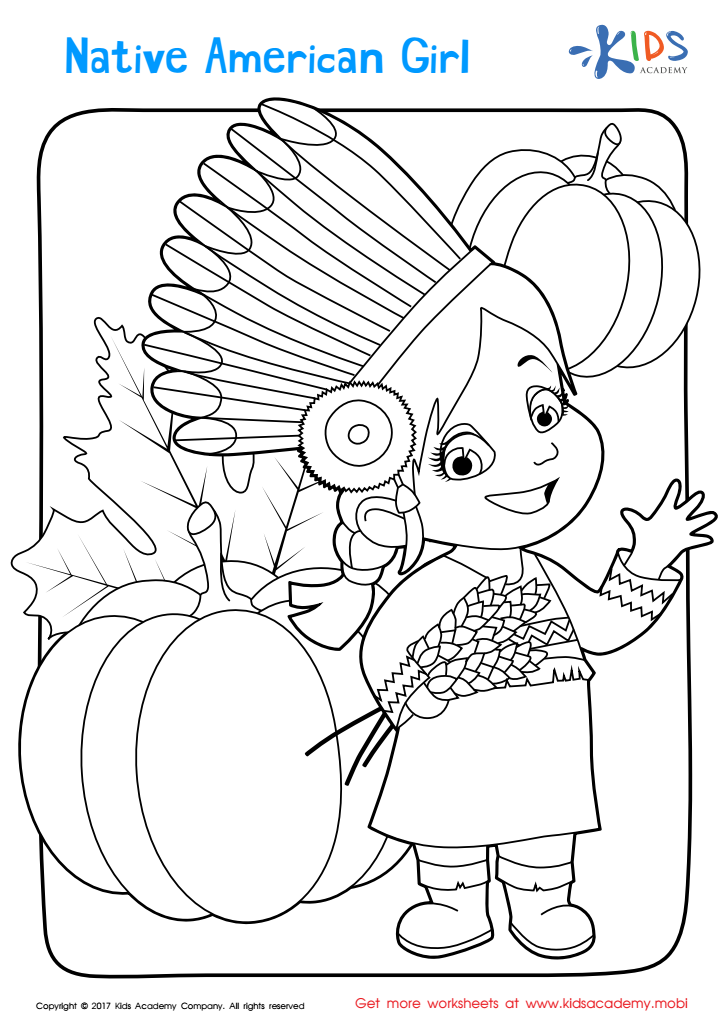

Thanksgiving Holiday Printable
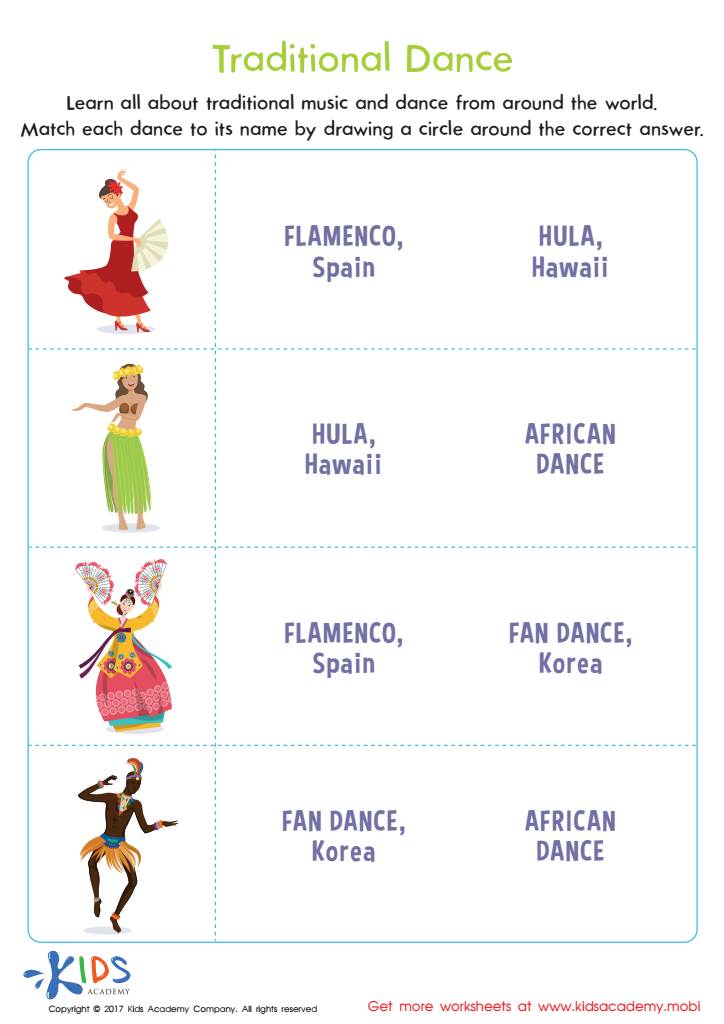
Traditional Dance Printable
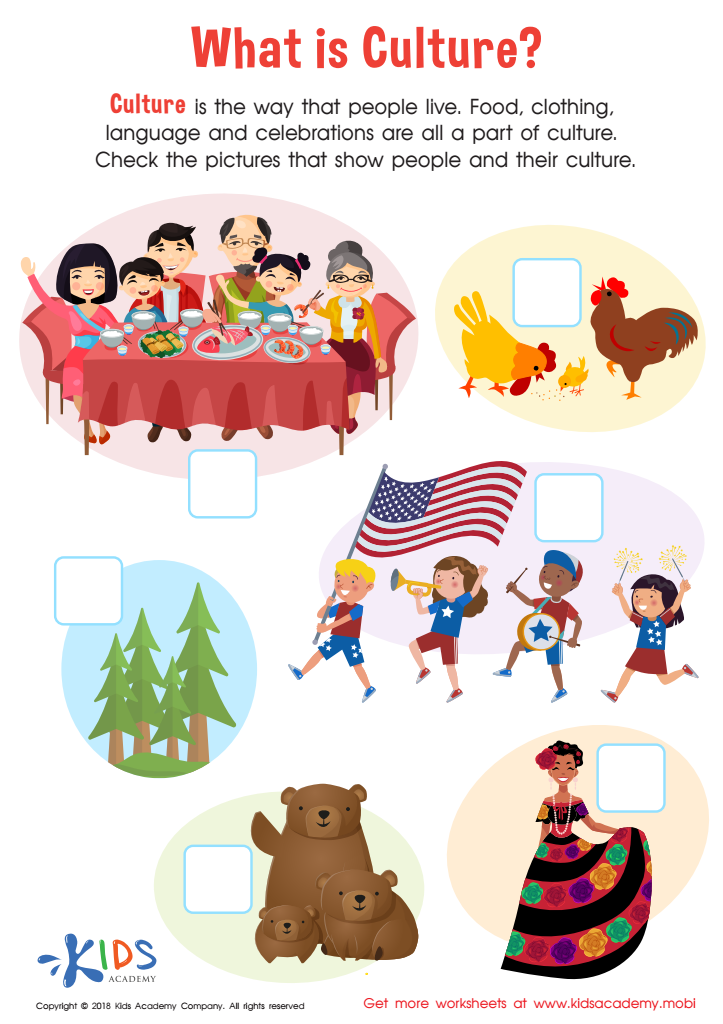
What Is Culture? Worksheet
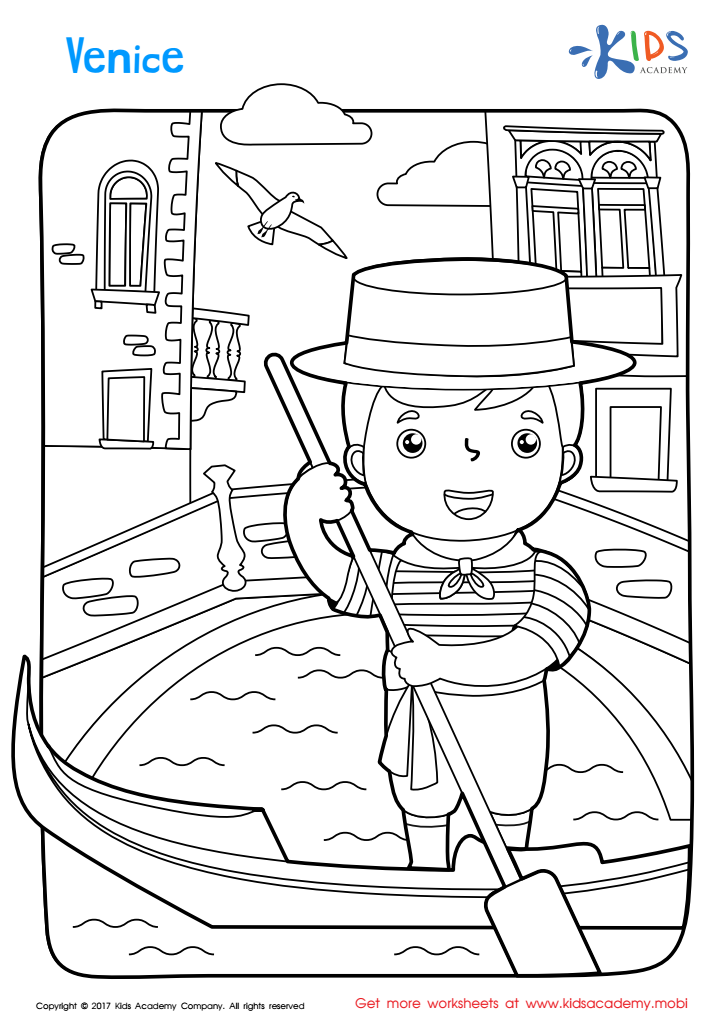
Venice Worksheet
 Assign to My Students
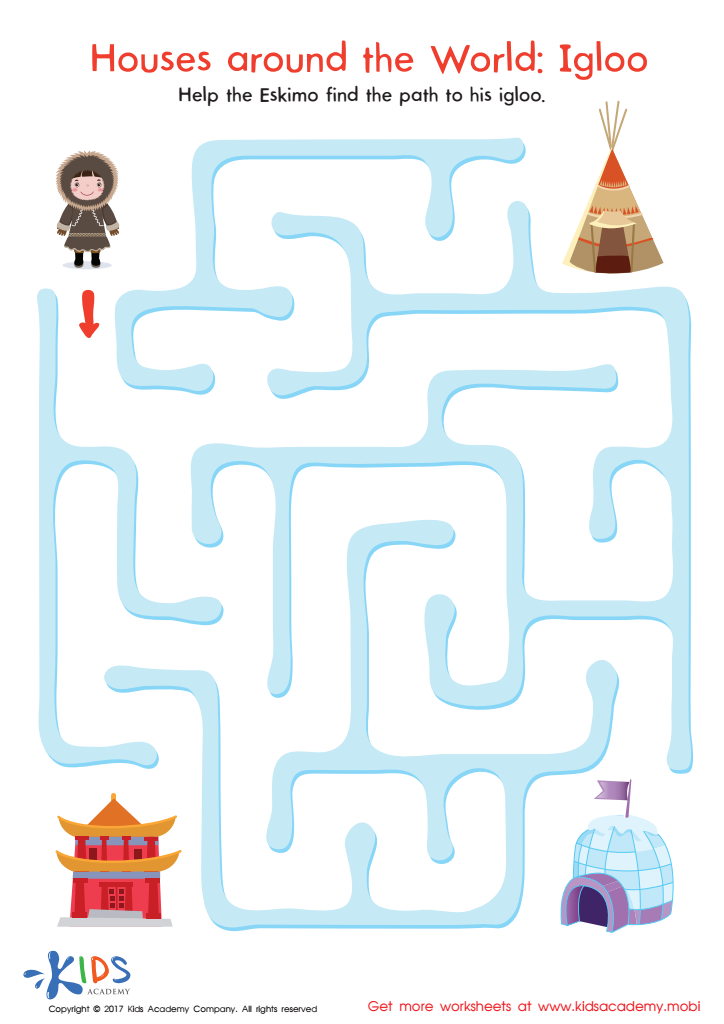
Houses Around the World: Igloo Printable







Caring about cultural awareness for children aged 5-6 is vital for several reasons. This stage, known as early childhood, is a critical period for cognitive and social development. Introducing cultural awareness helps children understand and respect diversity, fostering an inclusive mindset that values differences in ethnicity, language, traditions, and customs.
At this age, children are naturally curious and impressionable. Exposing them to various cultures can help prevent the formation of biases and stereotypes. Teaching cultural awareness encourages empathy and compassion, as children learn that everyone has unique perspectives and experiences. In classrooms, this creates a more harmonious and cooperative environment, as children learn to appreciate and celebrate their peers' diversity.
For parents and teachers, promoting cultural awareness supports the development of important social skills. Children learn effective communication, conflict resolution, and adaptability, skills that are essential in our increasingly globalized world. It also enhances cognitive flexibility—a foundational skill for problem-solving and creativity.
Encouraging cultural awareness from an early age helps build a more equitable society. It ensures that all children feel valued and seen, which is fundamental for their self-esteem and psychological well-being. Ultimately, instilling cultural awareness prepares children to be thoughtful, open-minded adults who contribute positively to a diverse and interconnected world.








