Hand-eye Coordination Normal Worksheets for Ages 5-6 - Page 2
32 filtered results
-
From - To
Tracing Horizontal Lines Worksheet
Find Uppercase Letters D, E, and F Worksheet
Fairy Tales Maze Worksheet
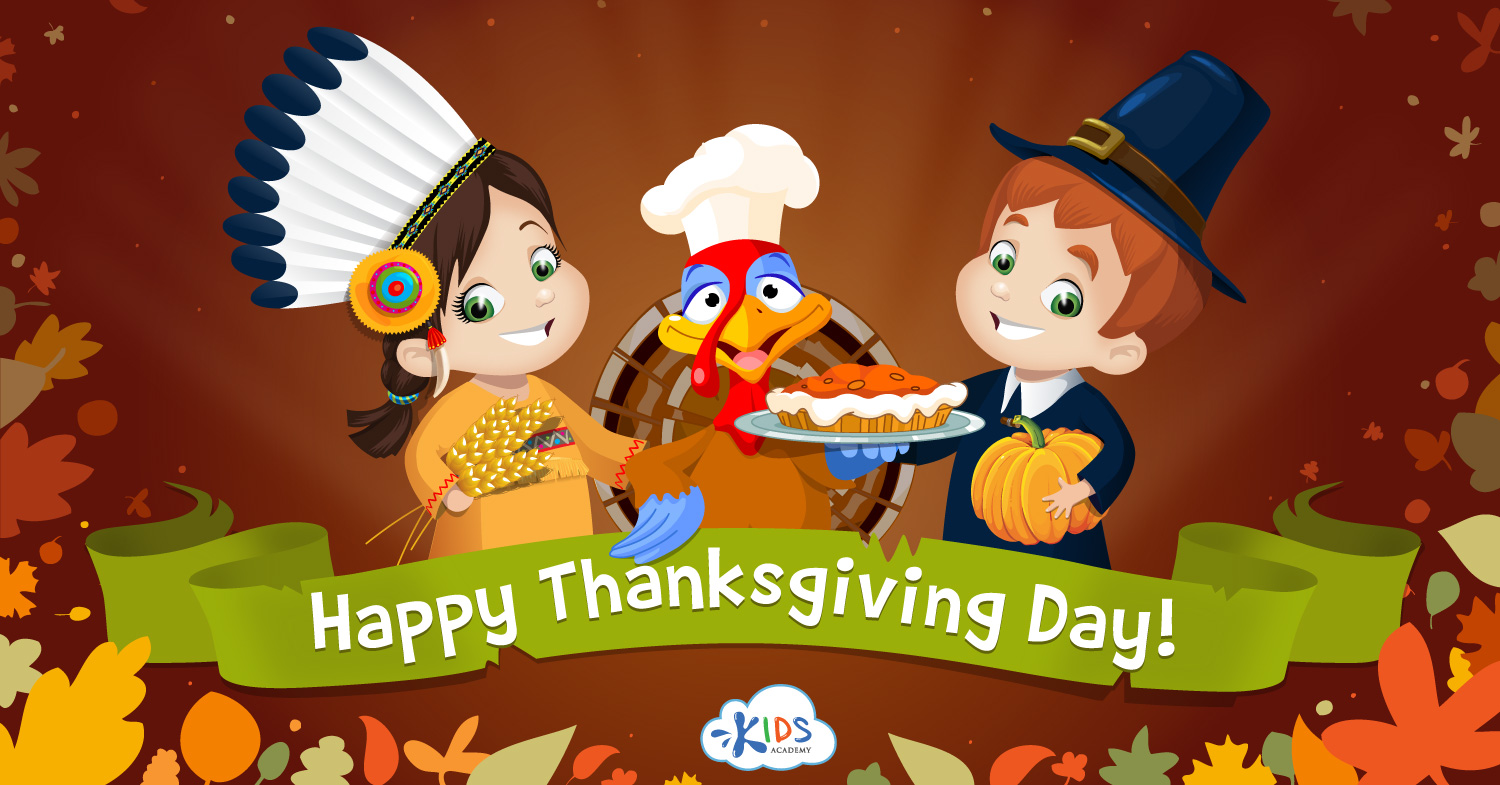
Turkey Thanksgiving Day Worksheet
 Assign to My Students
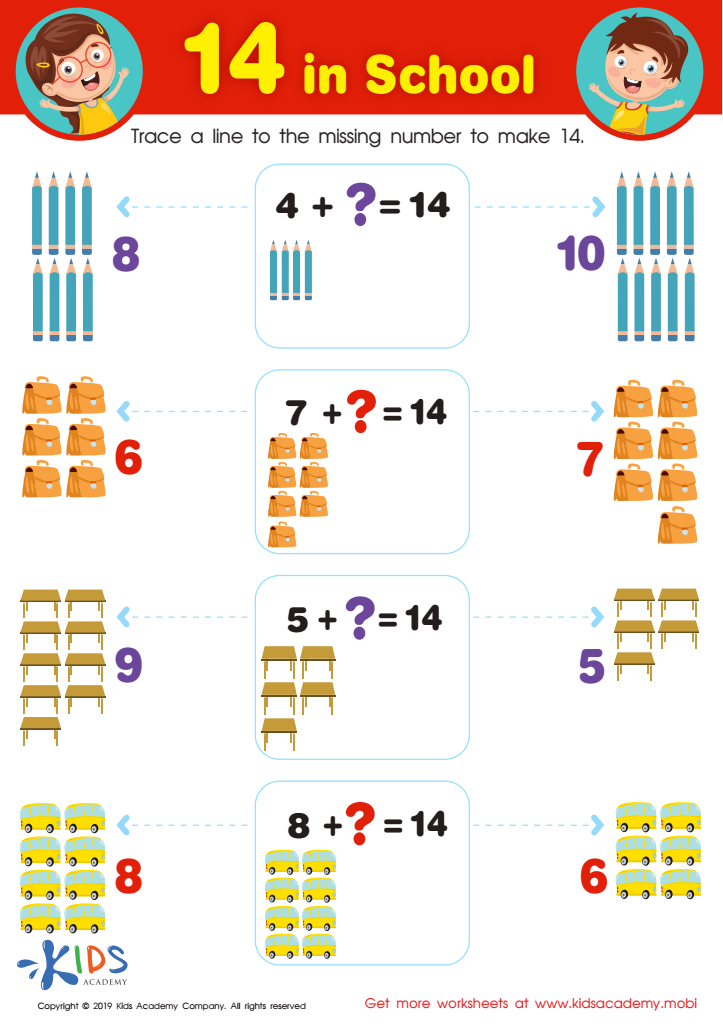
14 in School Worksheet
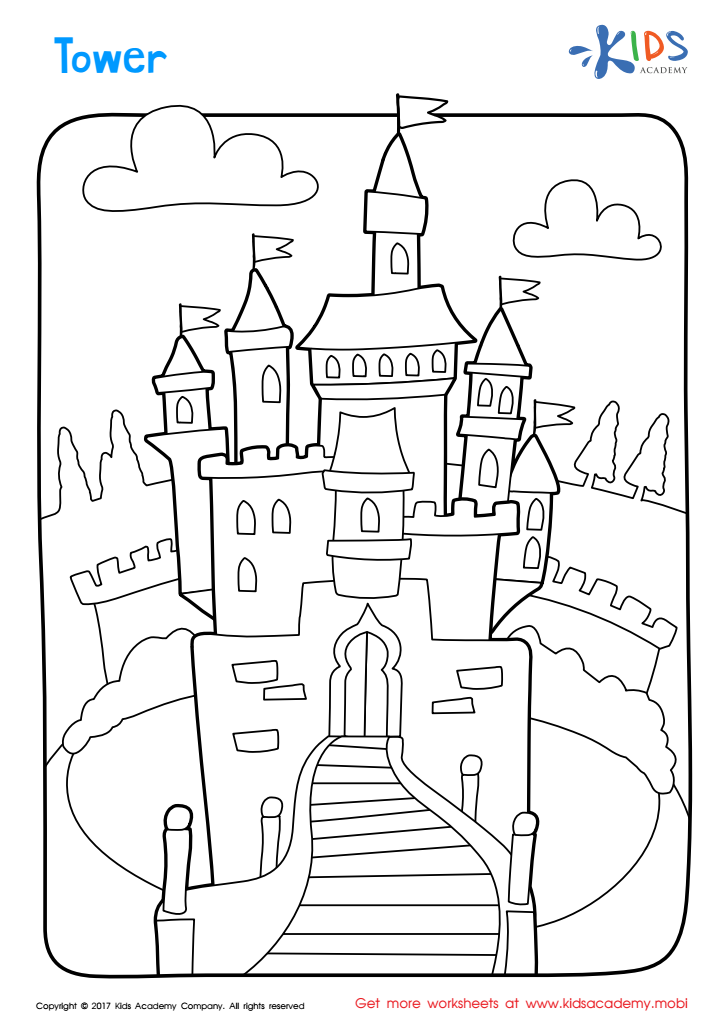
Tower Coloring Page
Assign to My Students
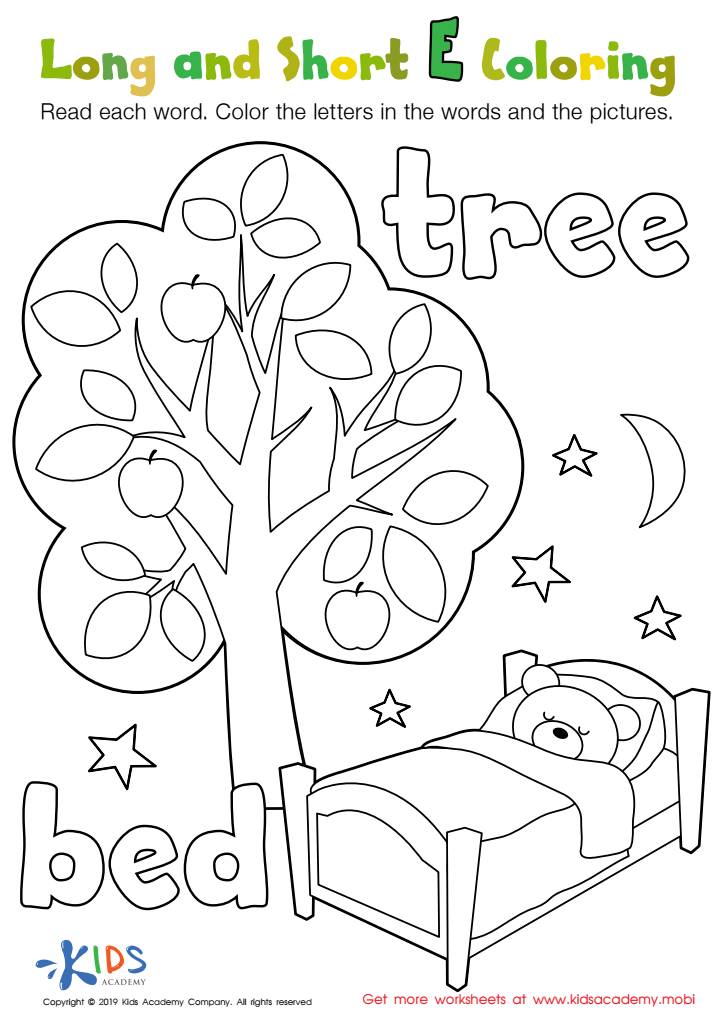
Long and Short E Worksheet
Assign to My Students

Letter D Tracing Page







Hand-eye coordination is a crucial developmental skill for children aged 5-6, serving as a foundation for various physical and cognitive abilities. Parents and teachers should care about its normal development during this age for several reasons. First, this skill is essential for everyday tasks such as writing, eating, and playing, impacting a child's independence and confidence. When hand-eye coordination is well-developed, children can perform tasks more efficiently, boosting their self-esteem.
Furthermore, strong hand-eye coordination is linked to academic success. It enhances a child's ability to focus and follow instructions, especially in activities like drawing or participating in sports. Improved coordination also influences a child's capacity to engage in STEM learning, where skills like measuring and manipulating materials are key.
Lastly, monitoring and nurturing this skill can help identify any potential developmental issues early on, allowing for timely interventions. Overall, cultivating hand-eye coordination fosters physical, emotional, and educational growth in children, providing a comprehensive benefit that supports lifelong learning and health. By taking an active interest, parents and teachers contribute significantly to a child's holistic development during these formative years.








