Identification skills Normal Worksheets for Ages 5-6
7 filtered results
-
From - To
Enhance your child's cognitive abilities with our "Identification Skills Normal Worksheets for Ages 5-6" available on Kids Academy. These expertly crafted worksheets are designed to improve young learners' ability to recognize and identify various objects, shapes, and colors. Each activity is created to be engaging and educational, providing the perfect foundation for developing essential early learning skills. Tailored for children ages 5-6, these worksheets support both independent learning and guided instruction, ensuring a well-rounded approach to early education. As children progress, they'll build confidence and prepare for more advanced challenges. Visit Kids Academy to explore our vibrant collection.
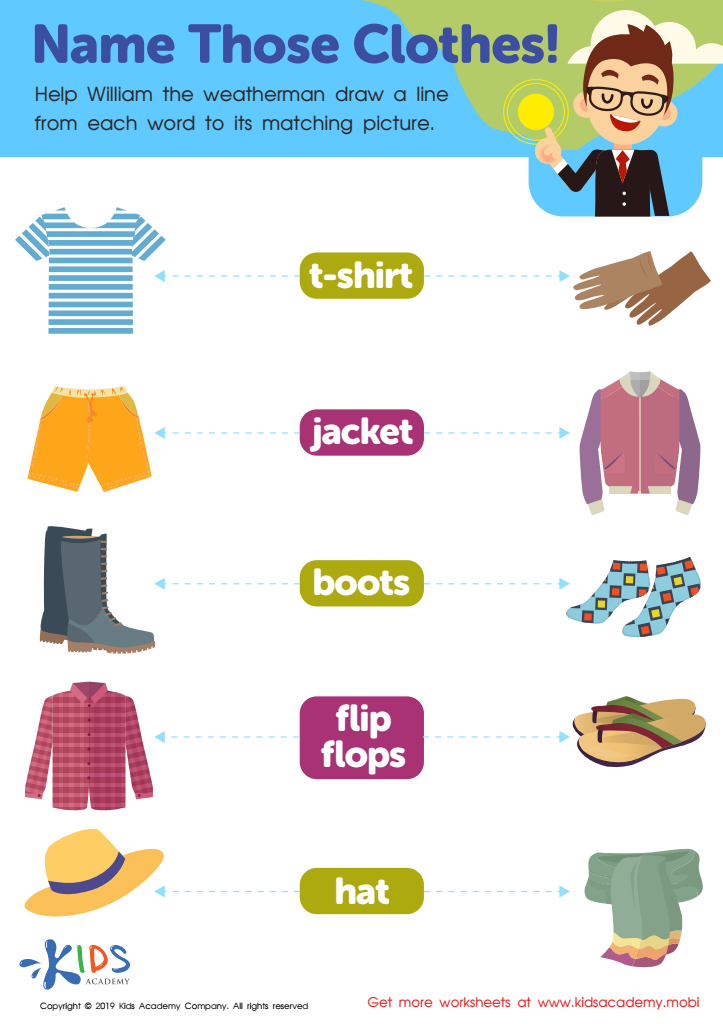
Name Those Clothes Worksheet
 Assign to My Students
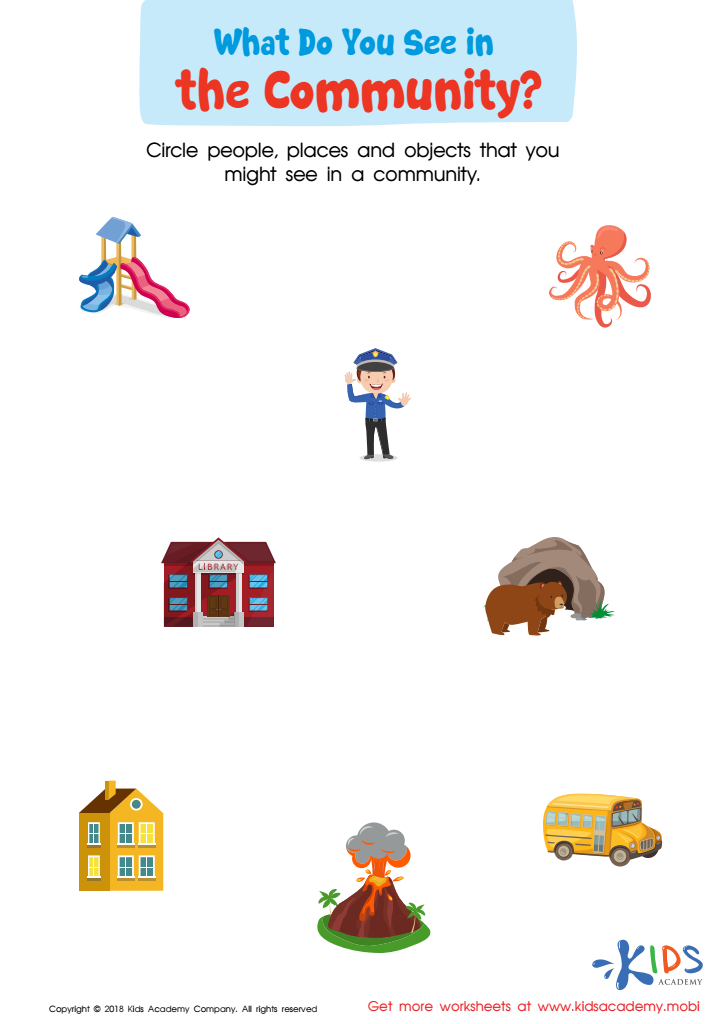
What Do You See in the Community Worksheet
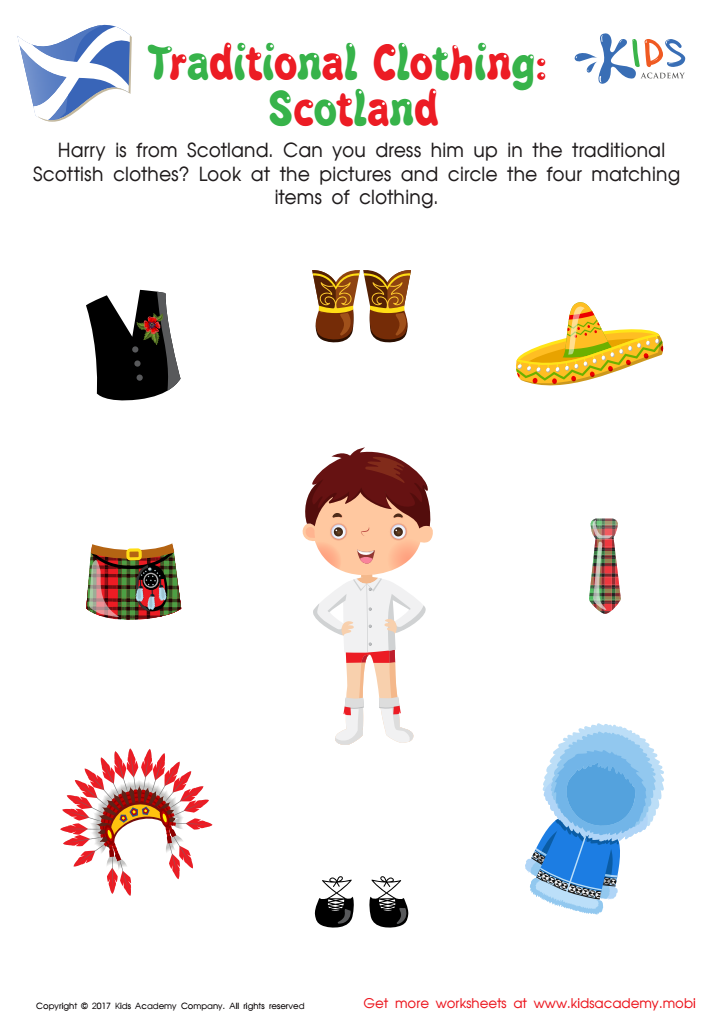
Traditional Clothing in Scotland Worksheet
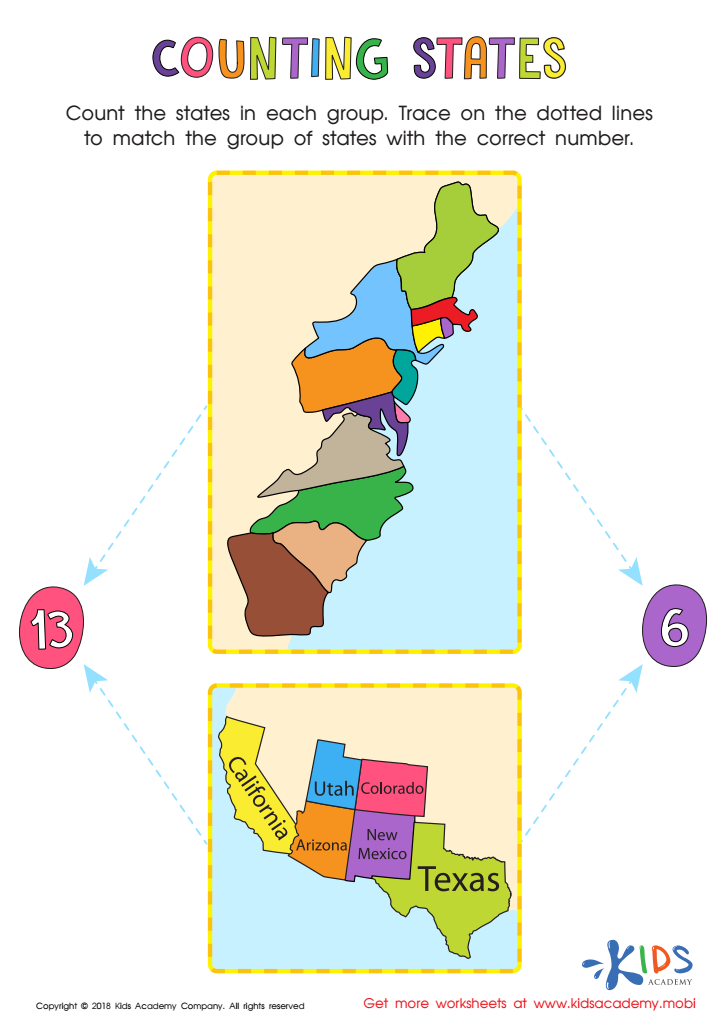
Counting States Worksheet
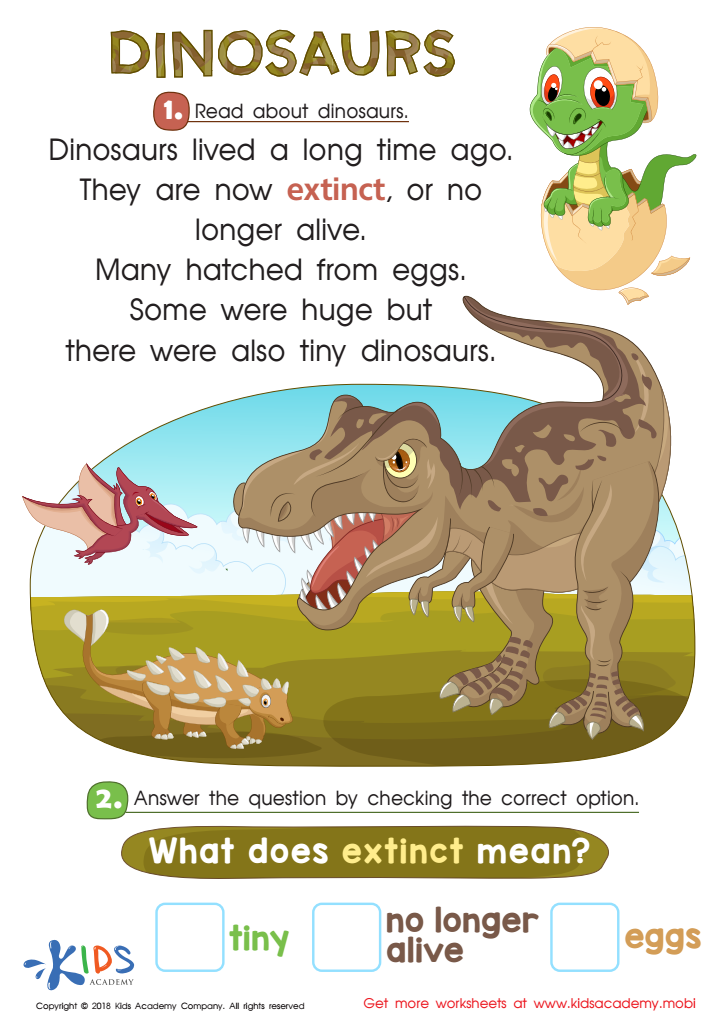
Dinosaurs Worksheet
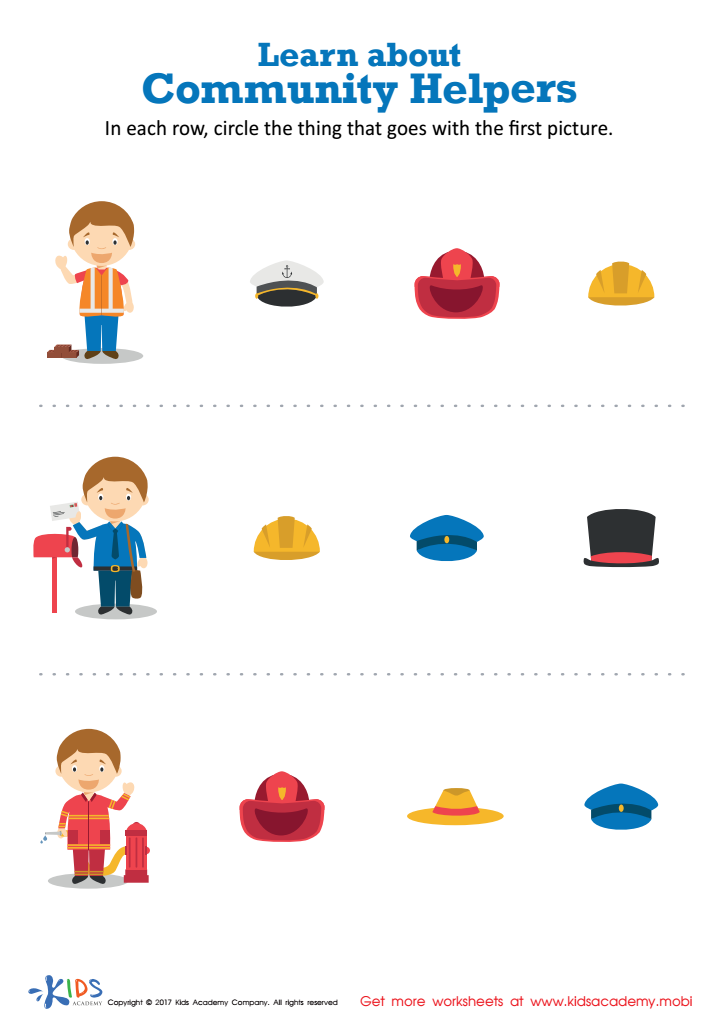
Learn about Community Helpers Printable







Identification skills are foundational for 5-6-year-olds, and both parents and teachers play crucial roles in nurturing them. These skills, which include recognizing letters, numbers, shapes, colors, and familiar objects, are essential for early literacy and numeracy development.
Firstly, strong identification skills pave the way for reading and writing. When children can identify letters, they begin to understand that these symbols represent specific sounds—a key step toward reading words and sentences. Similarly, recognizing numbers and understanding their values sets the stage for basic arithmetic.
Secondly, these skills boost confidence and curiosity. As children master new concepts, their self-esteem grows. They become more eager to explore, ask questions, and tackle new challenges, fostering a positive attitude toward learning that can last a lifetime.
Moreover, identification skills aid in social and emotional development. Recognizing facial expressions and understanding social cues help children navigate peer interactions more effectively. They learn to empathize and communicate better, essential skills for collaborative learning environments and life in general.
Parents and teachers must thus encourage and support these early identification skills through engaging activities, consistent practice, and positive reinforcement. By doing so, they lay a strong foundation for future academic success and holistic development, setting children on a path to lifelong learning and well-being.








