Visual recognition Normal Worksheets for Ages 5-6
7 filtered results
-
From - To
Our "Visual Recognition Worksheets for Ages 5-6" offer engaging activities designed to enhance children's visual discrimination and cognitive skills. These worksheets help kids identify shapes, patterns, colors, and differences, fostering essential learning abilities. Perfect for developing concentration and attention to detail, our age-appropriate exercises combine education and fun to stimulate young minds. Using playful themes and vibrant illustrations, these printables keep children interested and motivated to learn. Ideal for classroom or home use, the worksheets lay a solid foundation for future academic success in a visually appealing format suited for young learners aged 5-6.
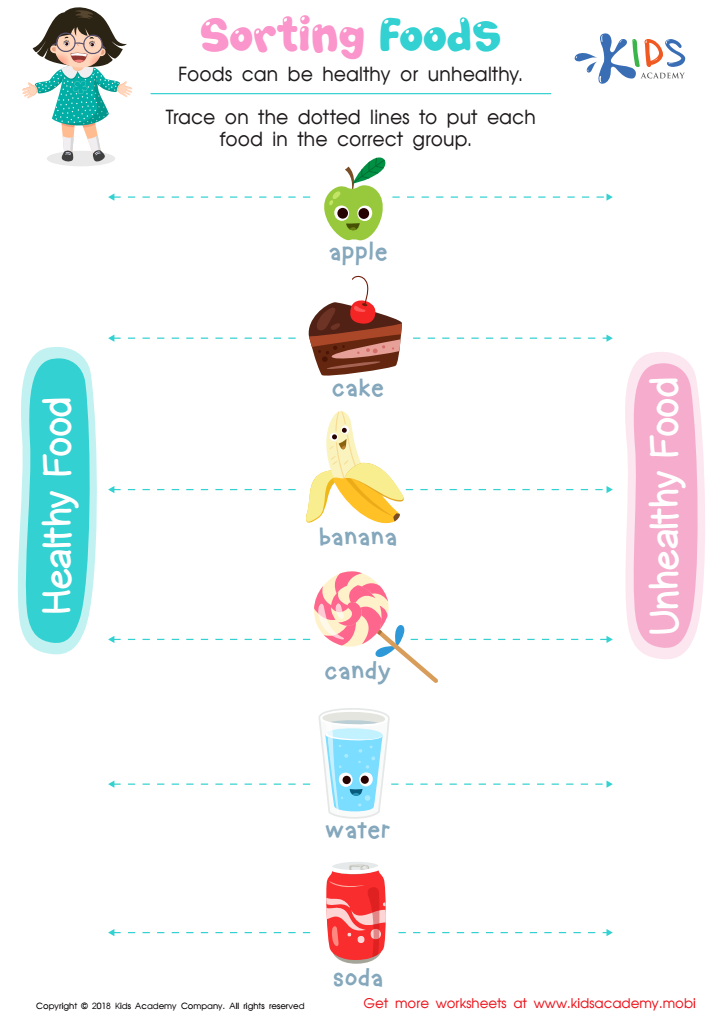
Sorting Food Worksheet
 Assign to My Students
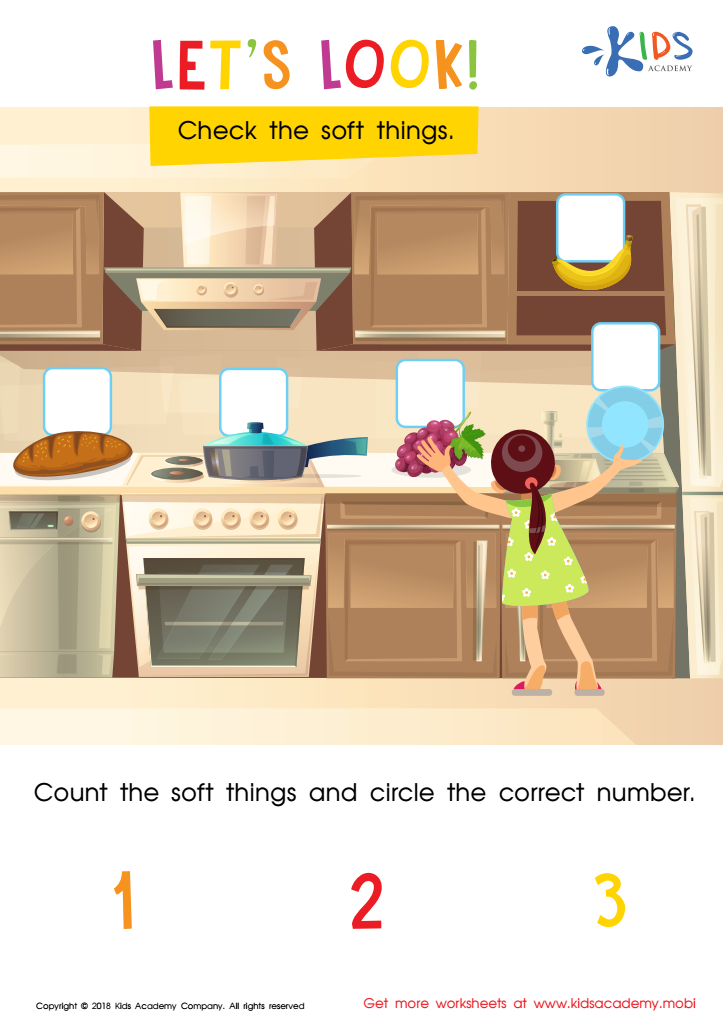
Let's Look! Assessment Worksheet
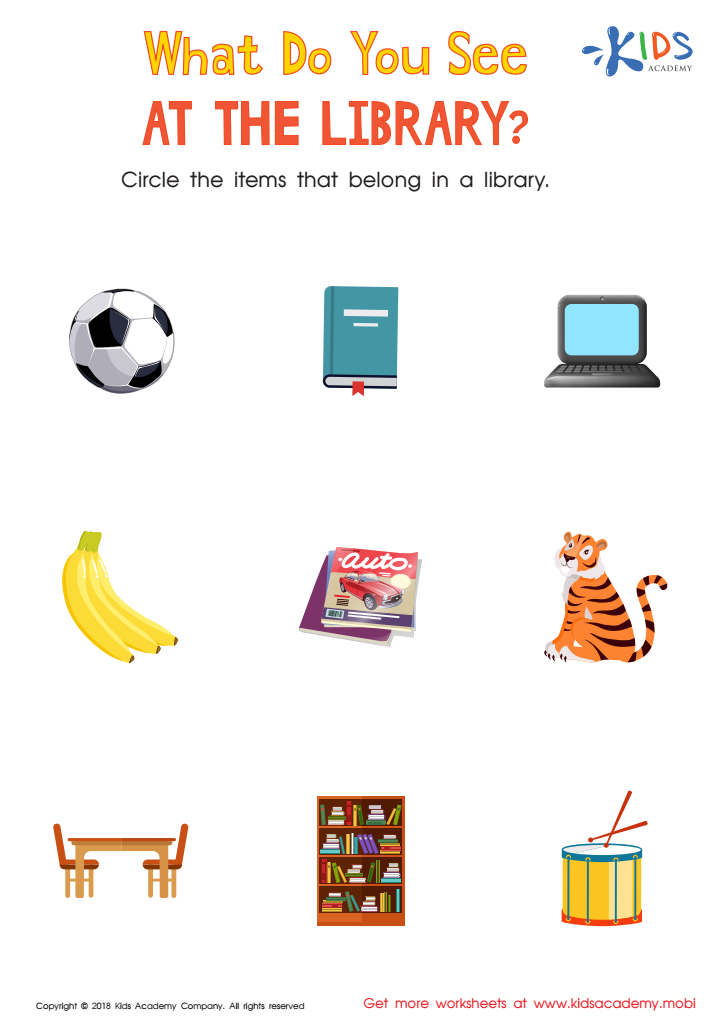
What Do you See at the Library? Worksheet
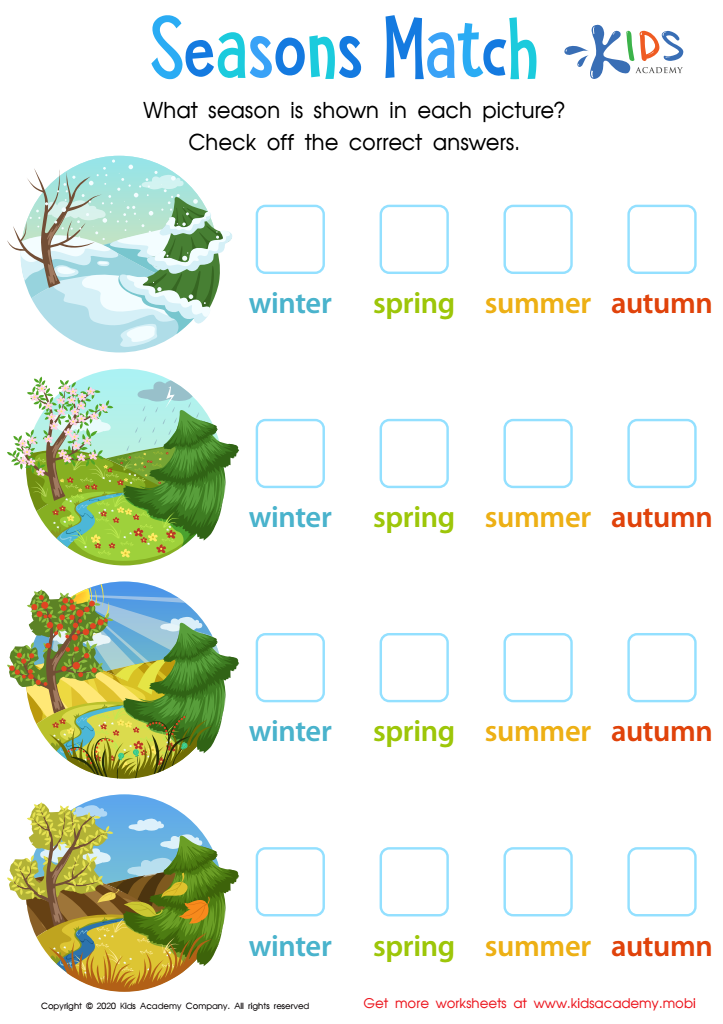
Seasons Match Worksheet
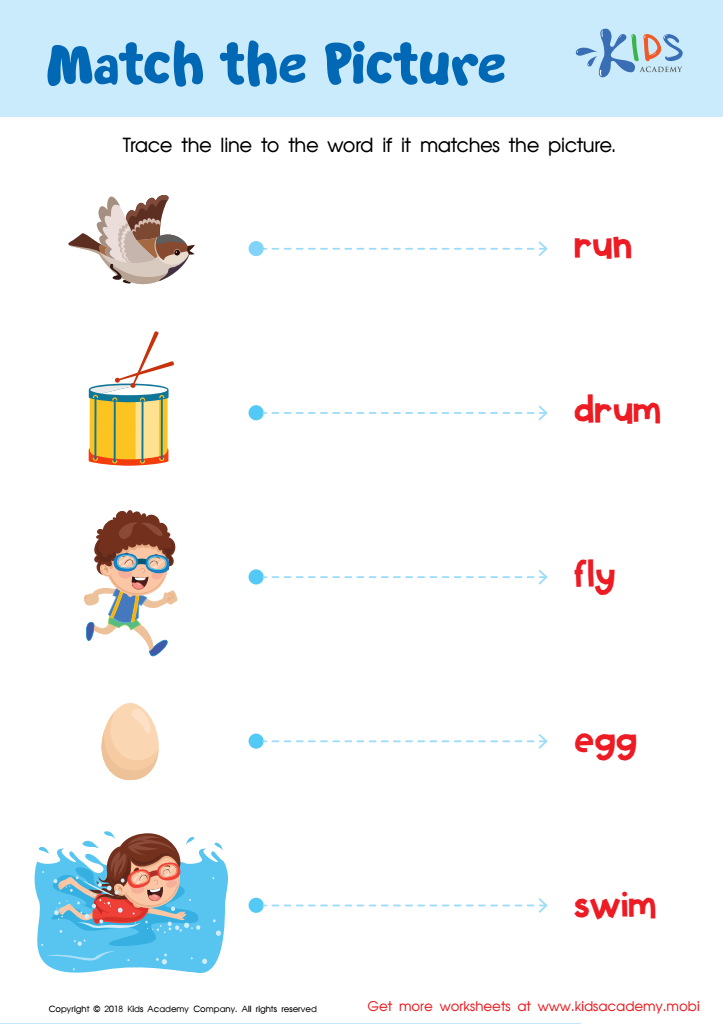
Match the Picture Worksheet
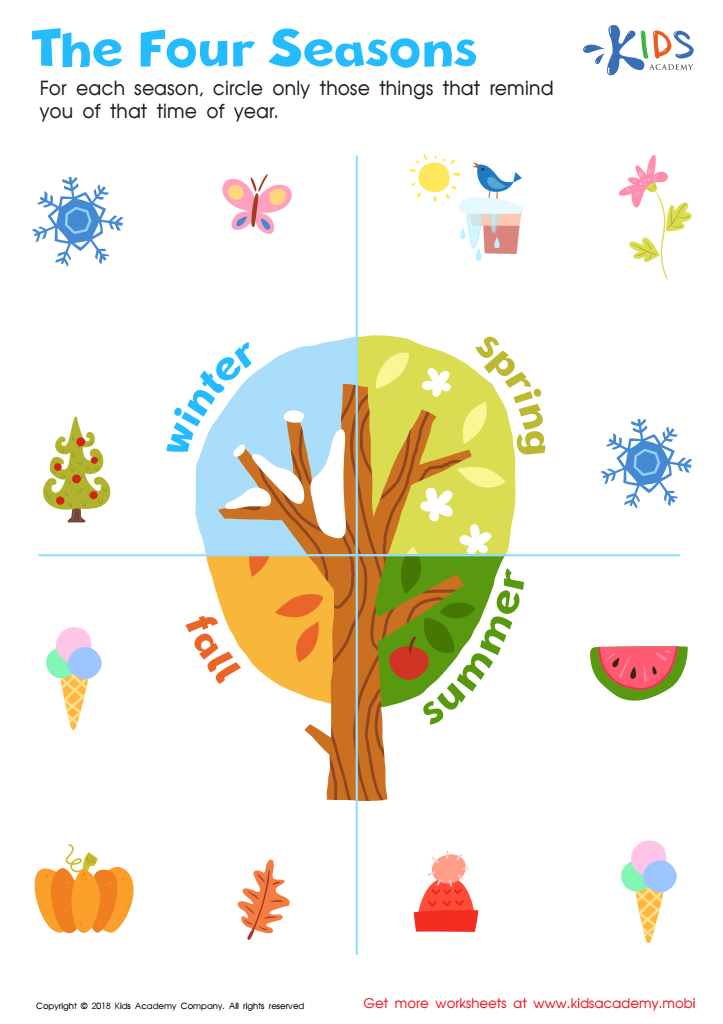
The Four Seasons Worksheet
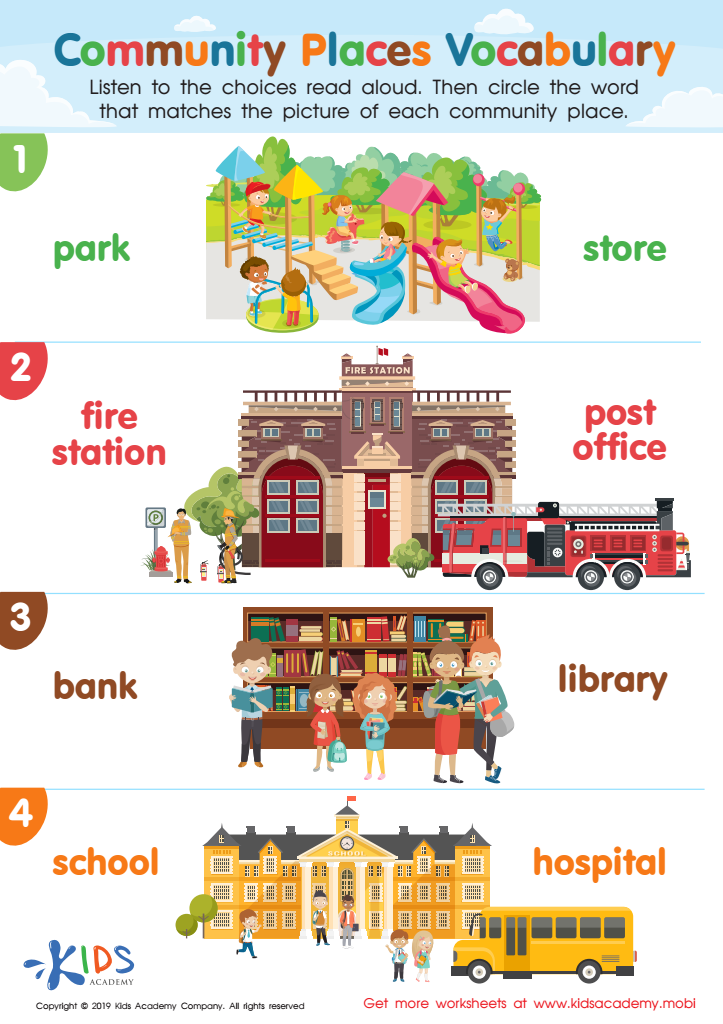
Community Places Vocabulary Worksheet







Visual recognition is a critical developmental milestone for children ages 5-6, playing a vital role in their academic and everyday life success. Parents and teachers should be invested in this aspect of development as it directly impacts a child's ability to learn to read, perform math tasks, and engage in essential daily activities. During this phase, children are rapidly developing their ability to recognize shapes, colors, letters, and numbers which form the building blocks for higher-order learning.
When children have difficulties with visual recognition, they might struggle to differentiate between similar-looking letters, impacting their reading skills. Furthermore, recognition difficulties can also hinder their ability to follow along with classroom activities, leading to frustration and a lack of confidence. Early identification and intervention for visual recognition issues can prevent future learning difficulties, ensuring that children build the necessary skills to excel effortlessly.
Teachers and parents can foster visual recognition in children by incorporating engaging, visually-rich educational materials and activities such as puzzles, matching games, and interactive storybooks. Observing and supporting children in these activities ensures they develop efficiently, laying a solid foundation for lifelong learning and daily functioning. By prioritizing visual recognition development, children are better prepared for academic success and personal achievements in their future.








