Matching numbers Normal Numbers Worksheets for Ages 5-6
5 filtered results
-
From - To
Discover our engaging Matching Numbers Normal Numbers Worksheets designed specifically for children aged 5-6! These worksheets provide a fun and interactive way for young learners to enhance their number recognition skills. Through colorful illustrations and playful activities, kids will practice pairing numbers with corresponding visual cues, reinforcing their understanding of numerical values. Perfect for early grades, these resources help build a strong foundation in math, boost confidence, and promote critical thinking. Whether at home or in the classroom, our Matching Numbers Worksheets make learning mathematics enjoyable and effective. Explore our collection today and support your child's journey to numeric literacy!
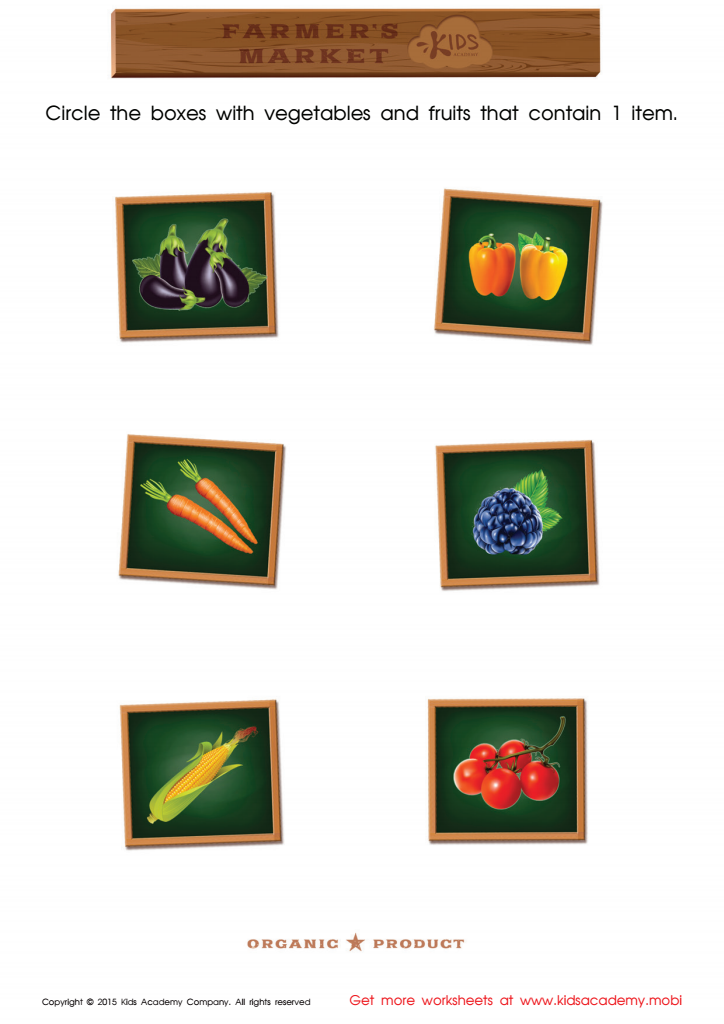
Count and Match Boxes with Vegetables
 Assign to My Students
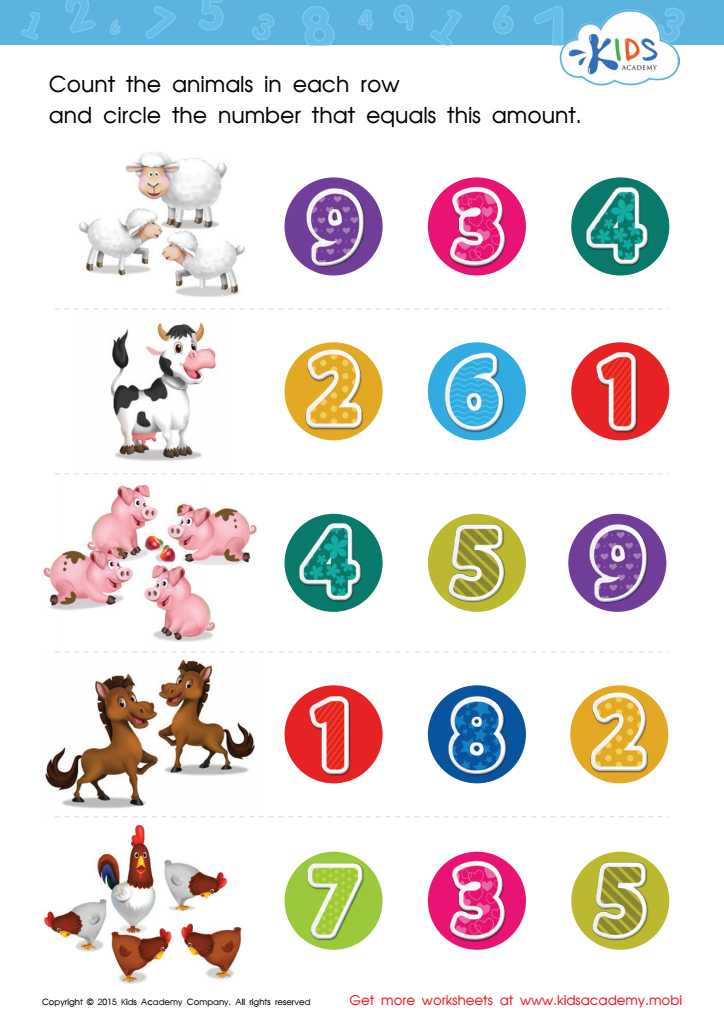
Count and Match 1 – 5 Math Worksheet
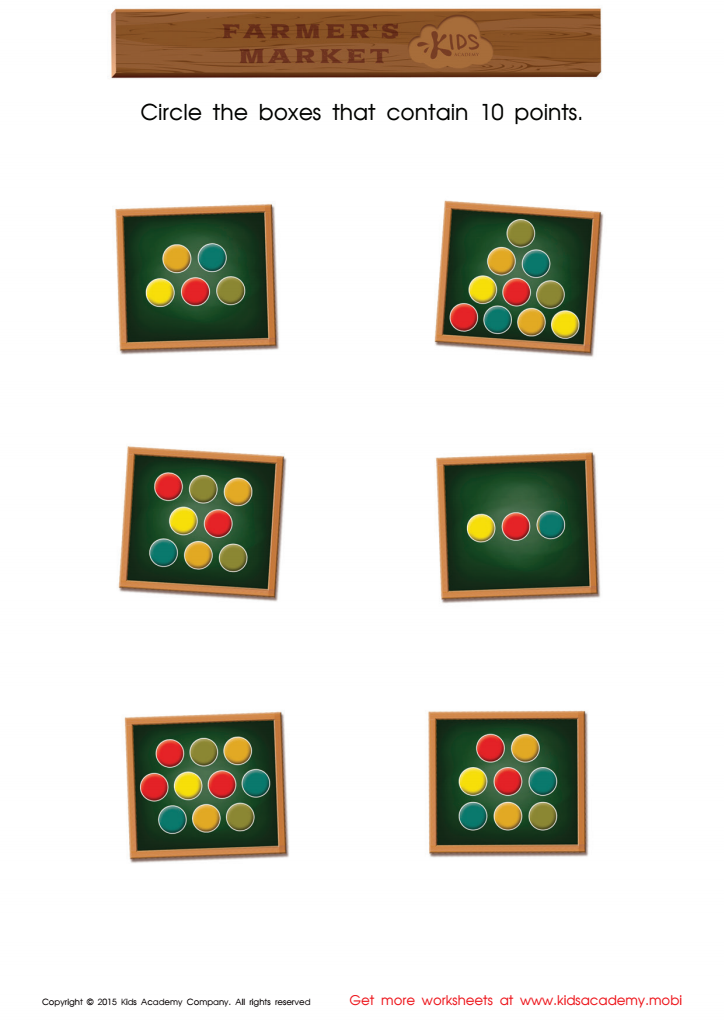
Count and Match Points 10 Math Worksheet
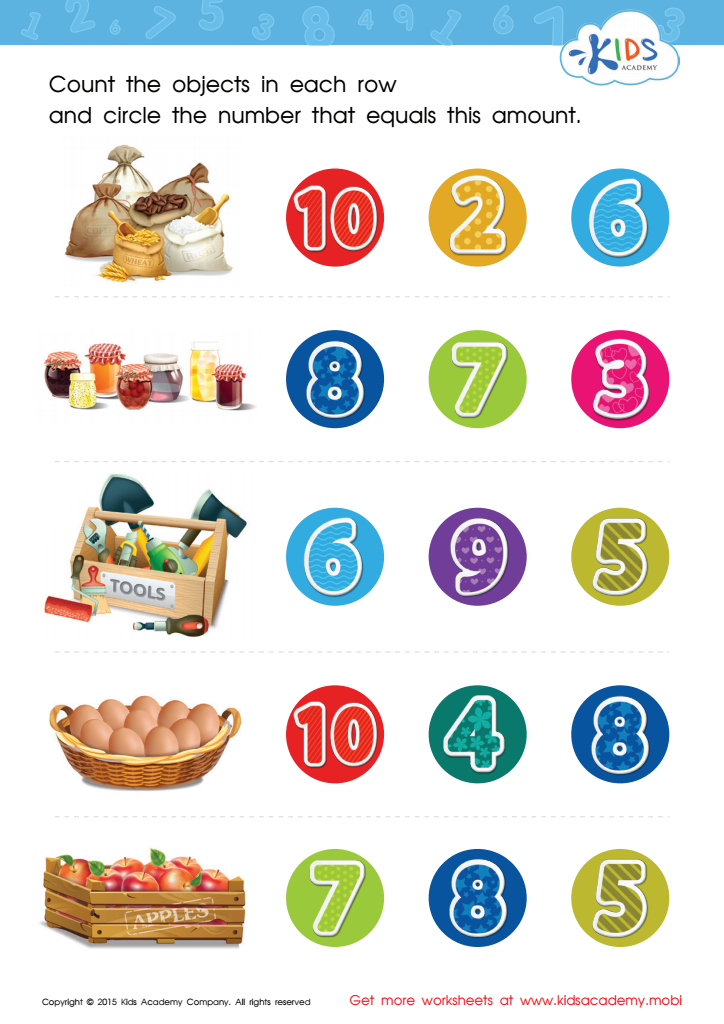
Count and Match 6 – 10 Math Worksheet
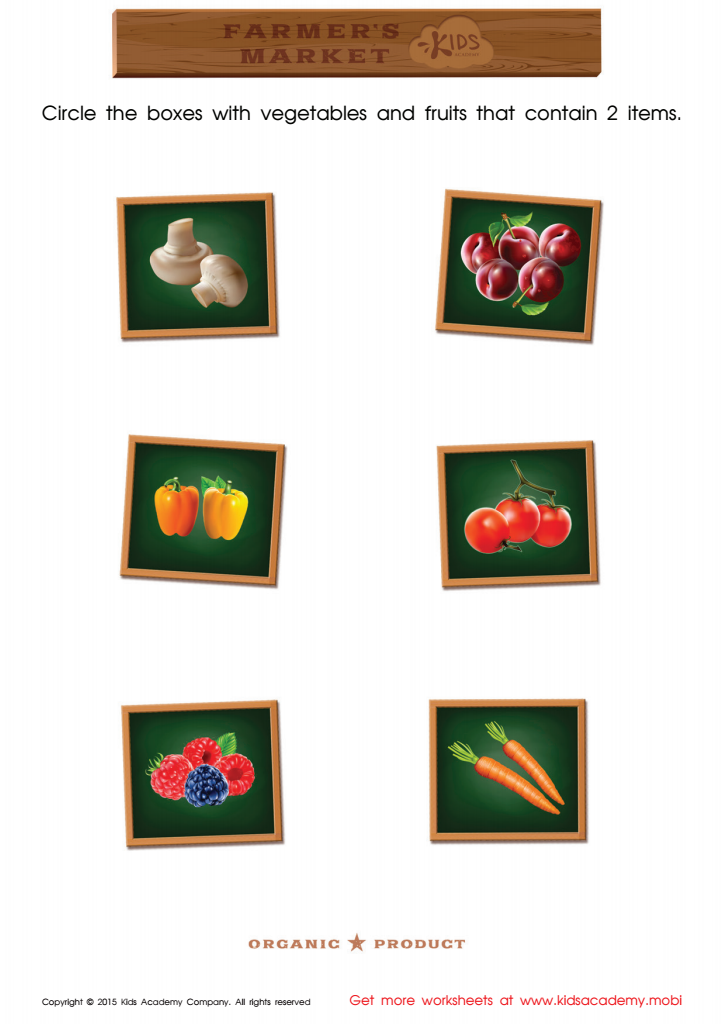
Count and Match Vegetables and Points Math Worksheet








Matching numbers and understanding normal numbers (that is, recognizing and working with the sequence of numbers) are fundamental skills for children aged 5-6. At this developmental stage, children are beginning to build the foundation for critical math skills they will need throughout their education and daily lives. Parents and teachers should care about these concepts for several reasons.
Firstly, matching numbers enhances a child’s number recognition skills, enabling them to identify and match quantities with the corresponding numeral. This skill is crucial for early numeracy development, allowing children to comprehend basic math operations they will encounter later, such as addition and subtraction.
Secondly, familiarizing children with normal numbers builds their confidence and comfort with numbers, reducing math anxiety that might develop in later grades. Developing number sense at an early age encourages an analytical mindset and fosters problem-solving abilities.
Moreover, engaging in number-matching activities can be fun and interactive. These activities can be easily incorporated into daily routines, making learning enjoyable while strengthening parent-child and teacher-student relationships. By focusing on these early math skills, caregivers contribute to a positive attitude toward learning and set the groundwork for lifelong mathematical understanding.








