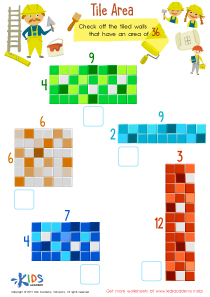
Reading comprehension Normal Numbers Worksheets for Ages 5-6
3 filtered results
-
From - To
Discover our engaging "Reading Comprehension Normal Numbers Worksheets" tailored for children aged 5-6. These worksheets are designed to enhance early literacy skills while fostering a love for numbers. Each activity features age-appropriate scenarios that encourage children to read and understand number-related concepts, improving both their reading and comprehension abilities. Interactive and visually appealing, our worksheets offer a fun way for young learners to develop essential skills through practice. Ideal for home or classroom use, these resources help create a solid foundation in reading comprehension alongside exciting numerical learning experiences. Start your child's educational journey today!
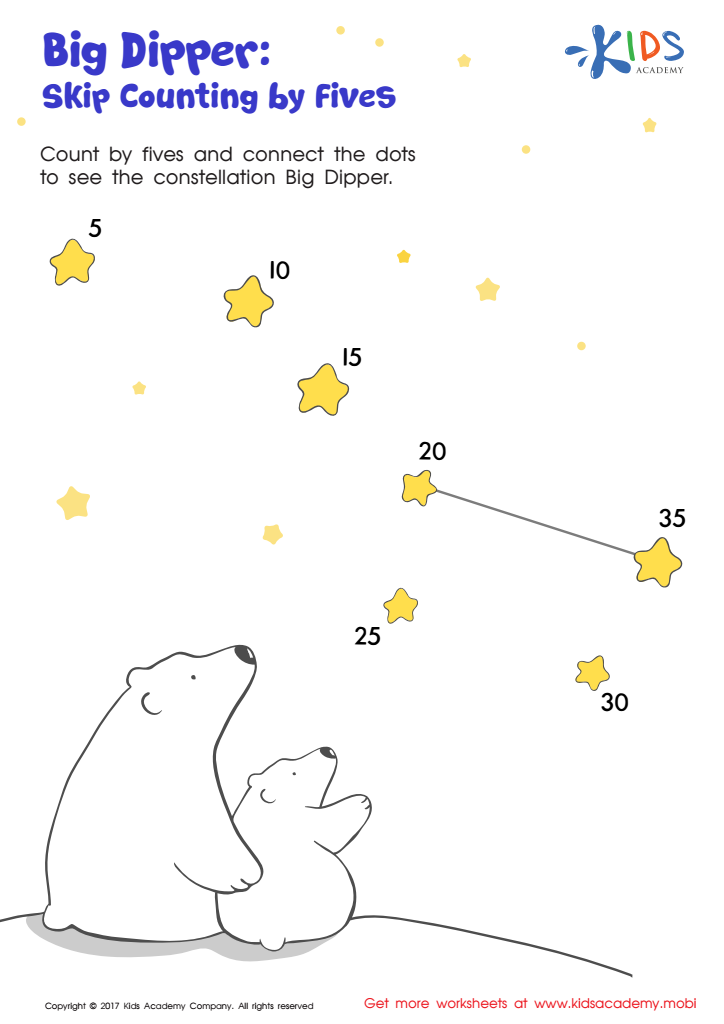
 Assign to My Students
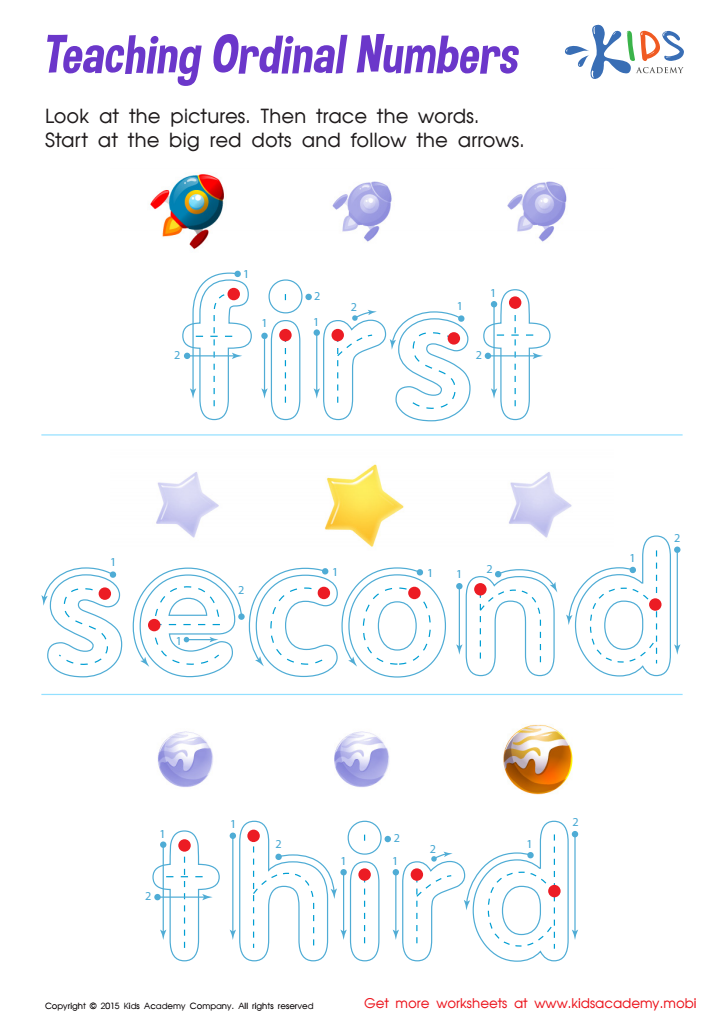
Ordinal Numbers: Teaching Ordinal Numbers Printable
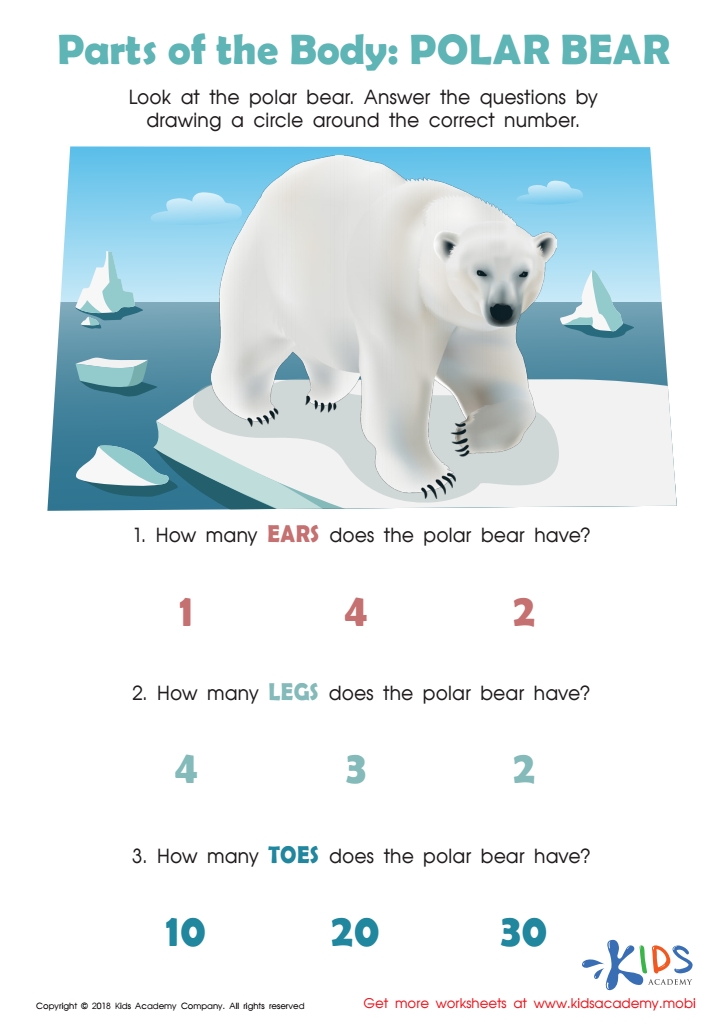
Parts of the Body: Polar Body Worksheet








Reading comprehension is a critical skill for children aged 5-6, as it serves as the foundation for their educational journey and overall cognitive development. This age is crucial for developing literacy skills, including understanding simple texts and following narratives. Caring about reading comprehension means recognizing its role in facilitating a child’s ability to grasp concepts, analyze information, and communicate effectively.
For parents and teachers, focusing on reading comprehension Normal Numbers means ensuring children can recognize words, comprehend meanings, and engage with stories in ways that enhance their vocabulary and critical thinking. It allows them to connect new knowledge to experiences and fosters curiosity.
When children master comprehension at an early age, they are more likely to develop a love for reading, which contributes to lifelong learning. Additionally, strong comprehension skills can improve academic performance across subjects, as unable to understand the reading material renders struggles with numeracy and problem-solving.
Furthermore, awareness of literacy early on assists in identifying needs or challenges requiring tailored support, ultimately ensuring that all children have equitable access to effective education. Engaging with literature also promotes emotional development by helping children understand different perspectives. For these reasons, parents and teachers should prioritize developing reading comprehension in young learners.