Hand-eye Coordination Normal Math Worksheets for Ages 5-6
7 filtered results
-
From - To
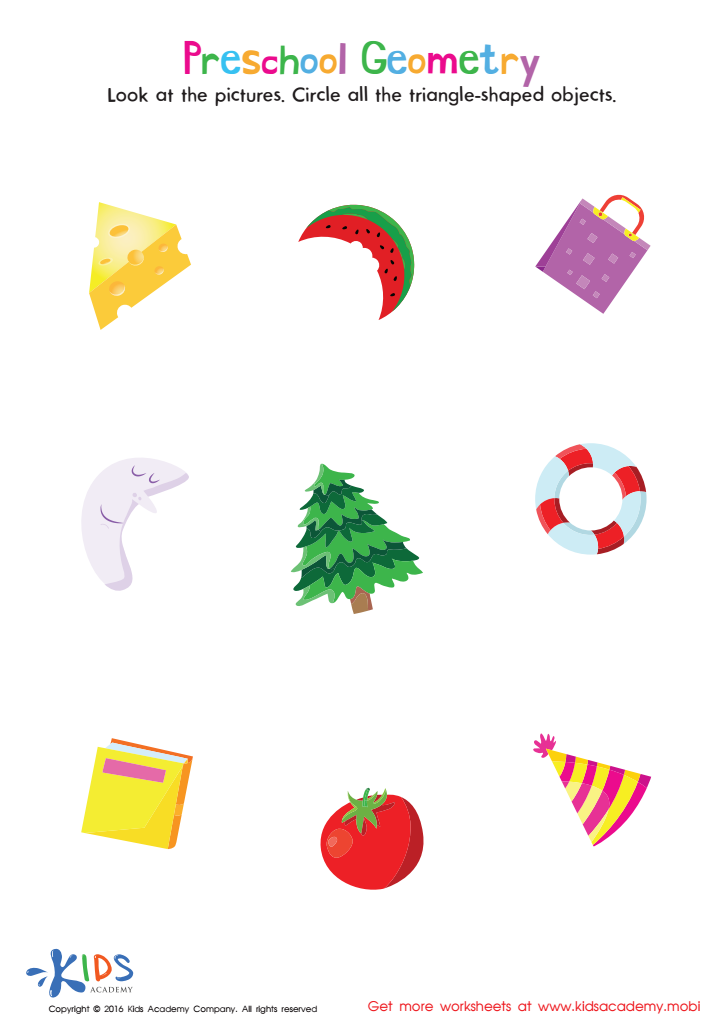
Enhance your child’s hand-eye coordination while developing essential math skills with our engaging Normal Math Worksheets for ages 5-6. Designed specifically for young learners, these worksheets combine fun activities with educational content, helping children build fine motor skills through counting, number recognition, and simple problem-solving exercises. Each worksheet is filled with colorful illustrations and interactive exercises that captivate young minds, making learning both enjoyable and effective. Perfect for parents and educators, our resources support early childhood development and prepare children for future academic success. Download and print these worksheets today to foster your child’s love for learning in a playful way!
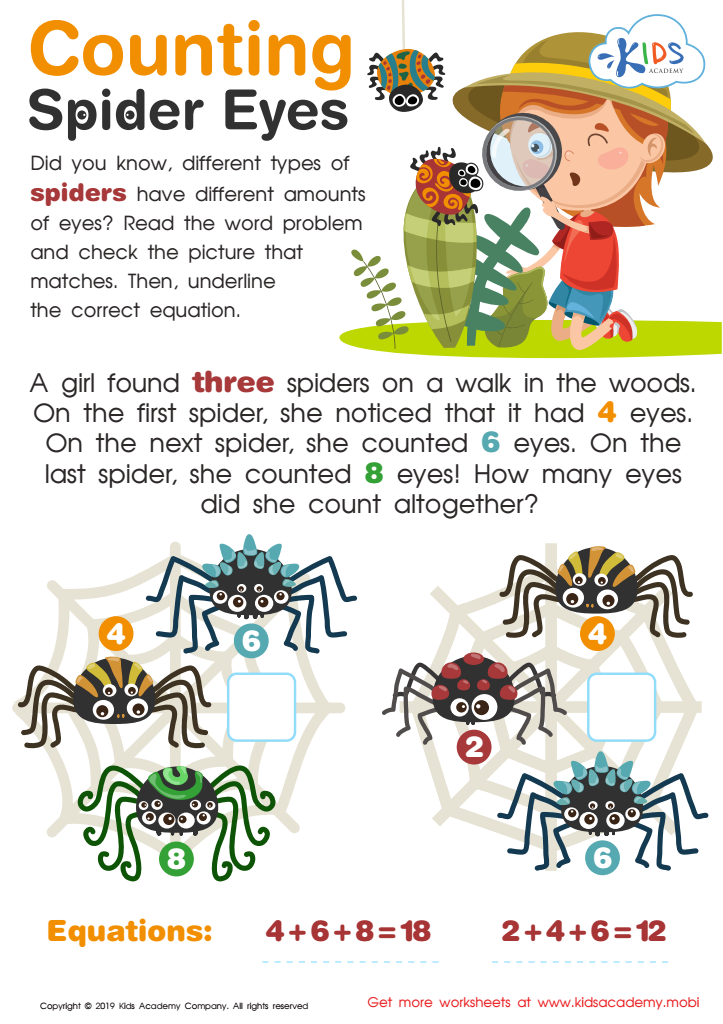
Counting Spider Eyes Worksheet
 Assign to My Students
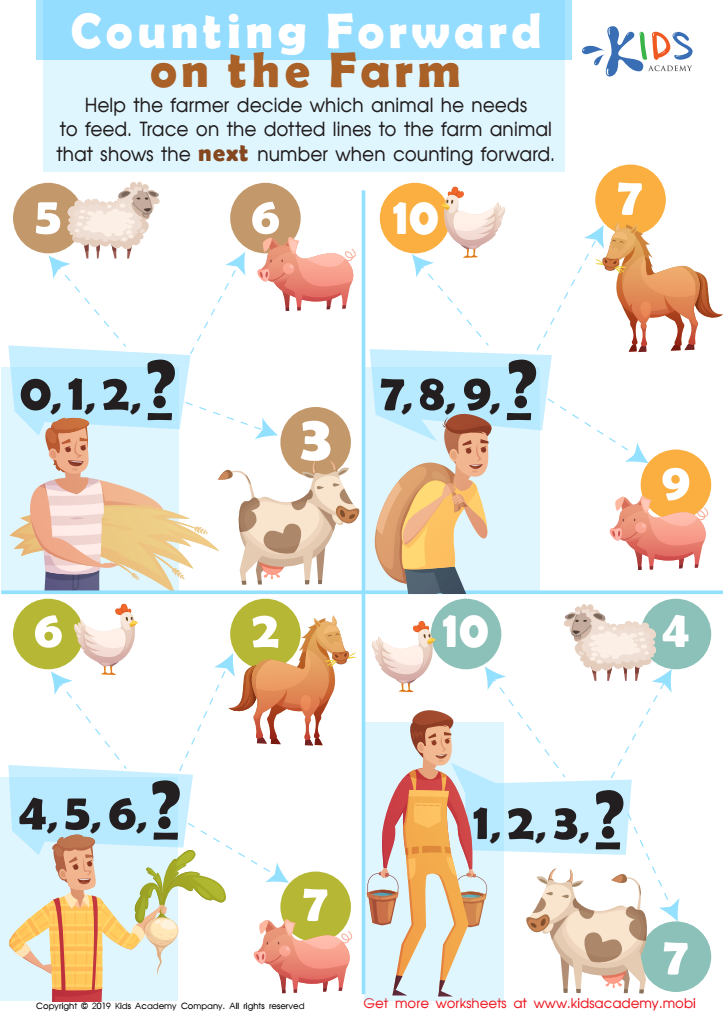
Counting Forward On the Farm Worksheet
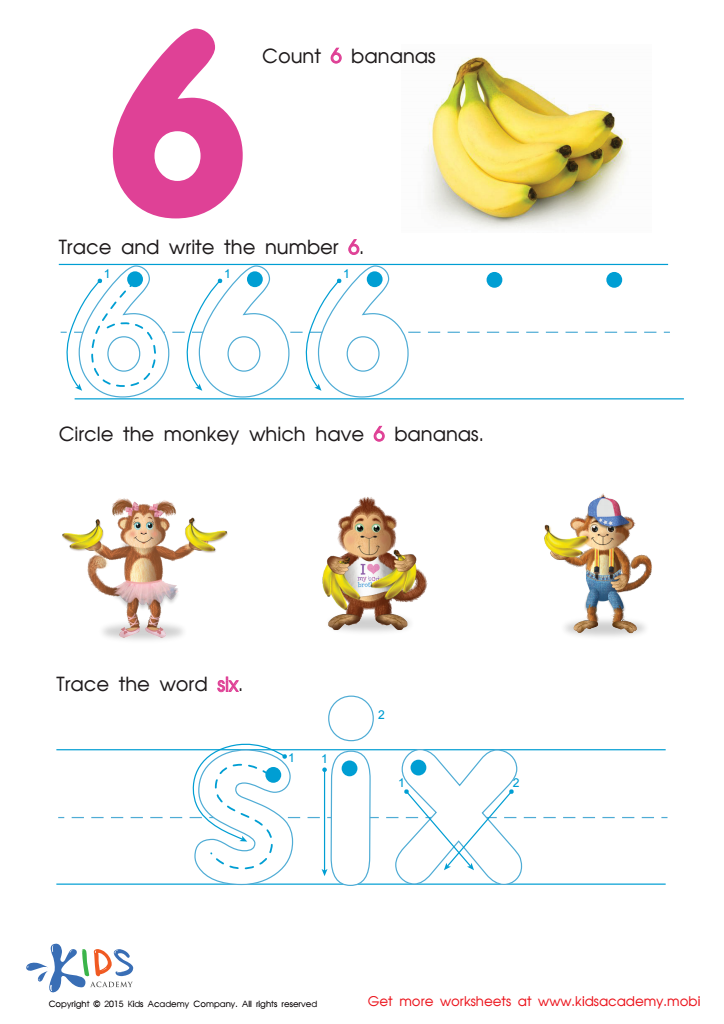
Tracing And Writing Number 6 Worksheet
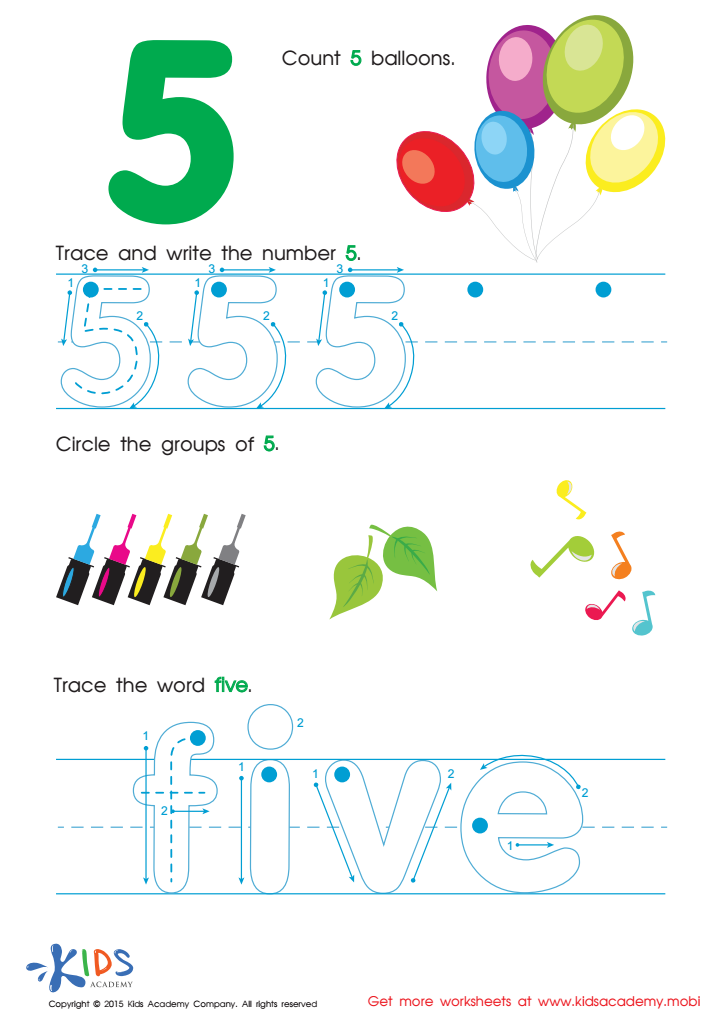
Practice Writing Number 5 Worksheet
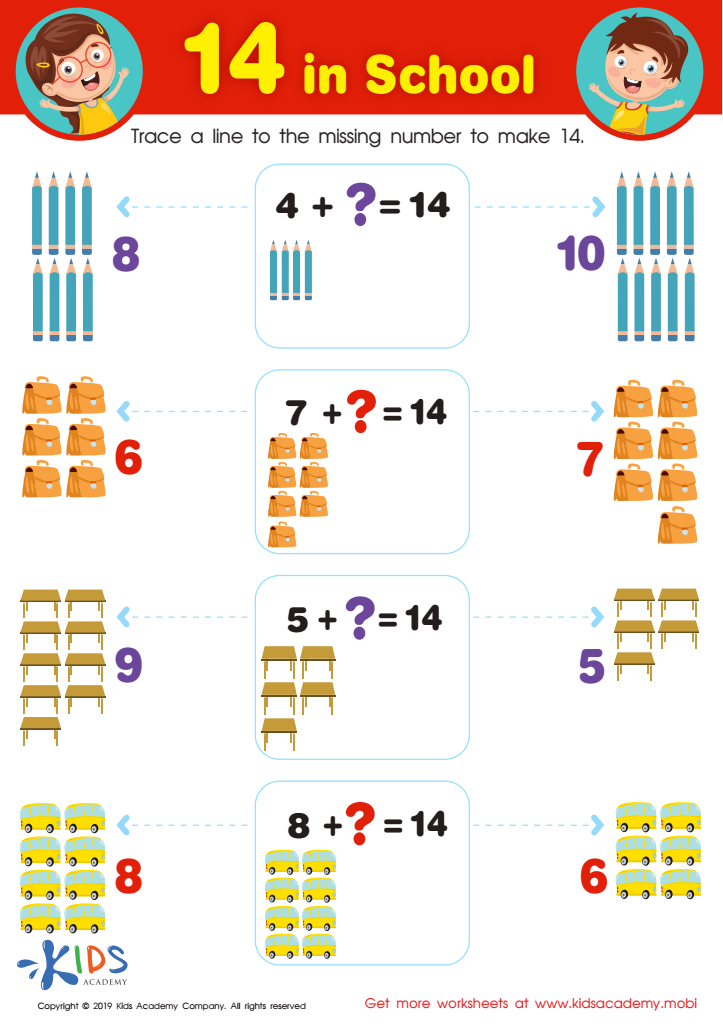
14 in School Worksheet



.jpg)



Hand-eye coordination is a crucial skill that significantly impacts a child's early development, particularly in children aged 5-6 and their budding math abilities. During this developmental stage, children are not only actively learning basic mathematical concepts but also engaging in fine motor tasks that support those concepts. Strong hand-eye coordination facilitates activities like counting objects, recognizing shapes, and even writing numbers or letters, which are fundamental in math learning.
Moreover, children who have well-developed hand-eye coordination can better grasp spatial awareness, enabling them to visualize math problems and understand concepts such as addition and subtraction through physical manipulation of objects. For parents and teachers, nurturing this coordination through engaging games and activities—like puzzles, sorting, or playing with blocks—can create a stimulating learning environment.
Encouraging activities that refine these skills helps build confidence, essential for fostering a positive attitude towards math. When children find joy in learning through hands-on experiences, they are more likely to develop a lasting interest in mathematics and problem-solving. Therefore, prioritizing hand-eye coordination in early education not only enhances children's immediate math skills but lays a solid foundation for their future academic success.








