Spelling practice Normal Math Worksheets for Ages 5-6
3 filtered results
-
From - To
Discover our engaging Spelling Practice Normal Math Worksheets designed specifically for children ages 5-6. These printable resources blend essential spelling skills with foundational math concepts, providing a fun and interactive learning experience. Each worksheet encourages young learners to enhance their vocabulary while practicing critical thinking and problem-solving. Perfect for classroom use or at-home practice, these activities will help reinforce spelling skills and promote literacy development. With vibrant visuals and age-appropriate content, our worksheets make learning enjoyable and effective. Download now and watch your child's confidence and skills soar as they master spelling alongside basic math! Suitable for early grade educators and parents alike!
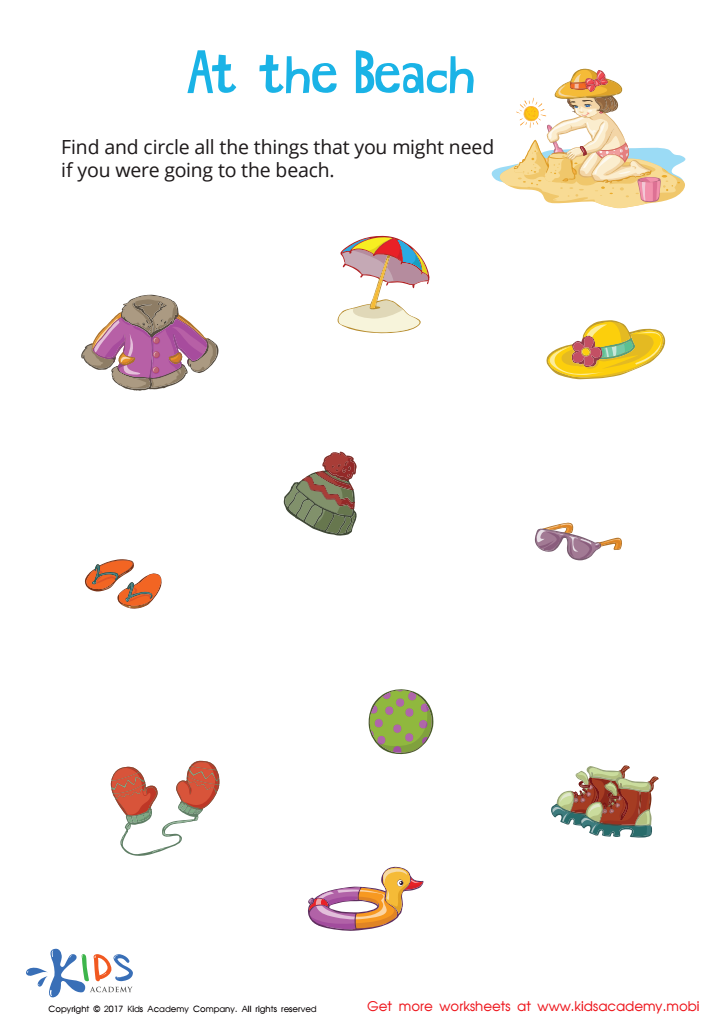
At the Beach Sorting Worksheet
 Assign to My Students
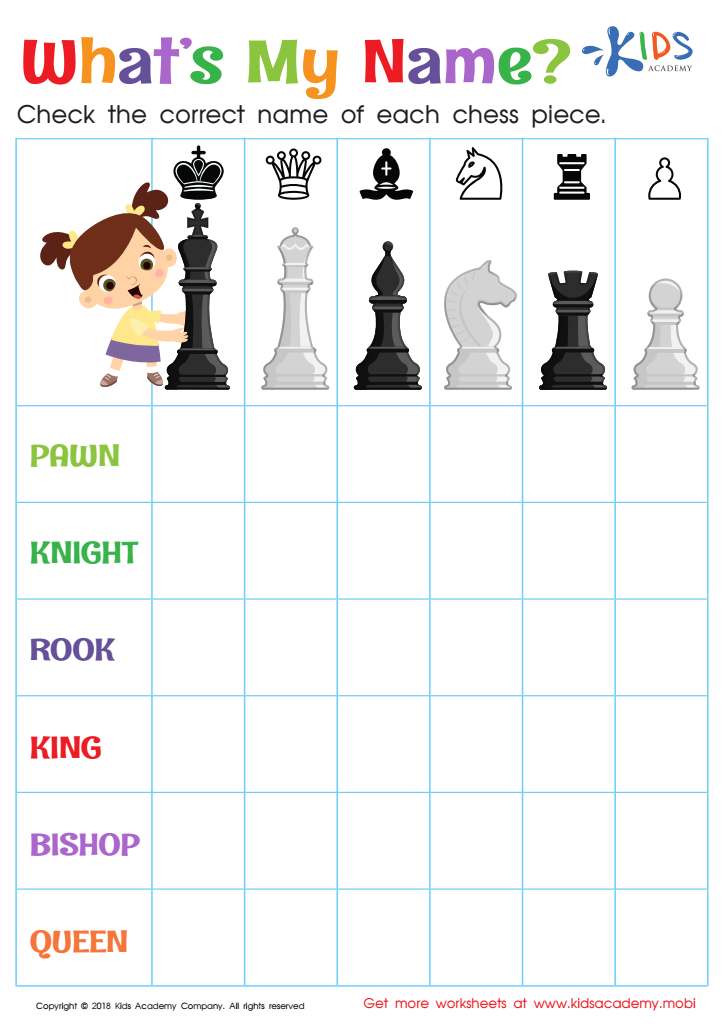
What's My Name? Worksheet
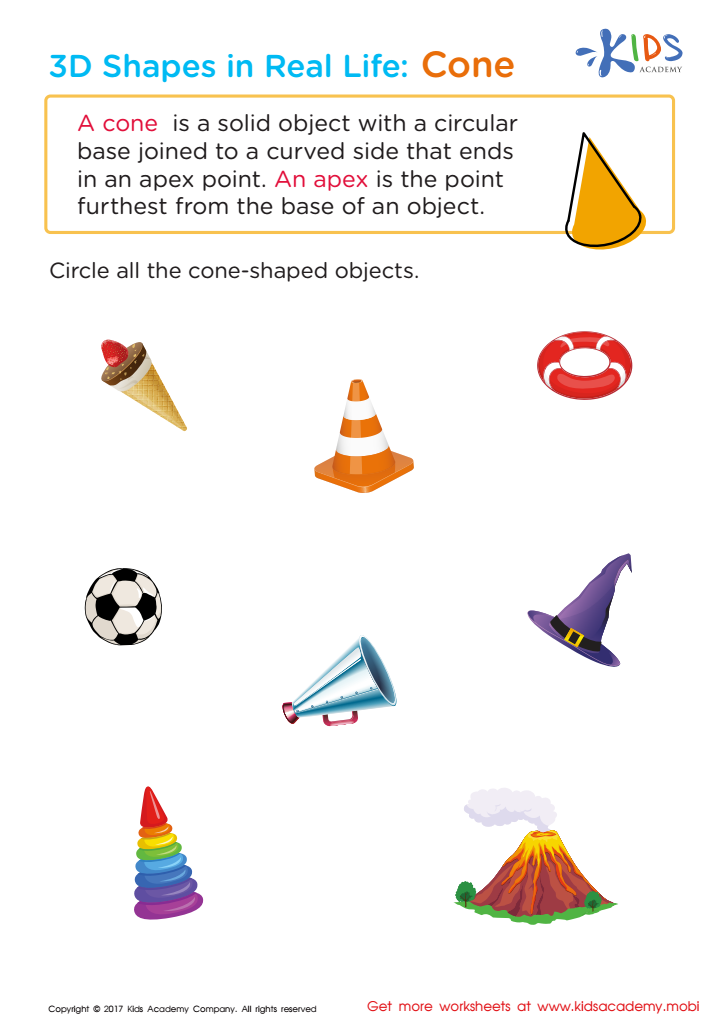
Shapes in Real Life: Cone Worksheet


.jpg)




Spelling practice and foundational math skills are critical components of early childhood education, particularly for children aged 5-6. First, spelling helps develop literacy, enhancing a child's ability to read and communicate effectively. During these formative years, children are initiating their relationship with written language. By practicing spelling, students gain essential phonetic and vocabulary skills that will serve as the bedrock for future literacy.
Similarly, mastering basic math concepts introduces children to numerical understanding, problem-solving, and critical thinking. Early math skills, such as recognizing numbers, counting, and understanding simple addition and subtraction, provide a framework for more complex mathematical concepts later on. These foundational skills foster confidence and a positive attitude toward learning.
Moreover, both spelling and math practice enhance cognitive development by promoting brain connectivity and memory through repetitive learning activities. Engaging in these practices helps children build discipline and a consistent learning routine.
For parents and teachers, supporting spelling and math practice at this age not only nurtures academic skills but also prepares children for success in school and beyond. Thus, fostering a strong educational foundation during these crucial years is vital for the child's overall growth and development.








