Visual discrimination Normal Math Worksheets for Ages 5-6
8 filtered results
-
From - To
Enhance your child's learning journey with our Visual Discrimination Normal Math Worksheets designed specifically for ages 5-6. These engaging worksheets provide an enjoyable way for young learners to develop their visual discrimination skills, crucial for recognizing patterns, shapes, and differences. Featuring vibrant illustrations and age-appropriate activities, these worksheets encourage critical thinking and problem-solving while reinforcing foundational math concepts. Ideal for parents and teachers alike, our resources help create a fun and educational experience to support early development. Download and print these worksheets today to spark curiosity and confidence in your child's math abilities!
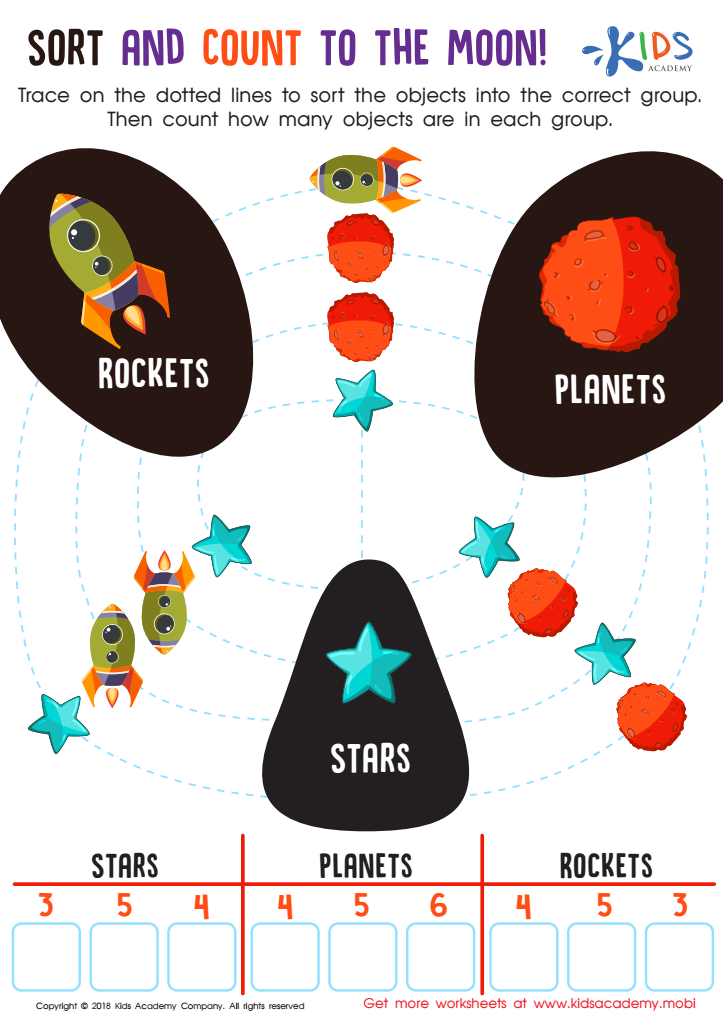
Sort and Count to the Moon Worksheet
 Assign to My Students
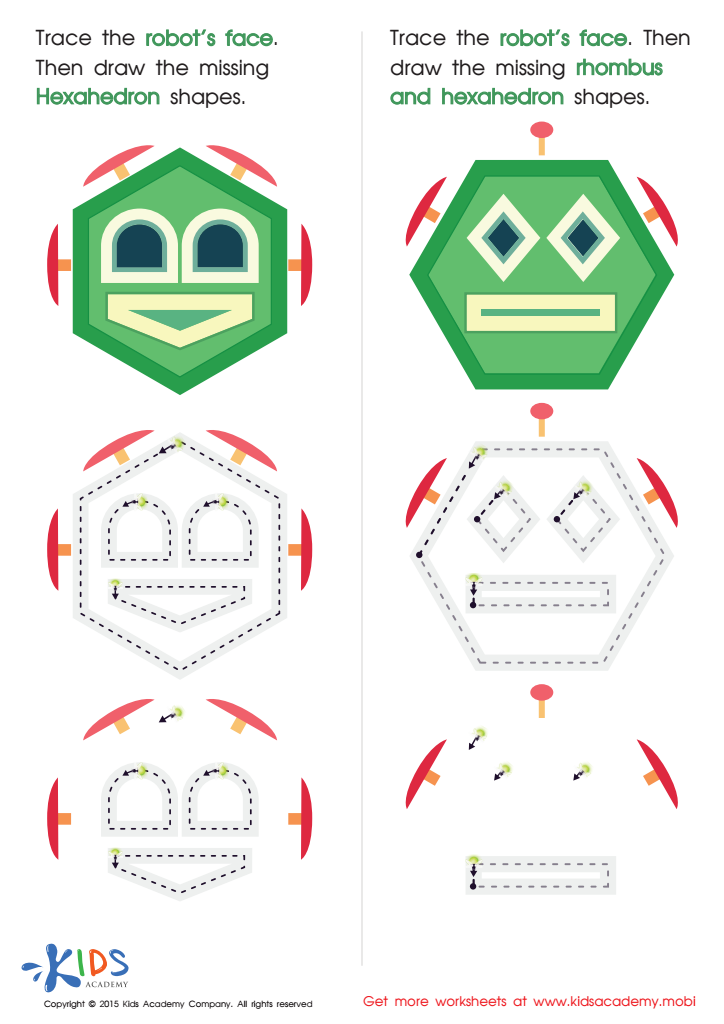
Practice Drawing Hexahedrons And a Rhombus Worksheet
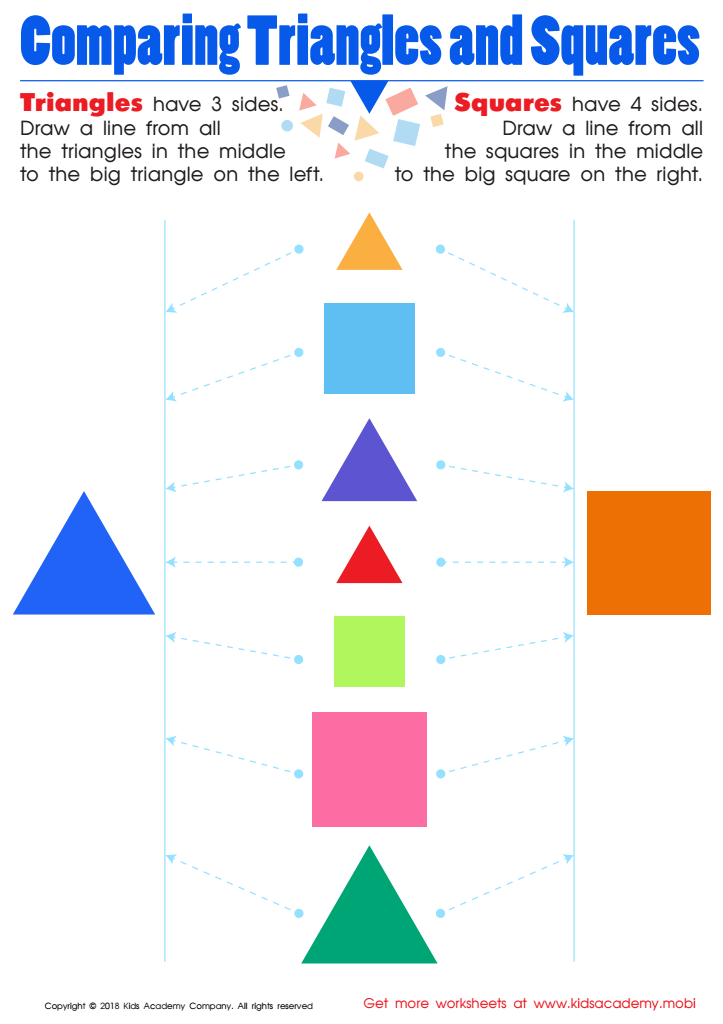
Comparing Triangles Squares Worksheet
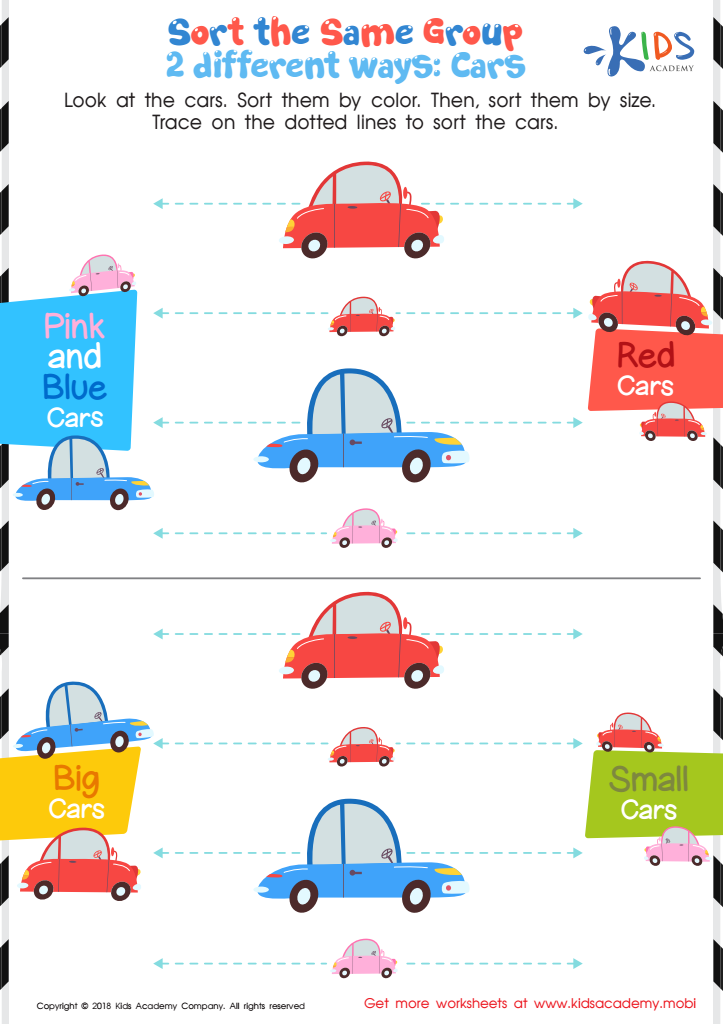
Sort the Same Group 2 Different Ways: Cars Worksheet
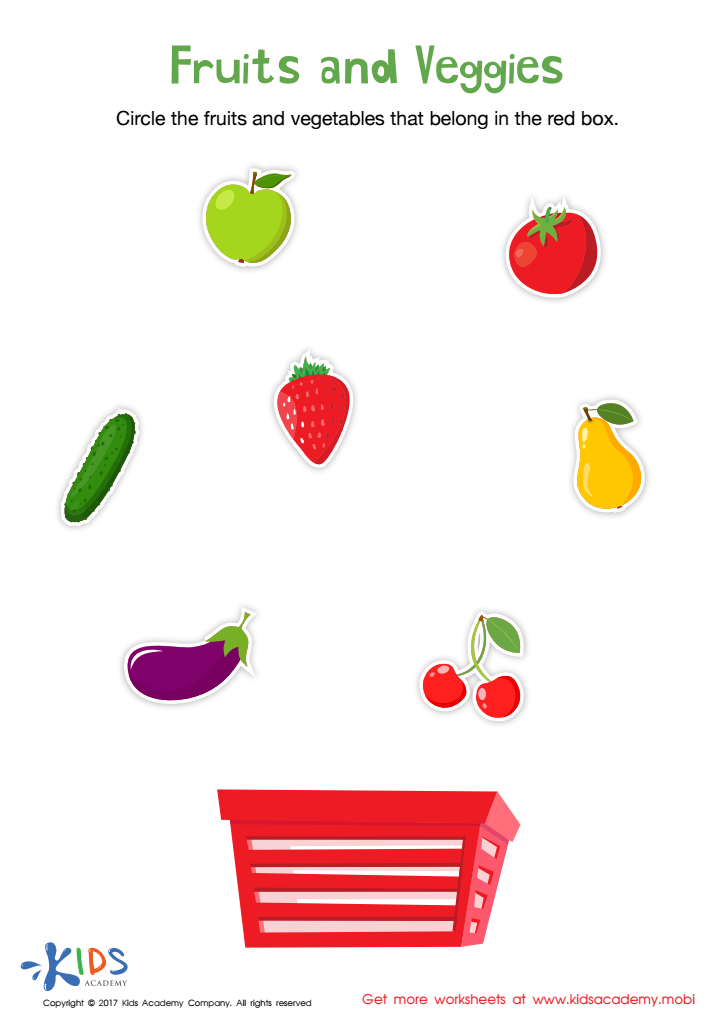
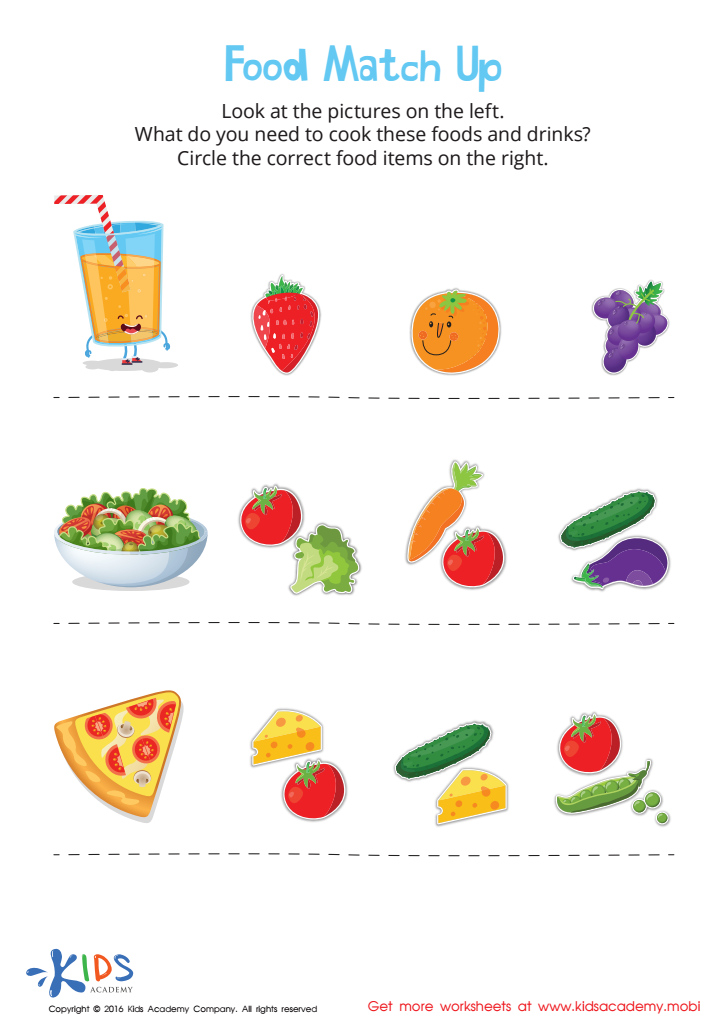
Food Match Up Worksheet
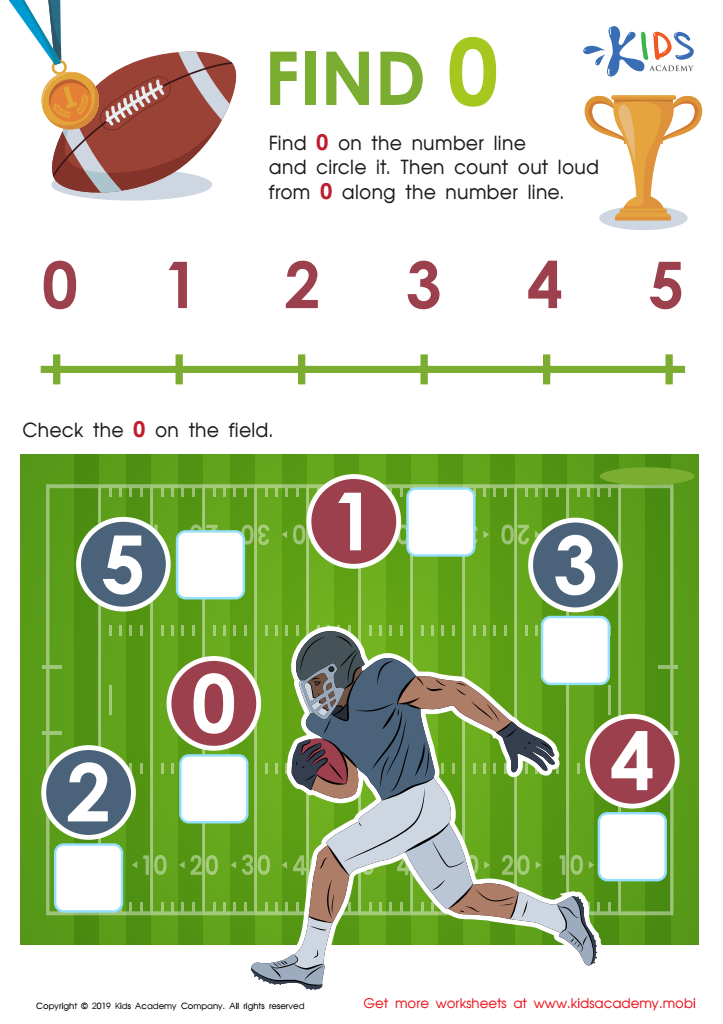
Find 0 Worksheet
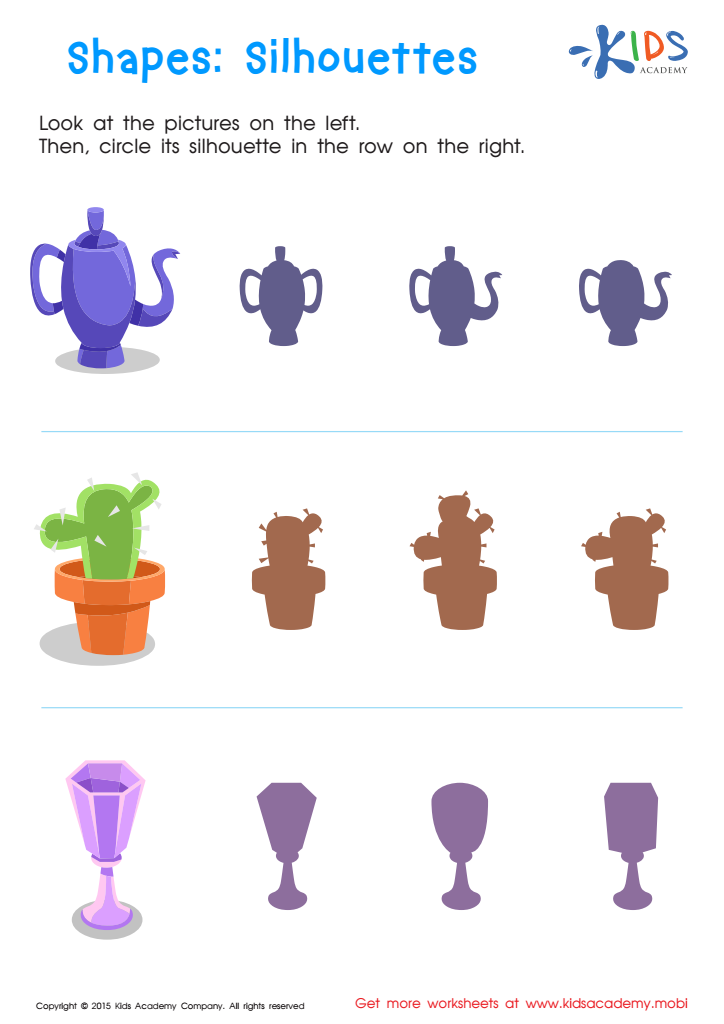
Silhouettes – Shapes Worksheet




.jpg)

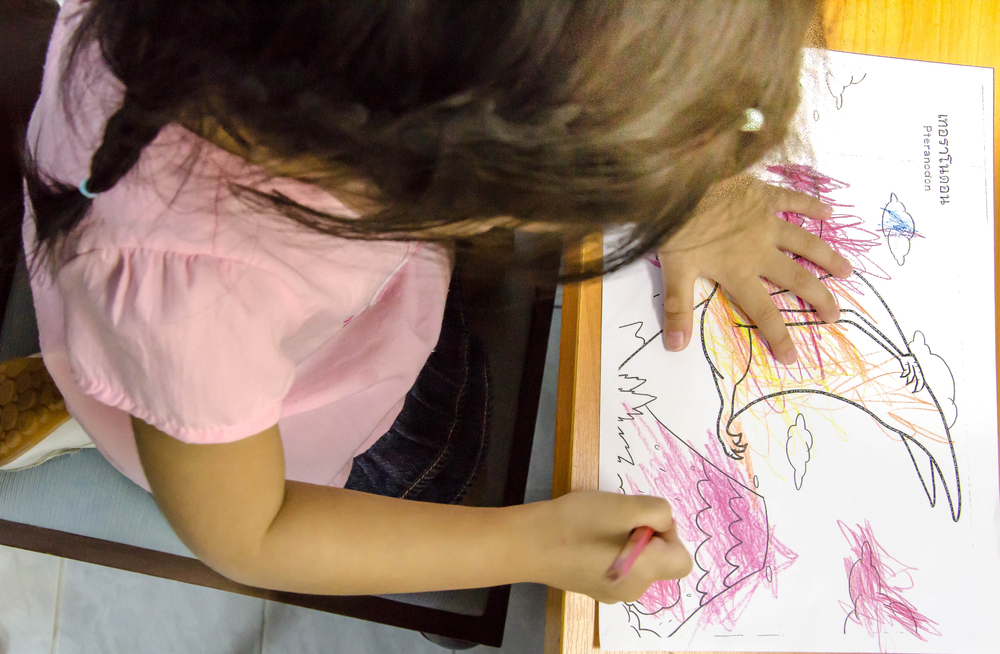
Parents and teachers should prioritize visual discrimination skills in math for children aged 5-6 because these foundational abilities play a crucial role in early learning. Visual discrimination refers to the capacity to notice and interpret differences and similarities in visual information. For young learners, particularly in math, this skill aids in recognition of shapes, numbers, and patterns, forming a core part of their understanding of more complex mathematical concepts.
When children can accurately identify and differentiate between figures, it enhances their problem-solving capabilities and boosts their confidence in tackling math tasks. For example, recognizing that a square has four equal sides while a rectangle does not is essential for geometry skills later on.
Additionally, fostering visual discrimination can contribute to improved reading and writing skills, as it intersects with recognizing letters and words. Engaging in activities that strengthen these skills, such as sorting objects or playing visual games, can make learning both fun and effective.
By emphasizing visual discrimination in their teaching and parenting approaches, adults can lay a solid groundwork for children’s mathematical fluency and overall cognitive development, paving the way for successful learning experiences in the future. Supporting these abilities ensures students are better prepared for more advanced concepts as they progress in their education.








